Castillo de Sot de Chera: A Historic Fortress in Sot de Chera, Spain


Visitor Information
Google Rating: 4.5
Popularity: Very Low
Official Website: descubresotdechera.com
Country: Spain
Civilization: Unclassified
Site type: Military
Remains: Castle

History
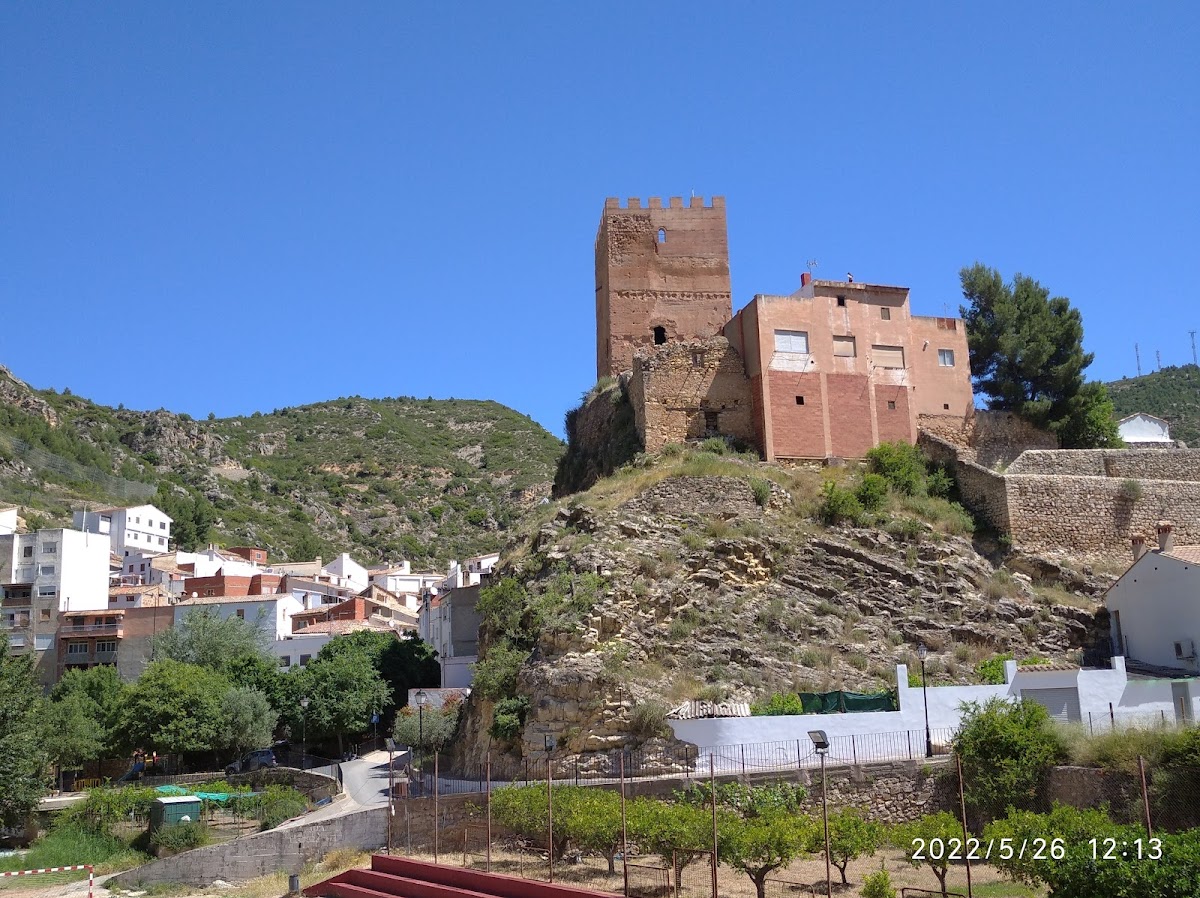
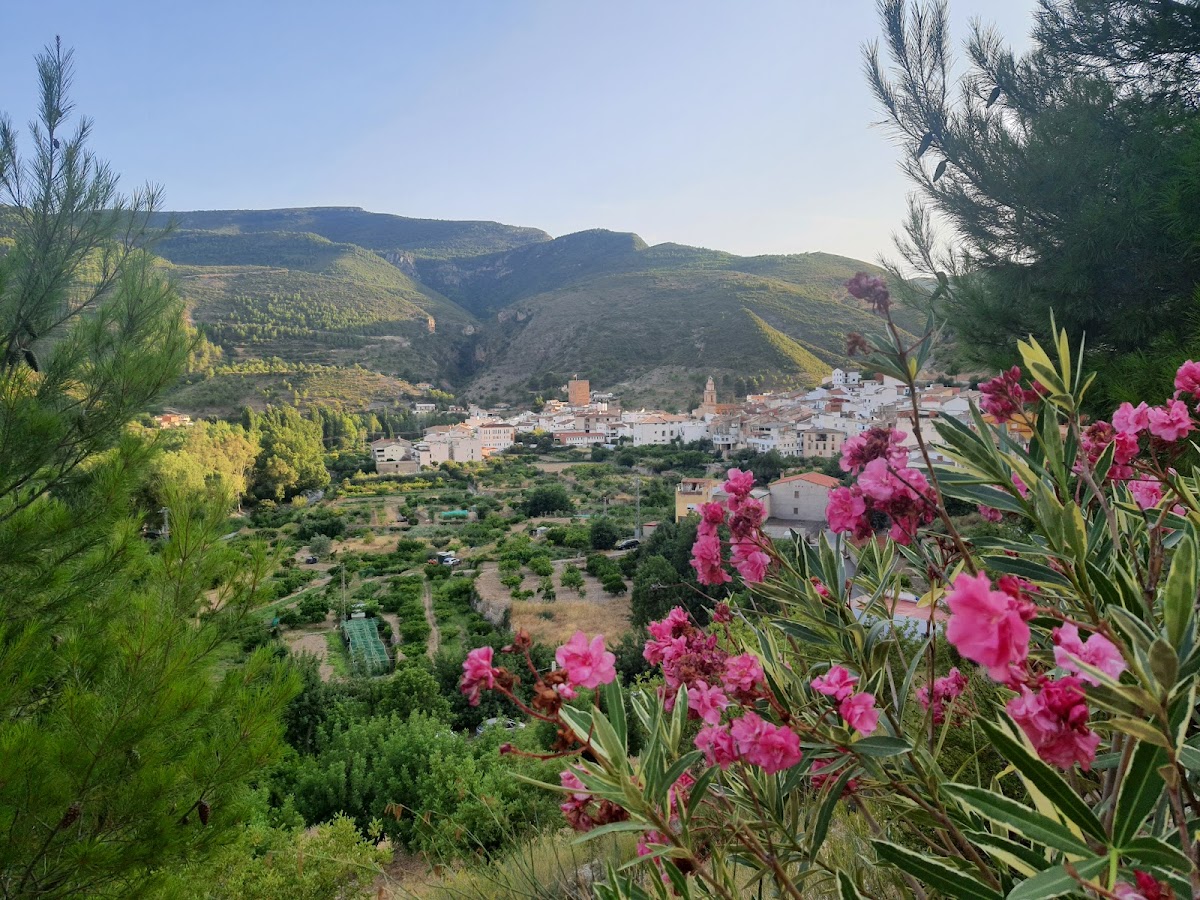
The Castillo de Sot de Chera stands in the heart of the town of Sot de Chera, Spain, and was originally constructed by Muslim builders during the period of Islamic presence on the Iberian Peninsula. Positioned on a rocky outcrop overlooking the Sot River valley, the fortress played a defensive role protecting the settlement around it.
The castle’s origins are closely connected to the Arab neighborhood that historically surrounded it. This settlement, formed during Muslim rule, featured homes and structures built alongside the fortress, some of which included underground tunnels and galleries contemporary with the castle’s active use. The fortress likely served as both a military stronghold and a protective refuge for the community. Over time, the site experienced continued occupation and adaptation, as shown by the mix of Iberian and Muslim ceramic artifacts uncovered nearby.
Though specific rulers or events tied to the castle are not documented, the fortress’s continued preservation into modern times reflects its importance within the local historical landscape. Adjoining the castle are ruins of an early church, suggesting later Christian influence in the area after the Islamic period. Recognized in 2001 as a cultural monument under Spain’s Bien de Interés Cultural program, efforts have been made to safeguard its legacy through restoration and consolidation, highlighting its role as a witness to the layered history of Sot de Chera.
Remains
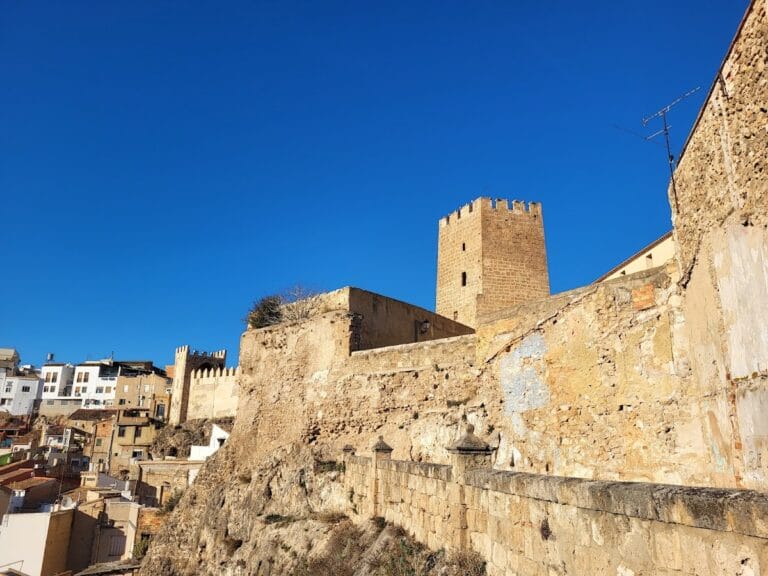
The Castillo de Sot de Chera is situated atop a small rocky hill that offers commanding views of the surrounding town and valley. Its most substantial surviving element is a large square tower, built using tapial, a construction technique involving compacted earth, combined with masonry. This main tower served as the fortress’s core defensive structure and is thought to be the keep, or “torre del homenaje.” Surrounding it, fragments of the original defensive walls remain visible, enclosing three sides of the tower, while the western side is naturally protected by a steep cliff.
Inside the tower, archaeological study has revealed four distinct floors separated by wooden beams, with key beam sockets still clearly preserved in the walls. The lowest level, at ground floor, functioned as the safest part of the keep, likely used for storage or shelter during attacks. Evidence here includes traces of a cistern designed to collect rainwater from the roof, indicating the tower’s capacity for self-sustenance. The upper floors served a combination of residential and defensive purposes, with the top level corresponding to the roof area, which may once have been a continuous surface or designed as a walkway along the battlements.
The tower’s walls are thickest at the base, measuring about 1.9 meters, and gradually thin toward the top, reflecting a strategic design to balance strength and weight. Openings in the walls include window slits for light and observation, as well as partially preserved battlements—known in Spanish as almenas—that would have provided cover for defenders. The castle is built directly atop the natural rock, emphasizing its strategic positioning and integration with the terrain.
Within the castle’s neighborhood, archaeological excavations have uncovered ceramic fragments from both the Iberian and Muslim periods, illustrating the continuity of habitation and cultural influences over time. Some houses nearby incorporate tunnels and underground galleries contemporary with the castle itself, hinting at complex settlement patterns around the fortress. Recent rehabilitation projects funded by local authorities have worked to stabilize and restore both the tower and defensive walls, aiding in the castle’s preservation as a significant historical site.