Castle of Benissanó: A Fifteenth-Century Castle-Palace in Spain

Site at a Glance
- Rating
- 4.4
- Popularity
- Medium
- Country
- Spain
- Primary era
- Medieval
- External website
- Open
- Eras represented
- Medieval, Modern
- Civilizations
- Crown of Aragon, Spanish
- Site type
- Military
- Remains
- Castle
On this page14 sections
History
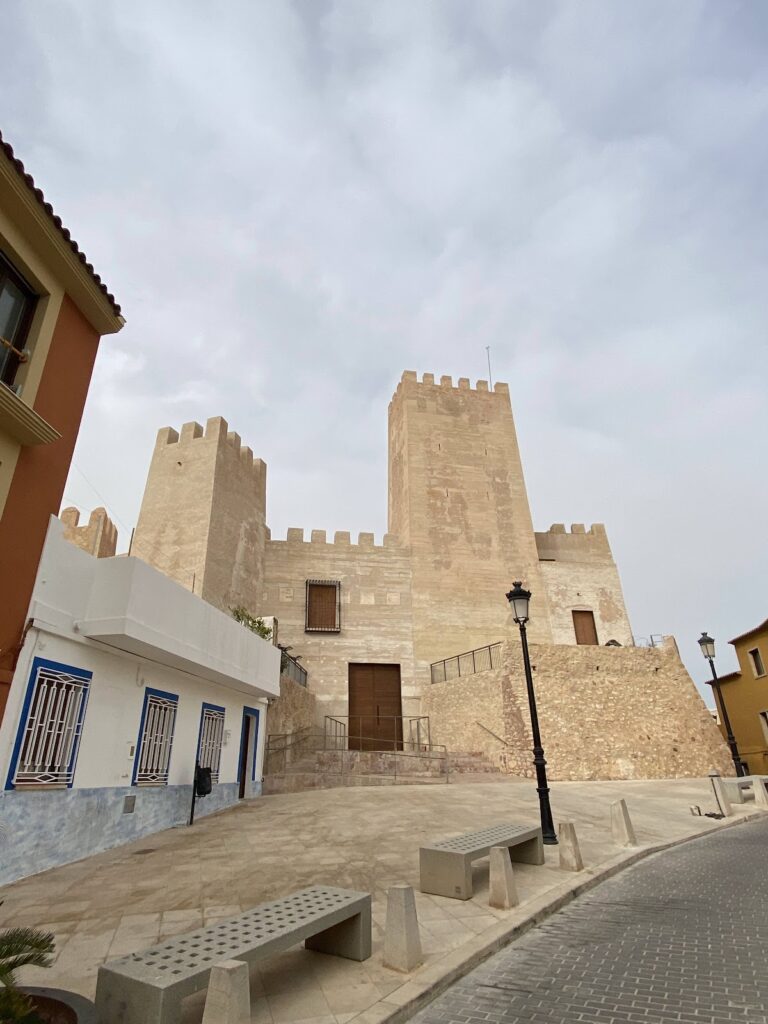
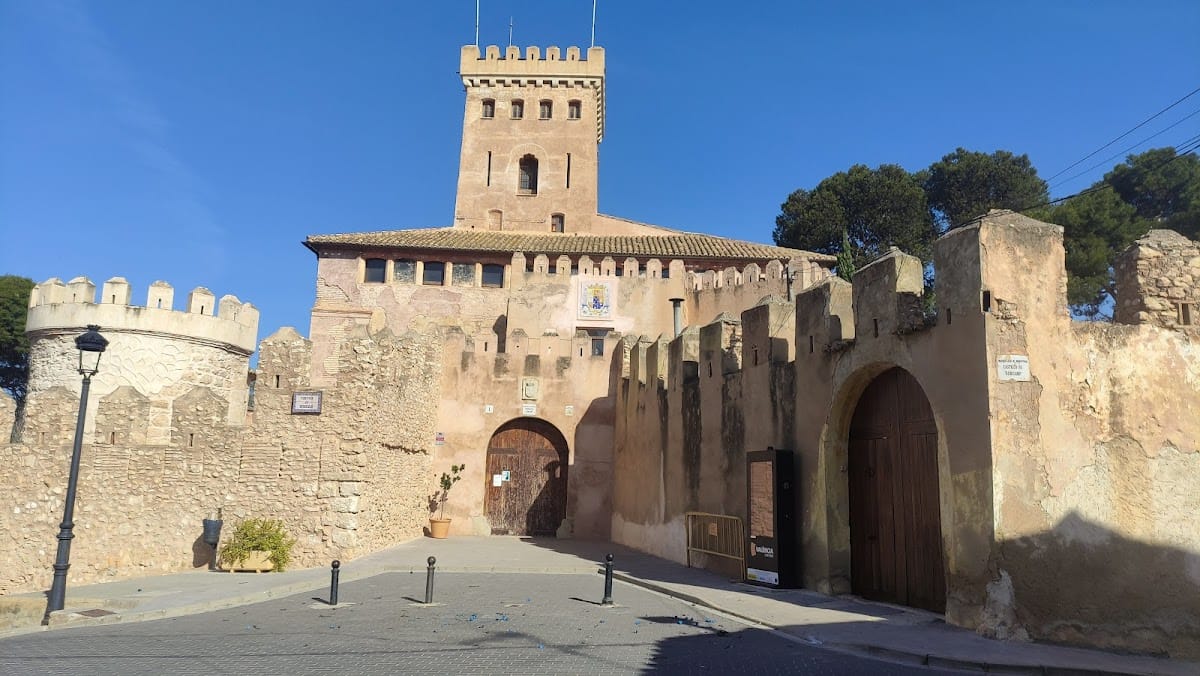
The Castle of Benissanó is a fifteenth-century castle-palace in Benissanó, Spain, built in 1467 in a medieval style for the Cavanilles and Villarrasa family, the lords of Benissanó. It rose on the site of an earlier Arab alqueria, a rural settlement or agricultural estate, and combined military defenses with the functions of a seigneurial residence.
Foundation and seigneurial residence
The castle belonged to the Cavanilles and Villarrasa family from its foundation in the second half of the fifteenth century. Its original defenses included a drawbridge and moat, while the central tower ended in a triangular point. Later renovations altered this arrangement, removing those features from the building’s original form.
The castle is also associated with the imprisonment of Francis I, king of France from 1515 to 1547. He stayed there for eighteen days as a prisoner held on behalf of Charles I, king of Spain and, as Charles V, Holy Roman Emperor. The two rulers were major rivals in sixteenth-century European politics. An inscription and heraldic decoration inside the castle refer to a legend connected with Francis I’s stay, although the form of that legend changed over time.
Nineteenth-century renovation
A renovation directed by Luis Beltrán Escrivá de Romaní in the late nineteenth century reshaped parts of the noble hall. Heraldic doors, a fireplace, a stained-glass window, and ceramic tiles were incorporated into the room during this work.
Public ownership and heritage protection
Vidal Valle acquired the castle in 1987 with the intention of turning it into a museum of contemporary art, but the project was not completed. Caja Madrid seized the property in 1994. After it was auctioned in 1996, the Valencian regional government and Benissanó Town Council purchased it jointly for 90 million pesetas, making the castle municipal public property. The mayor was Serafín Castellano and the president of the regional government was Eduardo Zaplana at the time.
The Castle of Benissanó is listed as an Asset of Cultural Interest under heritage reference RI-51-0008988. Since 2016, it has hosted the International Music Festival “Castell de Benissanó.”
Remains
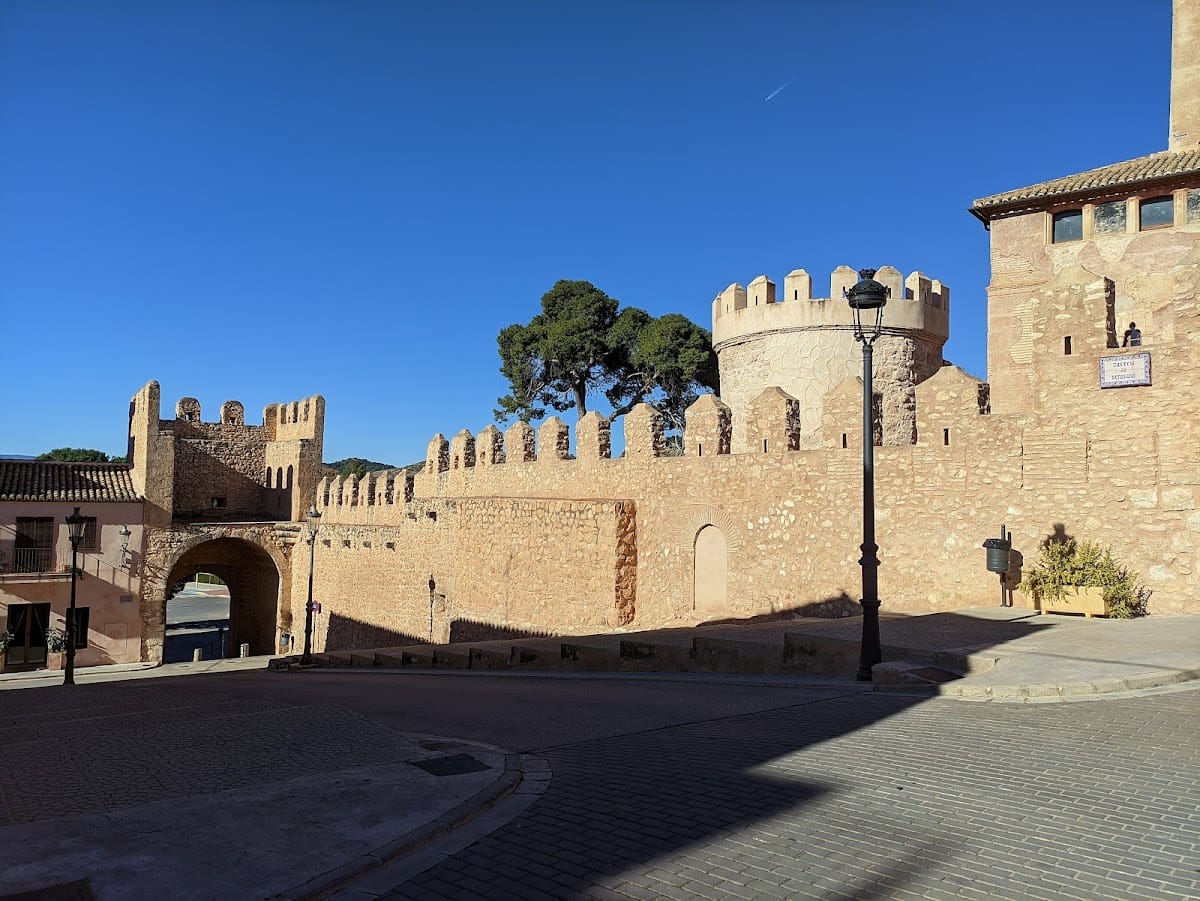
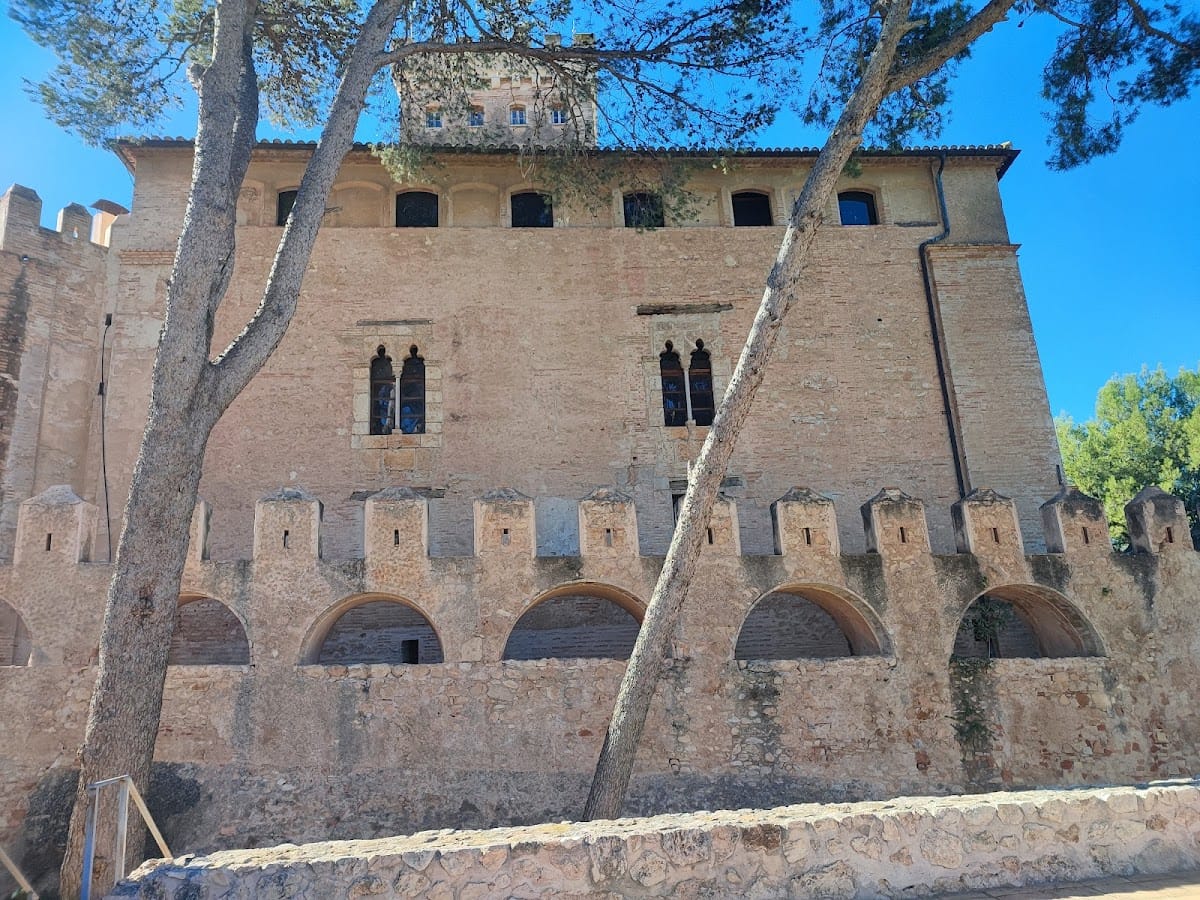
The surviving castle is a medieval-style structure built from rammed earth and masonry. Its layout includes an enclosed defensive complex, an arms courtyard, interior halls, a vestibule, former subterranean rooms now used as wine cellars, and spaces associated with the castle’s seigneurial and commemorative history.
Defensive enclosure
Walls, towers, and portals
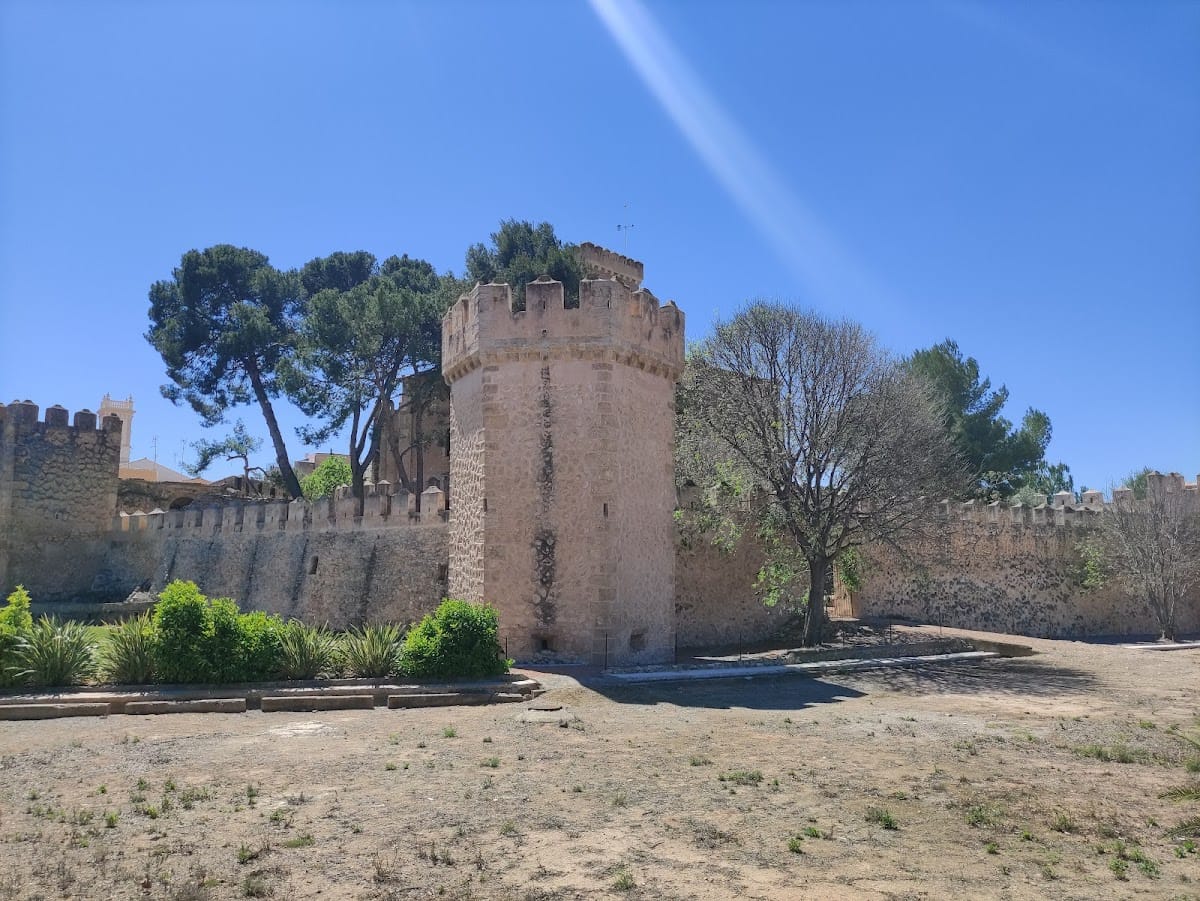
The castle formerly stood within three surrounding walls. Each wall had four evenly spaced towers, creating a layered defensive enclosure. Three portals, known as Bétera, Llíria, and Valencia, retain their original condition and form part of the surviving approach to the complex.
Courtyard and interior rooms
Arms courtyard and lower rooms
The arms courtyard forms one of the principal spaces of the castle. A vestibule gives access to the former subterranean rooms, which are now used as wine cellars. Together, these areas preserve the relationship between the castle’s defensive circulation and its service spaces.
Noble hall
The noble hall contains the decorative additions made during the late-nineteenth-century renovation. Heraldic doors, a fireplace, a stained-glass window, and ceramic tiles define the room’s surviving decoration. Its ceiling carries a frieze of alternating Cavanilles and Villarrasa coats of arms, together with the inscription “la supervía de vós matarà amos a dos.”
Francis I room
The room associated with Francis I also has a ceiling frieze made up of alternating Cavanilles and Villarrasa coats of arms. The inscription linking the room with the legend of Francis I’s imprisonment appears in this decorative context, preserving the castle’s connection with the episode and with the changing tradition surrounding it.
Tiles and ceramic decoration
Cárcer and Manises tiles
The castle contains tiles from two historically different sources. Tiles from the Cárcer workshop date from the late fourteenth century, while blue ceramics from Manises date from the late fifteenth century. Their presence brings together material from the period before the castle was built and from the period of its foundation.
Paterna socarrats
One room has a ceiling decorated with Paterna socarrats, decorated unglazed earthenware plaques associated with medieval and early-modern Valencian architecture. The plaques form part of the castle’s surviving interior decoration.