Castillo de Hornos: A Medieval Fortress in Spain


Visitor Information
Google Rating: 4.3
Popularity: Low
Google Maps: View on Google Maps
Country: Spain
Civilization: Unclassified
Remains: Military

History
The Castillo de Hornos stands in the village of Hornos, Spain, and was originally constructed by Christian forces during the medieval period. Its location within the mountainous terrain of the Sierra de Segura made it a key strategic point in the borderlands of medieval Iberia.
The origins of the castle likely date back to the 13th century, although it may have been erected atop an earlier Muslim fortress known as Hisn Furnus. This earlier citadel is mentioned in contemporary accounts from Al-Andalus, and the survival of a traditional cistern (aljibe) within the site supports the presence of a prior Islamic structure. During the 12th to 14th centuries, the region was marked by ongoing conflict between Christian and Muslim kingdoms, and the castle was part of a larger defensive network designed to monitor and defend the frontier.
In 1239, King Fernando III formally granted the castle to the Master of the Order of Santiago, a military and religious order that played a significant role in the Reconquista. The order maintained the fortress as a military stronghold and refuge for the local population. Historical descriptions from the 16th century, including those by Francisco de León and by King Felipe II in 1575, provide detailed accounts of the fortress’s condition and importance at that time.
By the 20th century, the castle had fallen into disrepair and was largely in ruins. Restoration efforts began in the early 1970s, led by architect Luis Berges, though they were interrupted before completion. Work resumed in 2006 and was fully concluded by 2011, leading to renewed use of the site, especially from 2012 onward.
Remains
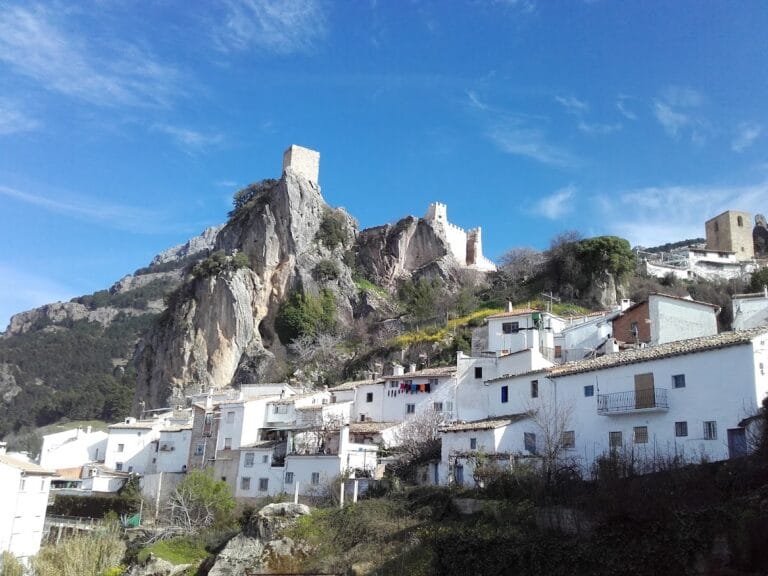
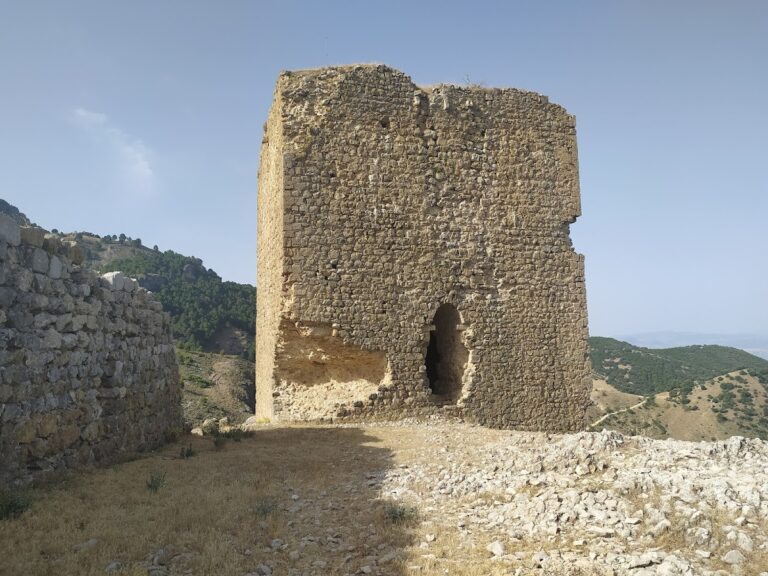
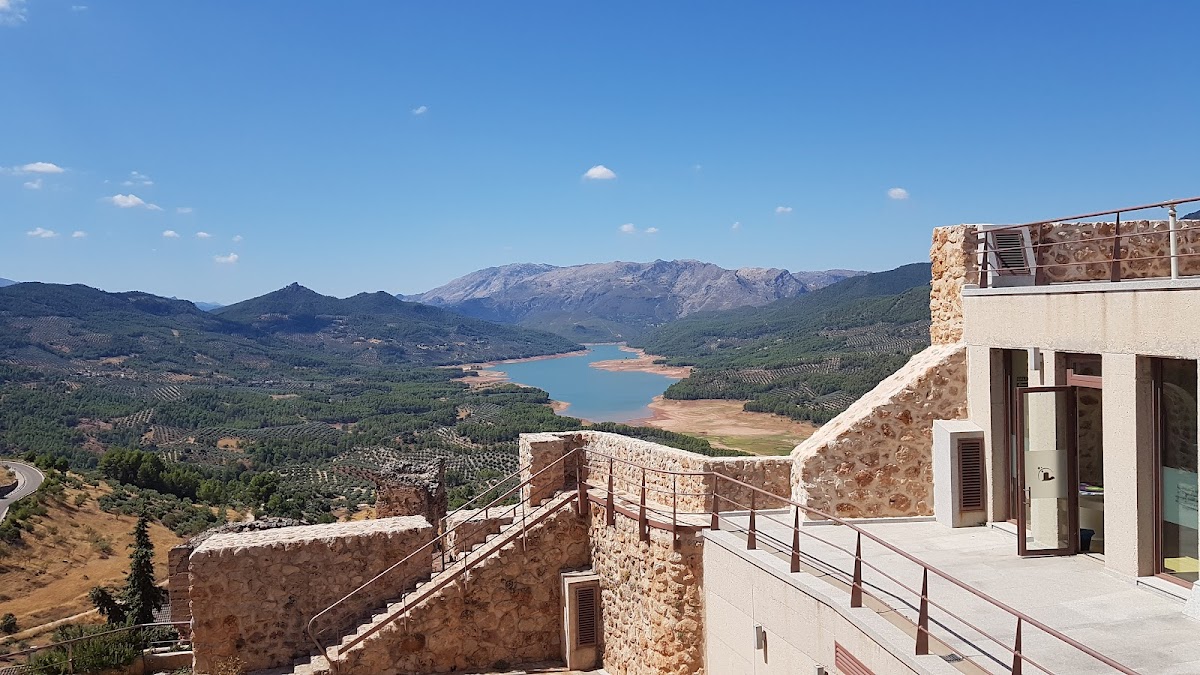
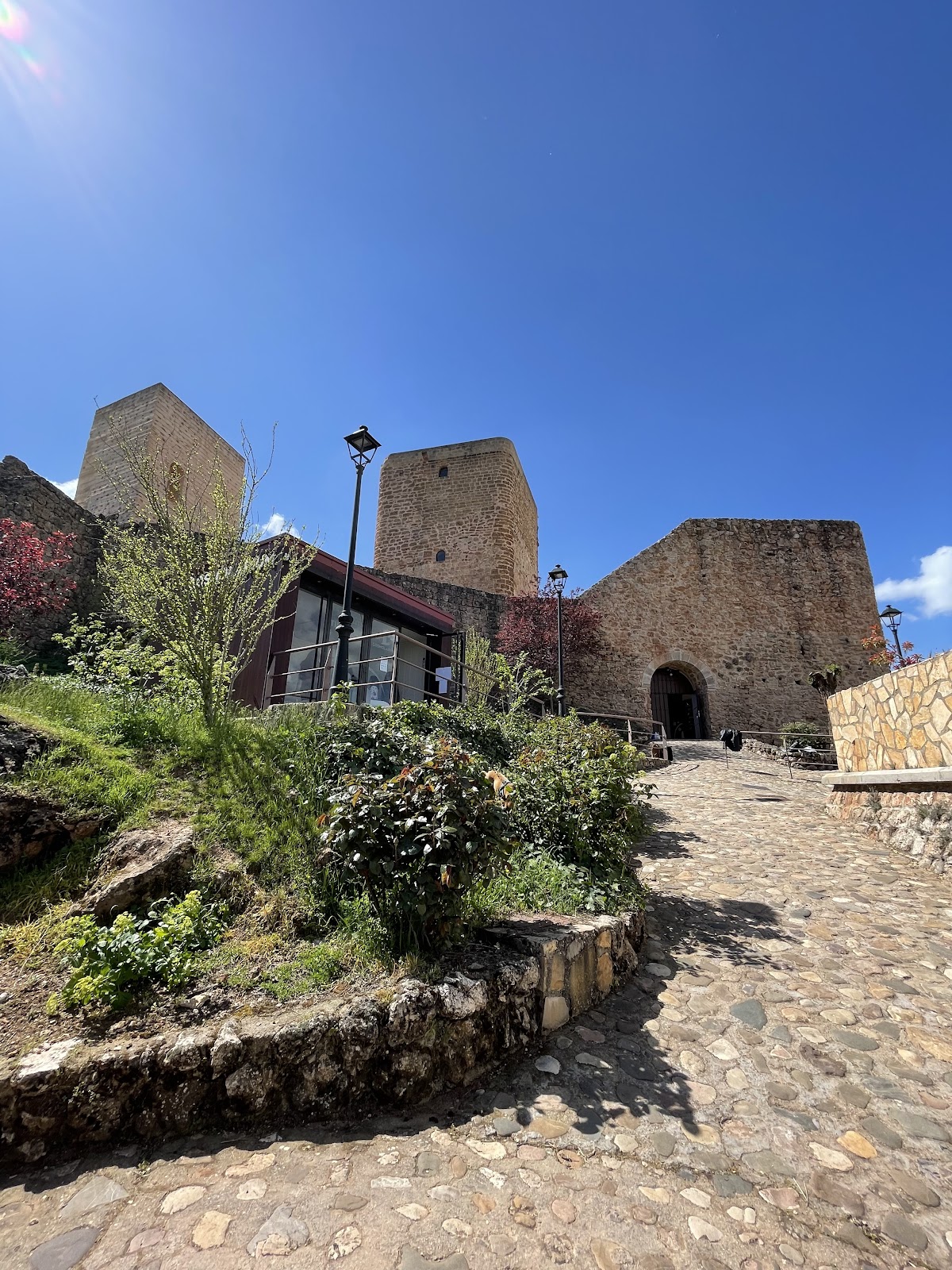
The Castillo de Hornos is perched atop the tallest rocky hill overlooking the village, its position chosen to command extensive views of the surrounding landscape. The fortress’s main enclosure has a roughly trapezoidal shape, constructed entirely from small masonry stones, a technique known as mampostería menuda. This method creates sturdy walls using irregularly sized stones carefully set in mortar.
Attached to the northwest curtain wall is the castle’s keep, or Torre del Homenaje, a square tower measuring approximately 8.6 meters on each side, notable for its rounded corners—a design typical of constructions affiliated with the Order of Santiago. This tower contains an aljibe, a deep cistern used to collect and store rainwater, highlighting continuity with the castle’s possible Muslim origins. Above this water reservoir, there are two vaulted chambers stacked one above the other, which would have served both defensive and residential functions.
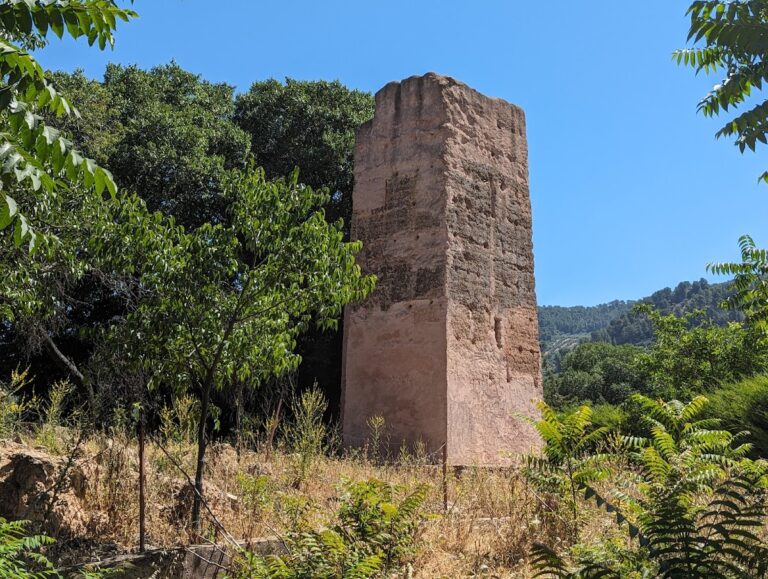
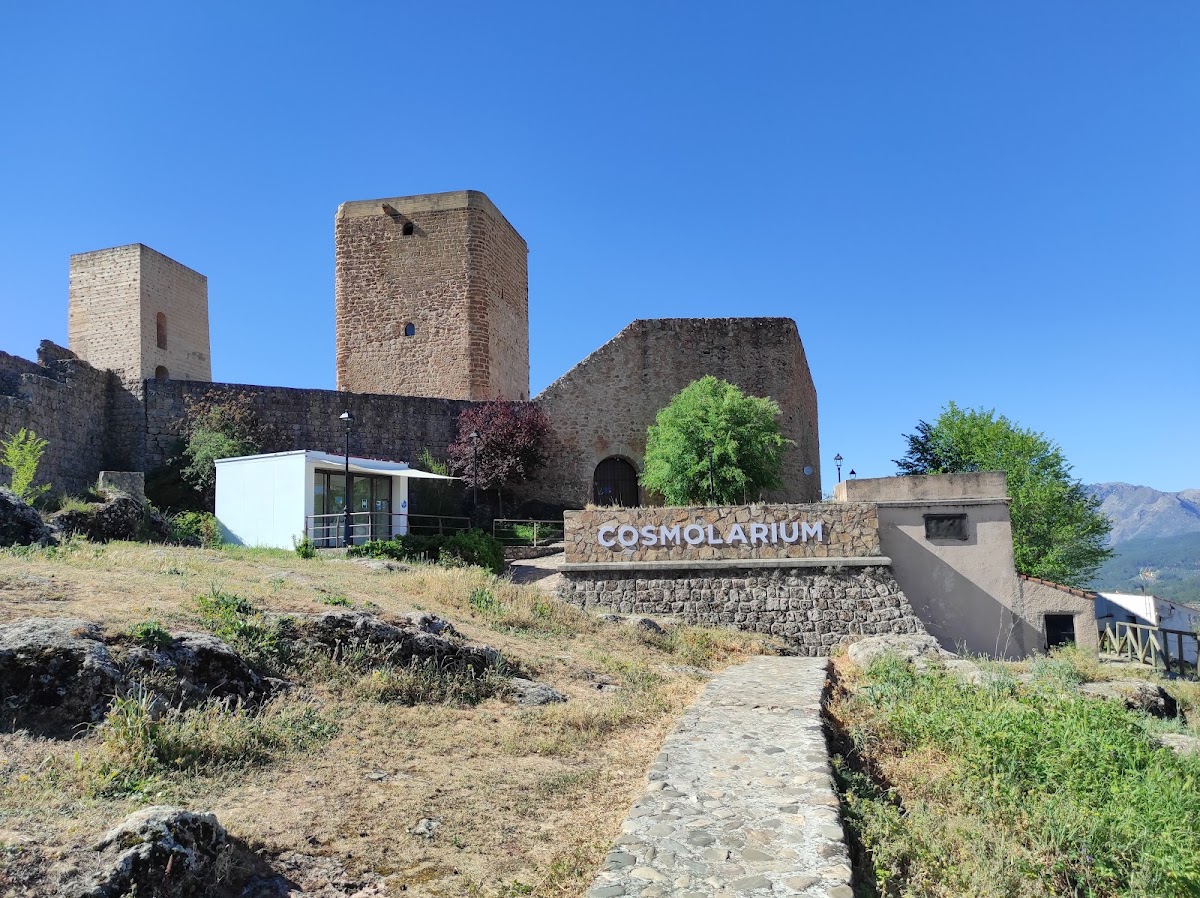
Three additional towers align along the northwest defensive wall. While two of these stand outside the main enclosure, they are linked to the fortress by a defensive wall, suggesting an extended perimeter designed to enhance protection and surveillance. The upper terrace of the keep now contains a small observatory, reflecting the modern adaptation of the tower’s original lookout function for astronomical observation.
Overall, the castle has undergone significant restoration, preserving structural elements that provide insight into medieval military architecture and the layered history of this frontier stronghold.
Nearby sites