Castell de Sant Esteve de Mar: A Historic Coastal Fortress in Palamós, Spain



Visitor Information
Google Rating: 4.4
Popularity: Low
Google Maps: View on Google Maps
Official Website: www.visitpalamos.cat
Country: Spain
Civilization: Unclassified
Remains: Military

History
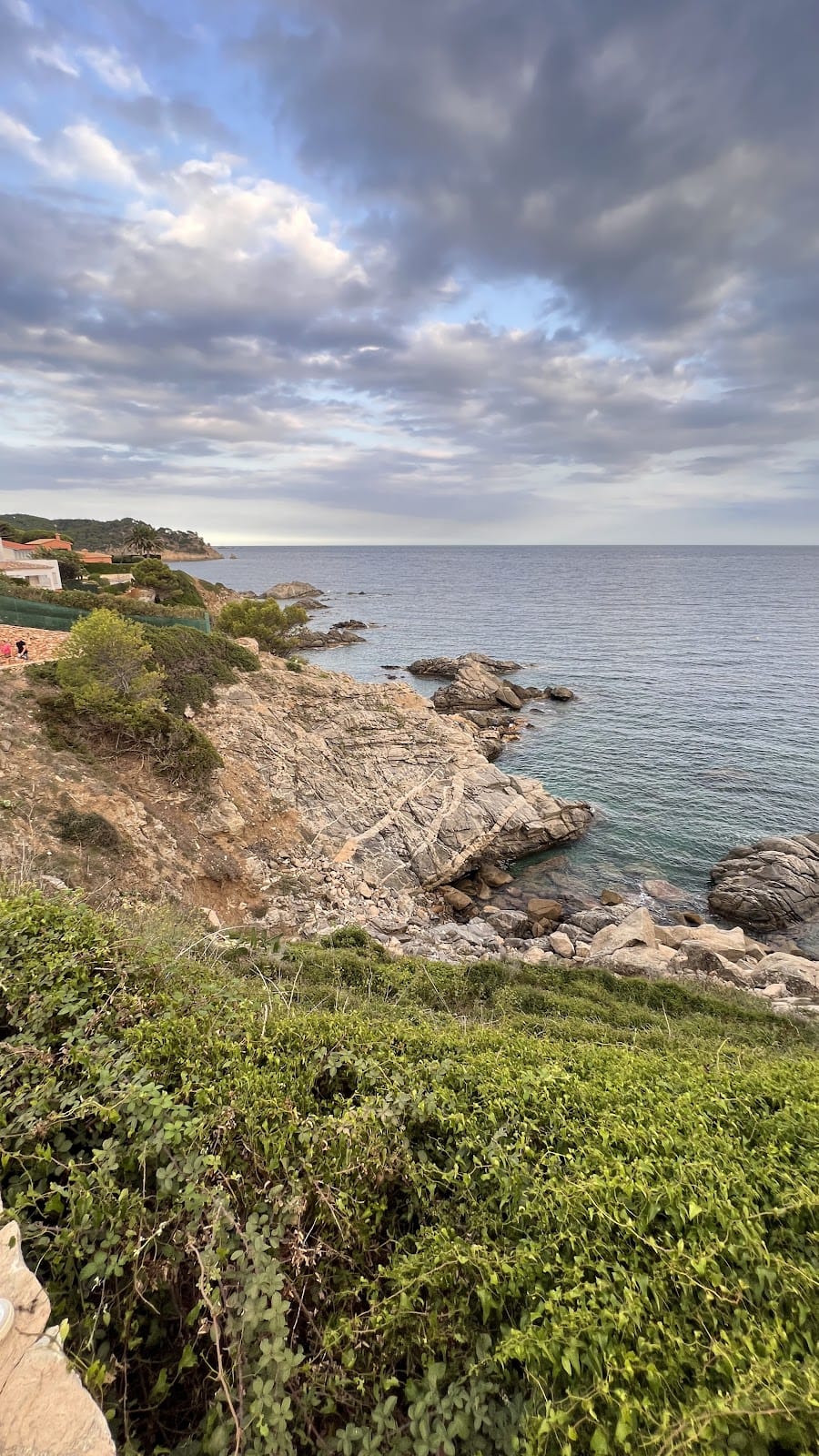
The Castell de Sant Esteve de Mar stands on a cliff overlooking the coast in the town of Palamós, Spain. It was constructed during the 12th century atop the remains of an earlier Roman villa, which itself was built over an older Iberian settlement.
The earliest documentary reference to the site appears in 1063, when two castles were mentioned, one named “Sanctus Stephanus de Peculiare,” associated with the monastery of Sant Pere de Galligants. The castle emerged as a focal point for local power in the medieval period. In 1277, Dalmau de Palol sold the castle and the surrounding lands to King Peter II of Barcelona, also known as Peter III of Aragon, for 7,500 sols barcelonins. This transaction aimed to establish the royal port of Palamós, marking a shift in the site’s strategic and economic importance.
Over the following centuries, the castle passed through the hands of various feudal lords. Among them were Simon de Geronella, Jaume de Cornellà, and Bernat Pallarès along with his son Pere Pallarès. The last private owner before the 15th century was Berenguer de Cruïlles, who purchased the castle for 20,000 sols barcelonins. Later, in 1484, the fortress became property of Galceran de Requesens, the first count of Palamós.
During the 15th-century War of the Remences, a peasant revolt in Catalonia, the castle suffered near destruction and was subsequently abandoned. It remained unused until the 16th and 17th centuries when the ruined fortress was adapted as a masia, or farmhouse. Despite its agricultural function, the site maintained a military role, serving as a lookout and coastal defense point against North African pirates and corsairs threatening the Palamós area.
Responsibility for guarding the site was shared among the local parishes of Palamós, Vila-romà, and Vall-llobrega, who collectively financed gunpowder, artillery, and repair works. Records from 1568 document expenses for maintenance, while guards were still posted regularly around 1650. This dual function—both agricultural and military—continued until the late 18th century. Although pirate raids had faded, the castle’s strategic position remained vital to monitor threats such as English naval ships, smugglers, and potentially plague-infected vessels. Eventually, the defensive duties ceased, leaving only farming onsite.
The farmhouse remained occupied until the middle of the 20th century. After its abandonment, exposure to harsh coastal weather and its remote position led to gradual deterioration. In 2009, ownership of the site transferred to the town of Palamós. A collaboration between the Catalan government and La Caixa bank launched the “Programa Romànic Obert,” aimed at consolidating and preserving the ruins. Between 2011 and 2015, extensive clearing, surveying, debris removal, and structural stabilization work were carried out to secure the remaining masonry.
Remains
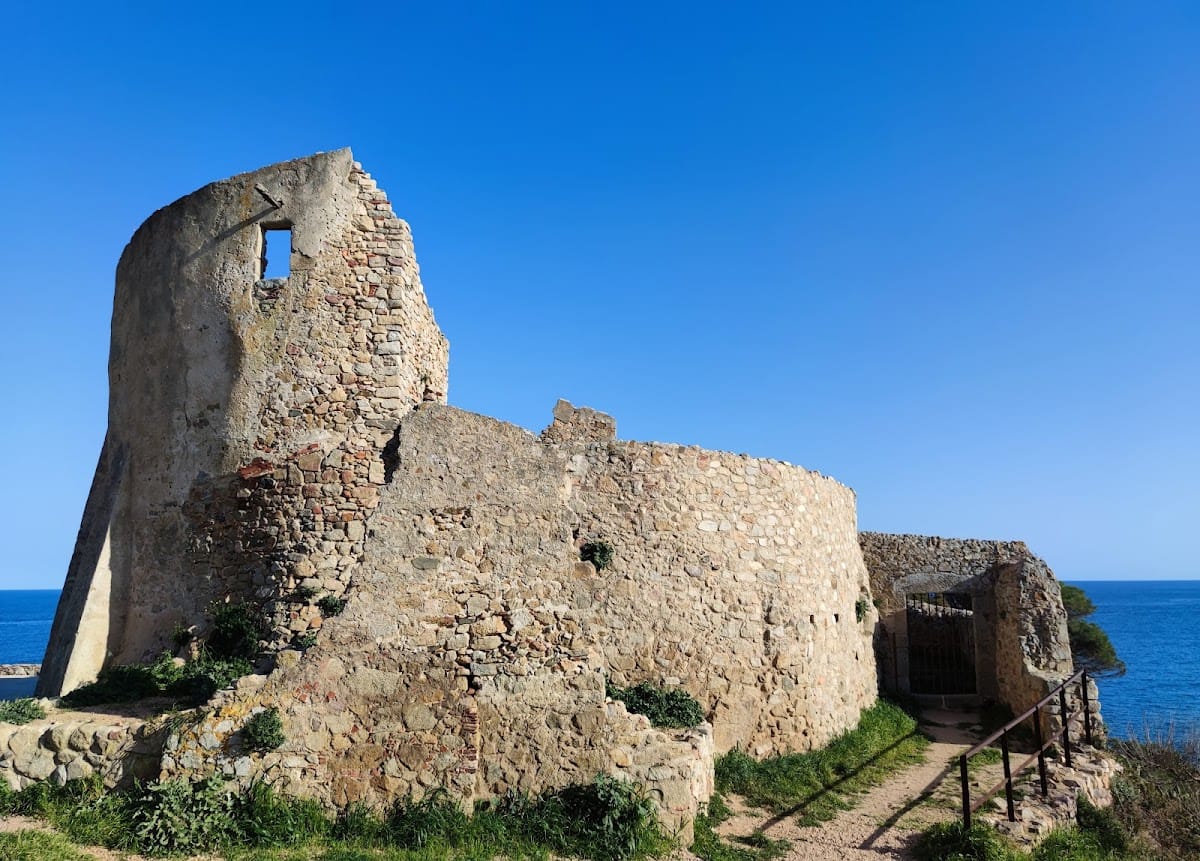
The ruins of Castell de Sant Esteve de Mar reveal the footprint of a fortified complex with several rectangular towers and connecting walls. The remains are accessed by a path leading from La Fosca beach, providing a glimpse into the castle’s original layout and defensive nature.
On the eastern side, part of a low rectangular tower stands partly hewn from the natural rock of the cliff. This tower extends up to the point where a vaulted ceiling would have begun, referred to as the springing of a vault. Behind this structure is a slanted wall reaching about five meters high, indicating strong defensive fortifications.
North of this wall lies another rectangular tower with a plan similar to the eastern one but maintained level with the height of the wall rather than rising above it. To the south, a tower constructed using larger stones suggests a later addition or reinforcement phase in the castle’s history.
Adjacent to the farmhouse ruins, which were built against the remains of the old fortress, another tower of similar rectangular shape is preserved. The original gateway to the fortified enclosure has been altered and obscured by the structures of the later farmhouse, reflecting the changing use of the site over time.
Archaeological evidence beneath the castle includes pottery fragments and floors made with opus signinum, a type of waterproof Roman mortar, confirming the presence of an earlier Roman villa. These findings indicate a long history of occupation before the medieval fortifications were constructed.
Today, the ruins are fenced off to restrict access, and the recent consolidation efforts have focused on stabilizing the extant walls and removing accumulated debris. This work helps preserve the visible remains while highlighting the site’s layered history from Iberian settlement through Roman villa to medieval castle and later farmhouse.
Nearby sites