Lappa: An Ancient City in Western Crete

Visitor Information
Google Rating: 4.4
Popularity: Low
Google Maps: View on Google Maps
Country: Greece
Civilization: Byzantine, Greek, Roman
Remains: City

History
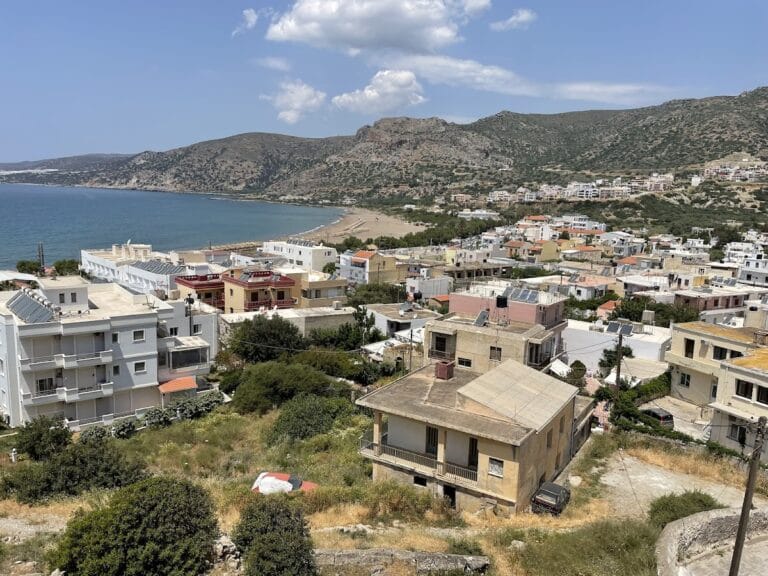
Ancient Lappa was situated in western Crete near the modern town of Argyroupoli. Its origins trace back to the Geometric period, marking it as a settlement with deep historical roots. The city remained inhabited through the Roman era, reflecting continuous development over many centuries.
According to myth recorded by the ancient scholar Stephanus of Byzantium, Lappa was founded by the legendary Greek king Agamemnon. The city’s name is said to derive from a man of Tarrhaean origin. The geographer Strabo noted that Lappa held control over the nearby port of Phoenix.
During the Hellenistic period, Lappa played a role in regional conflicts. The historian Polybius recounts that after the city of Lyktos was destroyed by Knossos, its inhabitants sought refuge in Lappa. Later, during the Roman conquest of Crete, the city suffered near destruction, as described by Dio Cassius. However, it was rebuilt and rewarded by Emperor Augustus for supporting him against Marcus Antonius, receiving special privileges.
In the Christian era, Lappa became an episcopal center. Its bishop participated in important early church councils, including those held at Ephesus in 431 and Chalcedon in 451. This highlights the city’s continued religious and administrative importance during late antiquity.
Lappa also issued its own coins, featuring images of emperors such as Augustus. These coins bore inscriptions honoring the emperor and displayed maritime symbols, reflecting the city’s coastal connections and political affiliations.
Remains
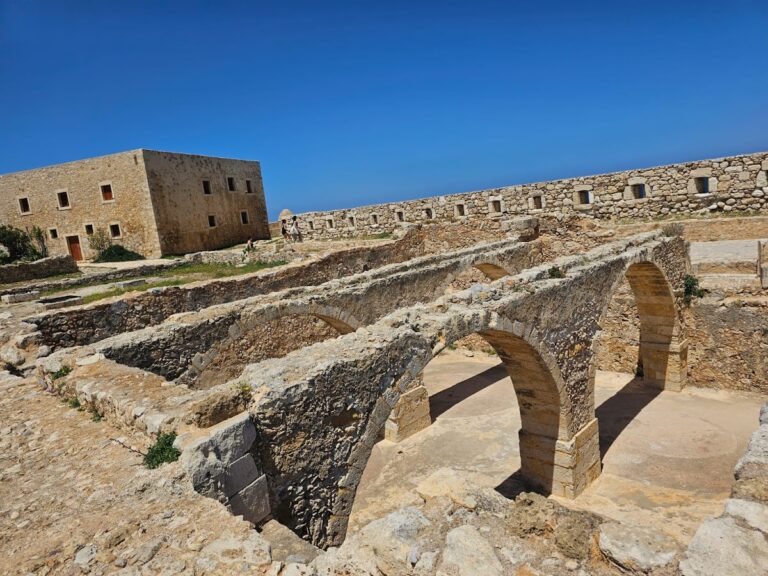
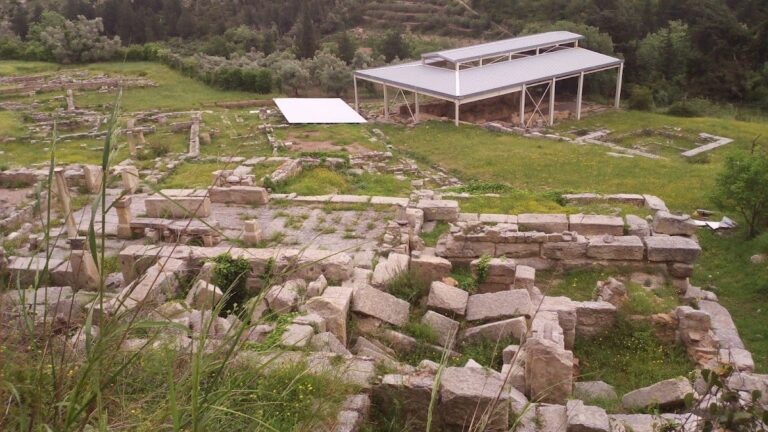
The archaeological site of ancient Lappa reveals a variety of structures built with different techniques, illustrating the city’s long occupation. The remains spread across the area of modern Argyroupoli show a well-developed urban layout.
One prominent feature is a large brick building supported by massive buttresses about 15 feet wide and projecting 9 feet outward. This substantial construction suggests a building of importance, possibly public or administrative, dating to the Roman period.
Nearby stands a circular structure measuring 60 feet in diameter. It contains niches around its interior walls, each approximately 11 feet wide. The purpose of this building is not explicitly stated but its design indicates a specialized function, possibly religious or communal.
A large cistern measuring 76 by 20 feet was uncovered, likely used for water storage. Its size and construction demonstrate the city’s efforts to manage water supply effectively.
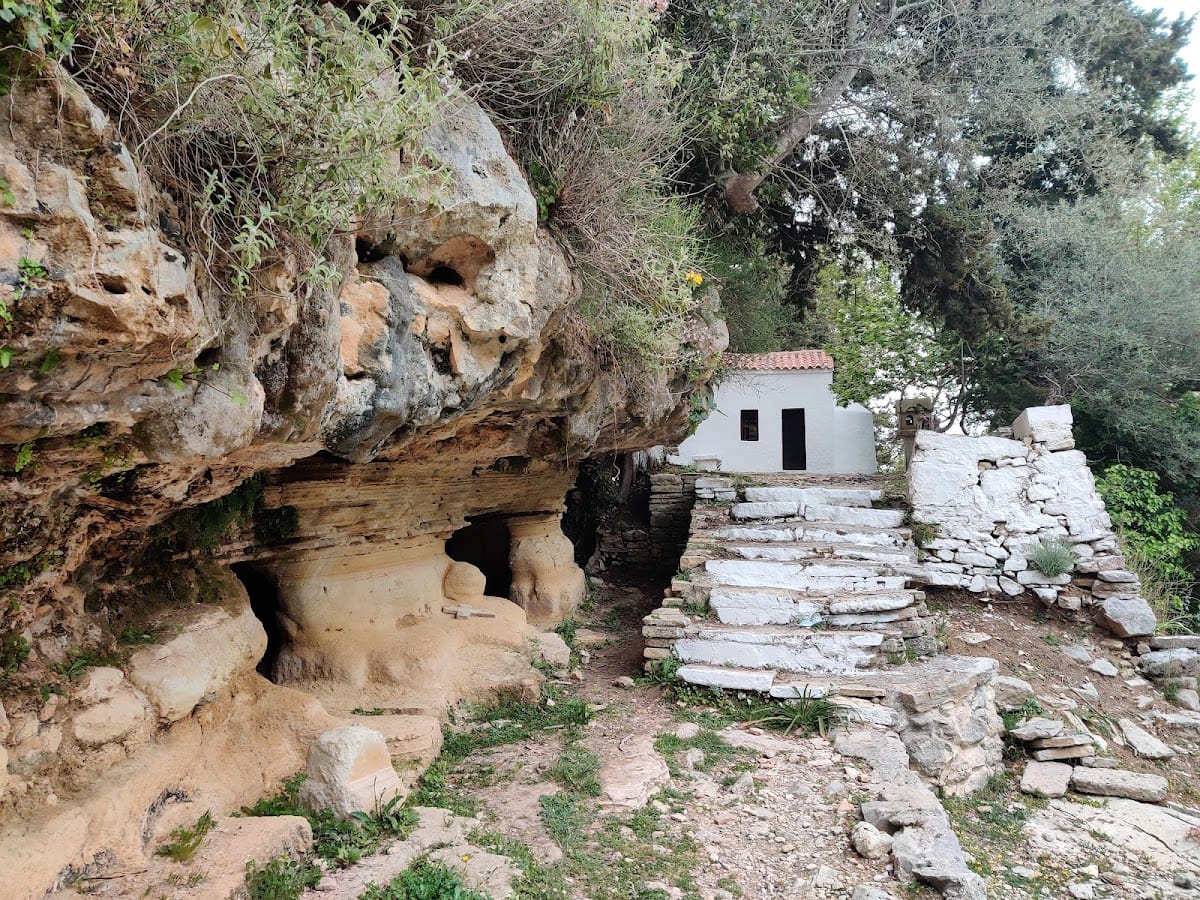
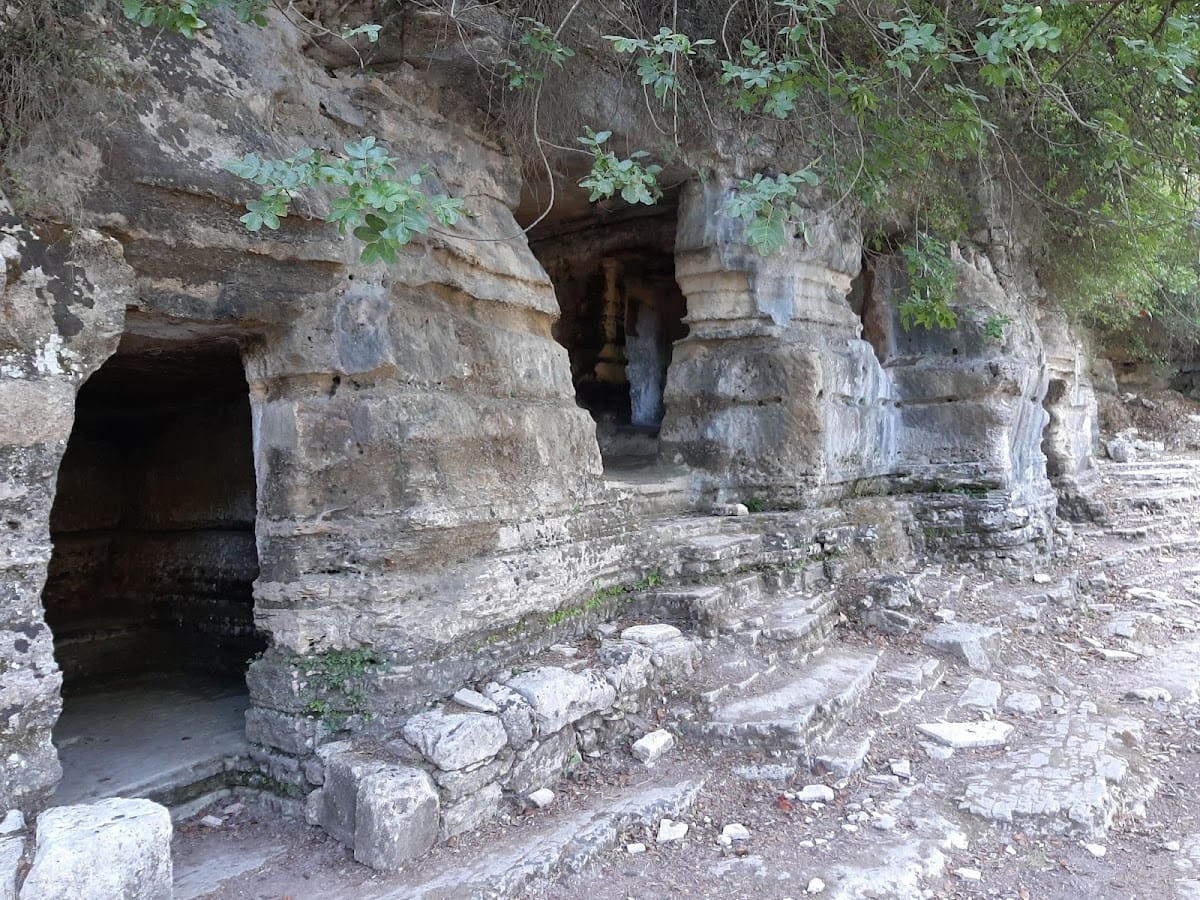
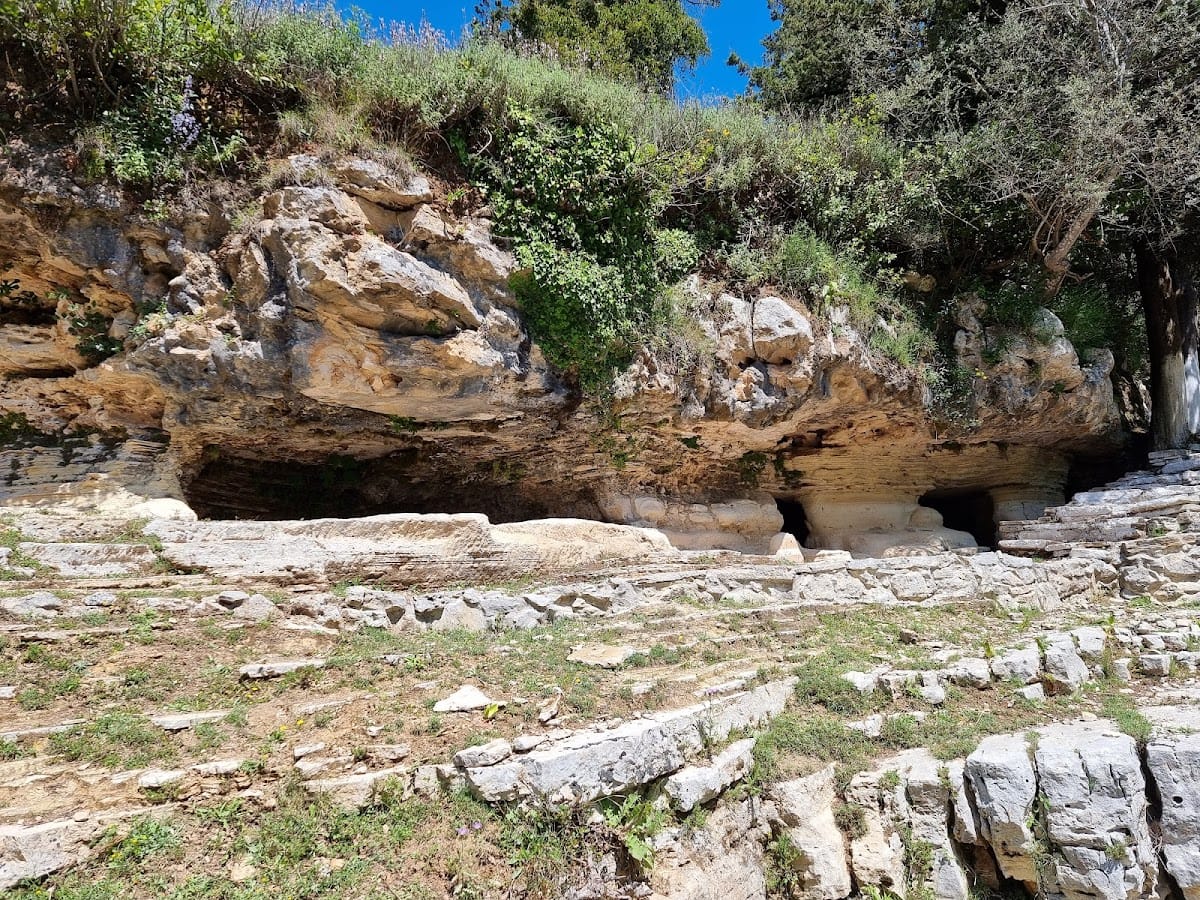
Additional remains include a Roman brick building and several tombs carved directly into the rock. These rock-cut tombs reflect burial practices and the use of natural features in funerary architecture.
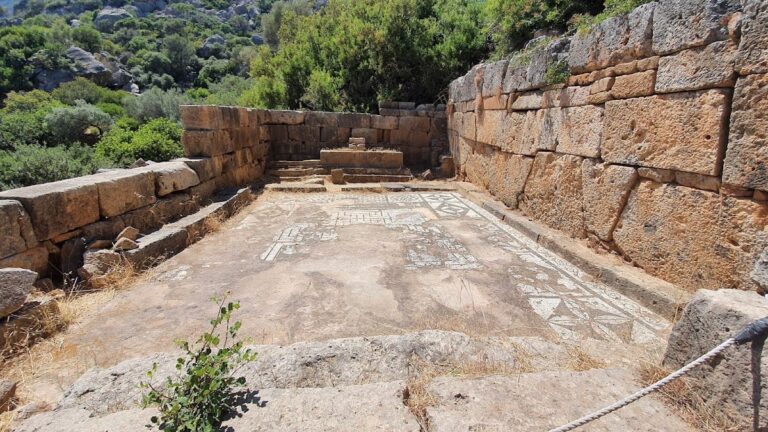
Excavations have also revealed Roman baths and decorative mosaics, indicating public amenities and artistic expression during the Roman era. Statues of deities such as Aphrodite, Zeus, and Dionysus were found, along with inscriptions honoring individuals like Marcus Aurelius Clesippus, who was commemorated with a statue by the citizens of Lappa.
A recently excavated Roman cemetery in the area known as the Five Virgins yielded numerous valuable artefacts, including marble statues and a small bronze figure. Many of these finds are now preserved in the Archaeological Museum of Rethymno.
In the 19th century, the traveler Robert Pashley documented these remains, describing the large brick building with buttresses, the circular structure with niches, the cistern, and rock-cut tombs. His records provide early evidence of the site’s extensive and varied archaeological features.
Nearby sites