Castle of Paleochora: A Venetian Fortress in Crete
Site at a Glance
- Rating
- 4.4
- Popularity
- Low
- Country
- Greece
- Primary era
- Early Modern
- Eras represented
- Medieval, Early Modern
- Civilizations
- Ottoman, Venetian
- Site type
- Military
- Remains
- Castle
On this page5 sections
History
The Castle of Paleochora is a Venetian fortress in Greece, built in 1282 on the island of Crete to protect the southern coast and the maritime route to North Africa. The Republic of Venice controlled Crete when Marino Gradenigo, its official governing the island, ordered the construction. For a long period, the castle was the only fortification in this part of Crete, although it was not regarded as a particularly important stronghold.
Venetian Foundation and Revolt
The name Selino probably came from the celery that grew abundantly in the surrounding area. It later became the name of the wider region, now part of the Municipality of Kantanos-Selino. In 1332, Cretan rebels led by Vardas Kallergis seized the fortress. They killed its castellan, the official responsible for administering and defending the castle, Ermolaos Velenios, along with his family and troops. Venetian forces recaptured Paleochora in 1334.
Ottoman Conquest and Later Venetian Reconstruction
Hayreddin Barbarossa, an Ottoman admiral and corsair, conquered the fortress for the Ottoman Empire in 1539. The Ottoman Empire was the imperial state that later administered Crete. Venetian forces rebuilt the castle in 1595 and 1596 under the direction of Benetto Dolfin, a Venetian official.
The Ottomans occupied the fortress in 1653. During Ottoman rule, it was used less frequently. Part of its fortifications was restored in 1867, and the castle served in part as a watchtower. The Castle of Paleochora is designated an archaeological site of Greece.
Remains
Fortress Layout and Surviving Buildings
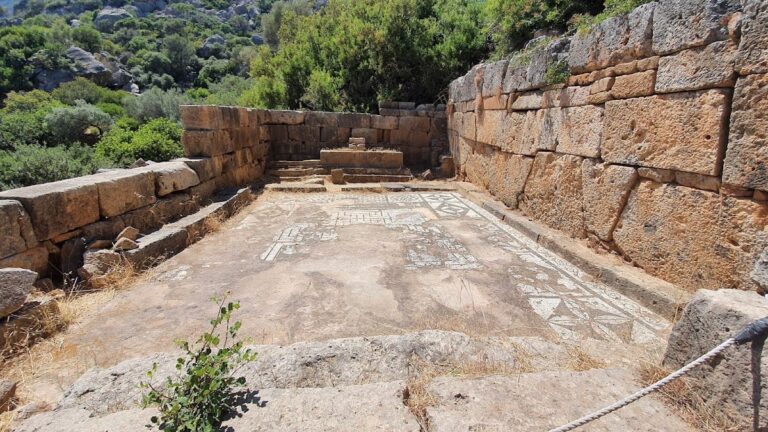
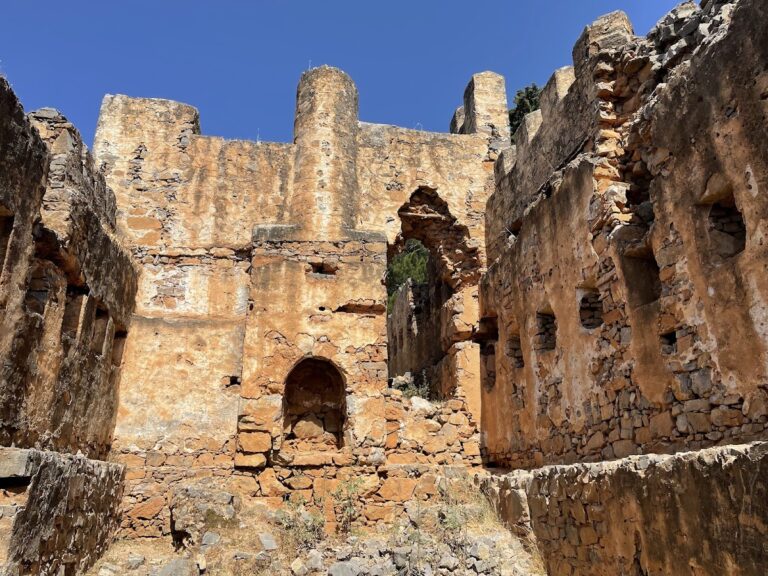
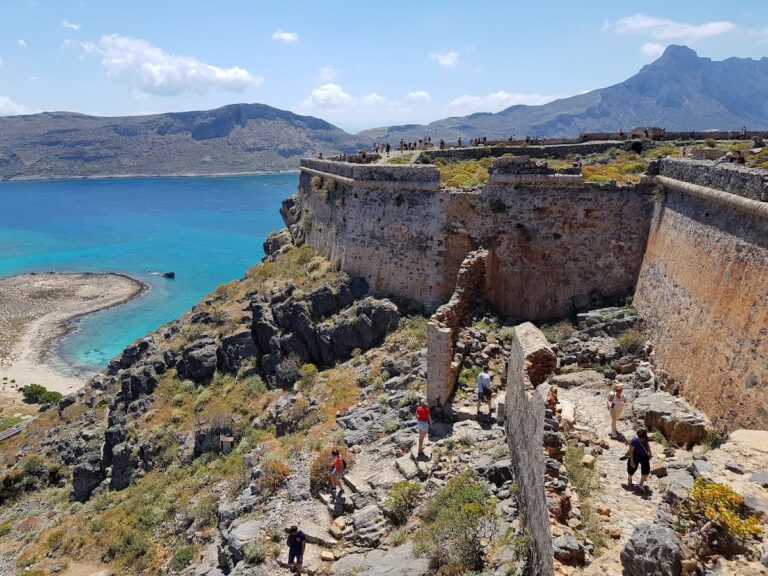
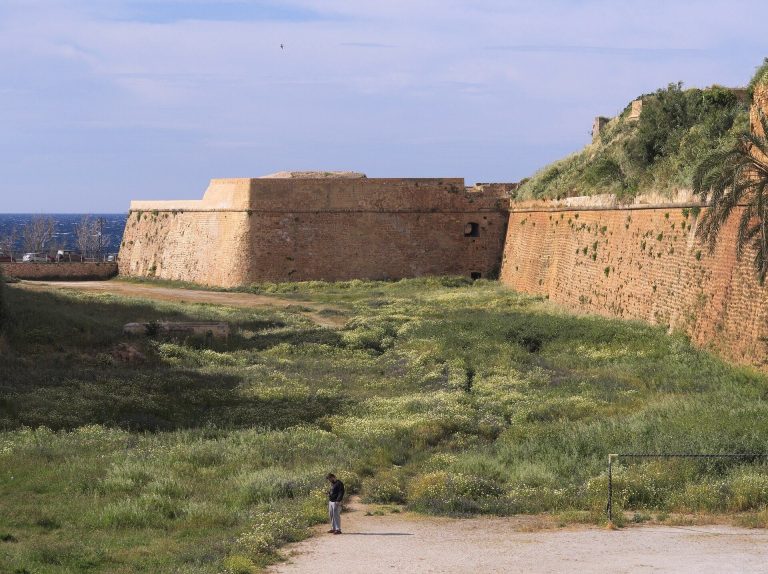
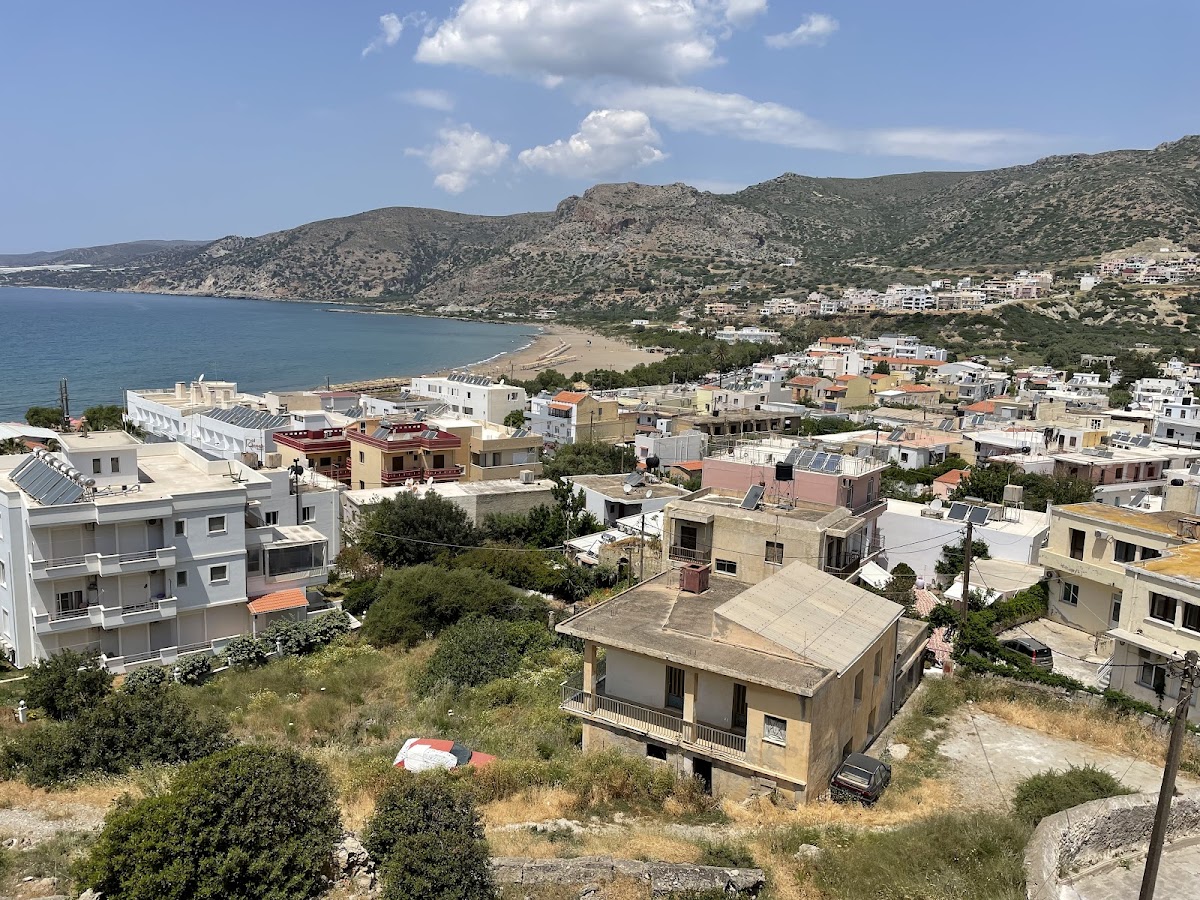
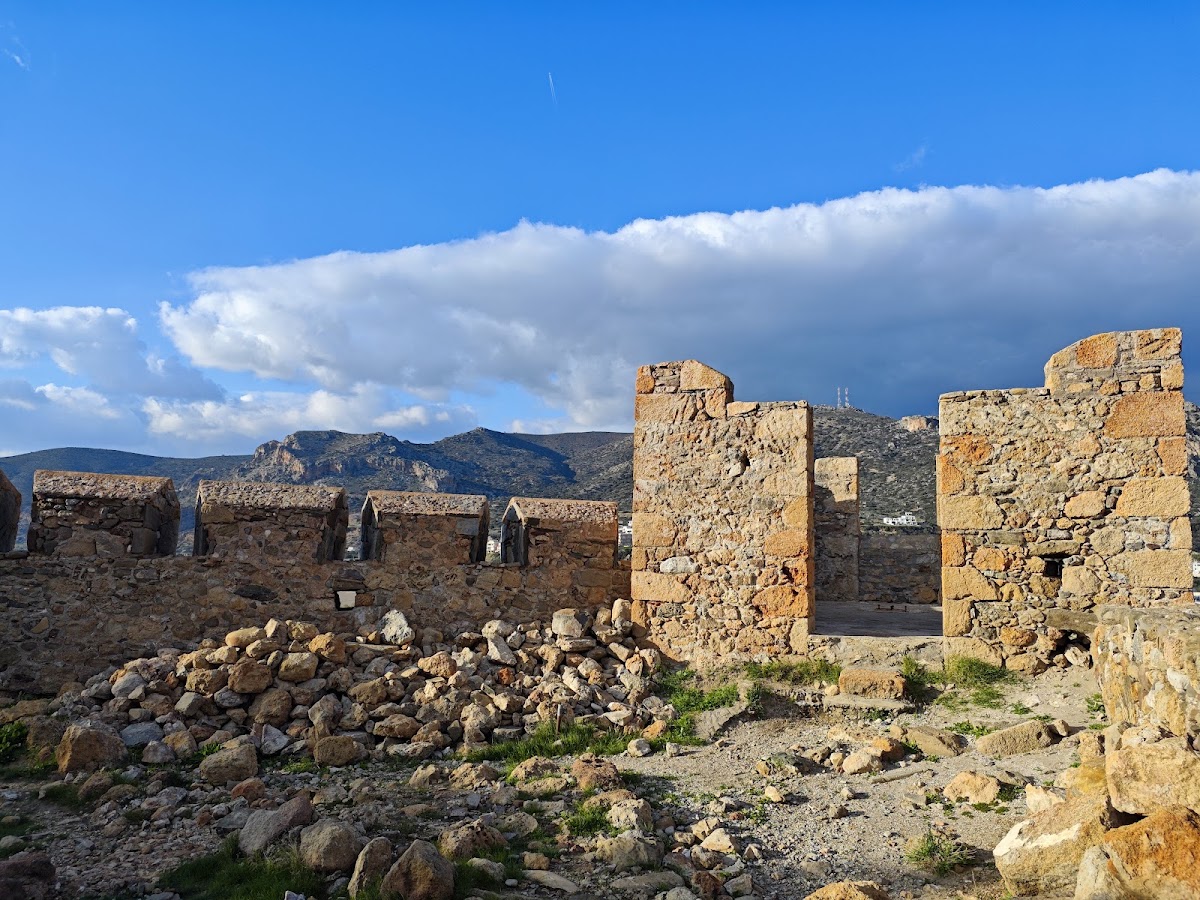
The castle occupies a promontory immediately southwest of Paleochora village, at approximately 20 metres above sea level. Its plan was approximately square or rectangular, with two towers along the southern side and one tower along the northern side. The surviving remains are ruins, and the visible structures mainly belong to building phases from the Ottoman period.
The fortress included buildings for the garrison, residences for officials, barracks, small water reservoirs, and a small church. Two of its towers survive in ruined form, forming the principal remaining elements of the fortifications.