Château de Sauvebœuf: A Seventeenth-Century Château in France

Site at a Glance
- Rating
- 4.5
- Popularity
- Low
- Country
- France
- Primary era
- Early Modern
- Eras represented
- Medieval, Early Modern
- Civilizations
- French
- Site type
- Domestic
- Remains
- Castle
On this page10 sections
History
Château de Sauvebœuf is a seventeenth-century château in France, located in northern Aubas in the Périgord Noir on the left bank of the Vézère. Built in the Louis XIII style, a French form combining late Renaissance elements with early Baroque features, it grew from a medieval residence beside an important river crossing.
Medieval origins and Renaissance rebuilding
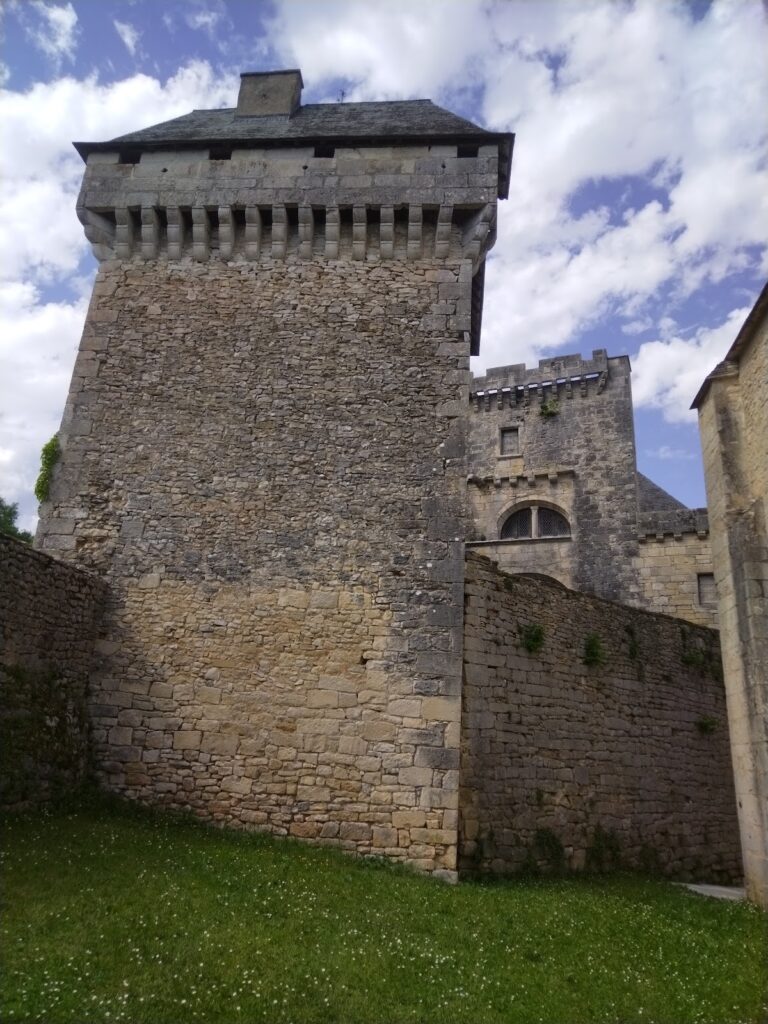
A first château was recorded in 1365 as Hospitium de Sauvebuo. The Ferrières family built it near a ford on the Vézère, along the road linking Montignac and Terrasson. In 1600, Jehan III de Ferrières renovated the building in the Renaissance style. At that time, the complex formed a square around a central courtyard, with residential buildings, corner pavilions, and defensive wall walks enclosing its eastern, southern, and western sides.
Destruction and reconstruction
The château was destroyed in 1633 on the orders of Cardinal Richelieu, the chief minister of Louis XIII, after its owner fought a duel. Marie d’Hautefort, a noblewoman connected with the king’s court, intervened with Louis XIII. Charles-Antoine de Ferrières, Marquis of Sauvebœuf, then rebuilt the château in 1636 and 1637, possibly using plans by Nicolas Rambourg, the architect associated with Château de Hautefort.
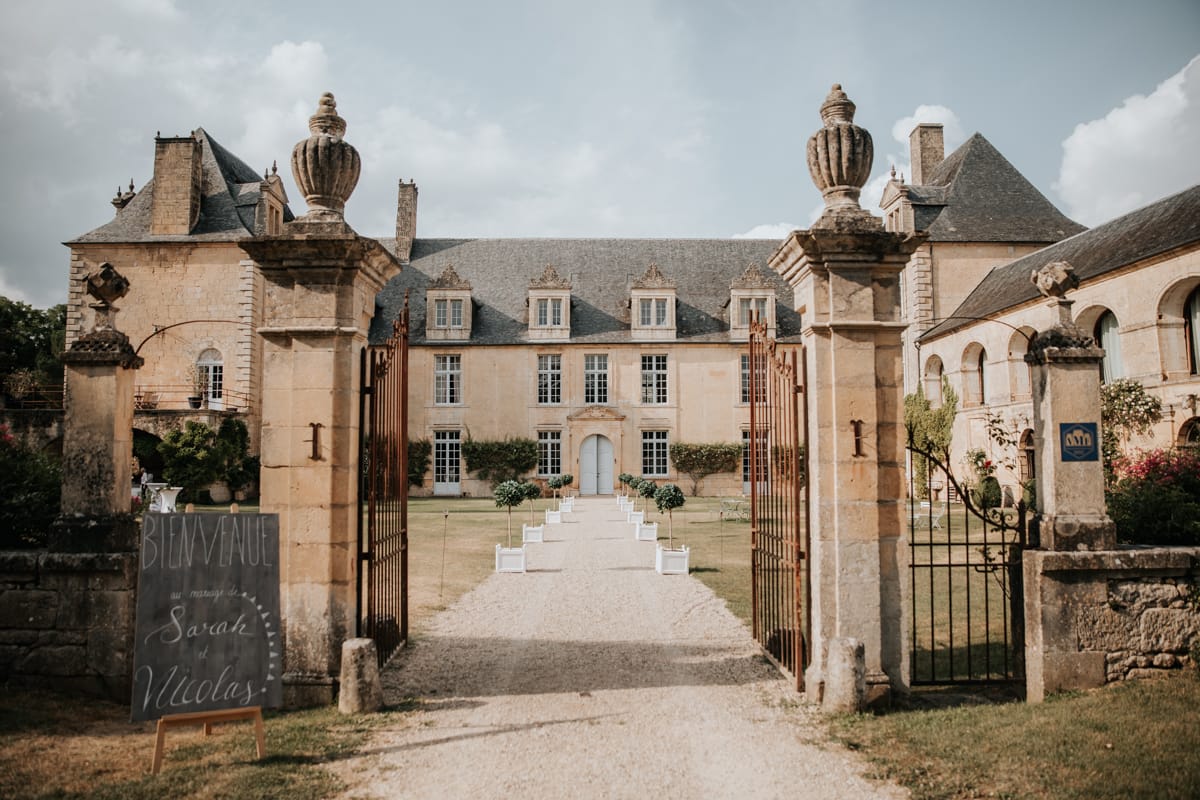
The reconstruction replaced the earlier wall walks with service buildings. The resulting château followed the Louis XIII style and was described as being built in the same style as the Palais du Luxembourg in Paris. Its elongated residential block faced the Vézère and was framed by pavilions with dormer-windowed roofs.
Aristocratic ownership and later transformations
In 1743, the château passed to Victor Riqueti de Mirabeau after his marriage to Marie Geneviève de Vassan, widow of François de Ferrières, Marquis of Sauvebœuf. Victor’s son, Honoré Gabriel Riqueti, Comte de Mirabeau, spent part of his youth there and was temporarily exiled to the château.
The Mirabeau family removed the western-wing stable during the eighteenth century. In the nineteenth century, the Chassagnac family demolished the southern wing. The Oberkampf family acquired the property in 1891 and carried out major restoration before selling it in 1927. The château was subsequently used as an agricultural estate until 1975, then abandoned until Claude Douce purchased it in 1987.
Protection and restoration
On 2 July 1987, the façades, roofs, pigeon house, roof framework, and enclosure of the main courtyard received protection under France’s monument historique system, which safeguards buildings and sites of historical or architectural importance. After restoration, protection was extended to the entire château on 9 October 2009. In April 2013, Claude Douce opened the château and a substantial private museum that included a major collection of prehistoric objects.
The name Sauvebœuf may come from saouvestous, meaning “isolated” or “deserted,” combined with bos, meaning “wood.” This would give the name the sense of a wooded, deserted, and unsafe place. A local legend tells of Alice, the lord’s daughter, who was betrothed to the lord of Montignac but loved the lord of Losse. After her beloved died fighting against the infidels during the Crusades, she allegedly threw herself into the Vézère. The story says that her body was carried downstream below Château de Losse and that she later returned to haunt the surroundings of Sauvebœuf in the morning mist.
Remains
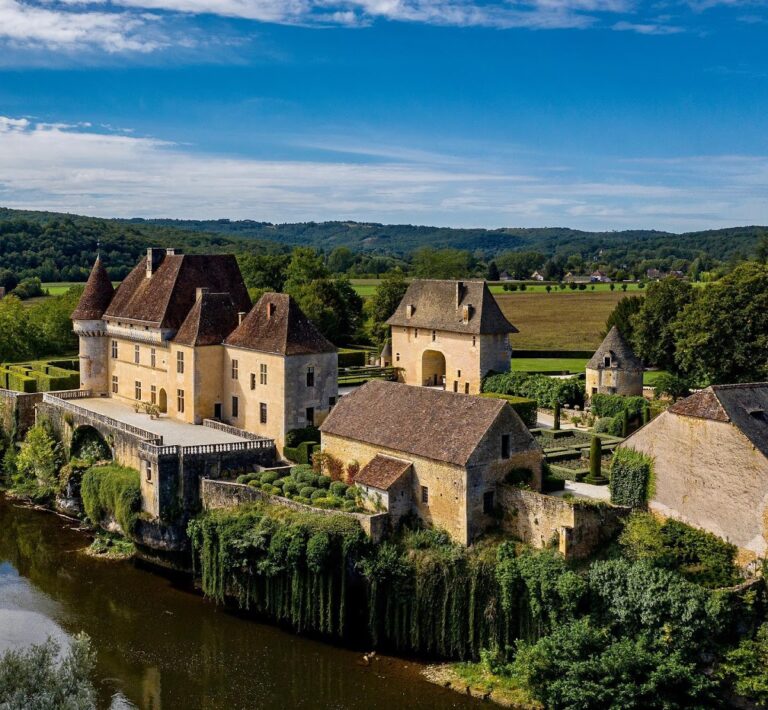
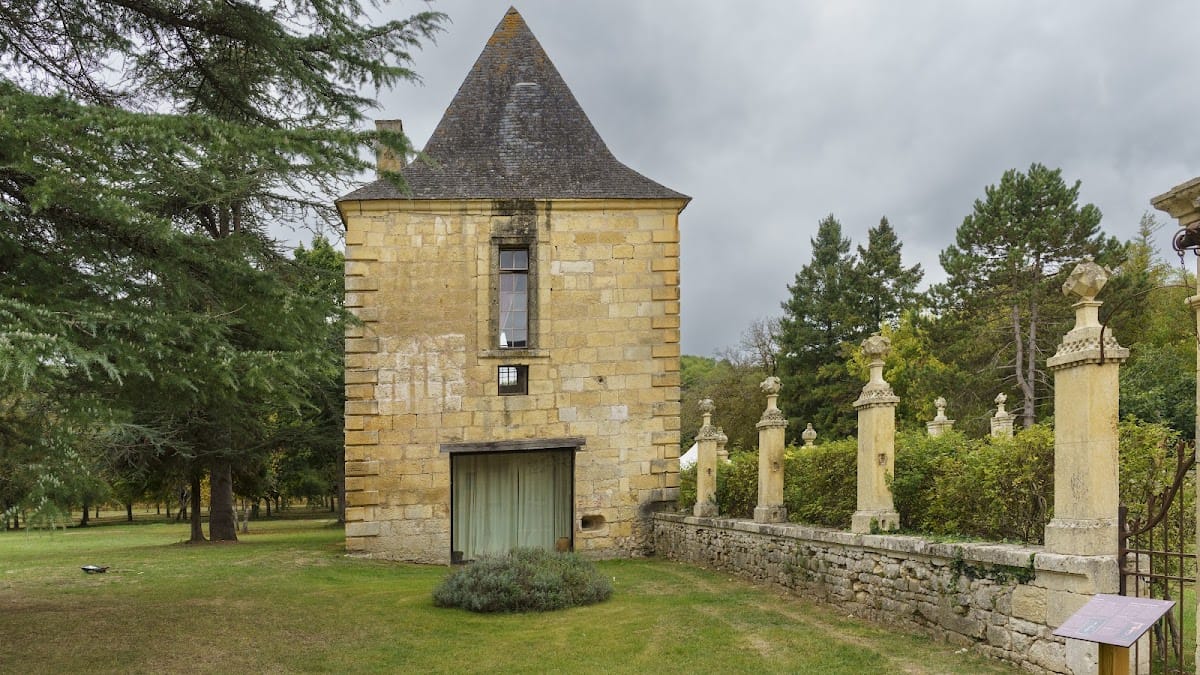
The surviving château is organized around an elongated northern residential block facing the Vézère. Its principal building, or corps de logis, is framed by two pavilions, projecting or separately articulated blocks that define the main form of the residence. The entrance ensemble includes an entrance court, the main façades and roofs, a grand staircase, the enclosure of the courtyard, and a pigeon house.
Surviving buildings and courtyards
Principal residence
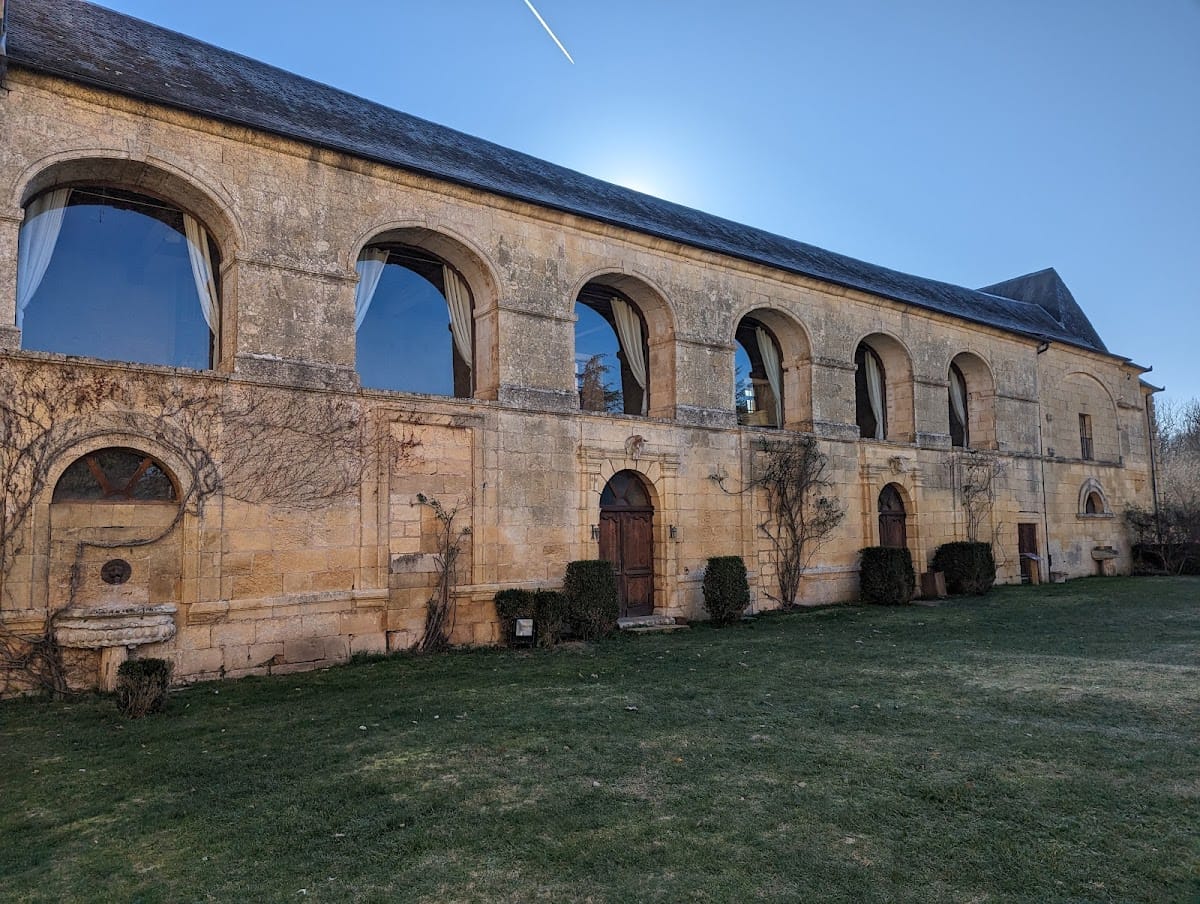
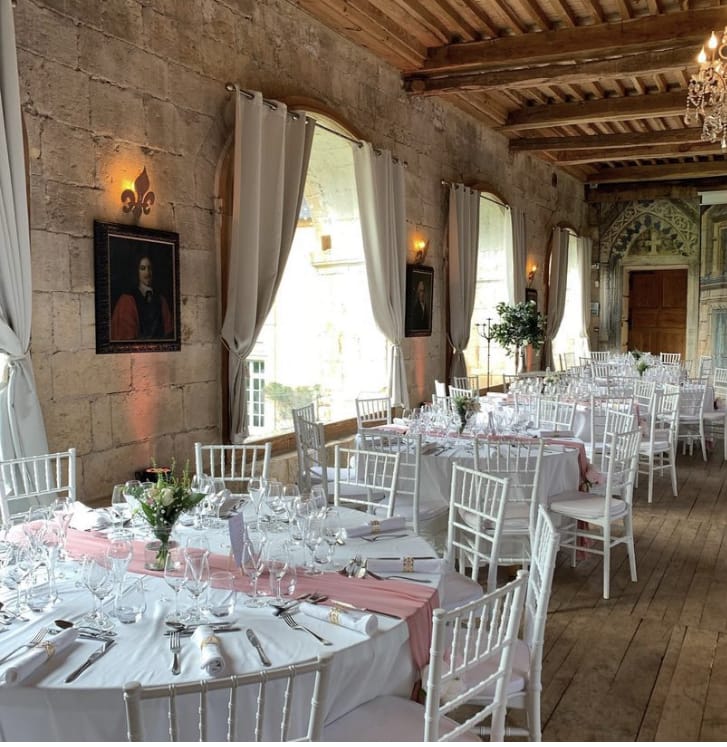
The northern corps de logis and its two pavilions survive from the reconstructed complex. Their dormer-windowed roofs and Louis XIII design belong to the rebuilding of 1636 and 1637. A gallery continues into a partly projecting pavilion, while another pavilion stands separately. The château also retains its roof framework, and its interiors contain paintings by Philippe de Champaigne, a leading seventeenth-century French Baroque painter.
Dependencies and enclosure
An eastern dependency extends southward at a right angle from the north-east pavilion toward the south-east pavilion. The south-west pavilion remains isolated. A grille and a small wall close the honor courtyard on the south between the south-east and isolated south-west pavilions, while another small wall closes it on the west. The southern dependency was set back from the two southern pavilions, and the western dependency served as a stable before being removed in the eighteenth century. The southern building was demolished in the nineteenth century.
Fountains
The park once contained four fountains dating from 1610, representing air, water, fire, and earth. Two survived the destruction of 1633. The fountain representing water was moved in 1927 to Château de Roche at Clairac in Lot-et-Garonne, whose owner also owned Sauvebœuf. Another surviving fountain was long thought to have been taken to the United States, but elements were identified in the early 2000s in the balustrade of the terrace overlooking the Vézère. Remains of a fountain are also incorporated into the eastern building.