Trajan’s Column: A Roman Monument in Rome


Visitor Information
Google Rating: 4.8
Popularity: Medium
Google Maps: View on Google Maps
Official Website: colosseo.it
Country: Italy
Civilization: Roman
Remains: Civic

History
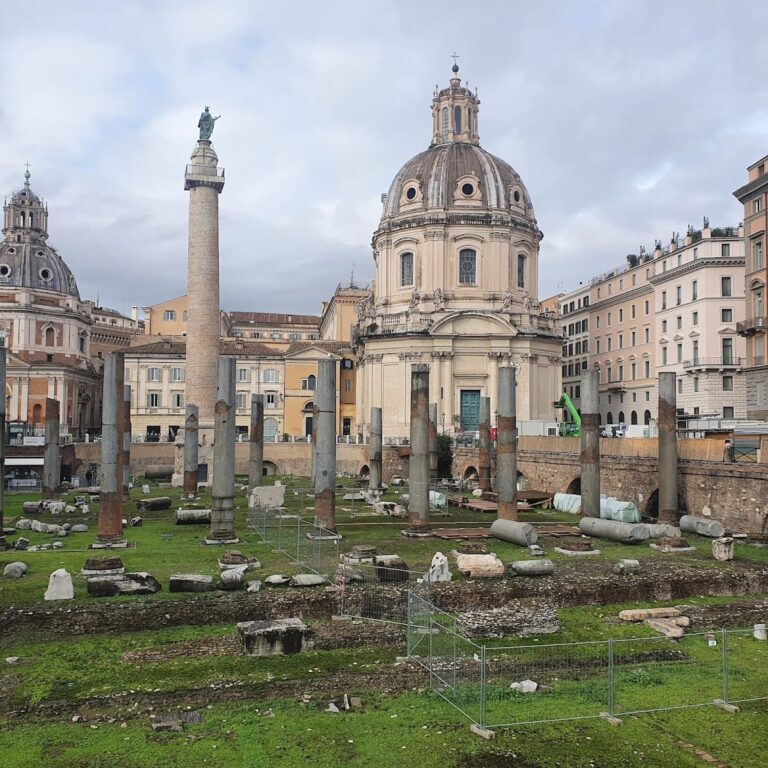
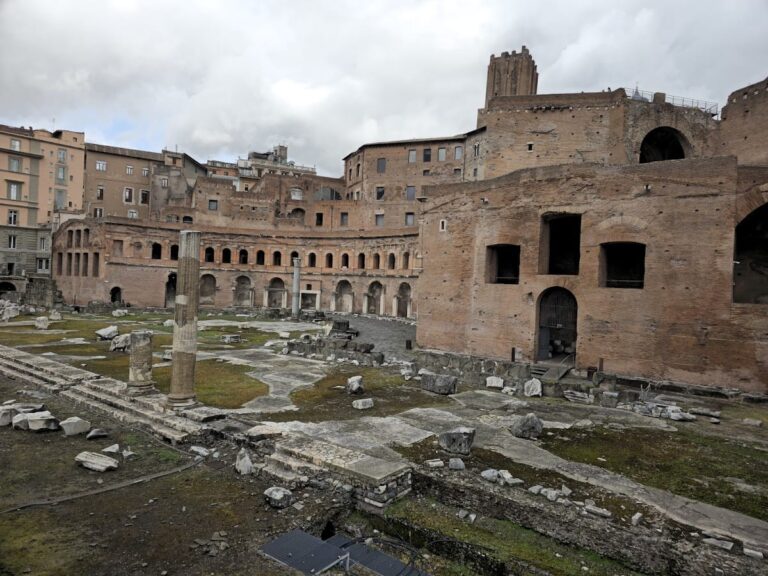
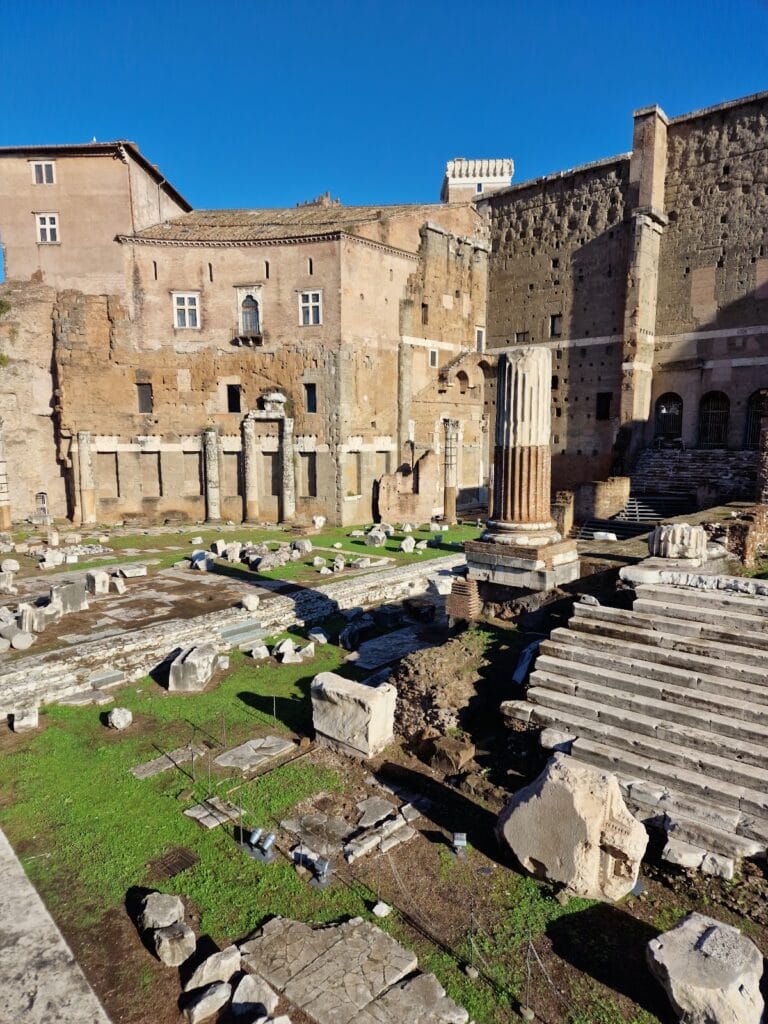
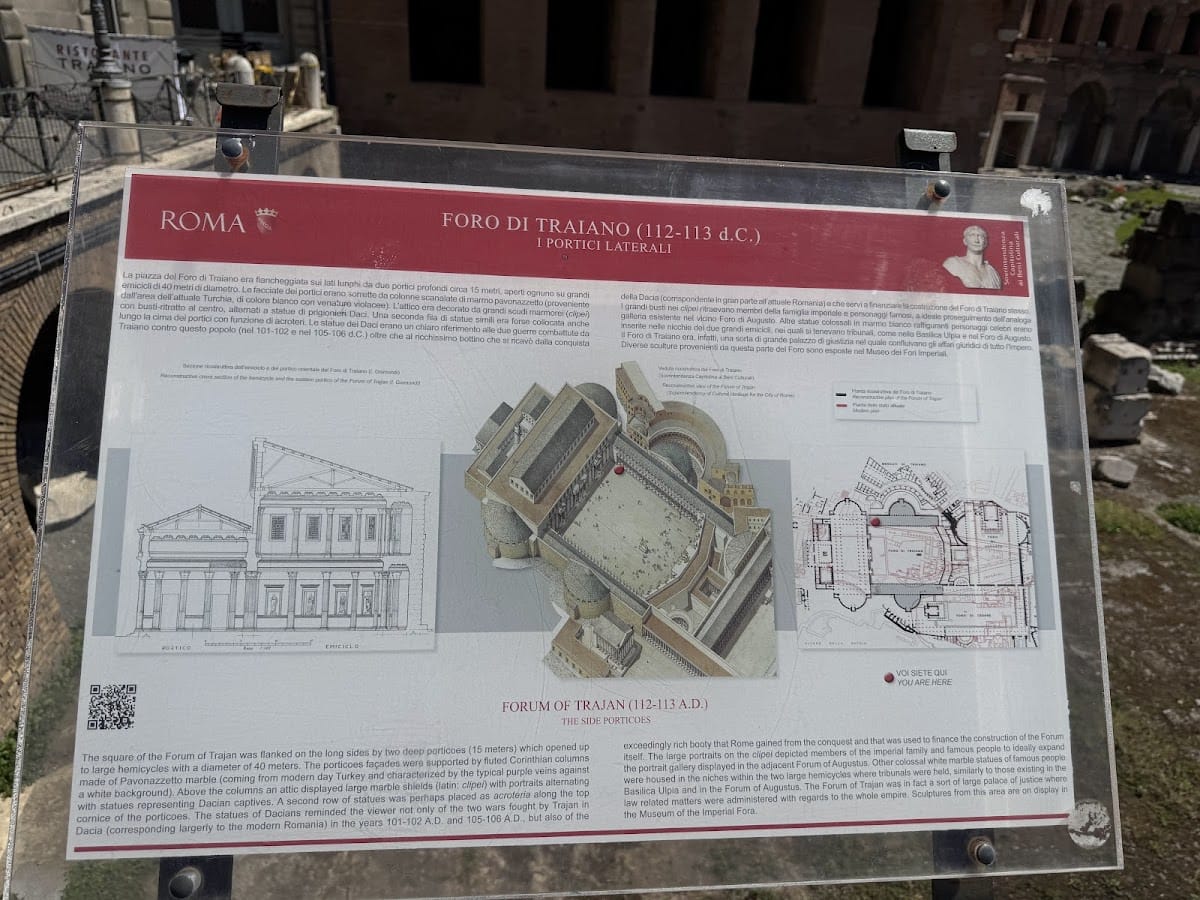
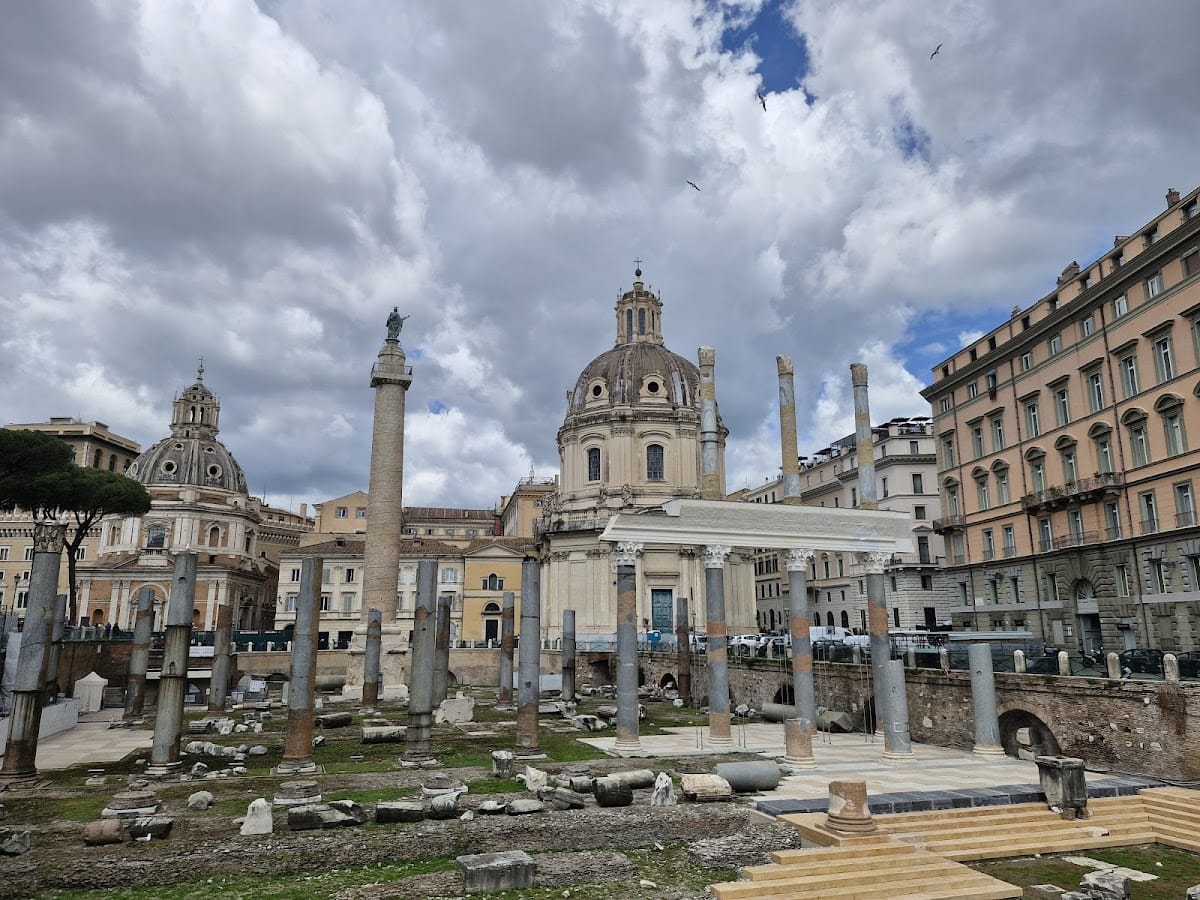
Trajan’s Column stands in Rome, Italy, within the area known as Trajan’s Forum. This monument was created by the ancient Romans to honor Emperor Trajan’s victories in the Dacian Wars fought between 101–102 and 105–106 AD. The column was completed in 113 AD, likely under the guidance of the architect Apollodorus of Damascus, following a decree by the Roman Senate.
In the early 2nd century AD, the column was erected in a courtyard behind the Basilica Ulpia, flanked by two libraries that housed Greek and Latin texts. These libraries may have contained Trajan’s own commentaries on the Dacian campaigns. The column served not only as a commemorative monument but also as a funerary site, holding the ashes of Trajan and his wife Plotina in a chamber at its base. It also functioned as a viewing platform, offering panoramic views of the forum.
During the Middle Ages, the surrounding forum fell into ruin, but the column itself remained standing. Documents from 1162 show it was protected as public property. Between the 8th and 9th centuries, a small church named San Niccolò de Columna and an oratory were established near or on the column, but these were removed by the 16th century.
In 1587, Pope Sixtus V placed a bronze statue of Saint Peter atop the column, replacing the original bronze statue of Trajan, which had disappeared during the Middle Ages. The column narrowly avoided removal during the French occupation in the late 18th century due to logistical and administrative difficulties. Its design later inspired monuments such as the Colonne Vendôme in Paris.
Excavations and restorations took place intermittently from the 16th through the 19th centuries, including clearing the base and surrounding area to preserve the monument.
Remains
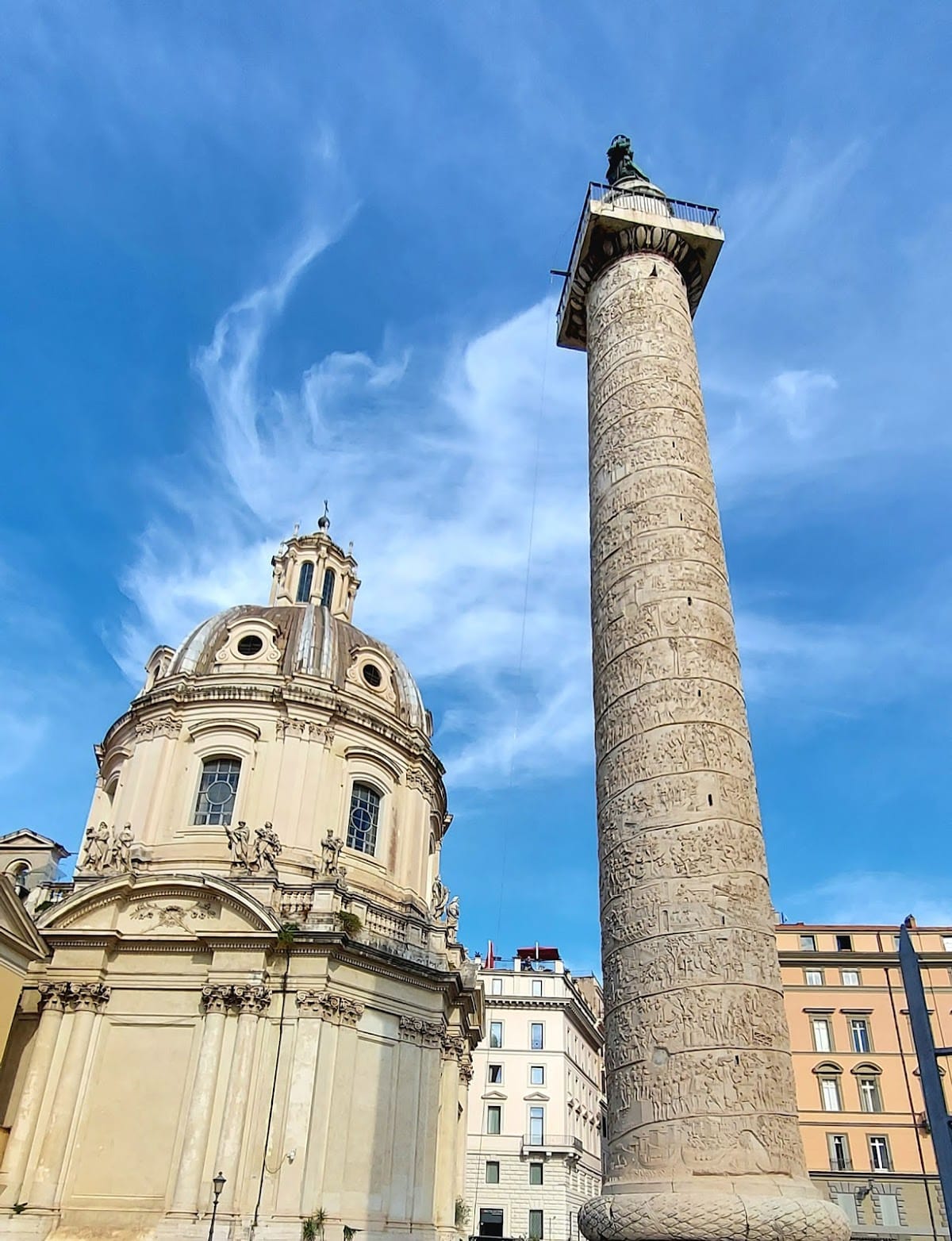
Trajan’s Column is a monumental structure built in the 2nd century AD from large Carrara marble drums. The shaft alone measures nearly 30 meters tall, with the entire height reaching about 35 meters including its pedestal and the statue on top. The column consists of 18 to 20 massive marble blocks, each weighing between 32 and 40 tons, carefully stacked to form a smooth cylindrical shape.
The base of the column contains a doorway leading to a hollow interior chamber that once held golden urns with the ashes of Emperor Trajan and his wife. A spiral staircase of 185 steps winds inside the column, allowing access to a viewing platform at the top. The staircase is lit by 43 narrow slits in the spiral frieze, although these openings were added after the original construction.
The column’s most notable feature is its continuous spiral relief, which wraps around the shaft 23 to 24 times and extends approximately 190 to 200 meters in length. This frieze depicts between 100 and 155 scenes with around 2,500 figures, illustrating the Dacian Wars in chronological order. The reliefs show military marches, battles, camp construction, political events, sacrifices, and the submission of the Dacians. Emperor Trajan appears realistically in 58 or 59 scenes without exaggeration. The carvings are shallow but enhanced by deep grooves to improve visibility. Originally, the relief was richly painted and included bronze miniature weapons, which are now lost.
The pedestal stands about 1.7 meters high and is decorated on three sides with low-relief images of captured Dacian arms and armor. Four eagles at the corners support a laurel wreath, symbolizing victory. An inscription on the base dedicates the monument to Trajan and commemorates the excavation of the hill between the Capitoline and Quirinal hills to create Trajan’s Forum.
Today, the column remains standing in its original location, isolated after the surrounding forum structures fell into ruin. The bronze statue of Saint Peter placed by Pope Sixtus V in 1587 still crowns the column, replacing the original statue of Trajan. The column’s innovative design, combining a continuous narrative relief with an internal staircase, influenced later Roman victory monuments.
Nearby sites