Museo del Teatro de Caesaraugusta: Museum of Zaragoza’s Roman Theatre


Site at a Glance
- Rating
- 4.5
- Popularity
- Medium
- Country
- Spain
- Primary era
- Classical
- External website
- Open
- Eras represented
- Classical, Modern
- Civilizations
- Roman
- Site type
- Entertainment
- Remains
- Theatre
On this page5 sections
History
The Museo del Teatro de Caesaraugusta in Zaragoza, Spain, preserves and interprets a Roman theatre built in the first century AD. Caesaraugusta was the Roman name of Zaragoza, and the theatre covered approximately 7,000 square metres with seating for about 6,000 spectators. It was one of the largest Roman theatres in Hispania, the Roman name for the Iberian Peninsula and its provinces.
The Roman theatre and its later setting
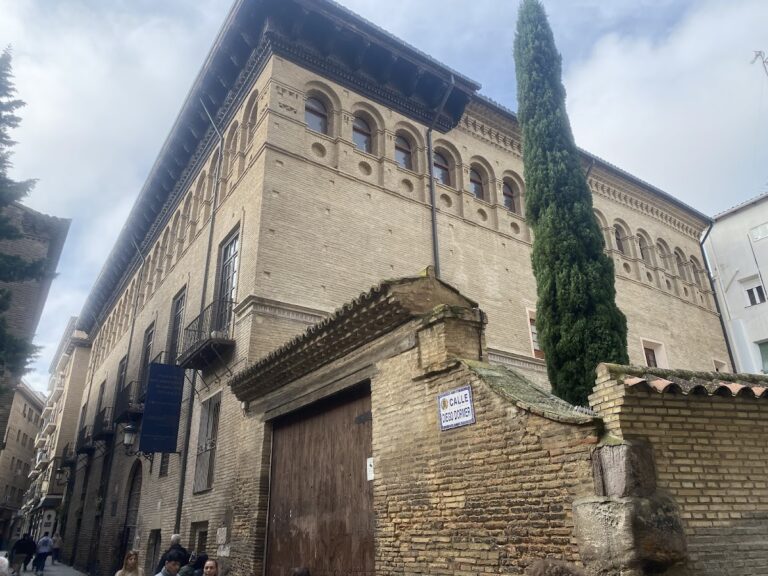
The museum presents the theatre’s role in Roman civic life, including dramatic genres and the social and political world of its period. Its historical interpretation also extends into Zaragoza’s medieval, Renaissance, and Baroque past. Parts of the complex occupy plots that once contained substantial houses and stood within the area of the city’s former Jewish quarter, connecting the Roman remains with later phases of urban development.
Discovery and museum creation
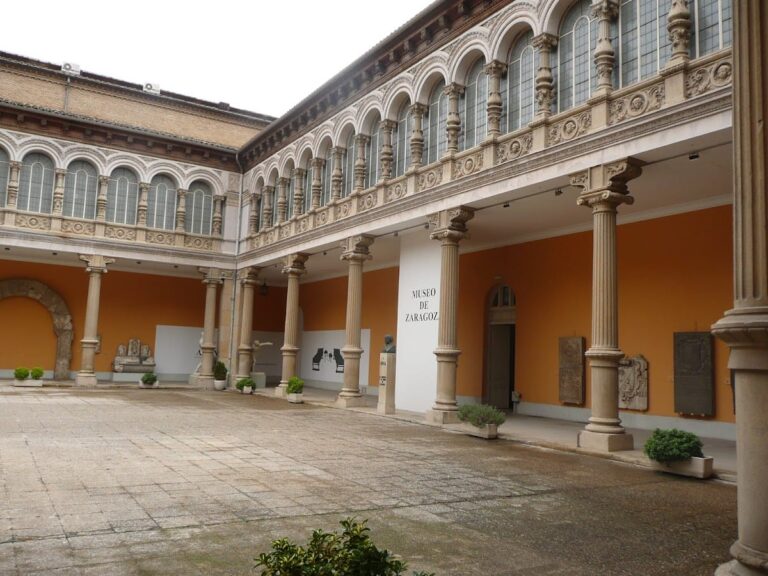
The theatre ruins came to light in 1972 during construction, after a local resident alerted a newspaper to archaeological remains. Several years of restoration followed, and the Museo del Teatro de Caesaraugusta was created and officially opened in 2003. The museum combines the preserved ruins with archaeological finds and models that explain the Roman period and the theatre’s historical setting.
Remains
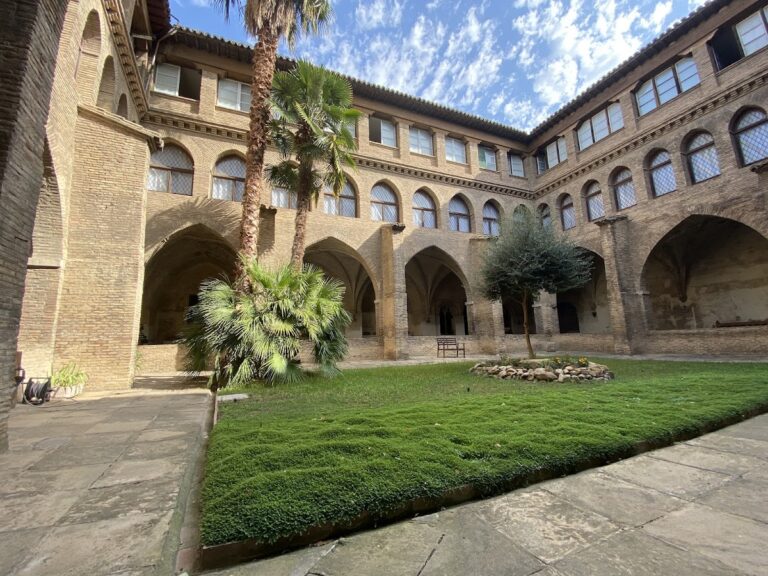
The museum is organized around the surviving remains of the Roman theatre and an interpretation centre housed in a rehabilitated building. Walkways overlook the theatre’s surviving seating tiers and stage, allowing the principal elements of the ancient structure to be understood within the archaeological site. A large translucent polycarbonate roof protects the exposed remains.
Theatre remains and interpretation centre
The preserved seating and stage form the central physical evidence of the first-century theatre. Archaeological finds and Roman-period models are incorporated into the museum’s presentation, while the interpretation centre explains the building, its performances, and the society in which it functioned. The complex also occupies plots associated with substantial medieval, Renaissance, and Baroque houses and lies within the former Jewish-quarter area of Zaragoza.