Amphitheatre of Tarraco: The Basics You Need to Know

Visitor Information
Google Rating: 4.5
Popularity: High
Google Maps: View on Google Maps
Official Website: www.tarragona.cat
Country: Spain
Civilization: Roman
Remains: Entertainment

Location and Historical Context
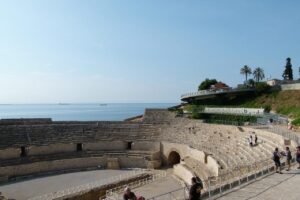
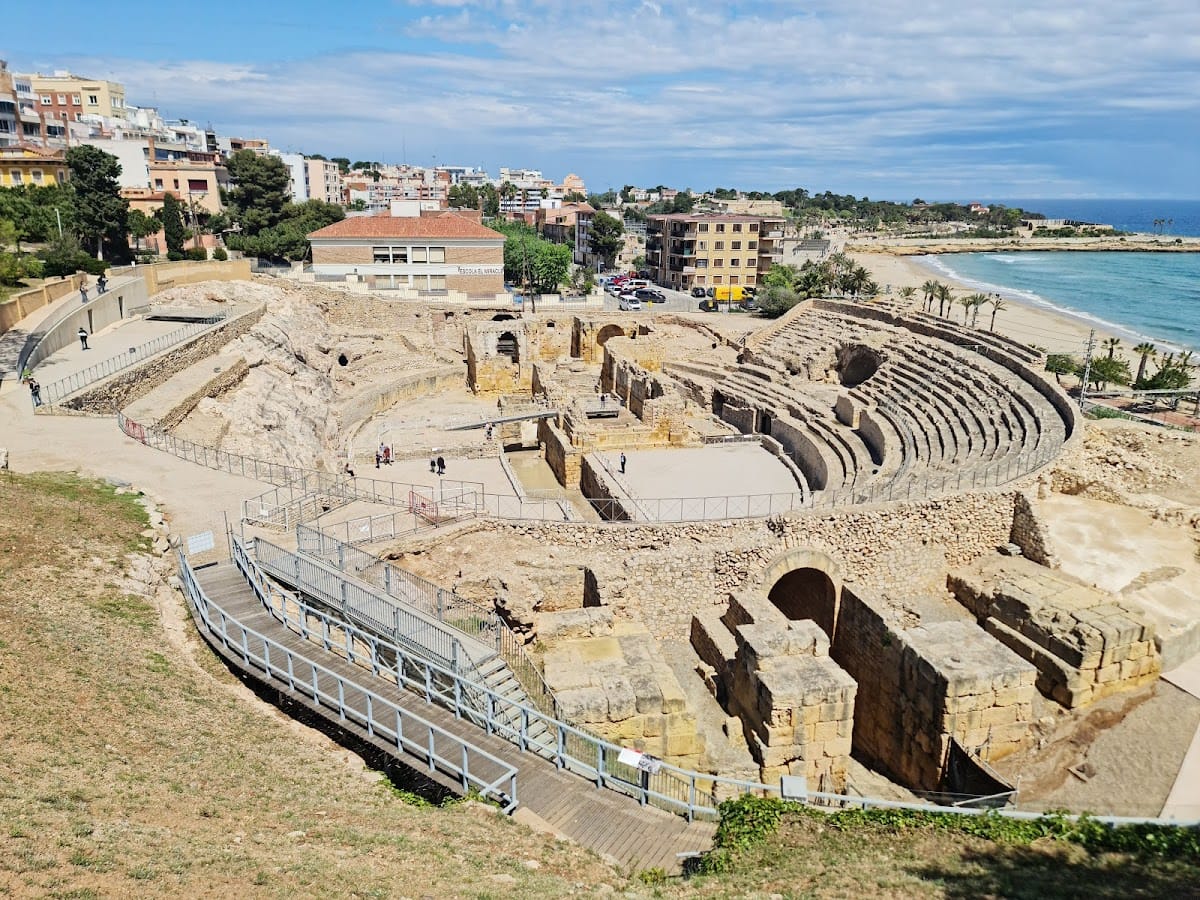
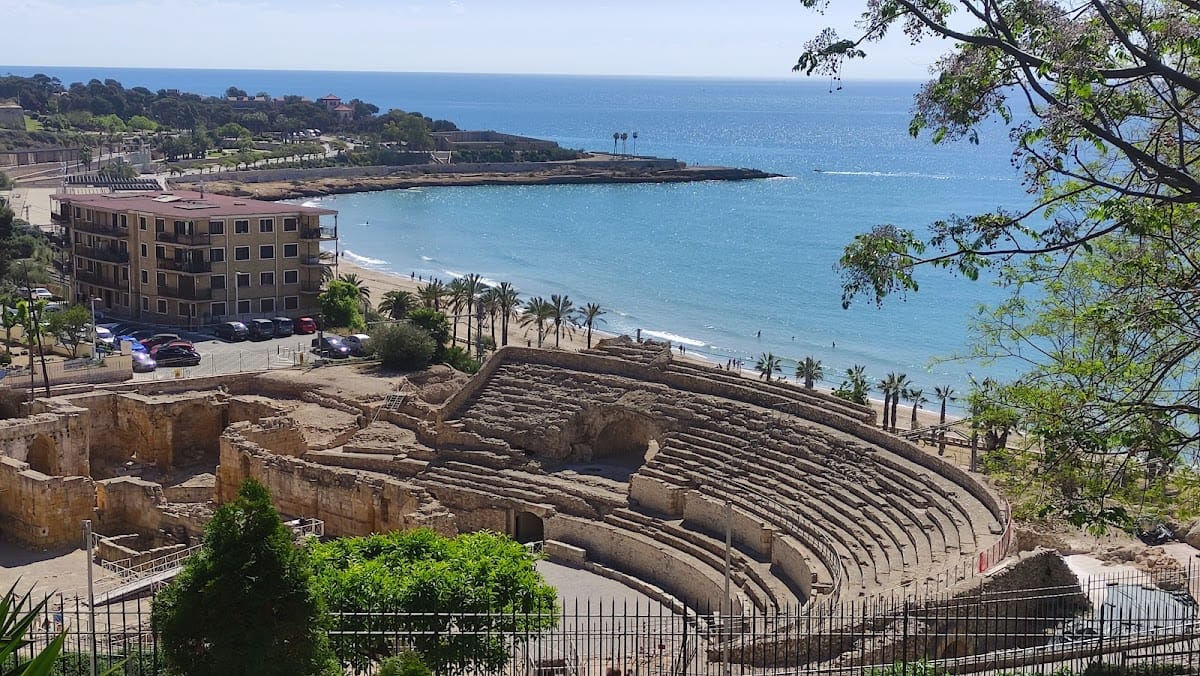
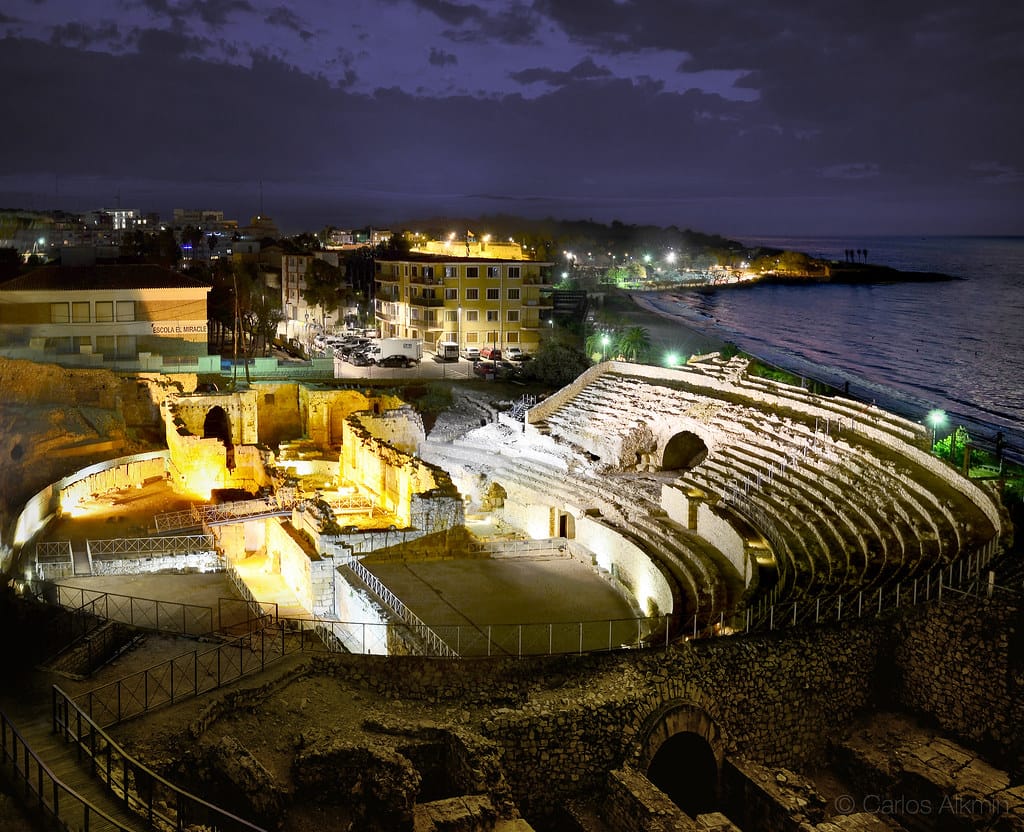
The Roman amphitheatre of Tarraco is located in present-day Tarragona, Spain, positioned near the Mediterranean Sea and just outside the ancient city walls. In Roman times, Tarraco was the capital of Hispania Citerior Tarraconensis, one of the more important provinces of the western empire. The city had a large population and numerous monumental buildings.
The amphitheatre is part of the Archaeological Ensemble of Tarraco, which was designated a UNESCO World Heritage Site in 2000 for its exceptionally well-preserved Roman structures that offer insights into early provincial urbanism. Its seaside location not only provided scenic views for ancient spectators but also logistical advantages: Proximity to the port facilitated the transport of animals, materials, and people involved in the spectacles.
Construction and Modifications
The amphitheatre was constructed in the late 2nd century CE, likely during the reigns of emperors Marcus Aurelius or Commodus. The site had previously functioned as a necropolis, and evidence of earlier funerary use has been discovered beneath the structure.
Designed to accommodate large public gatherings, the amphitheatre hosted a wide range of events. These included munera (gladiatorial contests), venationes (hunts involving exotic animals), athletic competitions, and choreographed executions of criminals or prisoners of war. Some events were staged for religious festivals or imperial commemorations, reinforcing the emperor’s authority and Roman cultural identity.
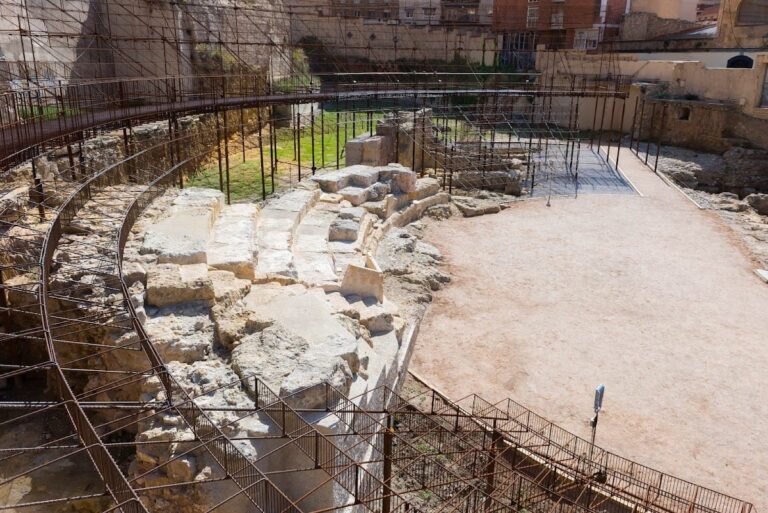
The amphitheatre was built into a hillside, which reduced the amount of masonry required and stabilized the structure. The slope supported the cavea (seating tiers), while the arena floor and subterranean service areas (fossae) were cut partially into the bedrock. This efficient use of the terrain is a hallmark of Roman architectural pragmatism.
Significant renovations were made during the 3rd century CE under the reign of Emperor Elagabalus (r. 218–222). These changes included structural reinforcements and aesthetic improvements. A monumental inscription was installed on the podium to commemorate the emperor’s involvement; fragments of this inscription still survive and are visible on-site today.
Religious Transformation and Decline
A major historical event occurred here on 21 January 259 CE. During the persecutions of Christians ordered by Emperor Valerian, Bishop Fructuosus of Tarraco and his deacons, Augurius and Eulogius, were burned alive in the amphitheatre. This marked a symbolic shift in the amphitheatre’s legacy: From a stage of Roman spectacle to a site of Christian martyrdom. The event was recorded by early Christian chroniclers and became an important narrative in local religious identity.
By the 5th century, as Christianity gained dominance, the amphitheatre’s use as a venue for violent spectacle diminished. Imperial policies discouraged gladiatorial combat, and the structure gradually fell into disuse.
In the 6th century, the amphitheatre was partially dismantled. Its stones were repurposed for the construction of a basilica dedicated to the martyrs, with a triple-nave plan that reflected typical early Christian architecture. This transformation also marked the Christian appropriation of former pagan sites to reinforce their spiritual significance.
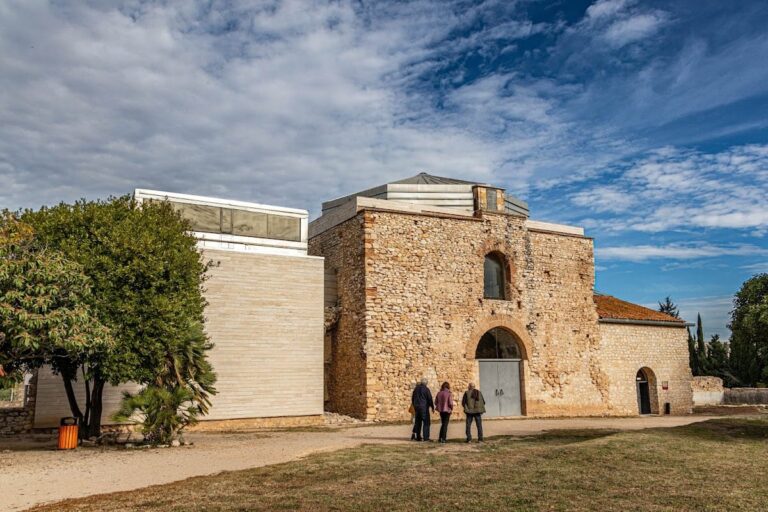
After the Islamic conquest of the Iberian Peninsula in the 8th century, the site was largely abandoned. It wasn’t until the 12th century that a Romanesque church, Santa Maria del Miracle, was built atop the ruins of the earlier basilica. This church remained in use until its demolition in 1915 during early 20th-century restoration efforts.
Architectural Features
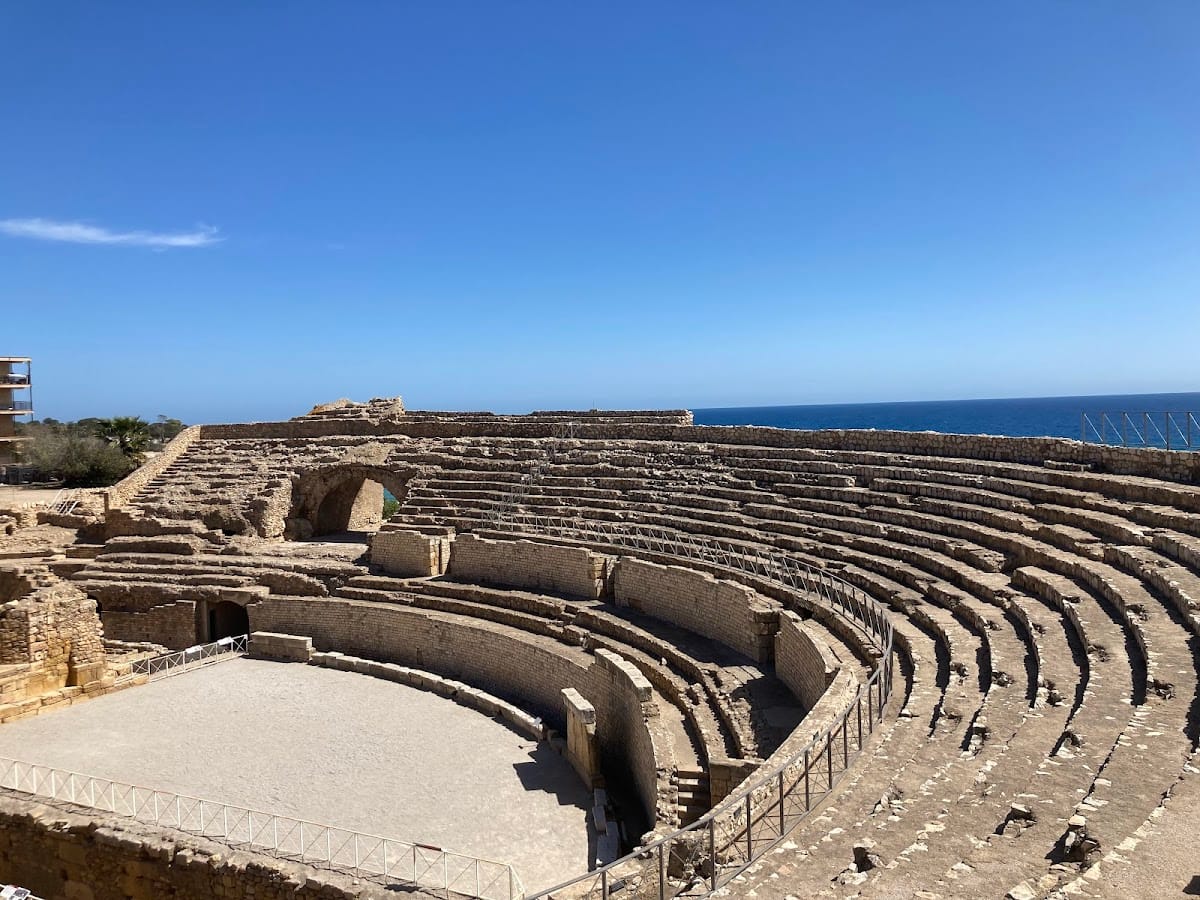
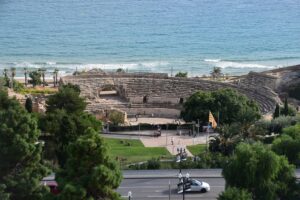 The amphitheatre’s elliptical plan measured approximately 130 meters in length and 102 meters in width. The arena itself, where the spectacles took place, was surrounded by a high podium wall to protect spectators from the action. Beneath the arena were underground service rooms (fossae) used for preparing animals, storing equipment, and staging dramatic appearances of performers or beasts.
The caveat, the tiered seating area, was divided into three horizontal zones, known as maeniana, which organized spectators according to social rank. The elite sat closest to the arena, while lower-status citizens and non-citizens occupied the upper tiers. Access was controlled via staircases and corridors (vomitoria), allowing for efficient crowd movement.
The structure could hold up to 14,000 spectators, a significant capacity given the size of Tarraco.
Roman engineers made use of concrete (opus caementicium), local limestone, and standard Roman building techniques like vaulted corridors and radial buttresses to support the massive structure.
Nearby sites