Roman Fort Ermelo: A Temporary Roman Military Camp in the Netherlands

Visitor Information
Google Rating: 4.4
Popularity: Low
Google Maps: View on Google Maps
Official Website: mijngelderland.nl
Country: Netherlands
Civilization: Roman
Remains: Military

History
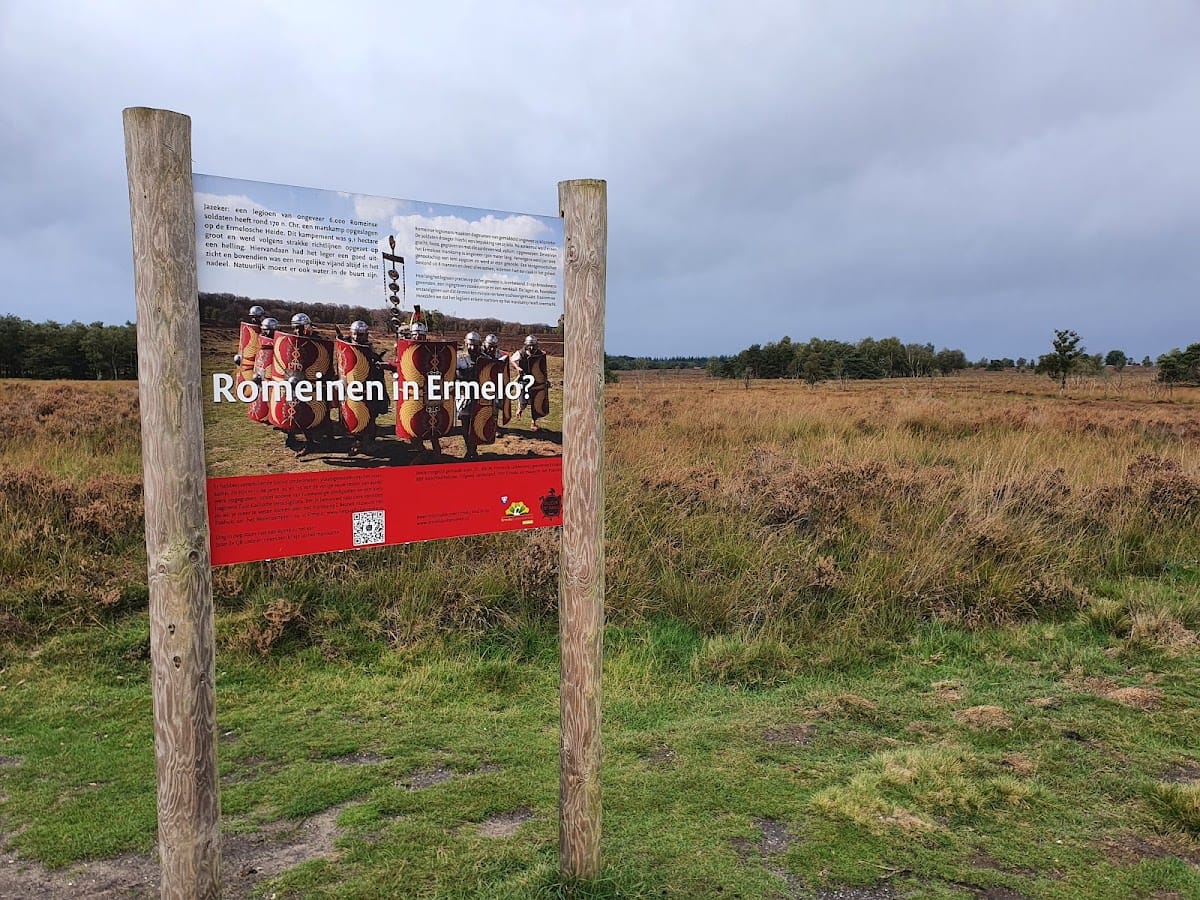
Roman Fort Ermelo is located in the Ermelosche Heide near Ermelo in the Netherlands. It was constructed by the Roman Empire as a temporary military camp during the late 2nd century AD. The camp dates from around 170 to 180 AD, a period marked by Roman military activity beyond the empire’s established borders.
The camp served as a base for a Roman legion, possibly during a campaign against the Chauci tribes in northern Germany. No written records confirm this, but the camp’s position about 35 kilometers north of the Roman frontier suggests it was part of an offensive operation rather than a defensive outpost.
In the centuries following its brief use, the site faded from memory. By the 19th century, local maps labeled the area as “Heidensch Kamp,” meaning “heathen camp,” reflecting a folk memory of an ancient, possibly pagan, military site. The Roman origin was only confirmed in 1922 by archaeologist Holwerda, who identified the earthworks as Roman.
Excavations in 1987 focused on the southern section of the camp, revealing details about its layout and use.
Remains
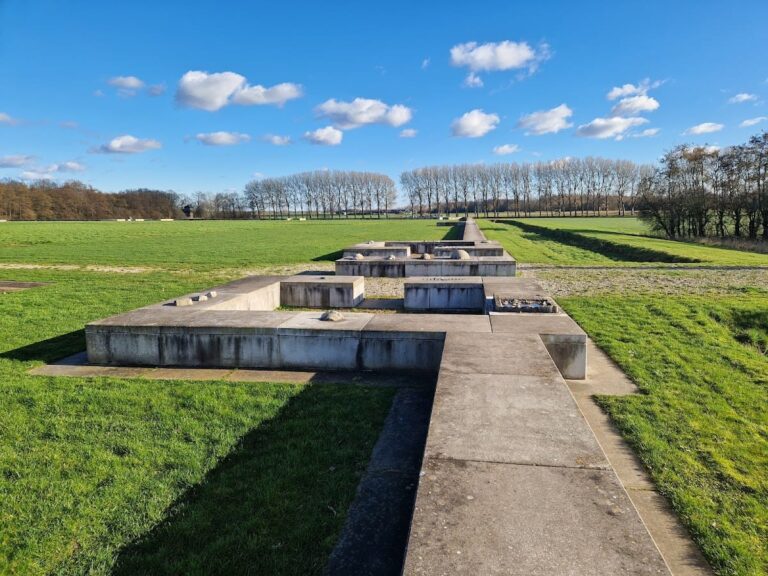
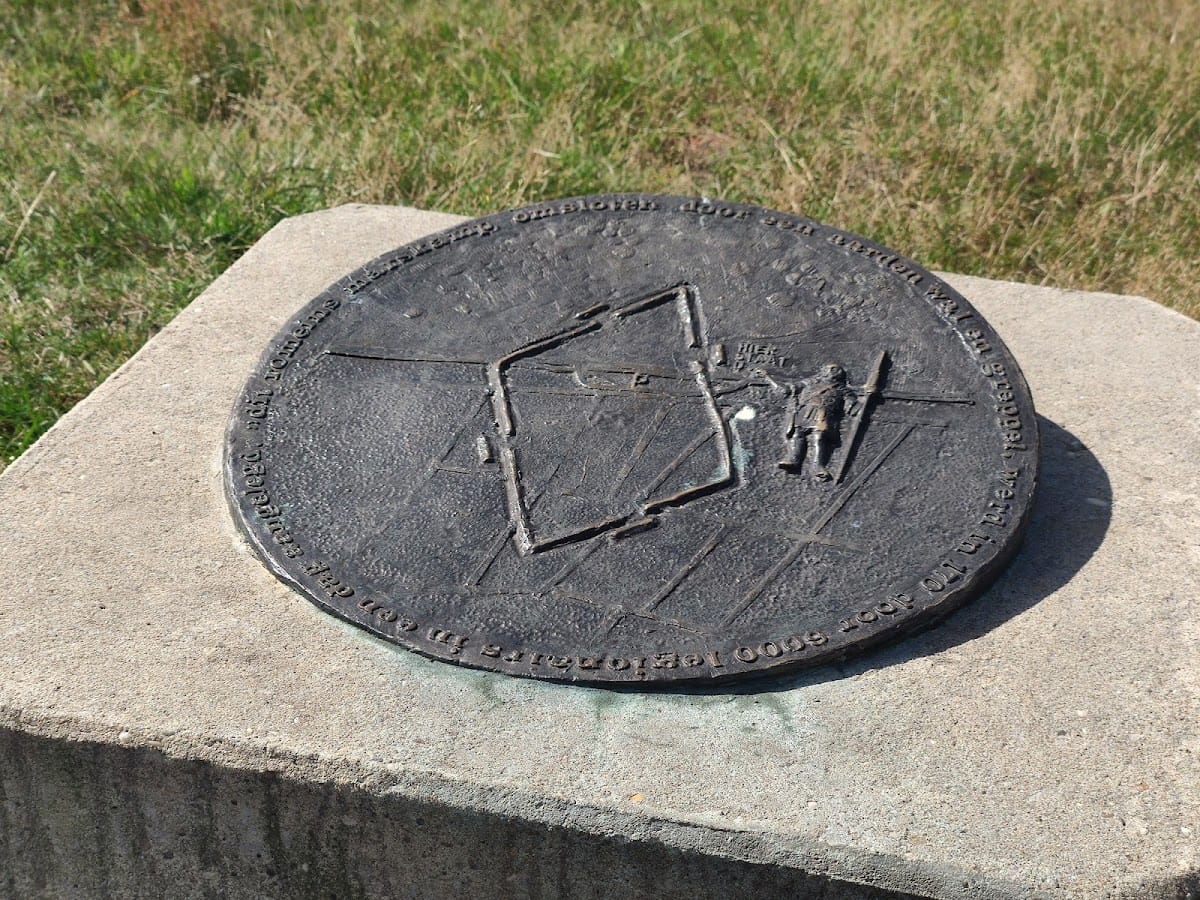
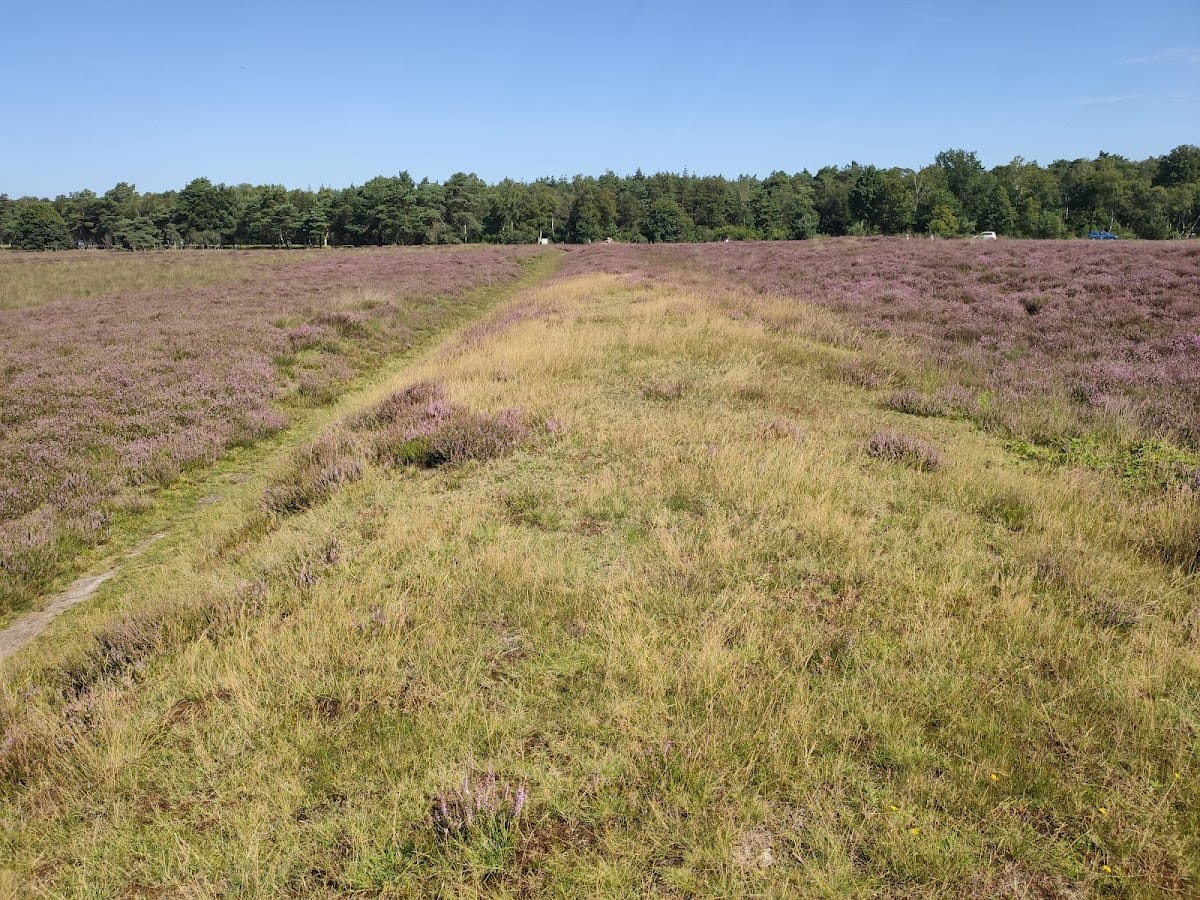
The Roman Fort Ermelo covers an area roughly 250 by 350 meters. It was enclosed by an earth embankment about one meter high, accompanied by a V-shaped ditch approximately 1.5 meters deep. This defensive structure was topped with wooden posts arranged in a crisscross pattern, forming a barrier.
Inside the camp, hundreds of tents were arranged in neat rows. Each tent housed eight soldiers who shared cooking duties. Archaeological excavations uncovered remains of fireplaces used by the soldiers and impressions of wooden tent pegs hammered into the ground, confirming the temporary nature of the camp.
The camp was strategically placed on the highest point in the surrounding landscape. The site’s contours remain visible today, although parts have been lost due to woodland growth and road construction.The camp’s features reflect its role as a short-term military encampment rather than a long-term settlement or administrative center.
Nearby sites