Piombino Castle: A Historic Fortress in Italy

Visitor Information
Google Rating: 4.3
Popularity: Low
Google Maps: View on Google Maps
Country: Italy
Civilization: Unclassified
Remains: Military

History
Piombino Castle is located in the municipality of Piombino, Italy. It was originally constructed by the Pisans during the 13th century, serving as a key military fortification for the city. Known at the time as “Cassero Pisano,” the castle marked the southeastern boundary of Piombino, positioned strategically on a hill overlooking the sea.
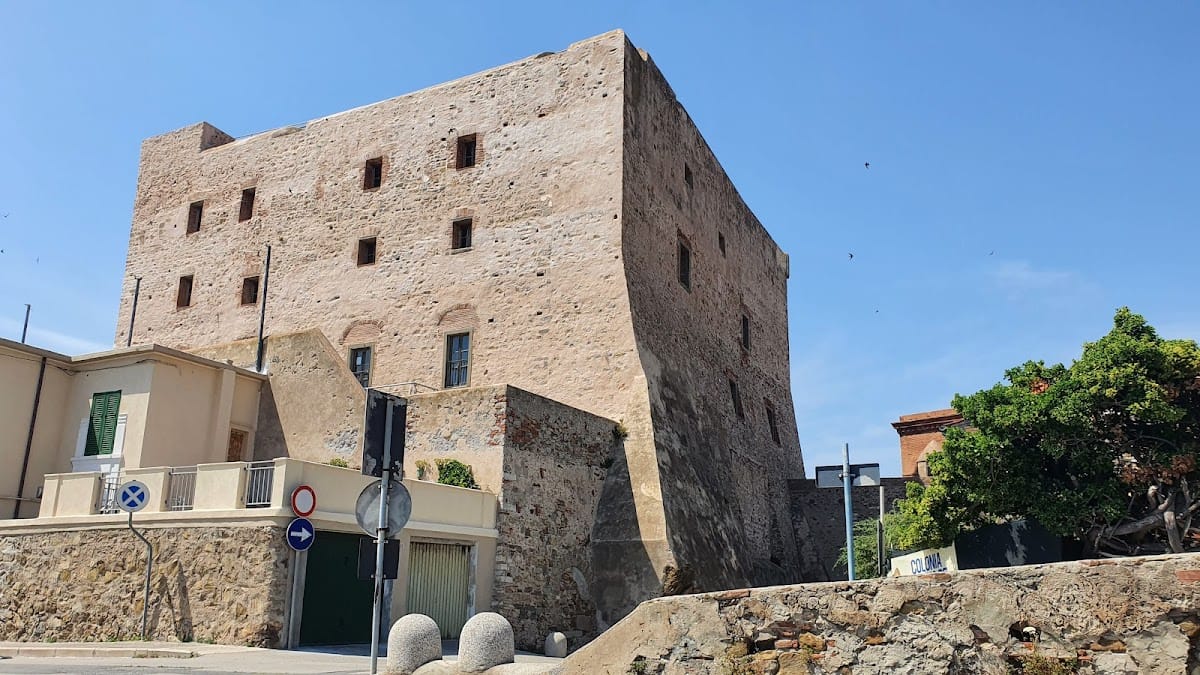
The castle’s early role was primarily defensive, as it protected the city from threats approaching by land and sea. Its imposing cubic form was typical of military architecture in the medieval period, designed to withstand sieges and assert control over the surrounding territory.
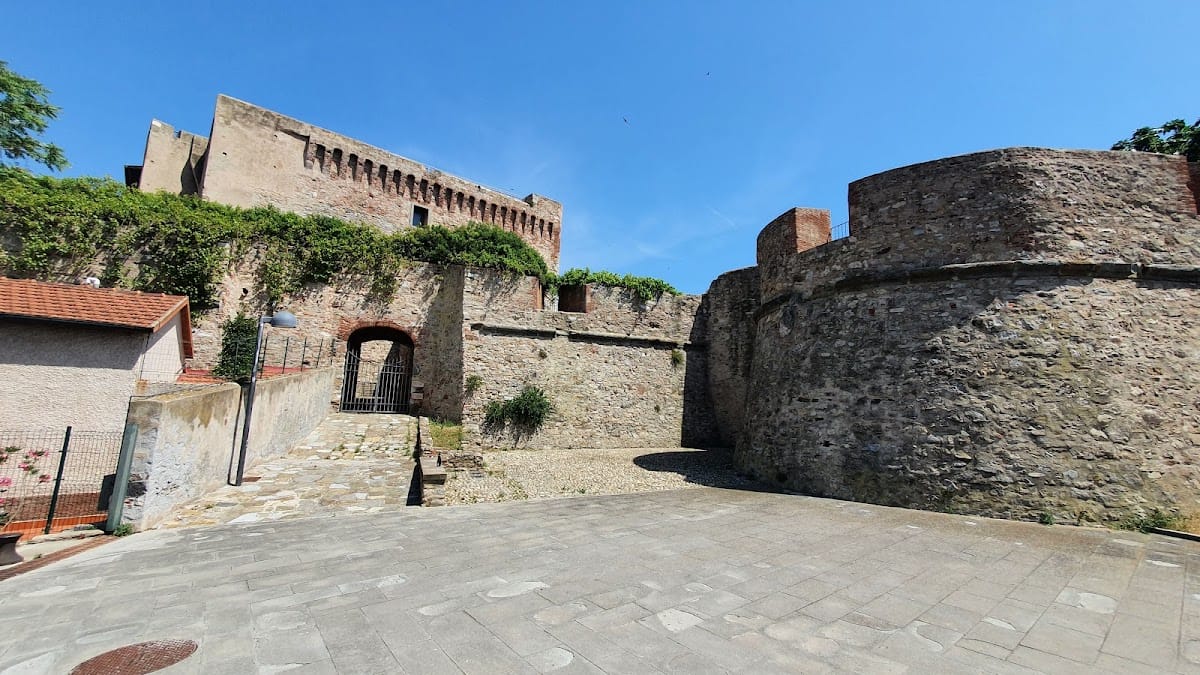
In the mid-16th century, the castle underwent significant transformation under the rule of Cosimo I de’ Medici. Between 1552 and 1557, the original medieval structure was reinforced with new star-shaped bastions to adapt to the evolving nature of warfare, especially to accommodate the use of firearms and cannon artillery. This redesign was led by Giovanni Battista Belluzzi, a Renaissance architect noted for his expertise in military fortifications. Following these enhancements, the fortress became known as the “Fortezza Medicea,” reflecting its association with the Medici family and its updated defensive capabilities.
In recent decades, beginning in 1999 and continuing through 2001, Piombino Castle was the focus of careful restoration and archaeological examination. These efforts aimed to preserve its historical fabric and uncover past layers, shedding new light on its development and use over the centuries.
Today, the castle is home to a museum dedicated to the history of both the structure itself and the city of Piombino. The museum traces the castle’s origins from the 13th century and covers the local historical events associated with the site, including Piombino’s role during the Italian Resistance and its experiences throughout the 20th century.
Remains
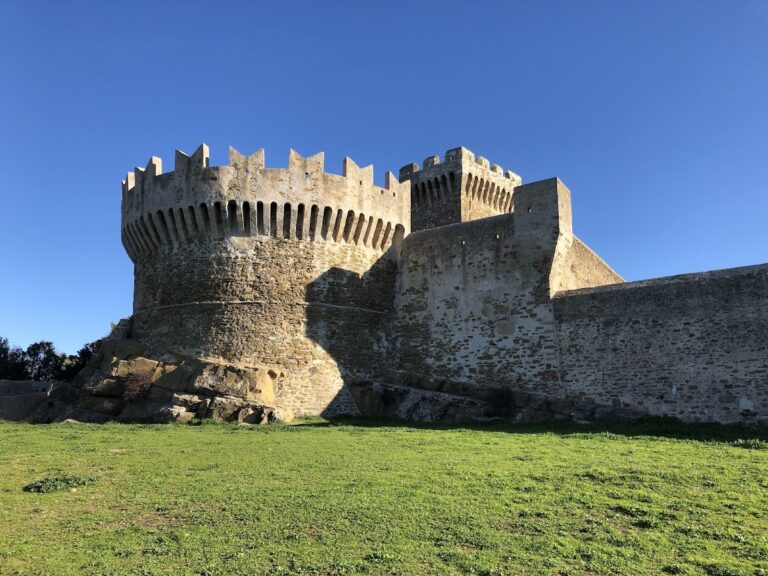
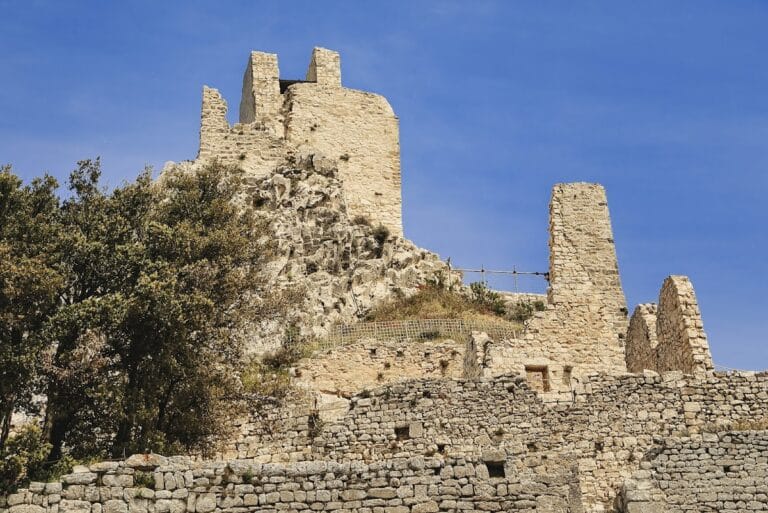
The fortress presents a massive, nearly cubic shape characteristic of 13th-century military construction by the Pisans. Positioned on a hilltop that commands views of the sea, the castle’s layout included the city’s southeastern gate, emphasizing its function as a defensive boundary. The solidity and simple massing of the original walls illustrate its role as a stronghold designed to deter attackers.
The most notable modification is the series of star-shaped bastions added during the mid-1500s under Cosimo I de’ Medici’s leadership. These angular bastions were built according to the principles of Renaissance military architecture, which aimed to better resist cannon fire. Designed by Giovanni Battista Belluzzi, the new bastions transformed the medieval structure by integrating modern defensive features that allowed coordinated artillery fire and reduced blind spots.
Archaeological excavations carried out at the turn of the 21st century revealed a rich collection of 13th-century artifacts within the castle grounds. Among the finds are everyday items such as plates, buckles, jugs, and lamps, alongside coins and pieces of armor including plates and arrowheads. Lead bullets were also discovered, highlighting the martial nature of the site through evidence of armed conflict. These objects are now displayed on the museum’s ground floor, providing tangible links to the castle’s medieval occupants.
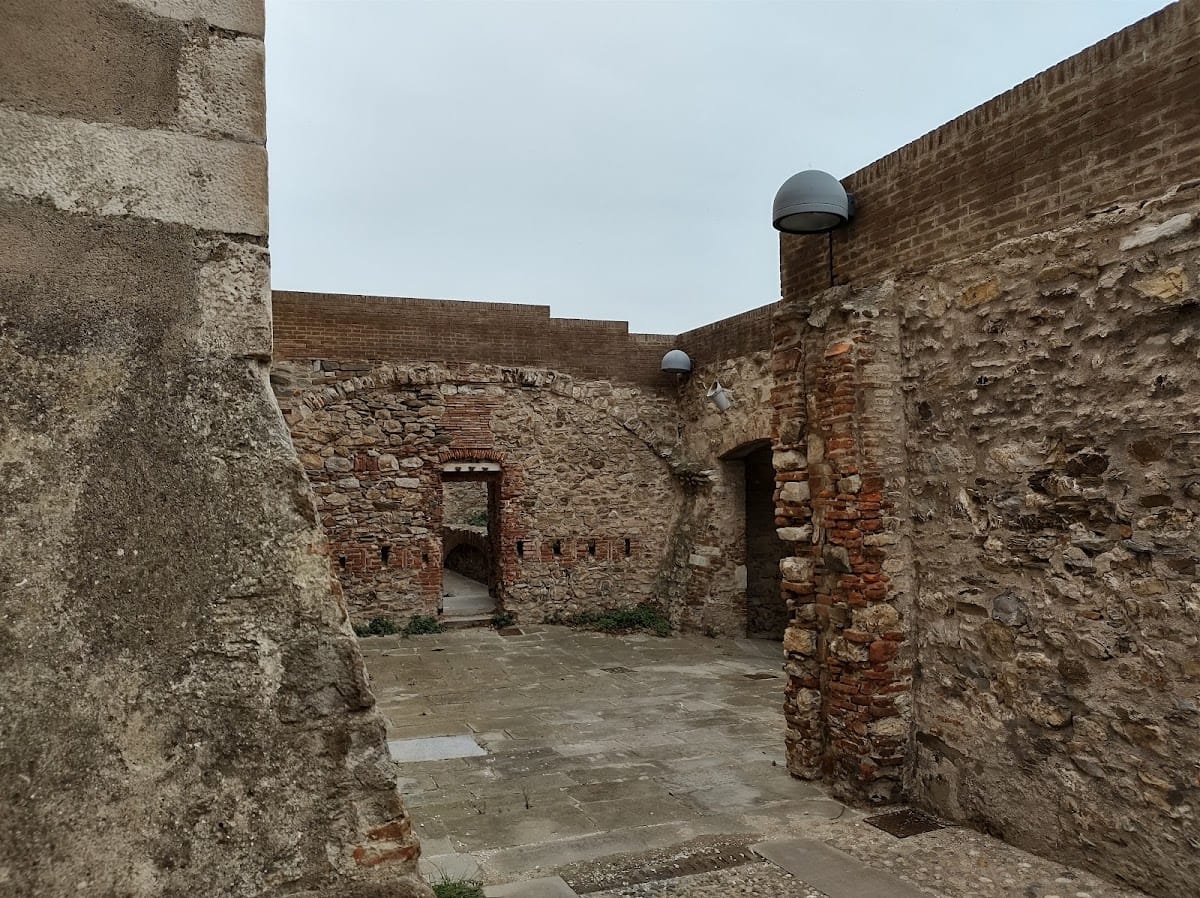
Throughout its preservation, the castle retains its original medieval elements alongside the Renaissance modifications, allowing visitors to appreciate both phases of its architectural evolution. The internal spaces house the museum, with the upper levels dedicated to exhibits on more recent history, including Piombino’s experience during the 20th century and the Italian Resistance. This layered use of the castle underscores its continuous importance to the community over many centuries.
Nearby sites