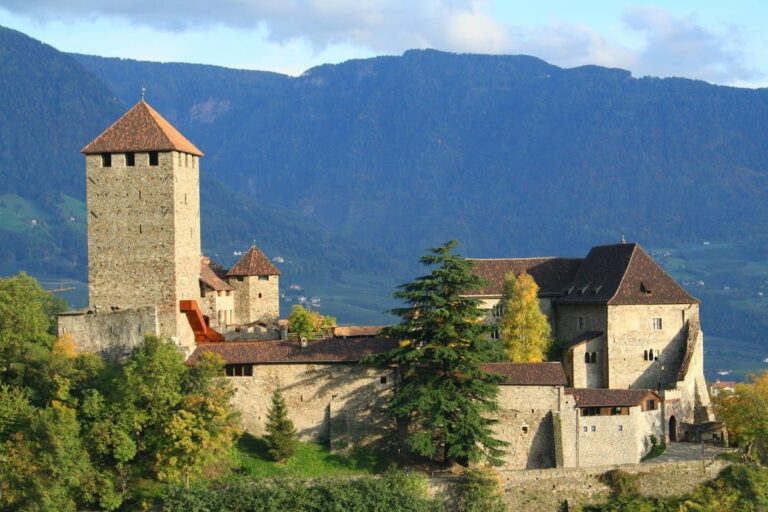
Juval Castle: A Medieval Fortress and Museum in Italy



Visitor Information
Google Rating: 4.5
Popularity: Medium
Google Maps: View on Google Maps
Official Website: www.messner-mountain-museum.it
Country: Italy
Civilization: Medieval European
Remains: Military

History
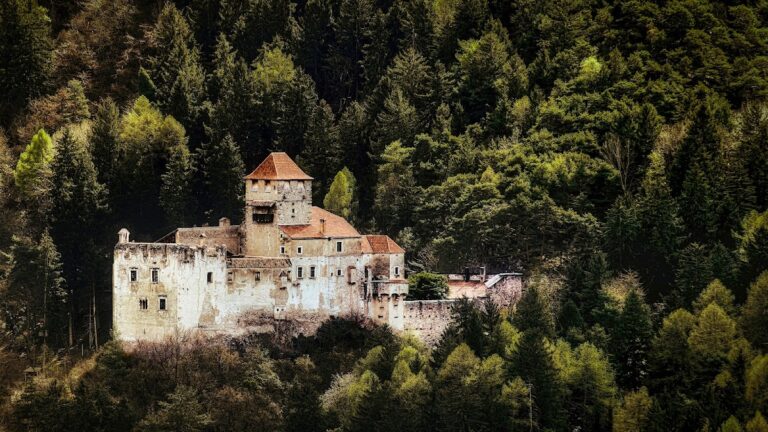
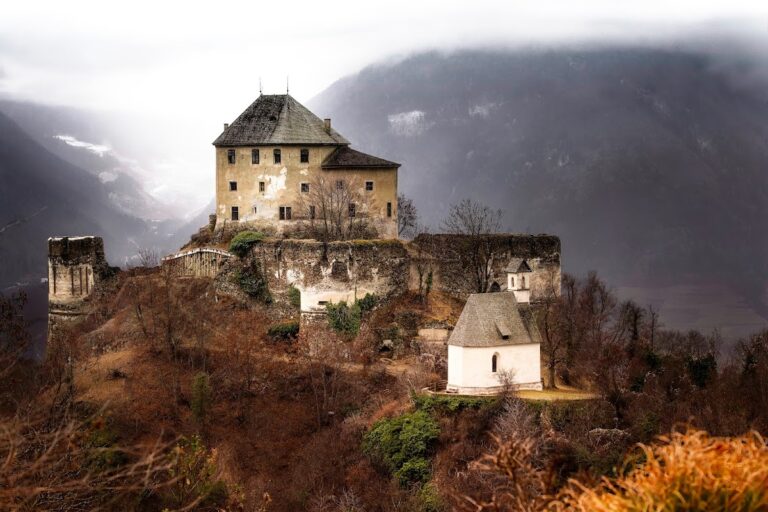
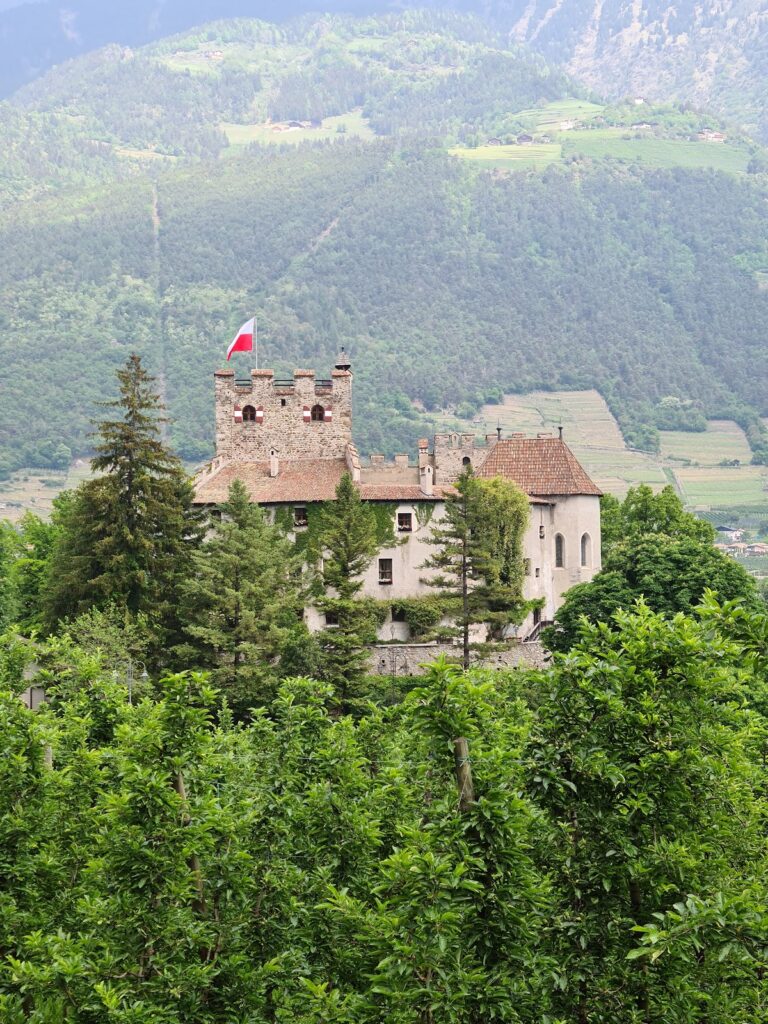
Juval Castle stands on a hill near the entrance to the Schnalstal valley within the municipality of Kastelbell-Tschars in Italy. It originated in the medieval period, constructed by a European civilization known for its castle-building traditions around the mid-13th century.
Archaeological findings reveal that the castle’s location had strategic significance long before the fortress itself was built, with evidence of continuous human settlement on the rocky plateau from the Neolithic era through the Late Bronze Age. This prolonged use highlights the site’s importance as a defensible point commanding the single accessible passage into the valley.
The earliest written record of Juval Castle dates from 1278, when it was held by Hugo von Montalban, a member of the Montalban family. This family belonged to the Welf ministerial class established in Tyrol during the 11th century, known for controlling several castles and exercising judicial authority in the area. Throughout the late 13th to 15th centuries, ownership of the castle passed through various noble lineages, including the Starkenbergs and later the Hendl family. The Hendl family maintained possession for nearly 200 years, having been elevated to the rank of counts at the close of the 17th century.
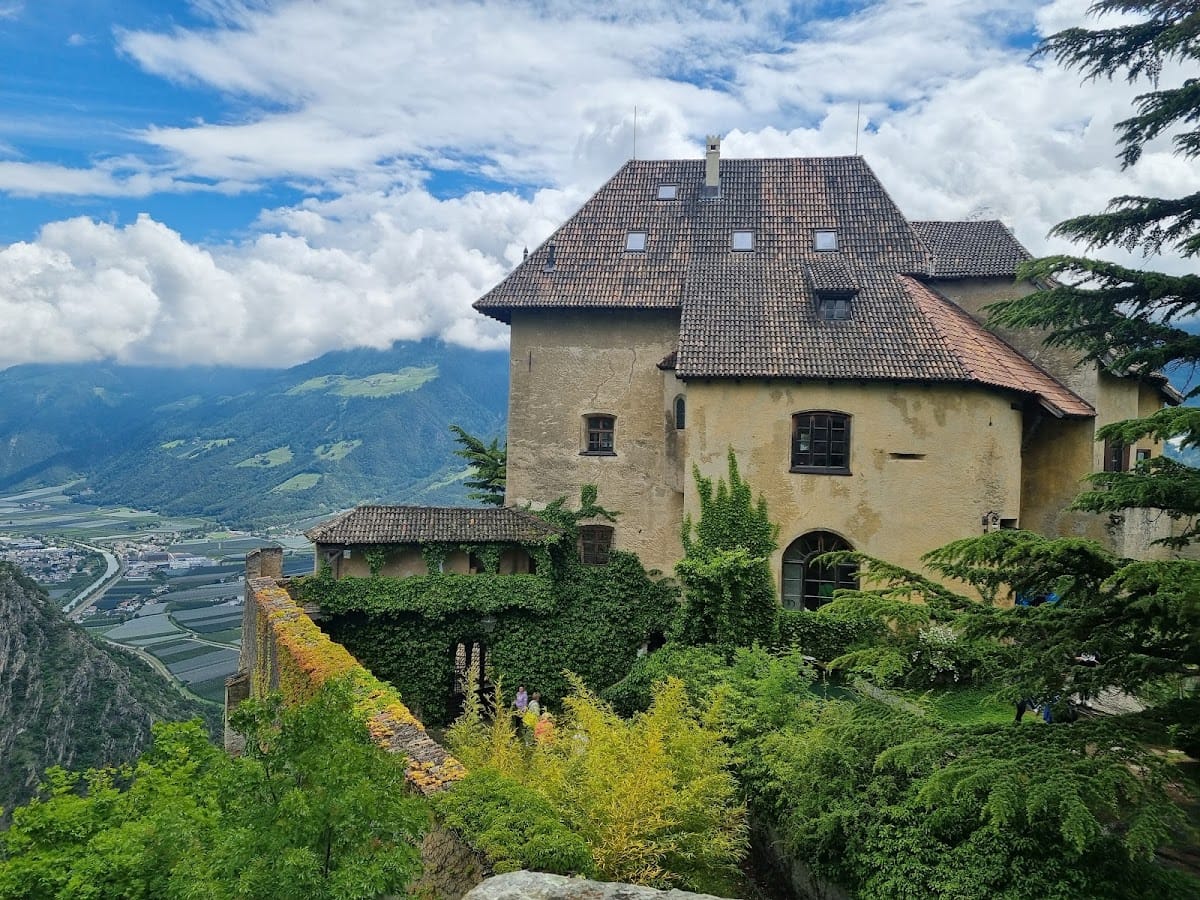
In the mid-16th century, Hans Sinkmoser, who held a senior position within the Tyrolean Kellenamt—a regional administrative office—acquired the castle. At that time, the fortress was in a state of disrepair. Sinkmoser undertook significant renovations, converting Juval into a Renaissance-style residential castle. This transformation gave the building a character suited for habitation and representation, a form that remains largely intact today.
The castle experienced decline in the 19th century, during which it lost its military and residential functions and was used as a farmstead. Structural failures affected the building, and it was considered a ruin by the early 20th century. In 1913, William Robert Rowland, a wealthy planter and writer born in Vienna, purchased Juval Castle. Between 1923 and 1928, he carried out extensive restoration work under the guidance of architect Adalbert Wietek. This effort faced bureaucratic hurdles from the local heritage authorities but resulted in substantial preservation of the structure.
During the Second World War, German forces confiscated Juval Castle and repurposed it for industrial use as a factory producing shoes and laundry items. Forced labor was employed under harsh conditions within these premises.
After the war, the castle exchanged ownership several times until 1983 when Reinhold Messner, an internationally known mountaineer from South Tyrol, became its owner. He undertook further restoration and used the castle as his summer home until 2025. Messner established the Messner Mountain Museum Juval within the castle to display his collection of Tibetan art and ethnographic objects related to mountain cultures worldwide.
Remains
Juval Castle is positioned on a rocky hilltop around 1,000 meters above sea level, overseeing the path into the Schnalstal valley. Its core features date back to the Romanesque period of medieval architecture, with foundational structures that reflect common building methods of the 13th century.
Among the earliest confirmed elements is a stone niche carved with a Carolingian-style cross, embedded into a defensive wall. This symbol, characteristic of the early medieval period, confirms the site contained fortified structures predating the castle’s 13th-century construction. Supporting this is the presence of two marble stones, also from the 12th century, decorated with interlaced patterns typical of that era. These remain in situ, illustrating the continuity of occupation and architectural development.
The Renaissance remodeling carried out by Hans Sinkmoser in the 1500s imparted a residential elegance to the castle. Large windows and representative living spaces were added, transforming the fortress from a mere stronghold into a comfortable dwelling. Those renovations have been carefully maintained or restored through the following centuries.
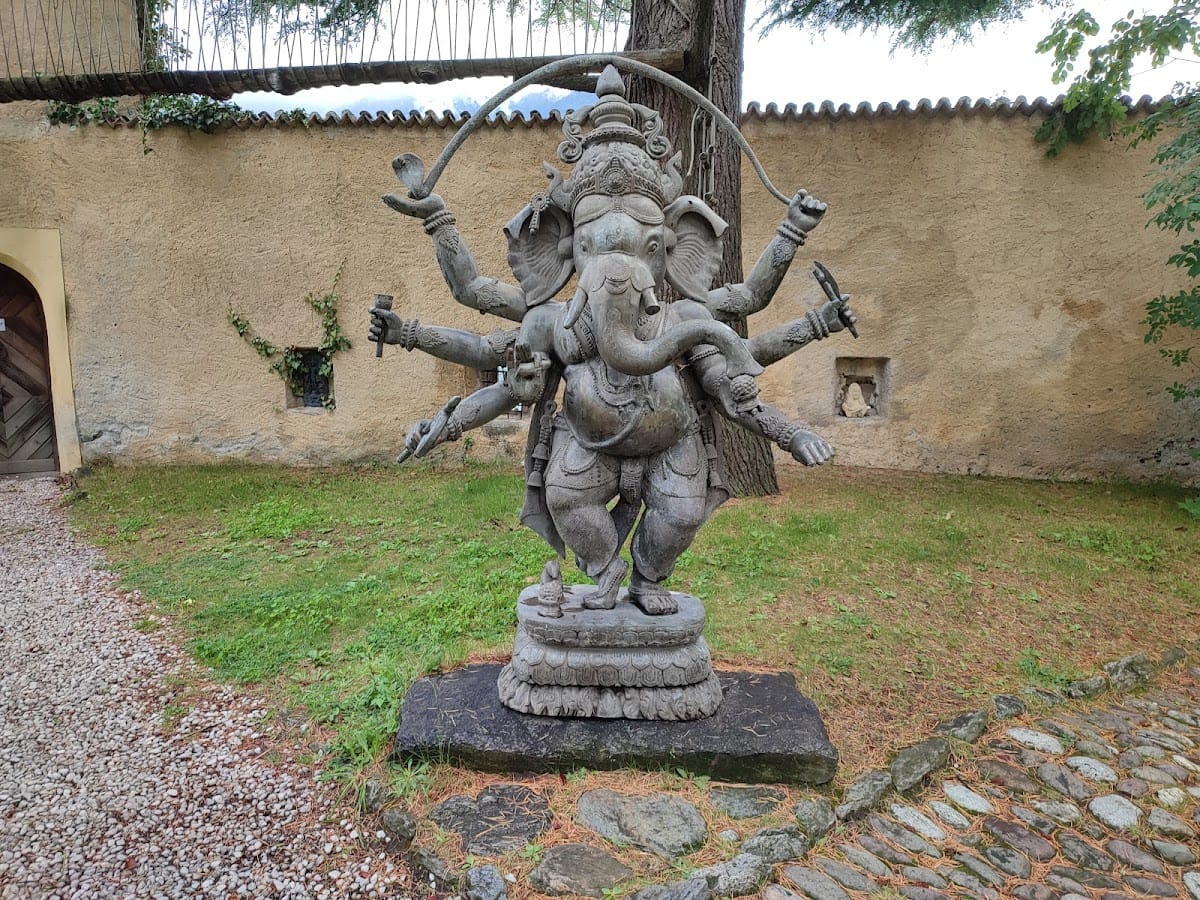
In the early 20th century, architect Adalbert Wietek’s restoration included stabilizing decayed walls and preserving original materials, despite resistance from regional monument authorities. The castle complex now features a courtyard that serves as a display area for part of the Tibetan art collection introduced by Reinhold Messner. Items such as a statue of Ganesha, a mask representing Bhairab, and a figure of the Hindu god Shiva as Nataraja illustrate the ethnographic scope on exhibit.
The Messner Mountain Museum Juval includes displays of masks and artworks from various mountain cultures worldwide, emphasizing the cultural diversity connected by mountainous environments. To protect certain parts of the castle, a glass roof designed by architect Robert Danz of Germany was installed in the 1990s, blending modern architectural elements with the historic fabric.
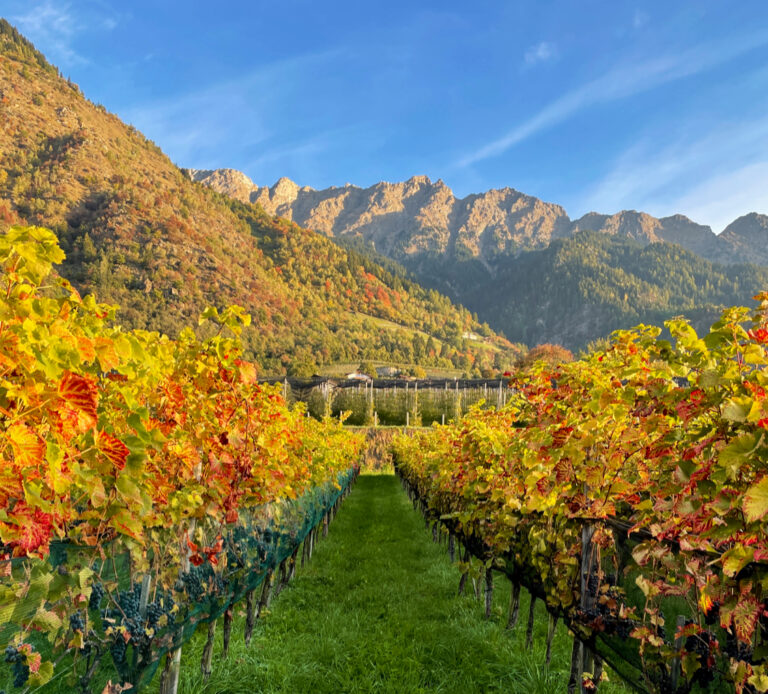
Surrounding the castle grounds is a botanical trail accessible to visitors, which complements the cultural exhibits. Nearby, a farm established by Messner includes a breeding program for yaks, animals linked to high-altitude pastoral life, and a vineyard alongside a tavern. These features enrich the cultural landscape adjacent to the historical site.
Access to Juval Castle is via footpaths or shuttles, preserving the rugged setting typical for medieval hilltop fortresses. The museum closes during the months when Messner occupies the residence, maintaining the balance between private use and public cultural offerings.
Nearby sites