Hever Castle: A Historic Medieval and Tudor Manor in England



Visitor Information
Google Rating: 4.8
Popularity: High
Google Maps: View on Google Maps
Official Website: www.hevercastle.co.uk
Country: United Kingdom
Civilization: Medieval European
Remains: Military

History
Hever Castle, located in the village of Hever in England, was initially constructed during the medieval period by English builders. Its origins date back to the 13th century, marking it as a medieval stronghold of significant local importance.
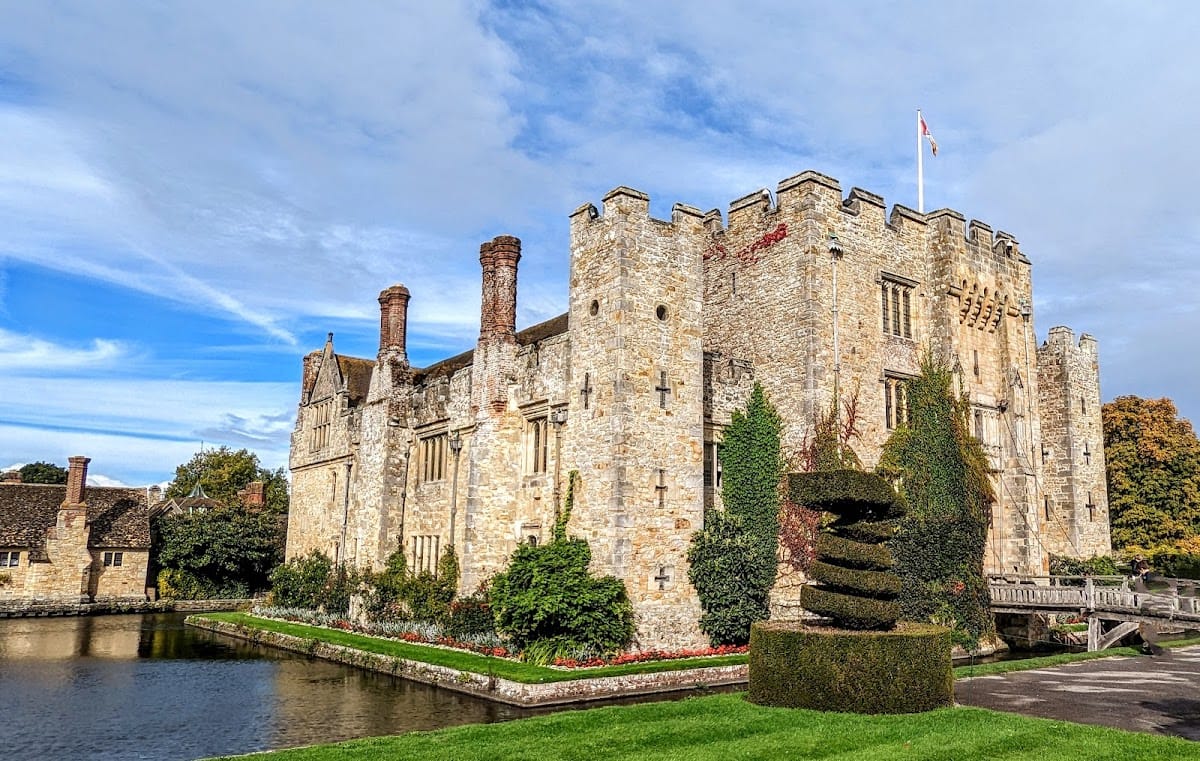
The earliest part of the castle, including the gatehouse and surrounding defensive wall known as a bailey, was established around 1270 when James Fiennes, the first Baron Saye and Sele, owned the fortification. Over time, the castle fell into disrepair until the mid-15th century, when Geoffrey Boleyn, related to the prominent Boleyn family, undertook major renovations. In 1462, he transformed the old fortress into a Tudor manor house by adding a residential wing within the existing stone walls, marking a shift from purely defensive use toward a stately family home.
Geoffrey’s grandson, Thomas Boleyn, inherited the property in 1505. He resided there with his family, including his daughter Anne Boleyn, who spent her early years in the manor before leaving for the Netherlands in 1513 to continue her education. Hever remained under the Boleyn family’s possession until 1539. Following that, King Henry VIII acquired the castle and granted it in 1540 to his fourth wife, Anne of Cleves, after their marriage was annulled.
Subsequent centuries saw Hever Castle pass through several families, including the Waldegrave family from 1557 to 1715, the Humfreys family until 1749, and the Meade-Waldo family through the 18th and 19th centuries. During this period, the property declined and was rented by private tenants, indicating its diminished status.
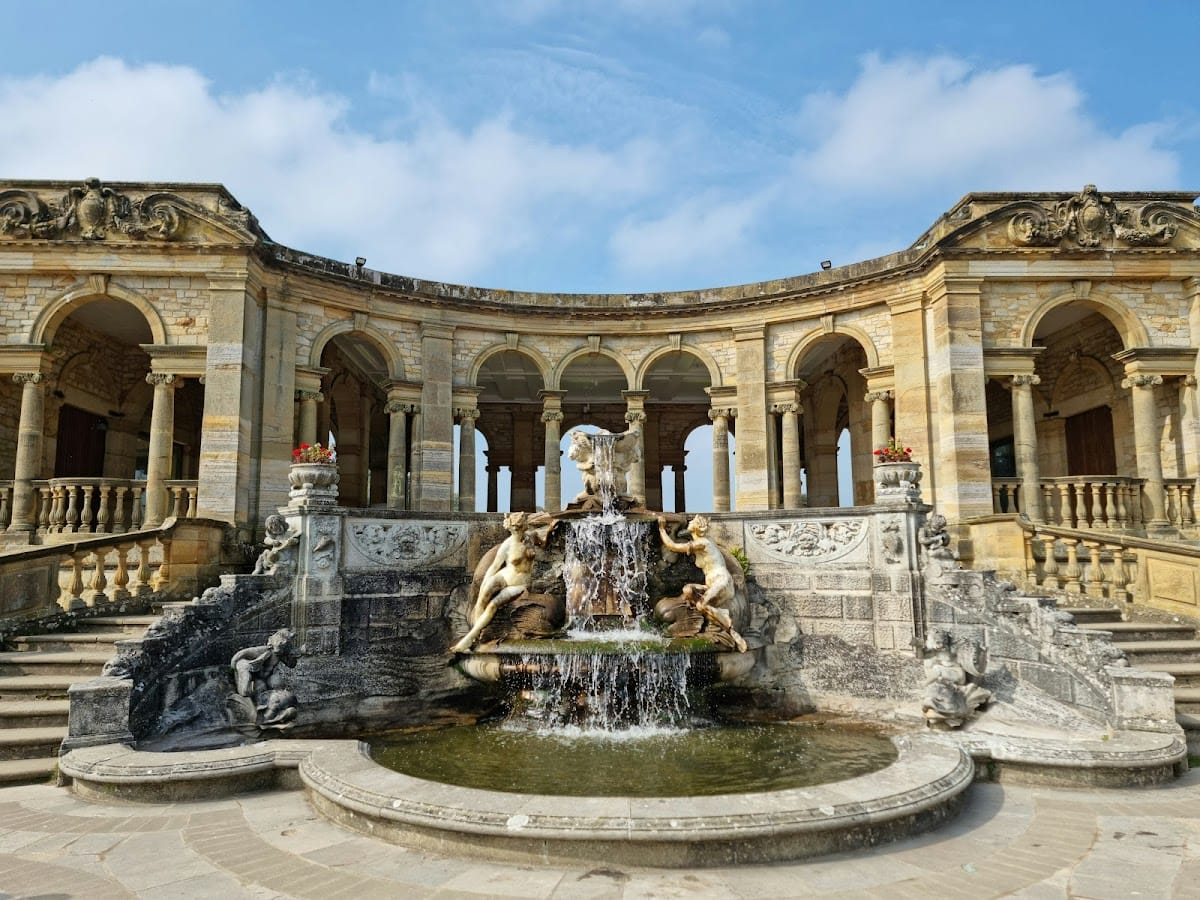
The castle experienced a revival beginning in 1903 when William Waldorf Astor, an American millionaire, purchased and began restoring it. Astor added new elements such as the Tudor-style Astor Wing and designed an Italian garden to showcase his collection of statuary and ornamental pieces. After remaining with the Astor family for several decades, the estate was sold in 1983 to Broadland Properties Limited, which would continue its preservation.
Remains
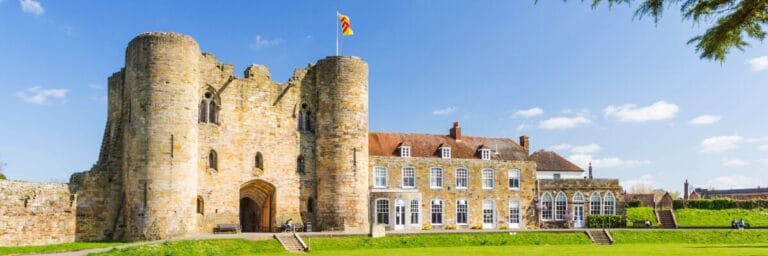
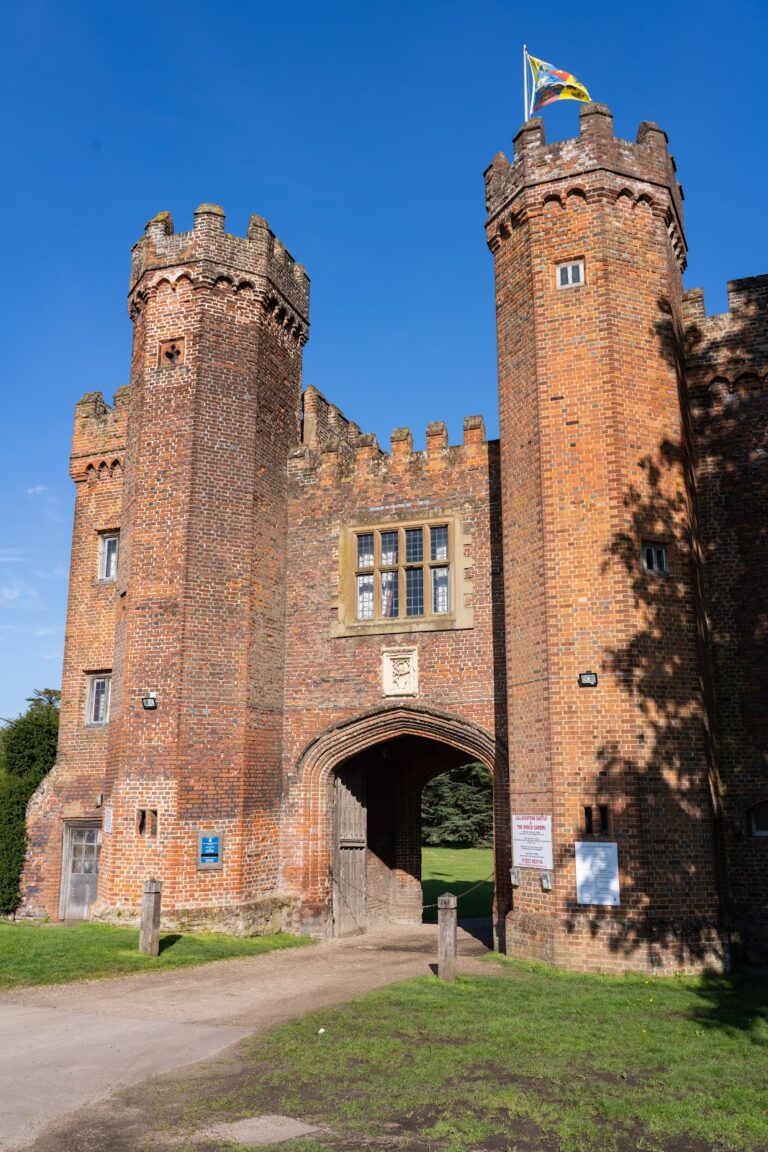
Hever Castle’s layout centers around a stone-built gatehouse and enclosing walls that form the bailey, an enclosed courtyard typical of medieval fortifications. The gatehouse remains the oldest surviving component of the structure, dating to the late 13th century. It retains its original working portcullis, an iron grille that could be lowered to block the entrance, recognized as the oldest in England still operational today.
Within the castle walls, remnants of timber framing from the original country house are visible, offering insight into construction practices of the period when fortified homes transitioned into comfortable residences. The building extends across three floors, each housing collections of antique furnishings, Tudor-era paintings, and personal items linked to Anne Boleyn, including her prayer books. One area contains a display of instruments of torture, reflecting the harsh methods used in past centuries.
The surrounding grounds feature several distinct garden elements introduced during restoration efforts. Of particular note is a yew hedge maze first planted in 1904, designed to engage visitors with its intricate pathways. A water maze, opened in 1999, challenges visitors to reach a central decorative structure called a folly without stepping into the surrounding water. A children’s adventure playground with a maze-like tower is currently undergoing reconstruction, continuing the tradition of interactive garden features.
The castle’s gardens include an Italianate style layout, featuring a fernery for shade-loving plants, dedicated rose and herb gardens, and carefully trimmed topiary walks. These gardens complement the historic character of the estate and showcase landscaping trends from various periods of its history.
Hever Castle also maintains 28 guest rooms functioning as bed and breakfast accommodations and three restaurants located within the garden areas. Among the historical fittings, some doors still bear locks attributed to King Henry VIII, believed to have been used for his private security during visits to the castle.
Nearby sites