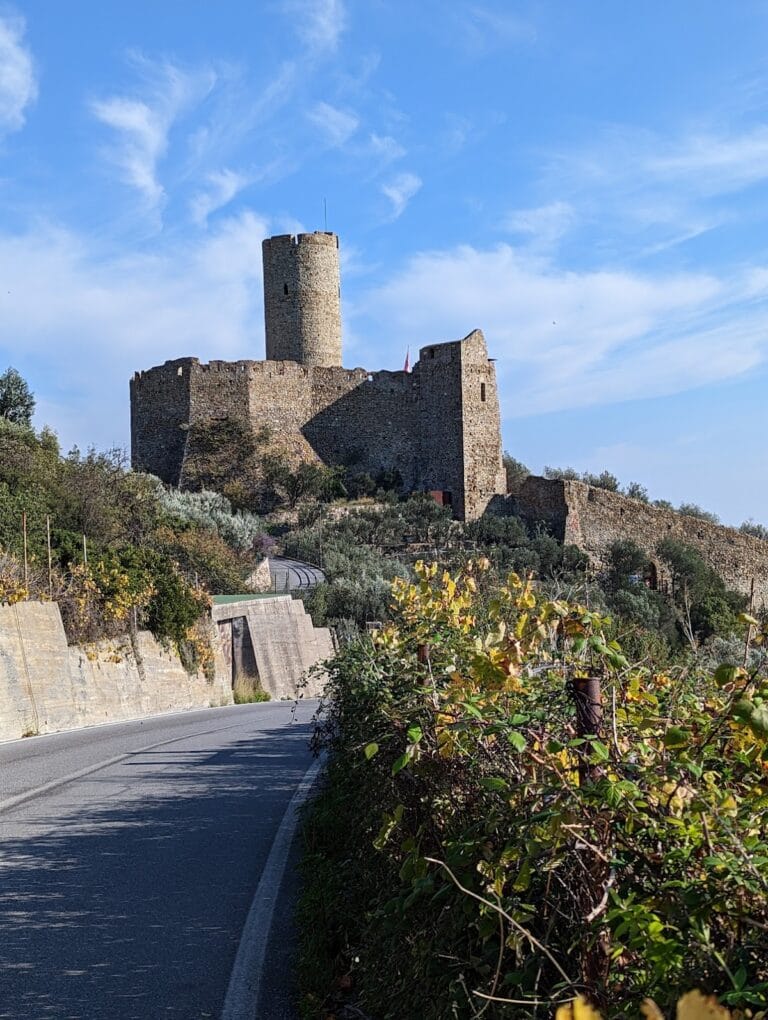
Castle of Nucetto: A Medieval Fortress in Italy

Visitor Information
Google Rating: 4.4
Popularity: Very Low
Google Maps: View on Google Maps
Official Website: nucetto.net
Country: Italy
Civilization: Unclassified
Remains: Military

History
The Castle of Nucetto is a medieval fortress located in the municipality of Nucetto in Italy. It was constructed around the year 1000 by the local civilization of the time, likely during the reign of Arduino, a ruler associated with the early medieval period in this region.
Initially, the castle held a strategic position due to its proximity to a bridge over the Tanaro River. This bridge was a key crossing point linking the regions of Piedmont and Liguria, making the castle an important site for controlling regional communication and defense. Its location allowed the occupants to monitor and protect movement along this significant route.
Following its early establishment, the castle came under the control of the Aleramici family, the marquises of Ceva. It became the seat of a branch known as Ceva di Nucetto. During this period, Giorgio II of Ceva, nicknamed “the Dwarf,” undertook significant structural and aesthetic enhancements to the castle, improving both its defenses and appearance.
In 1414, the castle was damaged during armed conflicts between the House of Savoy and the Marquisate of Ceva. Despite the substantial harm, the Ceva marquises succeeded in regaining possession and restoring the fortress to its former condition. Later, the castle passed into the hands of the House of Savoy through a gift to Beatrice of Portugal, who became Duchess by marrying Carlo II of Savoy. This transfer integrated the castle into the growing Savoyard territories.
Centuries later, during the Napoleonic Wars, the Castle of Nucetto found itself involved in military action once again. French troops partially destroyed it to prevent its potential use by enemy coalitions opposing Napoleon’s forces. This deliberate damage marked another turning point in the castle’s history and contributed to its decline.
Near the castle stands a small church dedicated to Saints Cosmas and Damian. This building once served as the parish church of Nucetto but has since been deconsecrated, no longer functioning as a place of worship.
Remains
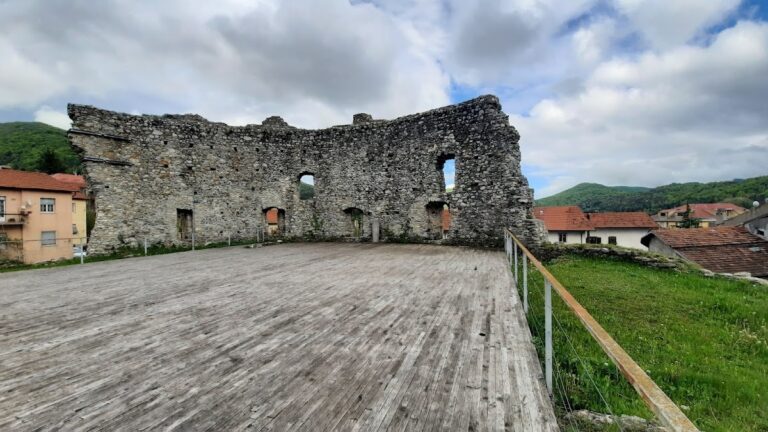
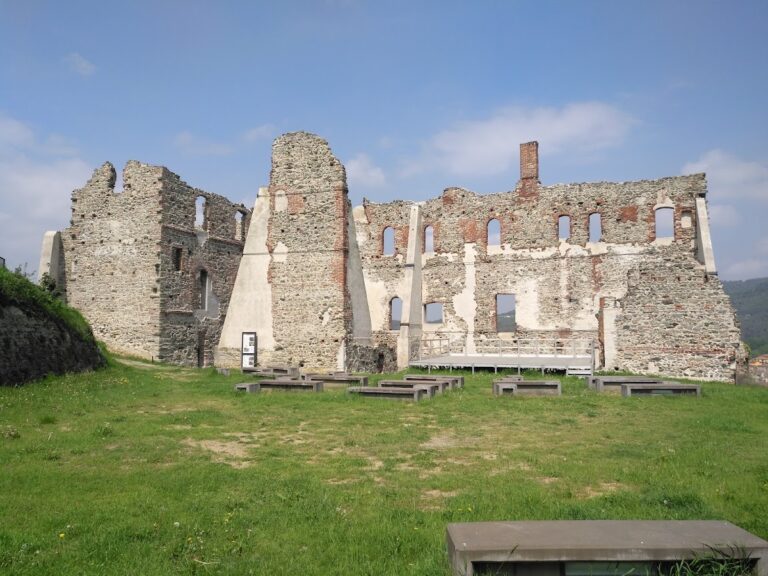
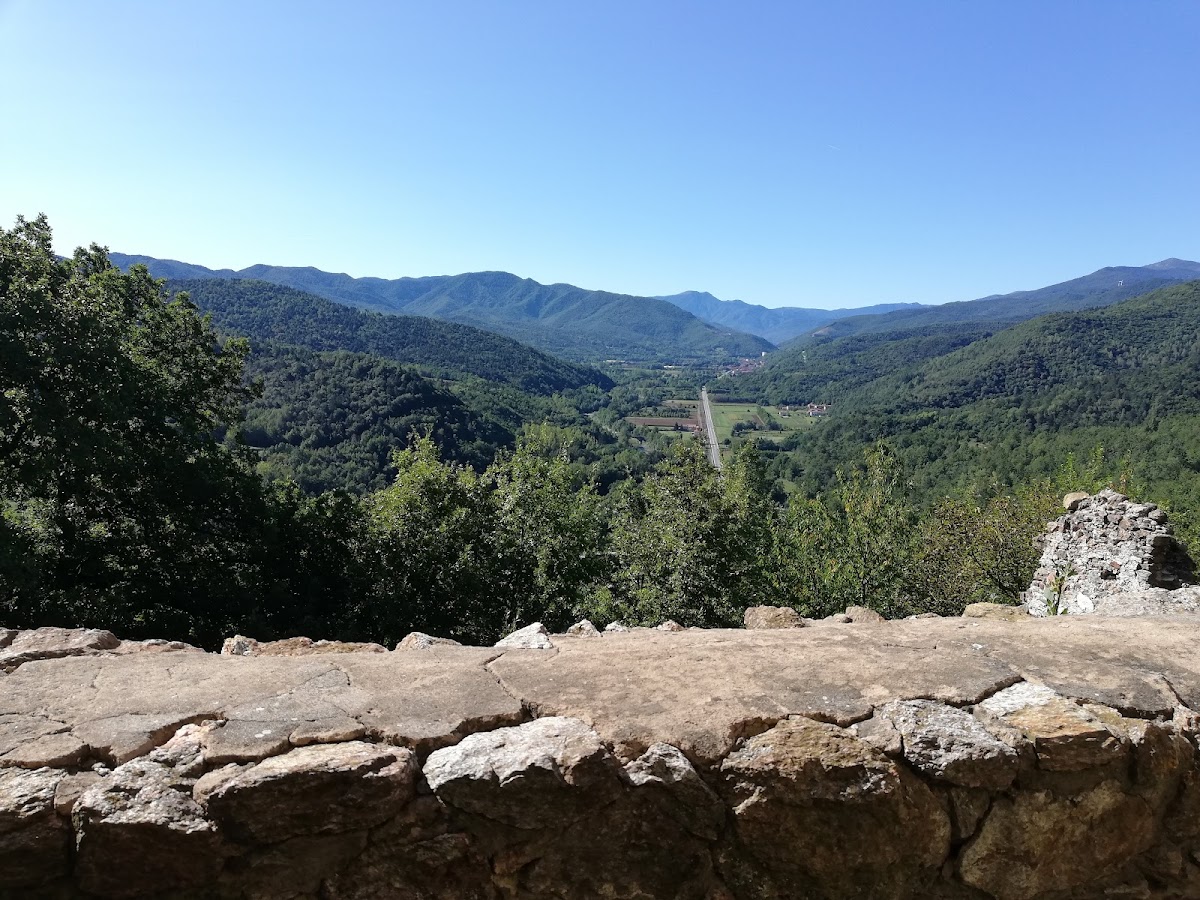
The Castle of Nucetto is positioned roughly 600 meters above sea level on a rocky spur that extends from the watershed between the Mongia and Tanaro rivers toward the main valley of Val Tanaro. This elevated placement provides a commanding view over the valley and the village of Nucetto below. Its stone construction follows the typical layout of medieval fortifications designed to exploit natural terrain for defense.
Among the surviving elements, a tall tower, known locally as the torrione, remains standing. This structure would have served as a lookout and a strongpoint within the castle, allowing defenders to observe the surrounding landscape for advancing threats. Alongside the tower, large segments of the perimeter walls remain intact, outlining the original extent of the fortress’s defenses.
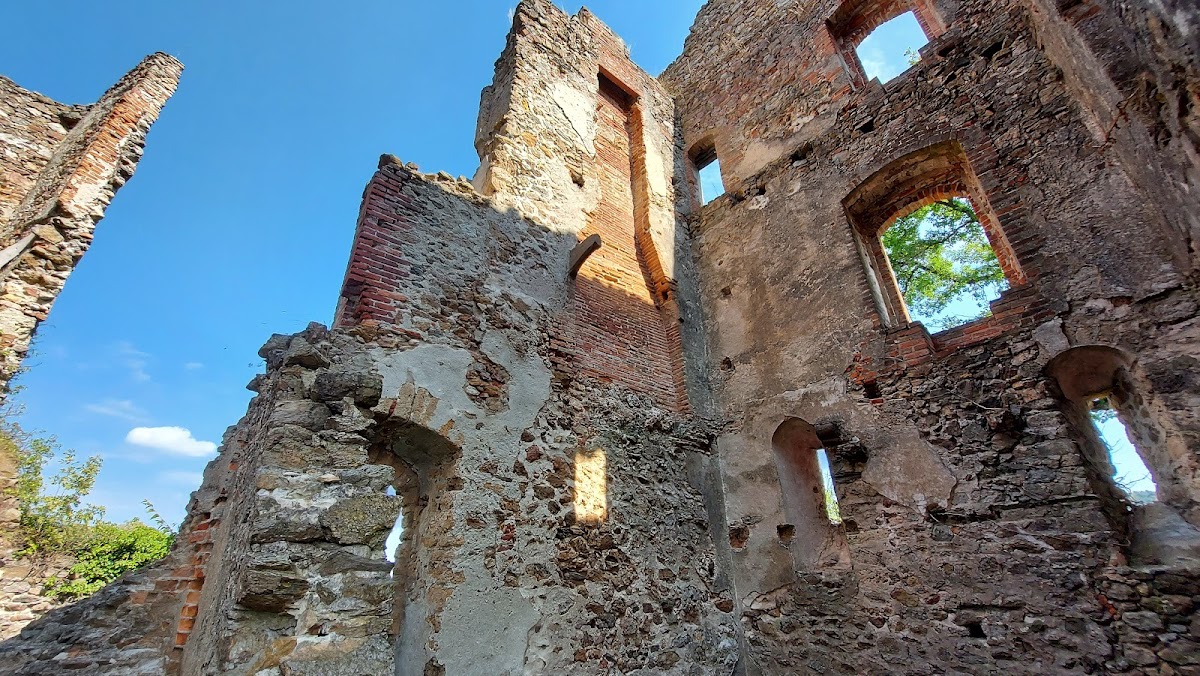
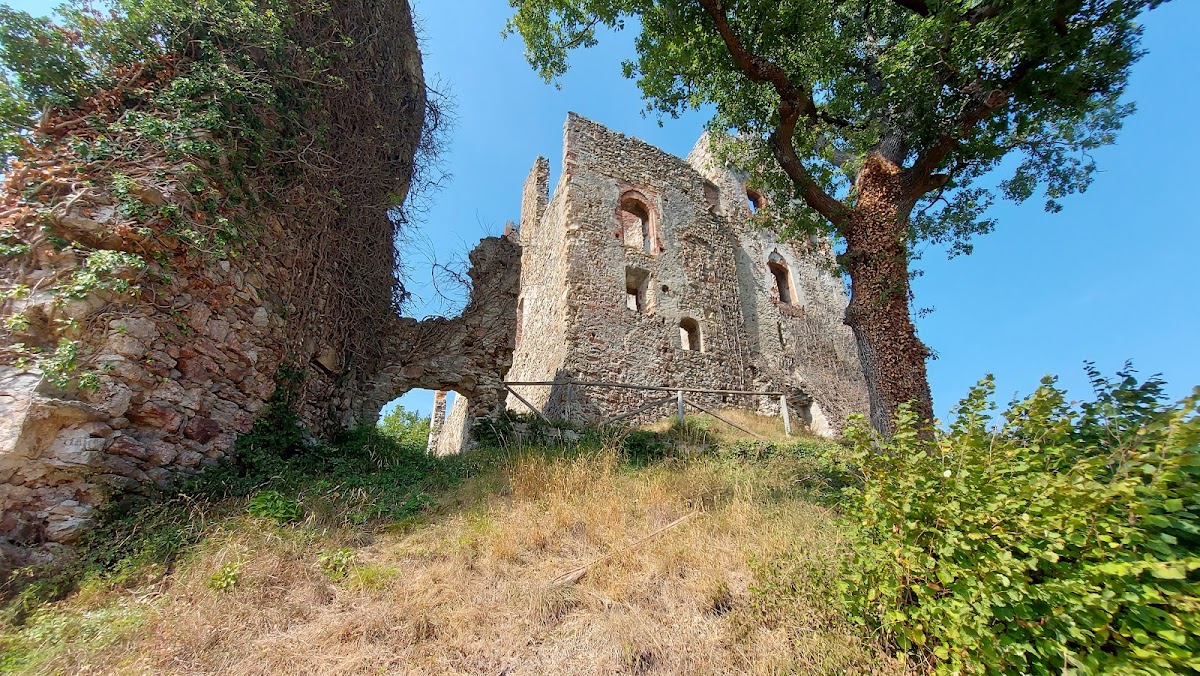
The materials used in construction are primarily local stone, fashioned into substantial walls that once enclosed the castle grounds. These remnants preserve the character of the medieval fortress but show signs of wear and partial ruin. Over time, modifications linked to different phases of use and restoration are evident, reflecting the castle’s long history of occupation and repair.
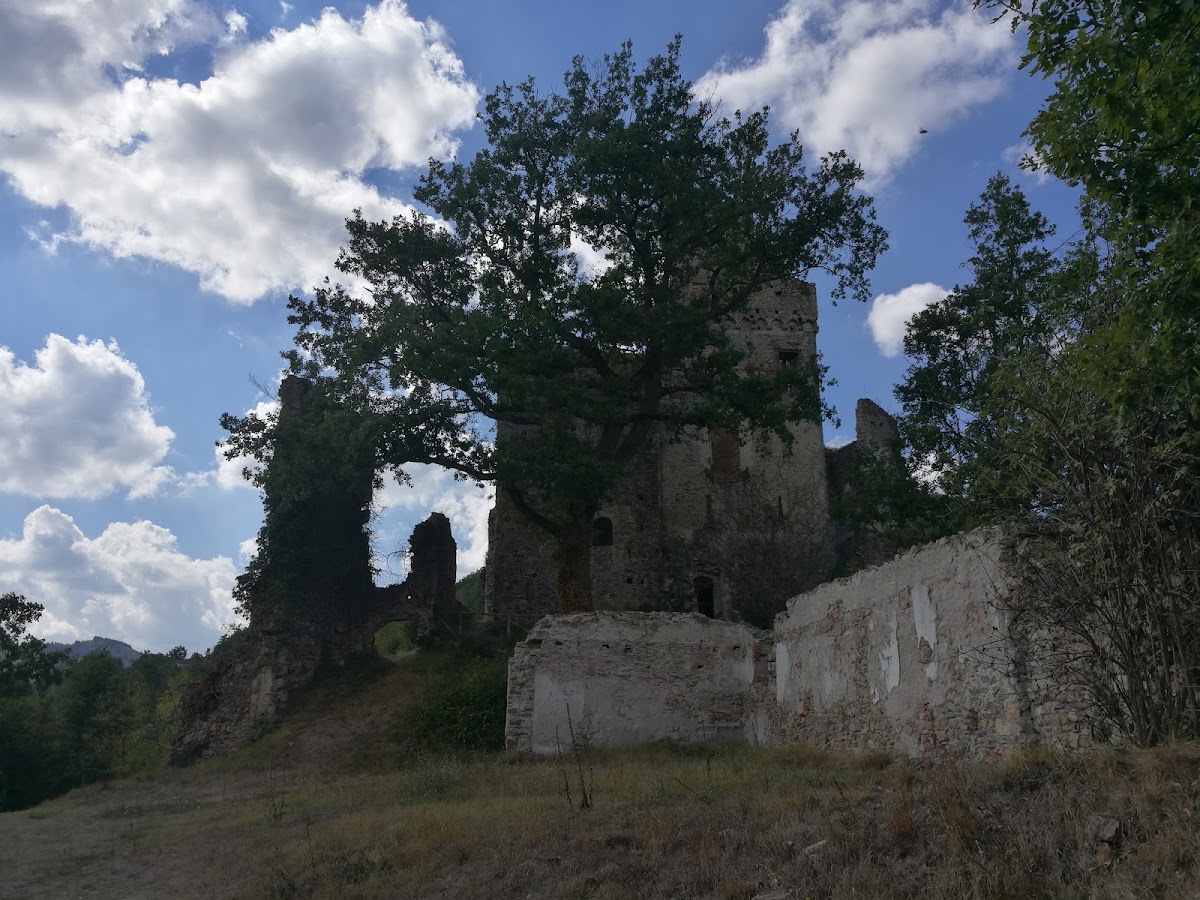
Today, the site is accessible to the public but is considered to be unstable in places, with parts of the structure at risk of collapse. The castle’s state prompts careful navigation around the ruins. Close to the castle is the former parish church of Saints Cosmas and Damian, which now stands deconsecrated, serving as a reminder of the historical religious presence in the area.
Overall, the remains of the Castle of Nucetto illustrate its former role as a fortified lookout overseeing the Val Tanaro and its importance in regional military and political history.
Nearby sites