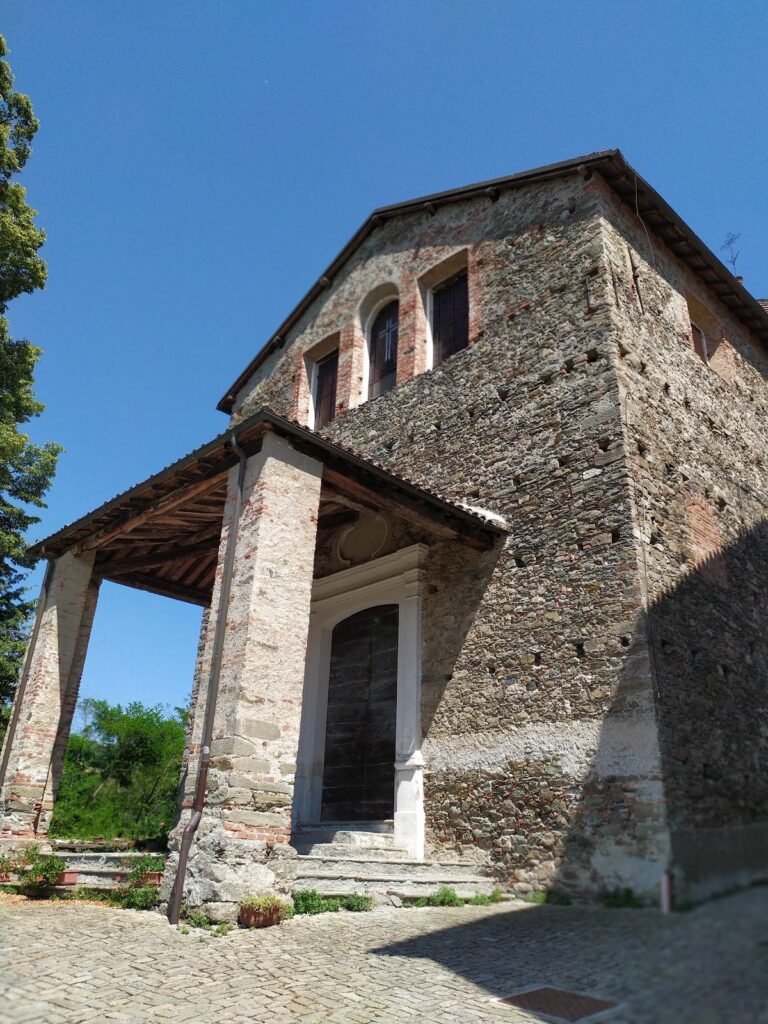
Cairo Montenotte Castle: A Fortified Residence in Italy



Site at a Glance
- Rating
- 4.4
- Popularity
- Very Low
- Country
- Italy
- Primary era
- Medieval
- External website
- Open
- Eras represented
- Medieval
- Civilizations
- Unclassified
- Site type
- Military
- Remains
- Castle
On this page5 sections
History
Cairo Montenotte Castle, also known as Del Carretto–Scarampi Castle, is a fortified medieval residence in Italy, above Cairo Montenotte in the upper Bormida Valley. Probably built between the eleventh and twelfth centuries, it became the residence of Ottone Del Carretto after the division of his father Enrico I Del Carretto’s lands between Ottone and Enrico II, following Enrico I’s death between 1184 and 1186. The castle’s position connected local lordship with the settlement below and with a commercial route across the valley.
The Del Carretto Lords
The castle overlooked Cairo and the road toward Cortemilia, Alba, and Asti, known as the Magistra Langarum. In 1214, Ottone I transferred his lands to the Republic of Genoa and received an official investiture, the formal confirmation of land and authority by a superior power. During the thirteenth century, Cairo and its castle entered a period of prosperity and prominence. Conradin of Swabia, a Hohenstaufen dynastic claimant active in thirteenth-century Italy, visited or passed through the settlement in 1268. Medieval poets and troubadours, including Folquet de Romans, Pietro de la Mula, and Arnaut Daniel, were also associated with visits or passages there.
A local legend places Francis of Assisi at Ottone I’s court in 1213, where he is said to have cured Ottone’s deaf-mute daughter. The tradition adds that Ottone then began building a Franciscan convent, a religious institution associated with the Order of Friars Minor, and that the Del Carretto family received burial rights there. This account belongs to local foundation tradition rather than established historical fact.
The Scarampi Residence
In 1322, the lands and properties associated with the castle passed to Manfredo IV, Marquis of Saluzzo. Between 1337 and 1339, they passed to the Asti-based Scarampi family, who altered the castle and made it their residence. The Del Carretto and Scarampi were noble families that successively controlled the castle and its surrounding lands.
War and Abandonment
Cairo and the castle became involved in sixteenth- and seventeenth-century wars of succession, in which Genoese, French, Spanish, and Savoyard forces took part. In 1625, Amedeo I of Savoy, a ruler of the House of Savoy, subjected the settlement to a heavy attack. By 1627, the former Del Carretto residence had been reduced to a few ruins, and the Scarampi moved their residence to a palace in Cairo. The castle’s strategic function ended in 1627. It has been recognized as Italian national heritage since 1937.
Remains
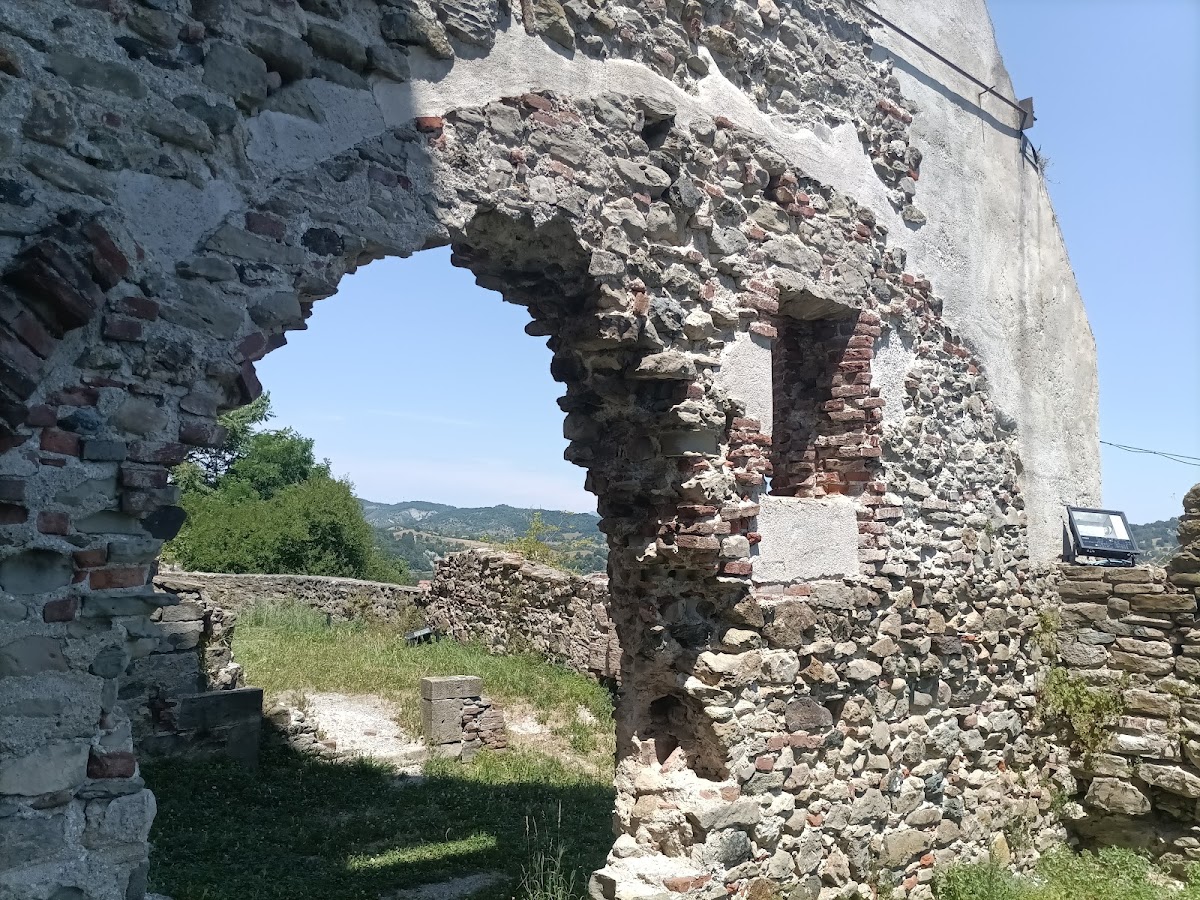
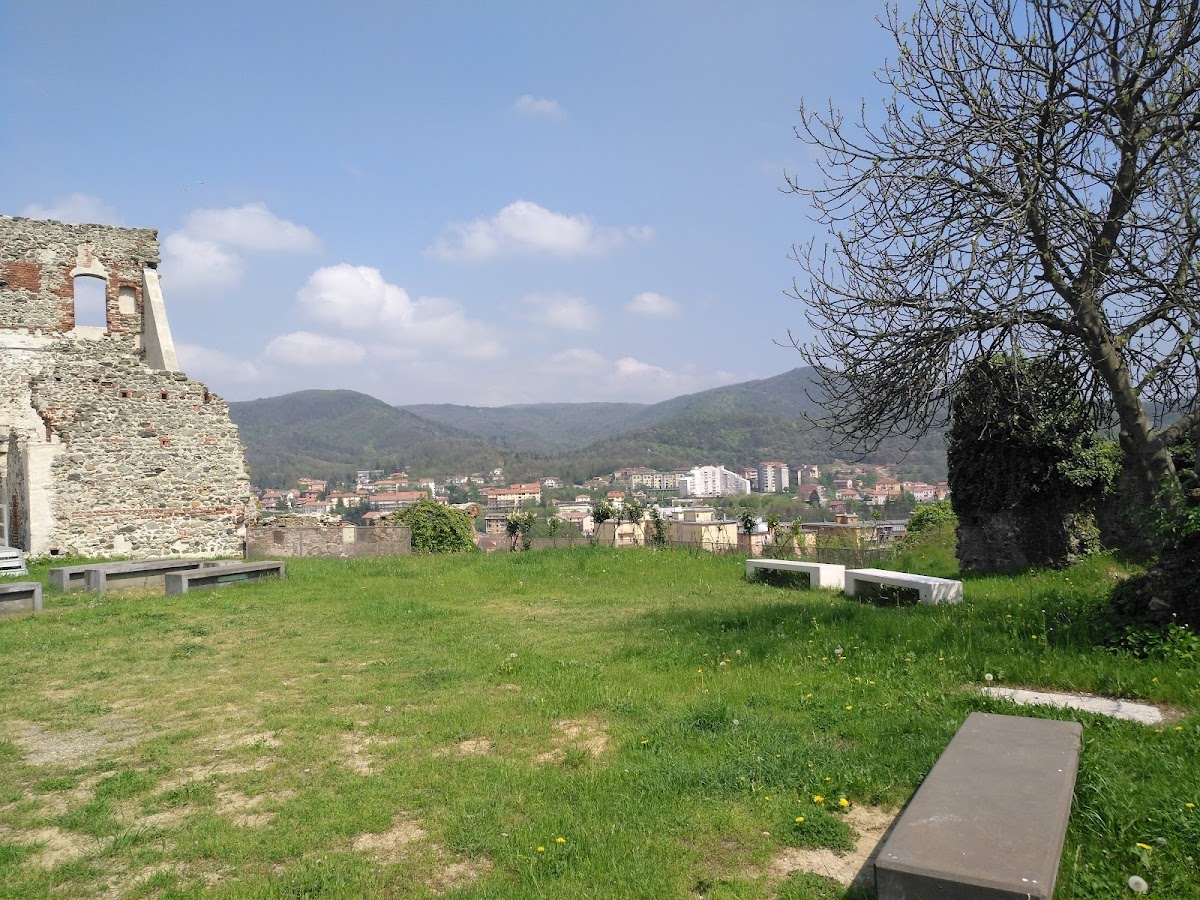
Cairo Montenotte Castle survives as the ruins of a fortified castle-residence built in a dominant position above the settlement. The defensive complex was associated with protecting Cairo and the commercial road through the upper Bormida Valley. Its construction is generally placed between the eleventh and twelfth centuries, with another building or alteration phase attributed to the fourteenth century.
The surviving fabric reflects the castle’s development under the Del Carretto and Scarampi families. The Scarampi adapted the earlier defensive complex for residential use, while the later destruction reduced the former residence to fragmentary ruins. These remains preserve the physical evidence of a site that combined local defence, lordly residence, and control of movement through the valley.
Nearby sites