Castillo de Juslibol: A Medieval Fortress in Juslibol, Spain



Visitor Information
Google Rating: 4.1
Popularity: Low
Google Maps: View on Google Maps
Official Website: www.zaragoza.es
Country: Spain
Civilization: Unclassified
Remains: Military

History
The Castillo de Juslibol is a medieval fortress located in the municipality of Juslibol, Spain. It was originally constructed by Muslim inhabitants during the 11th century Taifa period as part of the defensive network surrounding the city of Saraqusta, known today as Zaragoza.
During this time, the castle functioned as a ḥiṣn, a type of fortified watchtower, situated outside the main city walls in an area called Mezimeeger. Its primary role was to monitor and defend against potential raids or attacks by Christian forces approaching from the northwest. The strategic position of the fortress allowed it to serve as an early warning post and protective barrier for Saraqusta.
Following the military campaigns led by King Pedro I in 1101, the Mezimeeger territory, including the fortress, came under control of the Christian Kingdom of Aragón. The area was renamed Juslibol, a name believed to originate from the Christian battle cry “Deus vult,” meaning “God wills it,” which was famously used during the campaigns to reclaim territory from Muslim rule. Alongside the nearby Castillo de Miranda, Juslibol played a significant part in the Christian siege aimed at capturing Zaragoza, a campaign that concluded successfully on December 18, 1118.
After the reconquest, the castle’s military relevance declined rapidly, leading to its abandonment as a defensive stronghold. In 1134, King Alfonso I transferred ownership of the castle to the Garcés family, signaling its change from a military asset to a noble estate. Later, in 1160, Count Ramón Berenguer IV of Barcelona donated the fortress to the Bishopric of Zaragoza, indicating its growing ecclesiastical association.
Throughout the 13th century, ownership shifted several times; the castle returned briefly to royal possession before King James I of Aragón sold it to the Archbishopric of Zaragoza in 1233. Following these transfers, the fortress gradually ceased to function as a military or administrative installation, reflecting its diminished strategic importance in the region.
Remains
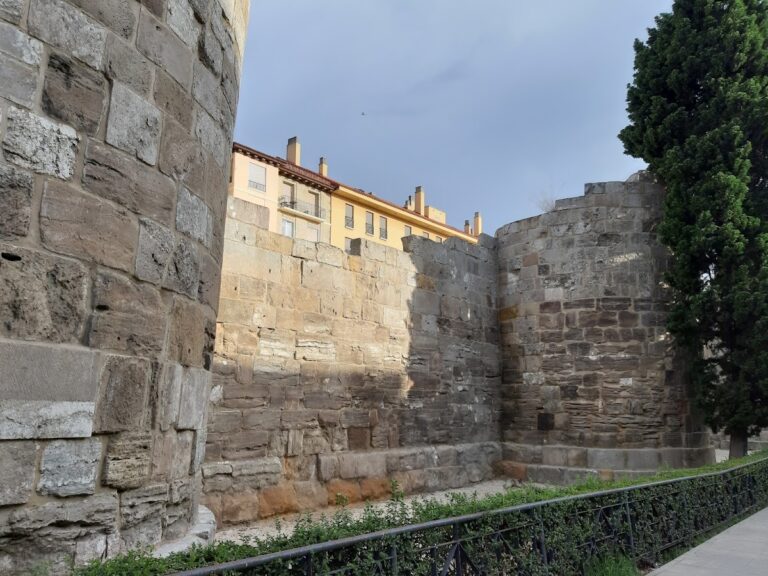
The remains of Castillo de Juslibol reveal the outline of a small fortress built using traditional medieval construction methods of the period. The castle occupied an irregularly shaped enclosure characterized by walls constructed from rammed earth (known as tapial) combined with gypsum rubble masonry, providing both structural strength and locally available materials.
Though much of the original walls have succumbed to time, only the foundations and lower sections of these defensive barriers survive, outlining the limits of the enclosure. Within the site, a partially vaulted cistern, or aljibe in Spanish, has endured; this water storage feature would have been essential for sustaining the fortress’ occupants during sieges or dry periods.
Additional remains include traces of an intricate defense system that once protected the fortress. Visible now are the vestiges of moats, walls, and towers arranged at regular intervals along the perimeter, designed to enhance the castle’s ability to repel attackers. However, these features show significant deterioration due to soil erosion, which has affected their preservation.
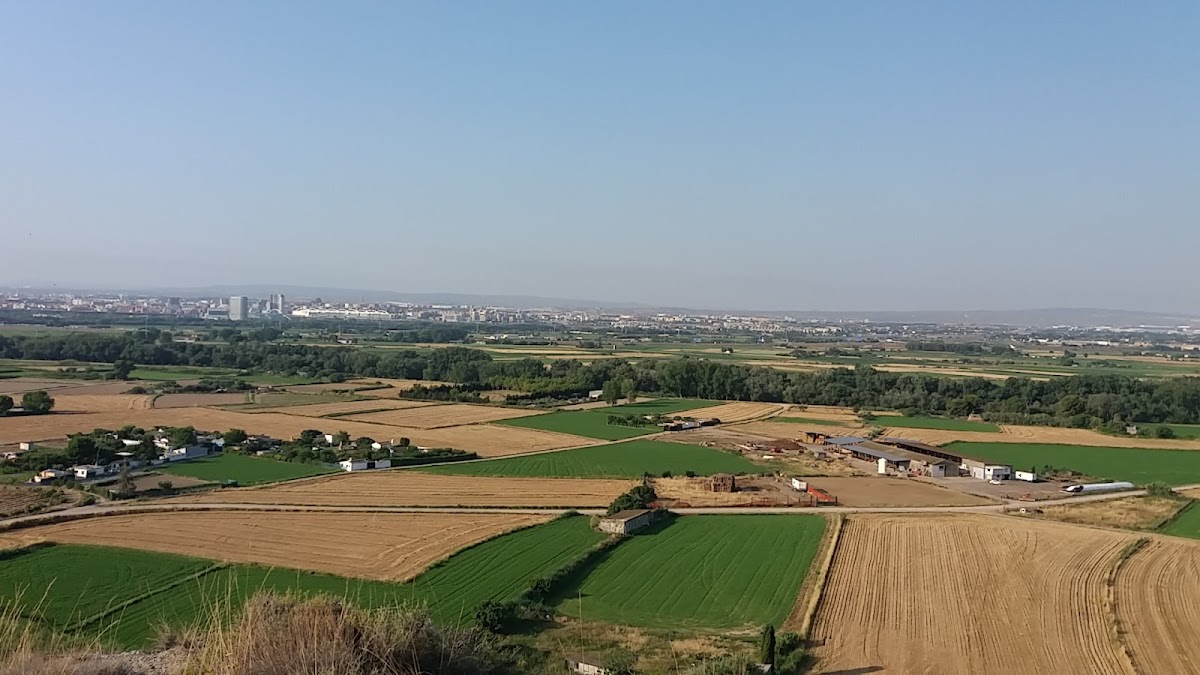
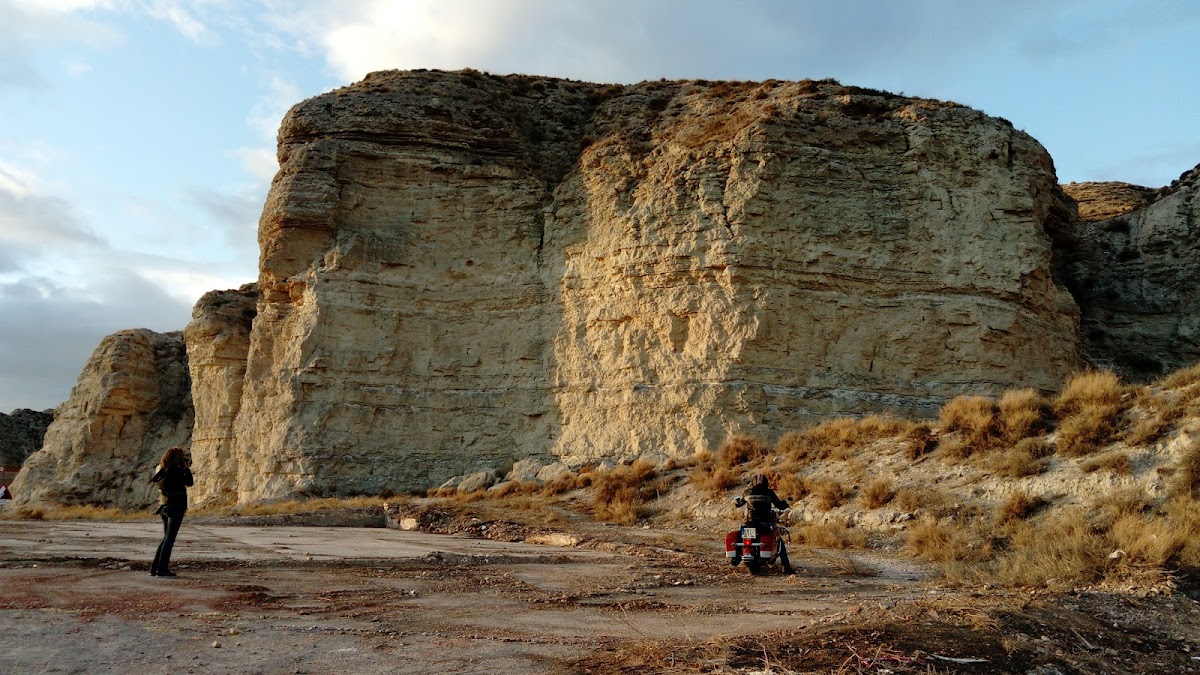
Situated approximately four kilometers from Zaragoza’s city center, the castle occupies a vantage point overlooking the rural area of Juslibol, emphasizing its original role as a lookout and defensive position. While in a state of progressive ruin, the site’s surviving elements offer valuable insight into the military architecture and landscape strategies employed during the region’s medieval conflicts.
Nearby sites