Castle of Santa Bárbara, Zaragoza: A Medieval Fortress and Hermitage
Site at a Glance
- Rating
- 4.3
- Popularity
- Low
- Country
- Spain
- Primary era
- Medieval
- Eras represented
- Medieval, Early Modern
- Civilizations
- Crown of Aragon, Spanish
- Site type
- Religious
- Remains
- Chapel
On this page7 sections
History
Medieval fortress
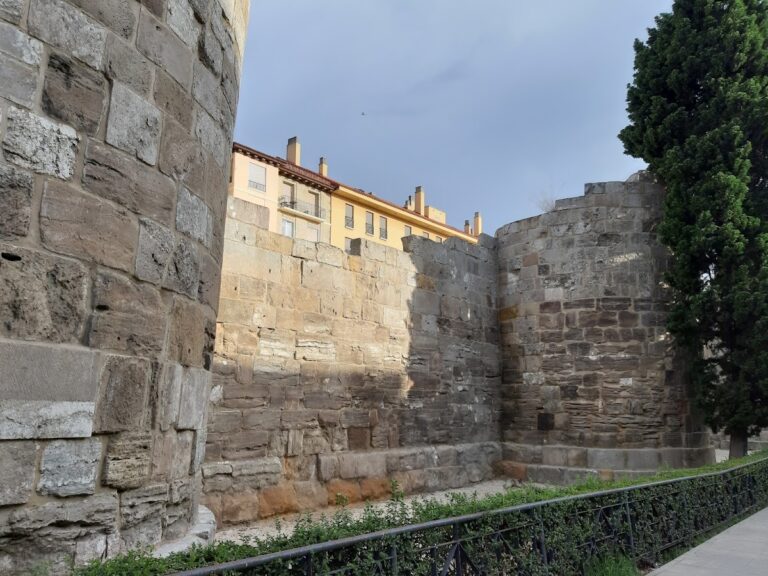
Castle of Santa Bárbara is a medieval fortress in Spain, constructed in the thirteenth century and sometimes dated more broadly to the thirteenth or fourteenth centuries. It formed part of the defensive perimeter of Saracusta, the medieval city of Zaragoza. The fortress therefore belonged to the historical landscape shaped by the reconquest of Zaragoza by Alfonso I the Battler, the Aragonese ruler associated with the city’s capture in 1118.
Conversion into a hermitage
Much of the fortress disappeared when its ruins were adapted for a hermitage in the seventeenth century. In 1690, farmers from Zaragoza founded the Confraternity of Glorious Saint Barbara, a voluntary religious brotherhood organized around shared worship and devotion to a particular saint. Based at the parish church of San Pablo, the confraternity used the hermitage as an occasional place of worship rather than as an artistic monument. Its acts mention the building by 1691.
The hermitage suffered repeated deterioration. Its roof had broken by 1706 and had to be dismantled because of Zaragoza’s weather and the passing years. A 1749 description presents a single-nave church, meaning one principal lengthwise worship space, without side chapels. It had altars dedicated to Saint Barbara and Jesus Christ, along with a confessional, a wooden lectern, a plaster pulpit, several lamps, a small bell, and a wayside shrine with an iron cross.
Decline and abandonment
The traditional pilgrimage on 1 May included the blessing of the surrounding fields, but it had almost ceased by the beginning of the twentieth century. Access had become nearly impracticable while the hermitage continued to decay. Between 1910 and 1914, its façade and roof fell into ruin. The building was destroyed during the Spanish Civil War in 1936, a conflict that divided and devastated Spain from 1936 to 1939. A proposed restoration was never carried out. In 1946, the surviving confraternity transferred the pilgrimage to the church of Miralbueno, leaving the hermitage completely abandoned.
Castle of Santa Bárbara is protected as an Asset of Cultural Interest under Aragón’s heritage legislation, a statutory Spanish designation for sites of historical, architectural, or cultural importance. The listing followed a resolution dated 17 April 2006 and was published on 22 May 2006.
Remains
Fortress remains
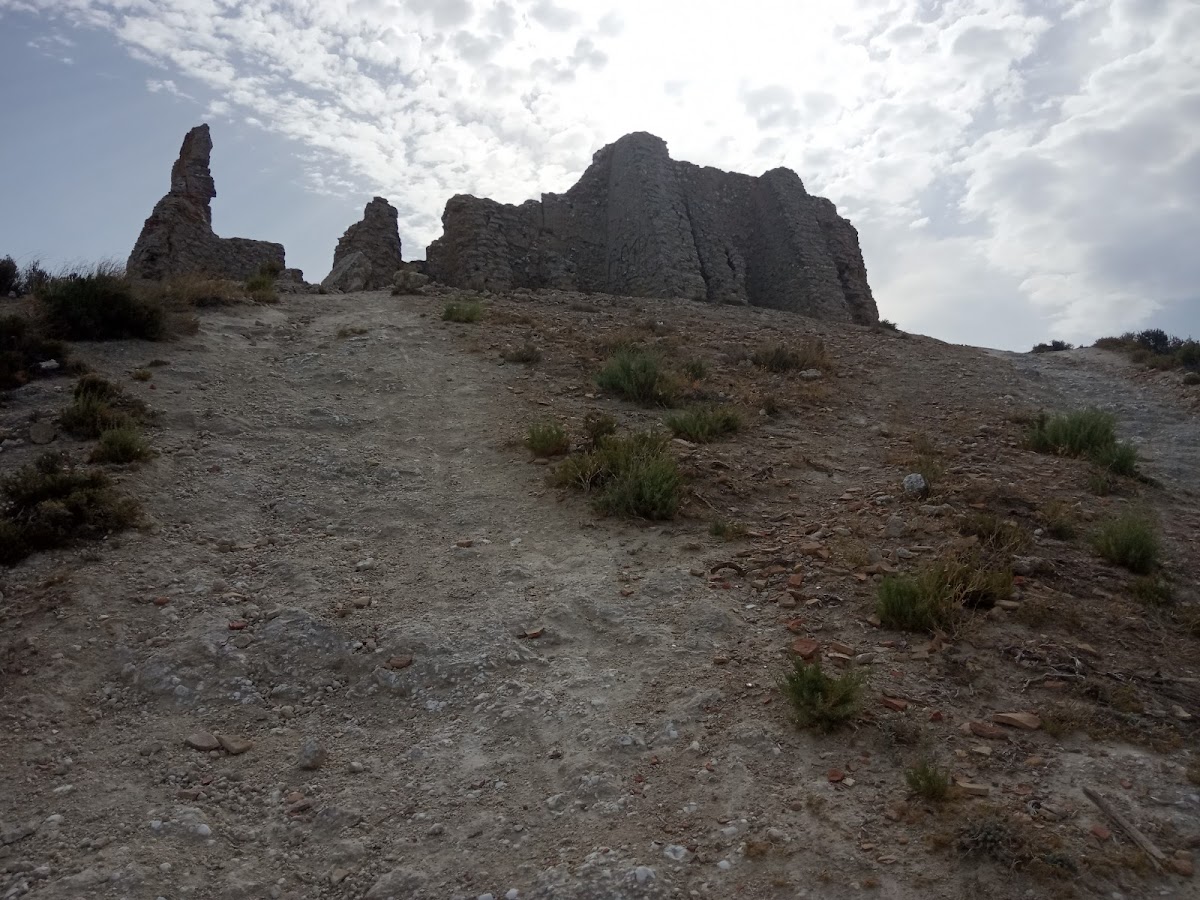
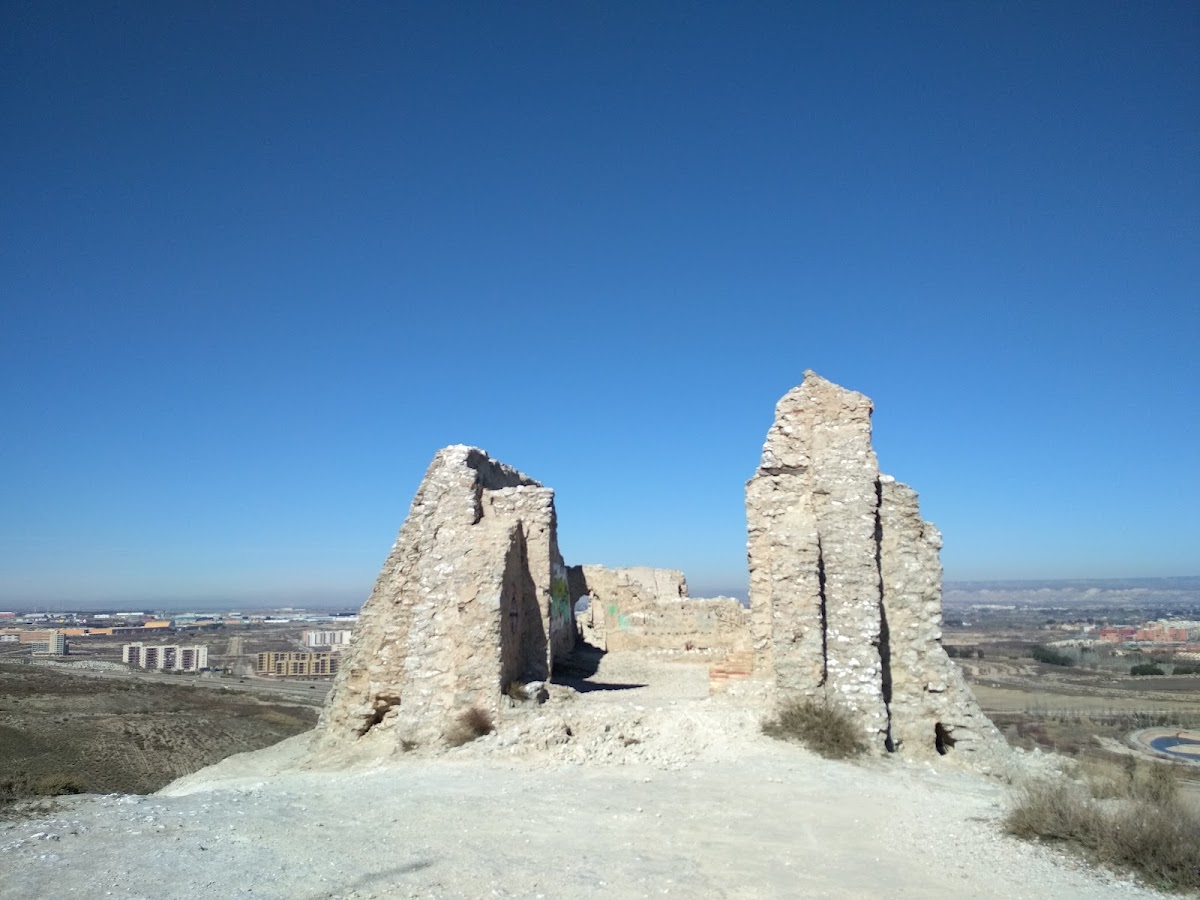
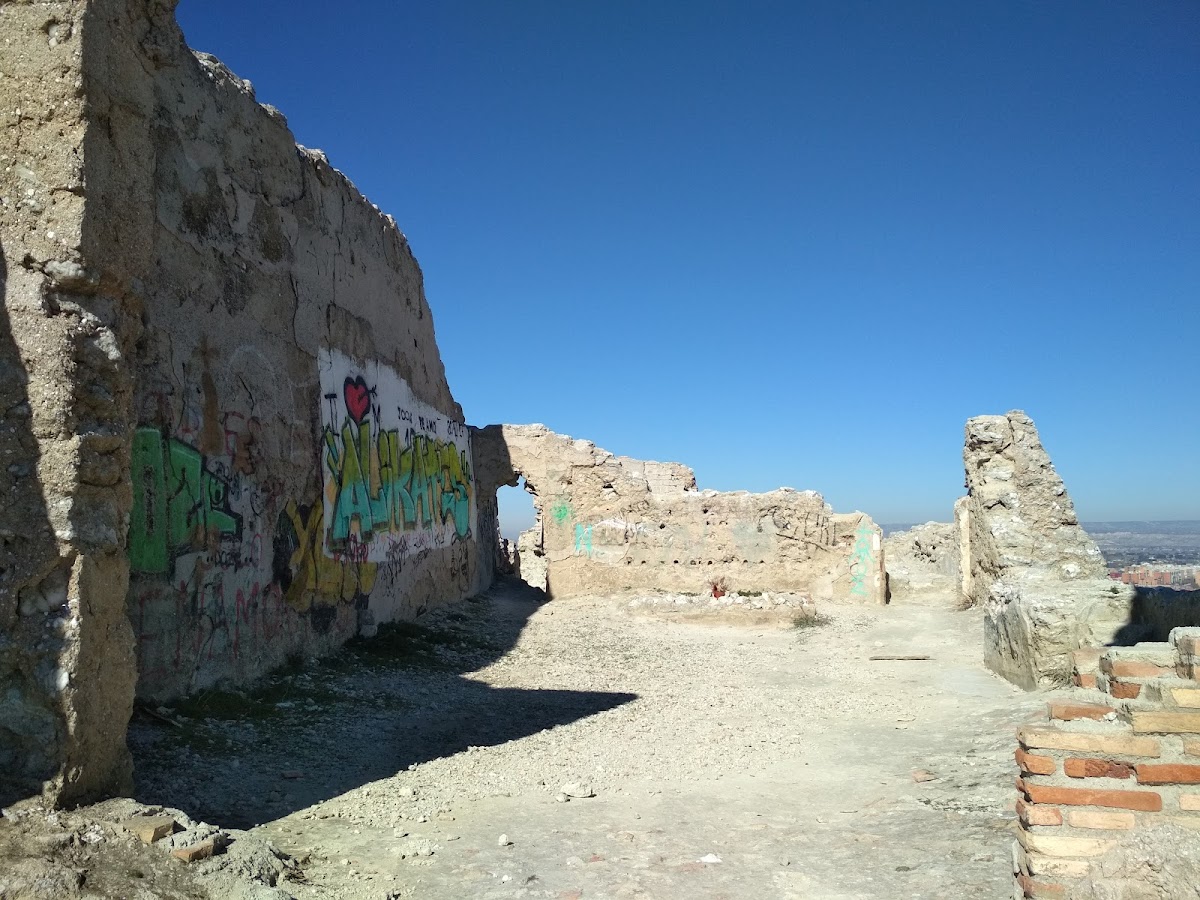
The ruins stand in the Montes de Valdespartera, within Zaragoza’s Valdespartera district, at the city’s highest point and more than 300 metres above sea level. Only a small part of the original fortress survives, amounting to about 36 percent of the original architectural complex. The exterior walls have substantial losses of material and retain openings such as doors and windows. Large external buttresses, projecting supports built against walls to strengthen them, reinforce the surviving masonry.
Hermitage remains
Much of the surviving fabric belongs to the later hermitage, which occupied or incorporated part of the former fortress. Its plan consisted of a single nave without side chapels. The building’s religious fittings included the altars of Saint Barbara and Jesus Christ, a confessional, a wooden lectern, a plaster pulpit, and several lamps. A small bell was set into the façade, while a wayside shrine carried an iron cross.
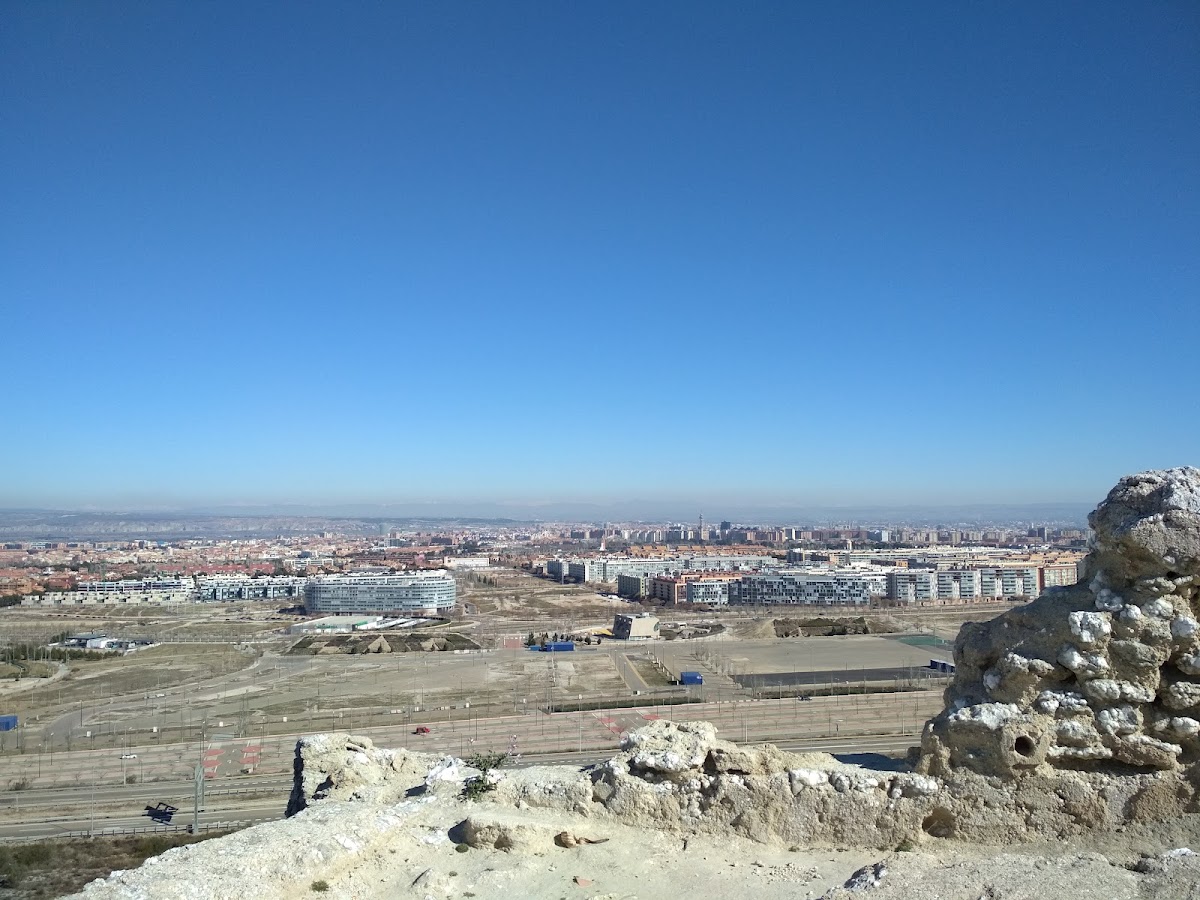
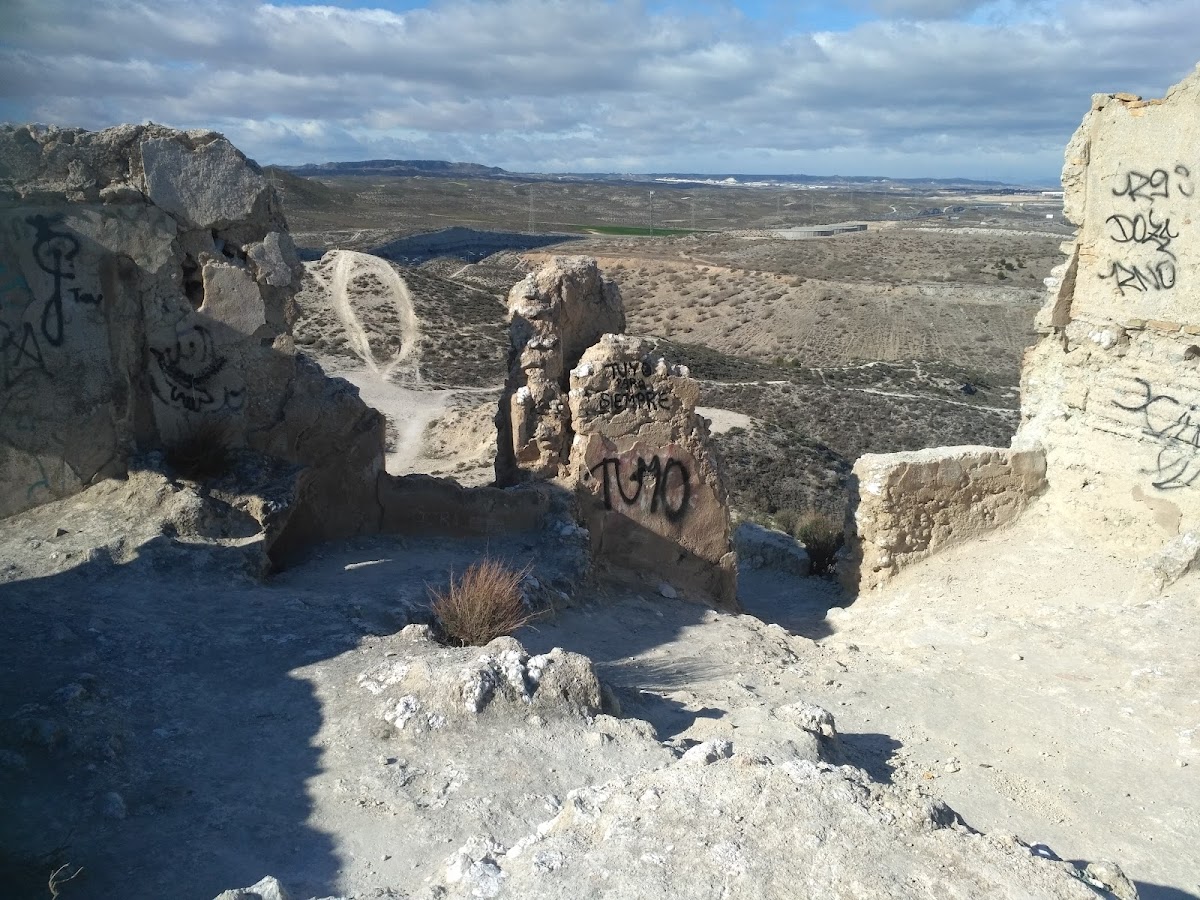
The elevated site overlooks Zaragoza, the Valdespartera district, and the Z-40 road. On clear days, the Pyrenees, the Sierra de Guara, and Moncayo are visible from the area, while Cuarto de la Huerva lies to the south.