Brévenne Aqueduct: Roman Water Supply Infrastructure near Lyon



Visitor Information
Google Rating: 4.1
Popularity: Very Low
Google Maps: View on Google Maps
Country: France
Civilization: Roman
Remains: Infrastructure

History
The Brévenne Aqueduct is located near Tassin-la-Demi-Lune in the Rhône department, France. It was built by the Romans to supply water to Lugdunum, the ancient city now known as Lyon. This aqueduct was the third major water conduit constructed to serve the city during the Roman period.
Construction of the aqueduct took place between the late 1st century BCE and the 1st century CE, during the reign of Emperor Claudius. Archaeomagnetic dating of bricks from the site confirms this timeframe, placing its creation between 23 BCE and 88 CE. The aqueduct drew water from the Brévenne river basin, beginning at an altitude of about 600 meters in the commune of Aveize. It then followed a route that curved north of the Monts du Lyonnais before descending into the Saône valley, where Lugdunum was situated.
The aqueduct remained in use throughout the Roman period, providing a significant volume of water to the city. Estimates of its capacity vary, with some scholars suggesting it could carry up to 28,000 cubic meters per day, while others propose a more modest flow of around 10,000 cubic meters daily. The structure’s design and route reflect careful planning to maintain water flow over a distance of approximately 70 kilometers.
After the decline of Roman authority in the region, the aqueduct fell out of use and gradually deteriorated. Its remains were later recognized for their historical value and have been protected as historic monuments since the mid-20th century.
Remains
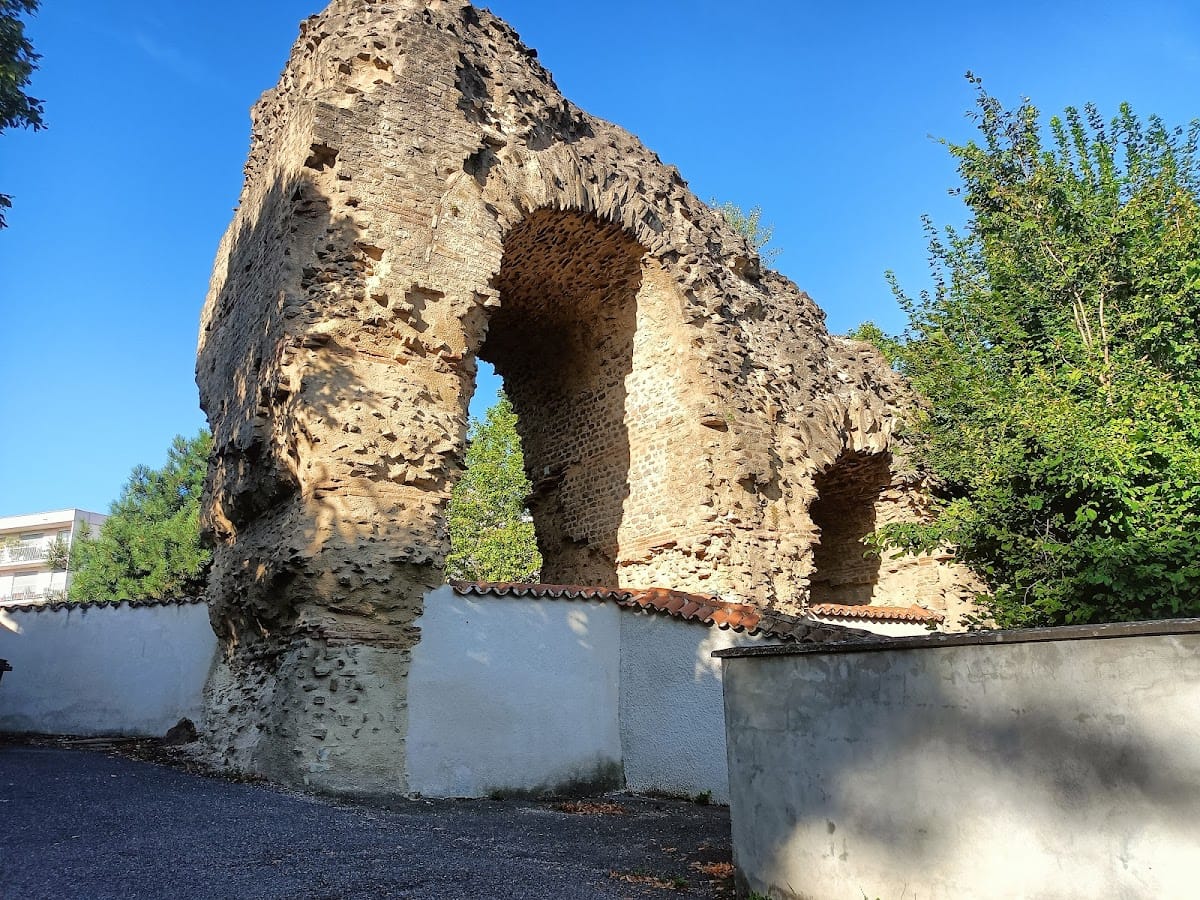
The Brévenne Aqueduct is mostly underground, with about 95 percent of its length hidden beneath the surface. Two main above-ground sections feature double rows of arches: one near Lentilly, stretching roughly 650 meters, and a longer one in Lyon itself, extending about 1,900 meters. These elevated parts allowed the aqueduct to cross valleys and uneven terrain.
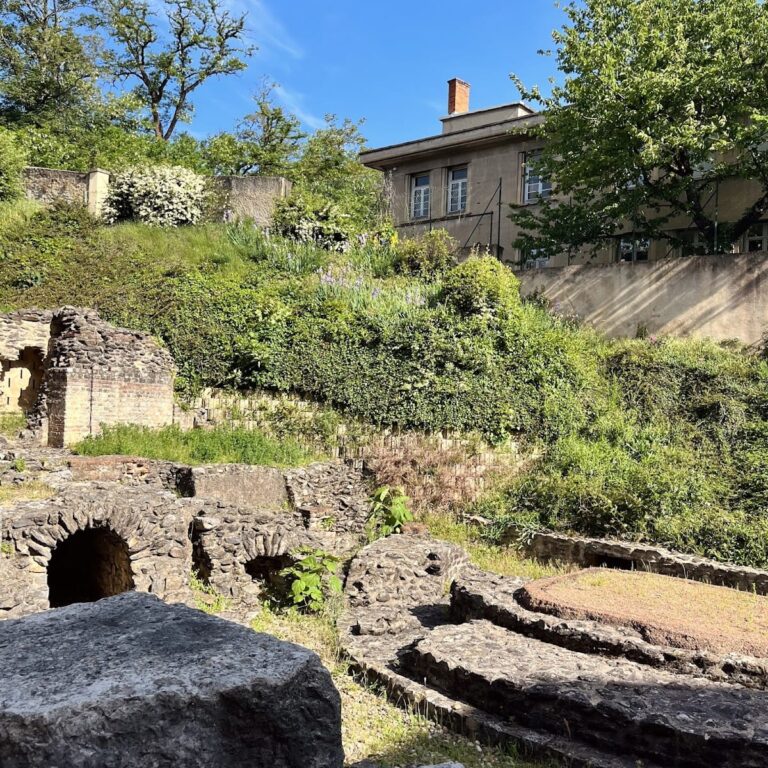
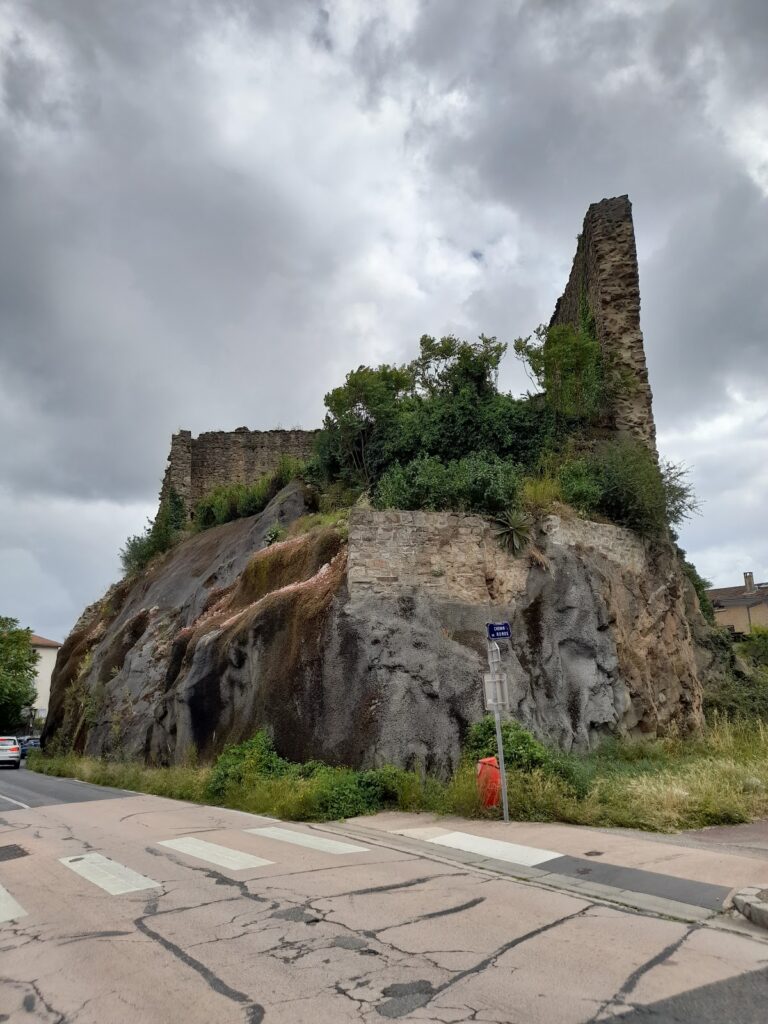
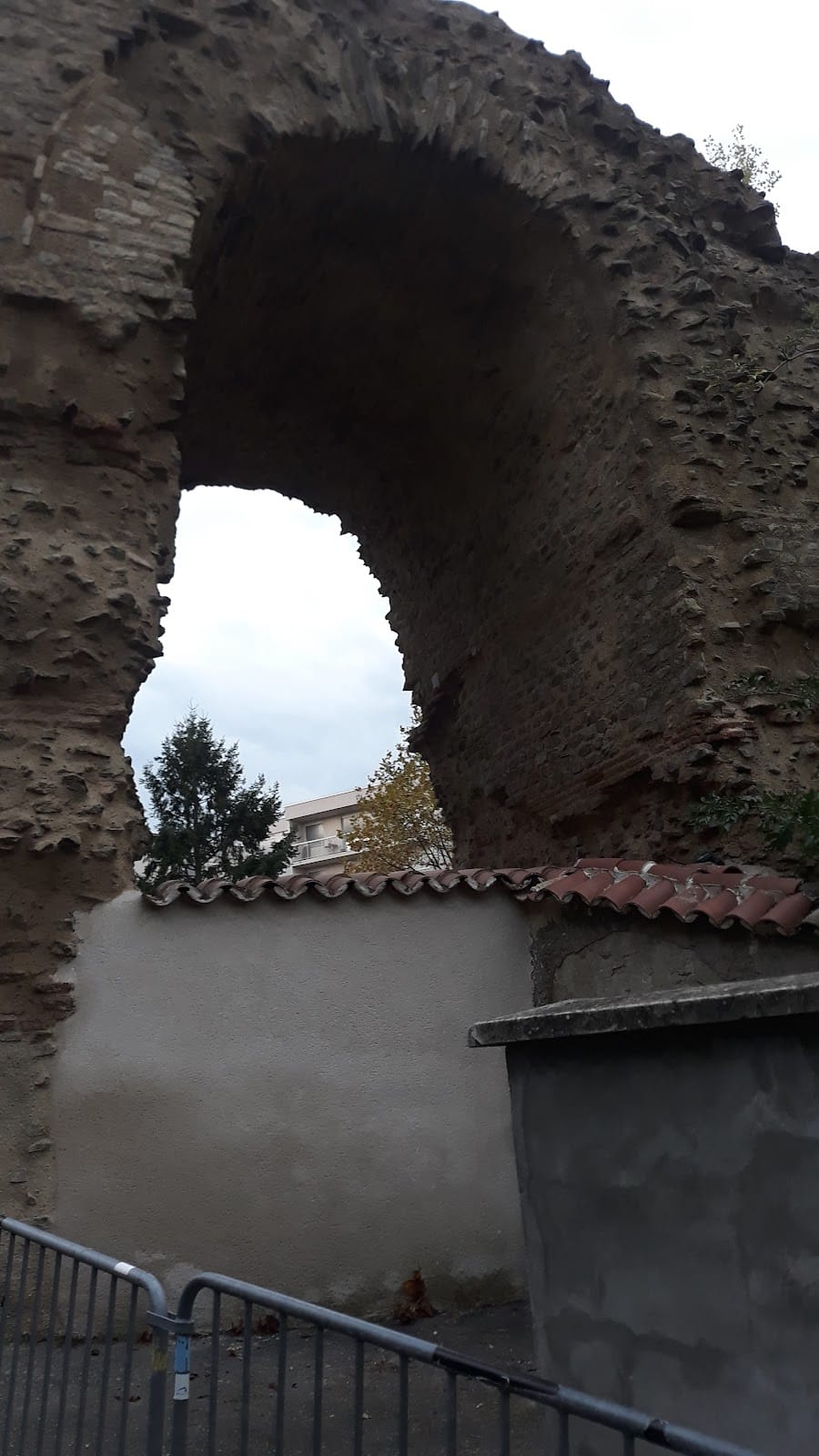
A notable engineering element is the inverted siphon at Écully, which crosses the Planches stream valley. This system used pressurized pipes supported by a bridge structure at the valley floor. Today, only two ruins of this siphon survive: the Massues slope and a portion of the siphon bridge. These remains are primarily built from brick and stone, materials typical of Roman construction.
The aqueduct’s steep average slope of 5 per thousand required special features to control water flow. Builders included short horizontal or gently sloping sections separated by vertical drops of about 2.3 to 2.5 meters. These drops formed a hydraulic staircase, especially visible at Chevinay, where water descended 87 meters over 300 meters horizontally. Such design prevented erosion and maintained steady flow.
The siphon system also included an upstream reservoir to feed water into the pressurized pipes and a downstream catch reservoir to collect water and prevent air pockets. The catch reservoir and the four piers supporting the siphon bridge are among the best-preserved structures. These remains are located on private land near the extension of Rue des Aqueducs in Écully but remain visible from public areas.
Since the mid-20th century, the aqueduct’s ruins, particularly at the Massues slope and the siphon reservoir, have been protected as historic monuments. Their preservation offers valuable insight into Roman hydraulic engineering and the water supply system of ancient Lugdunum.
Nearby sites