Château de Berthier: A Historic Castle in France

Site at a Glance
- Rating
- 4.2
- Popularity
- Low
- Country
- France
- Primary era
- Early Modern
- External website
- Open
- Eras represented
- Medieval, Early Modern
- Civilizations
- County of Toulouse, French
- Site type
- Domestic
- Remains
- Castle
On this page9 sections
History
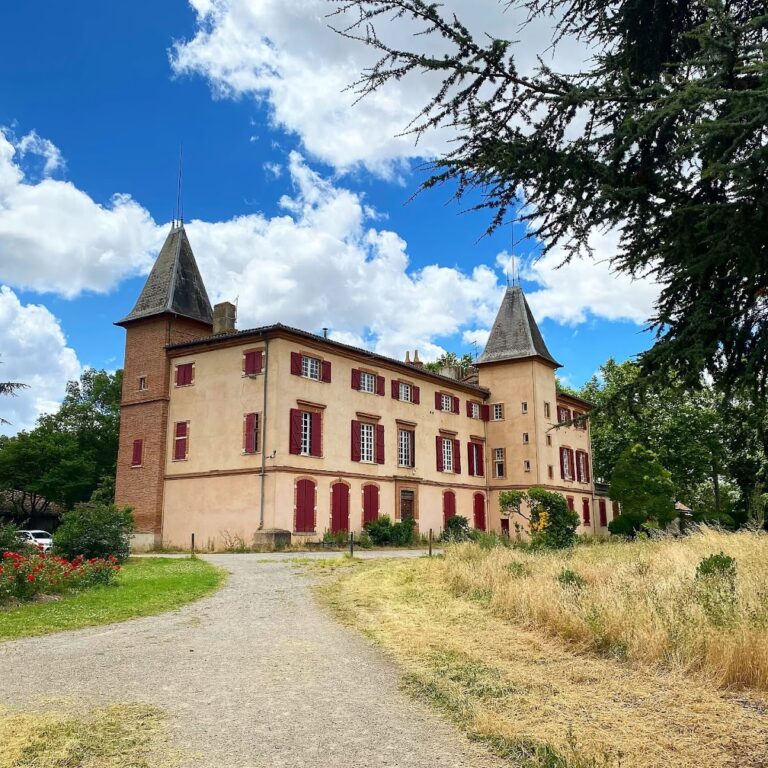
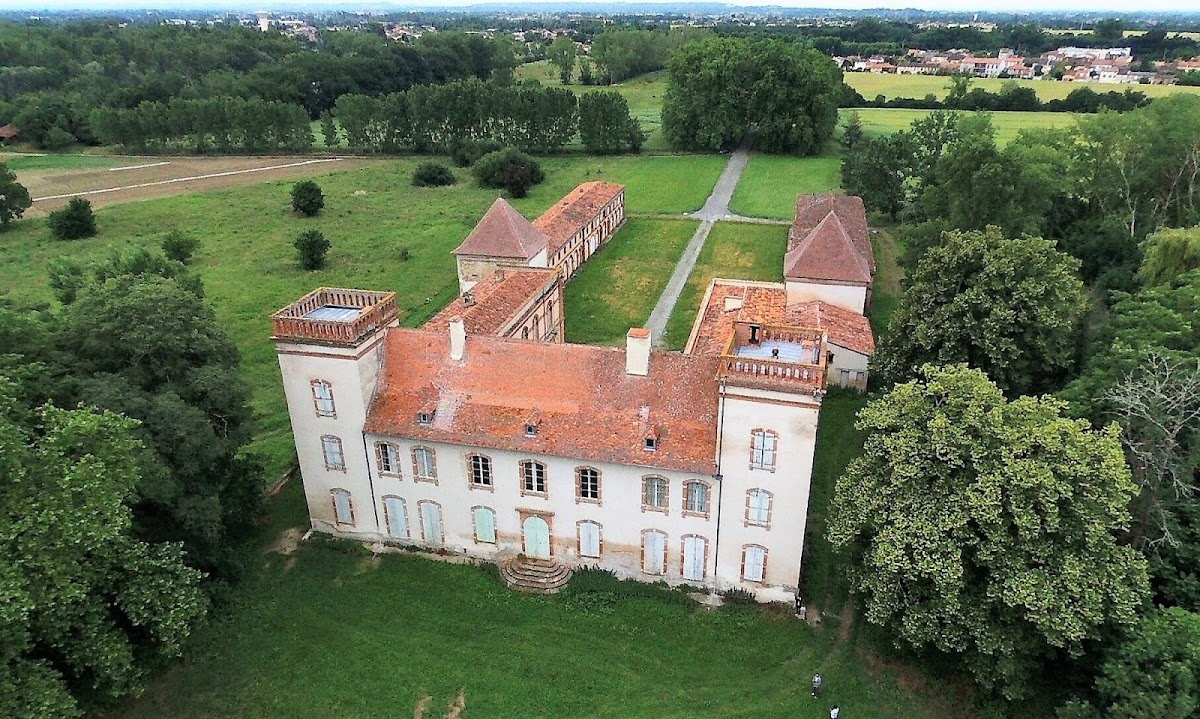
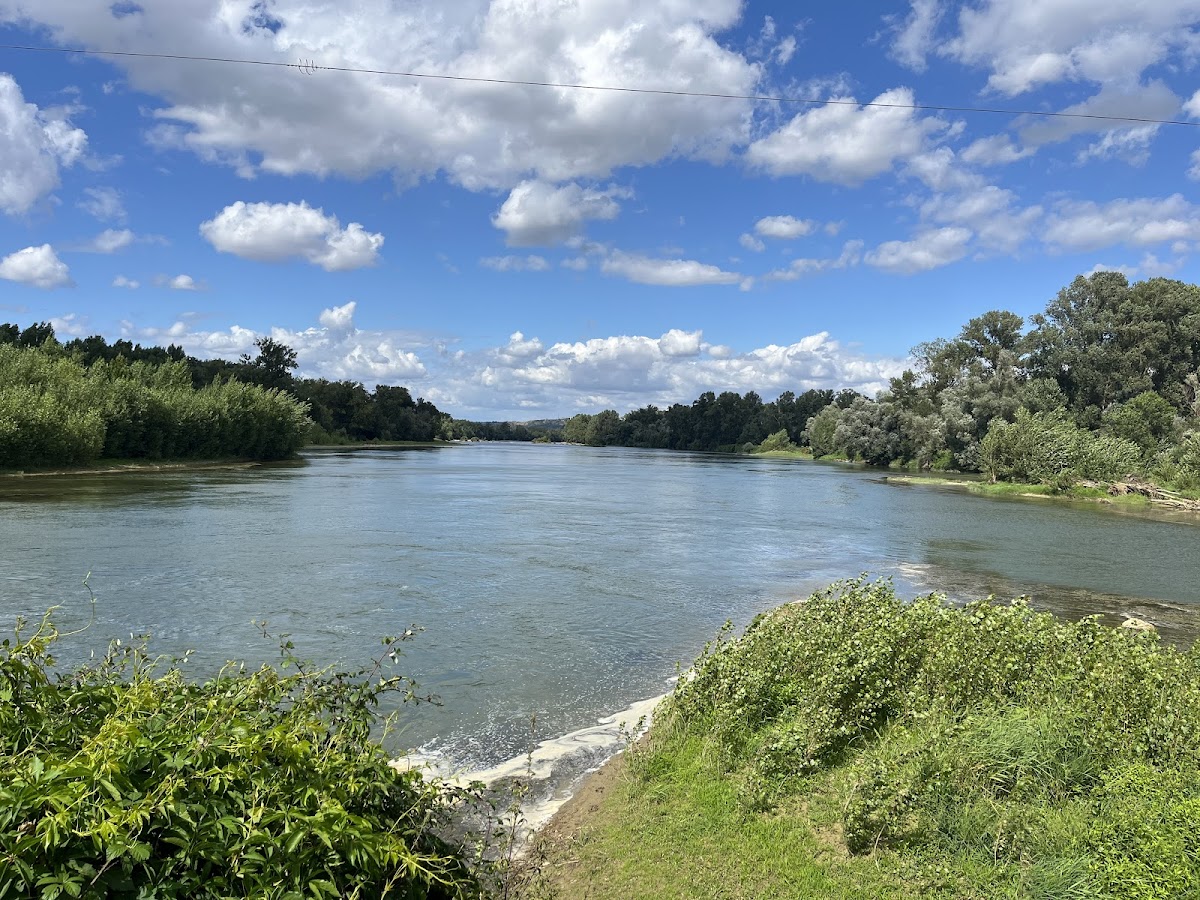
Château de Berthier, also known as Château Bertier and Château des Confluences, is a historic castle in France, located in Pinsaguel at the confluence, or meeting point, of the Garonne and Ariège rivers, about 10 kilometres south-southwest of Toulouse. Its present character reflects major rebuilding in the eighteenth century, including remodelling in 1762 in the Neoclassical style, an architectural tradition inspired by ancient Greek and Roman forms.
Medieval origins
The site began as a fortified castle belonging to the Bertier family, the lords of Pinsaguel. Its earliest foundations date from the thirteenth and fourteenth centuries. Building activity continued over later periods, and substantial work was undertaken again in the fourteenth century.
Eighteenth-century transformation
The castle was remodelled in 1762 and reconstructed toward the end of the eighteenth century. This transformation produced the formal residential and agricultural complex that defines the site today, while retaining its association with the Bertier family and the landscape where the two rivers meet.
Protection and renovation
The castle and its farm buildings have been listed as historic monuments since 1941. In 2011, the municipality acquired the property and undertook a complete renovation intended to preserve and enhance the heritage of Pinsaguel.
Remains
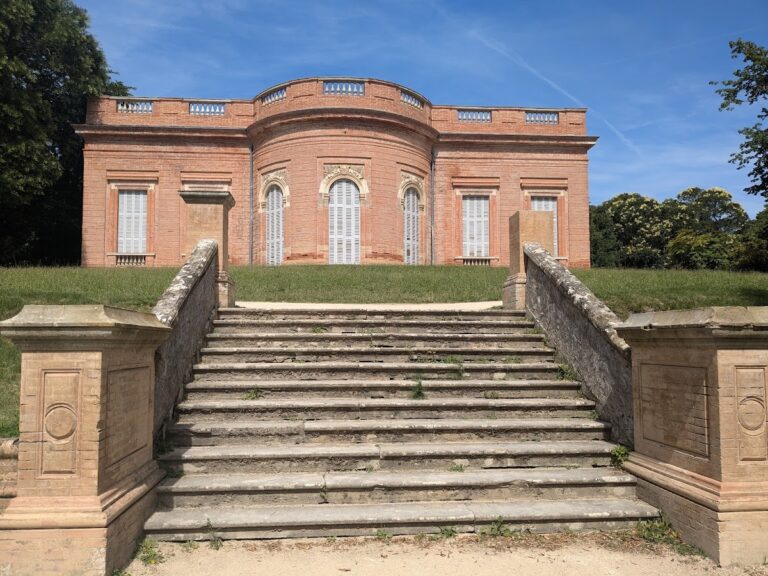
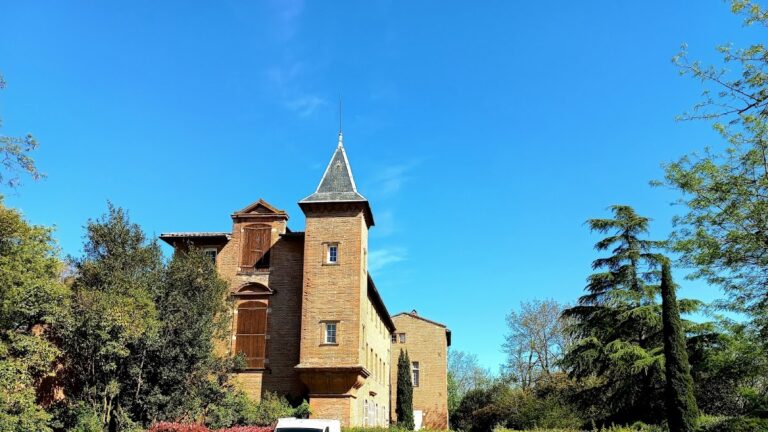
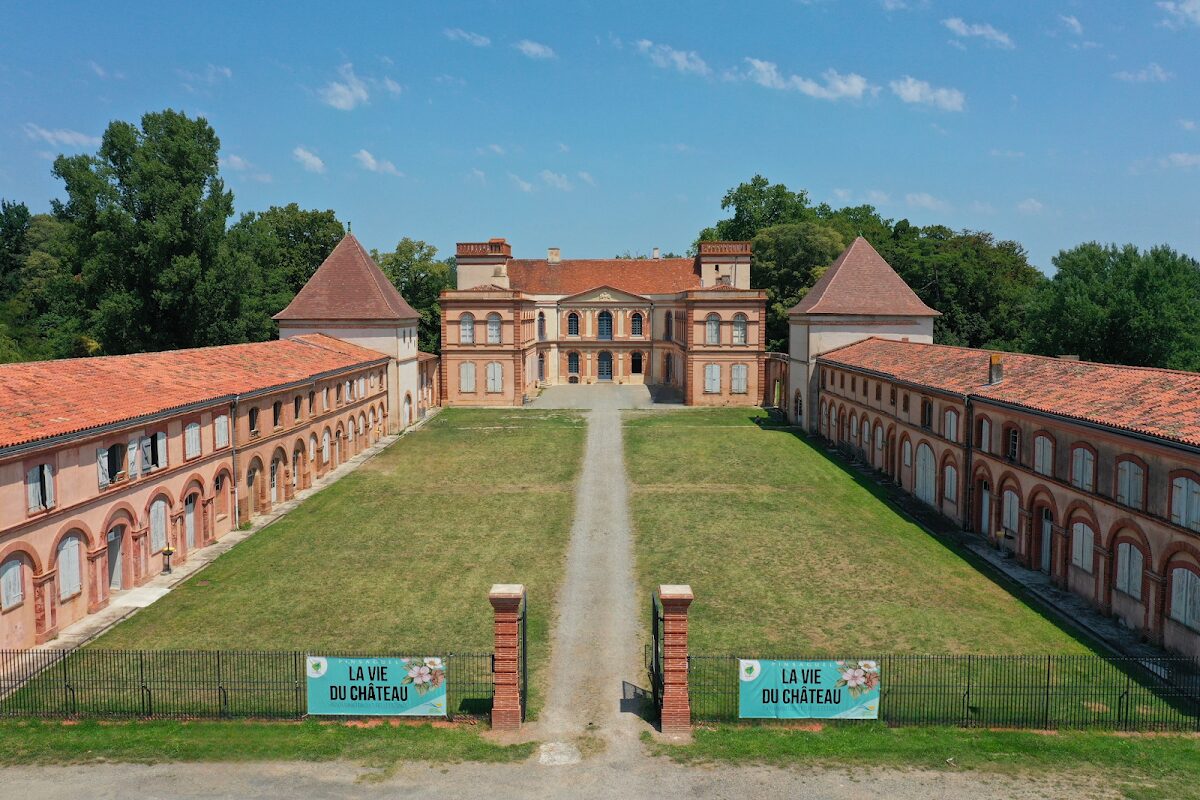
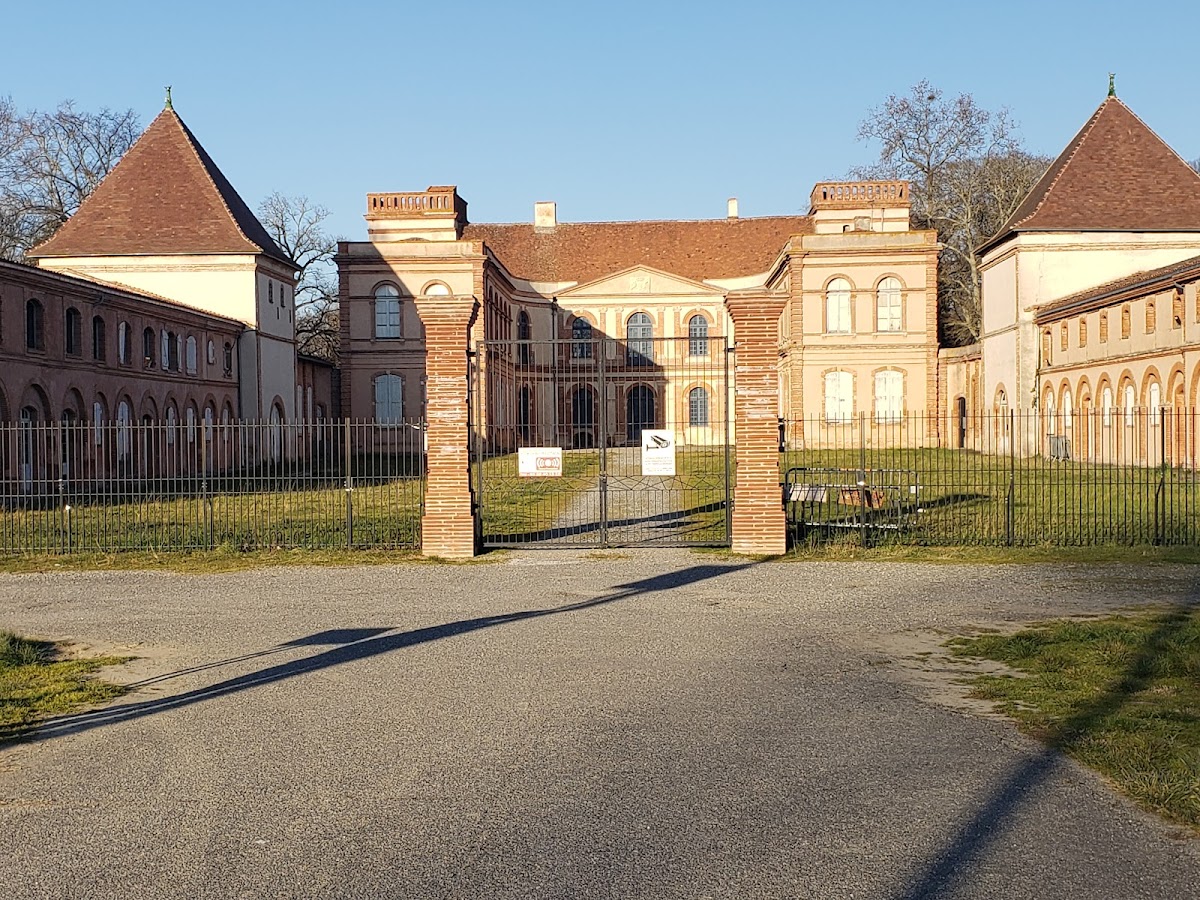
The late-eighteenth-century complex is arranged around a formal courtyard on three sides. The castle and its farm buildings form a connected architectural group associated with the confluence landscape of the Garonne and Ariège. Brick is the principal visible material in the complex, linking the residential buildings with the agricultural structures.
Residential buildings
Main residential block
The principal building has two storeys and is connected to two side wings containing service or ancillary spaces. Two taller pavilions join the wings to the main block. Its facade is organized by brick pilasters, shallow attached vertical elements resembling columns, and is crowned by a pediment, a usually triangular feature at the top of a facade.
Side wings and connecting sections
On each side of the main facade, rounded sections pierced by windows connect the central building to the wings extending behind it. These wings also rise to two storeys, creating a unified arrangement around the formal courtyard.
Farm buildings
The farm buildings continue the two side wings and are constructed of brick. Their direct connection with the castle makes the agricultural buildings part of the same architectural complex rather than separate structures. Together, the residential and farm buildings preserve the late-eighteenth-century organization of the estate.