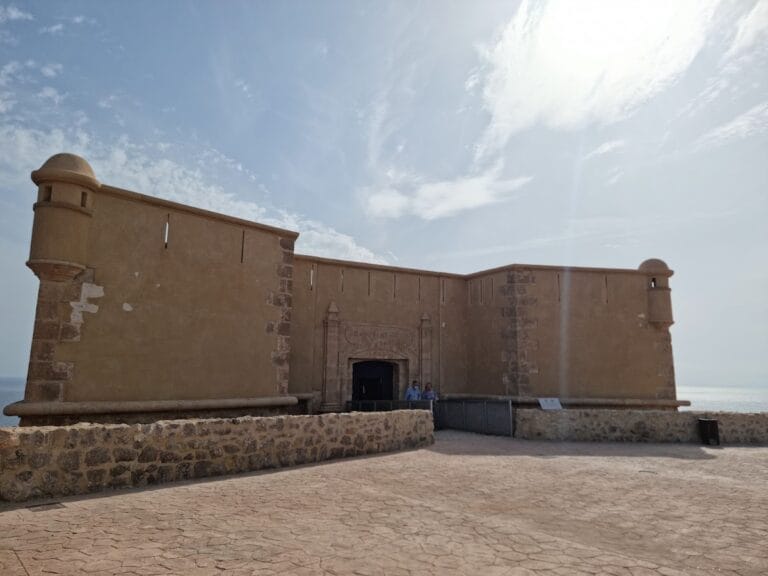
Castillo de Macenas: An Eighteenth-Century Coastal-Watch Tower in Spain



Site at a Glance
- Rating
- 4.1
- Popularity
- Low
- Country
- Spain
- Primary era
- Early Modern
- External website
- Open
- Eras represented
- Early Modern, Modern
- Civilizations
- Spanish
- Site type
- Military
- Remains
- Tower
On this page7 sections
History
Construction and Coastal Defense
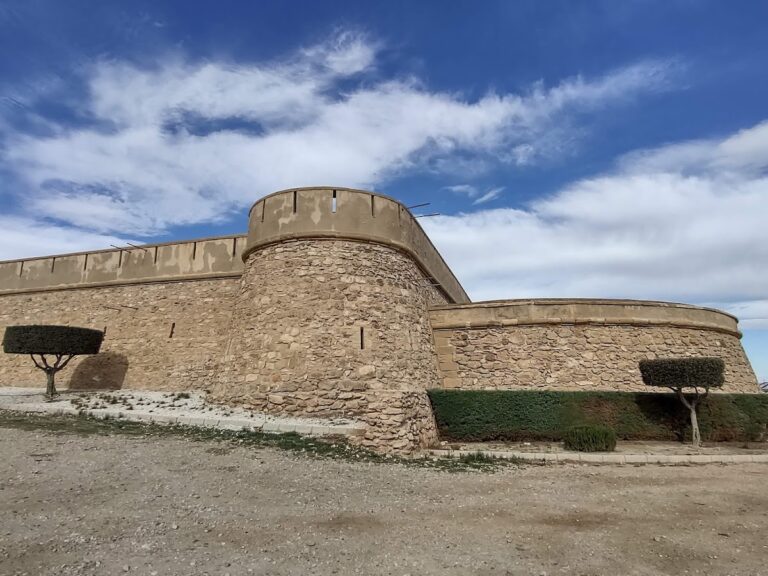
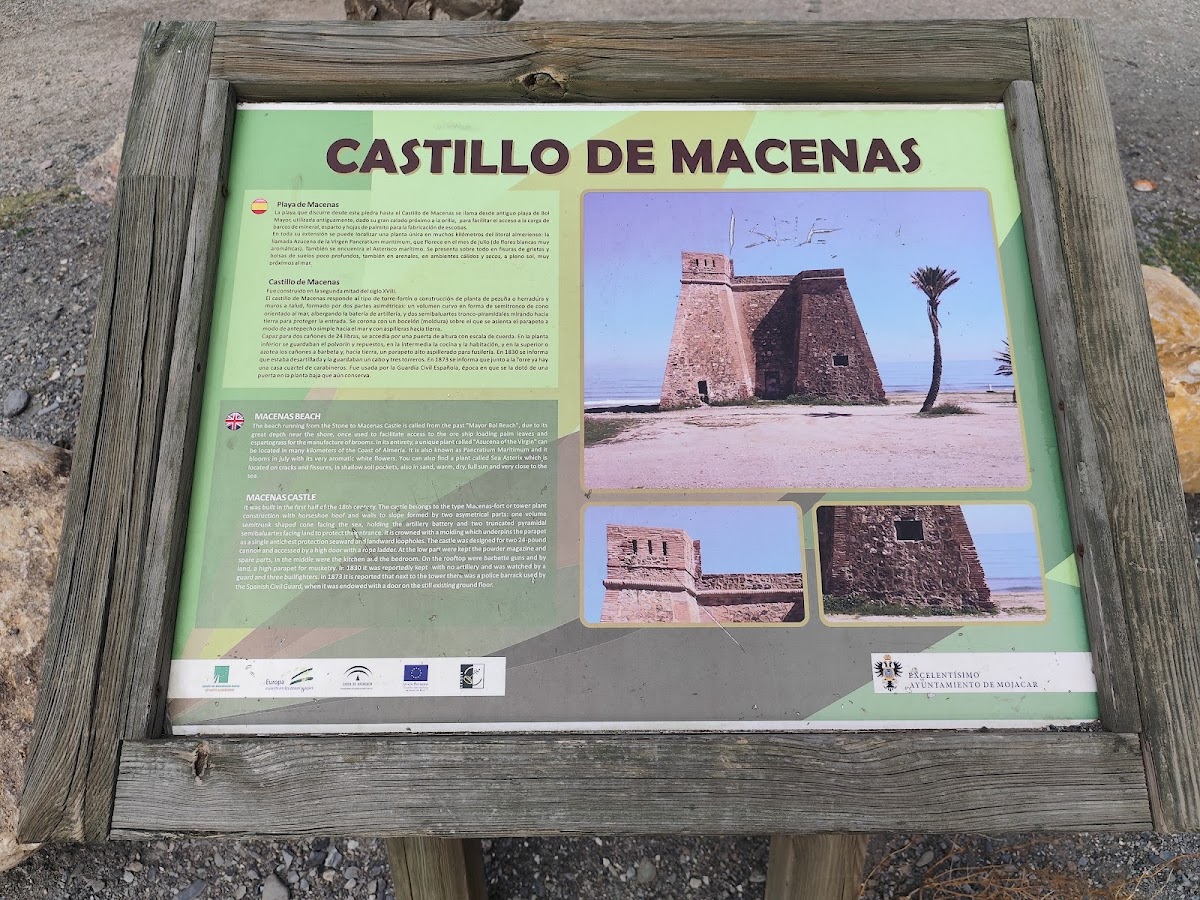
Castillo de Macenas, also called Torre de Macenas, is a military coastal-watch tower in Spain, built during the second half of the eighteenth century. It stands on Macenas Beach near El Agua del Medio, south of Mojácar, in Almería, where it formed part of the coastal defensive system.
In 1803, the tower was described as capable of mounting two 24-pounder guns. By 1830, it had been disarmed and was guarded by one corporal and three tower keepers, reflecting a change in its military role without ending its security function.
Later Military Use and Protection
A Carabineros barracks had been built beside the tower by 1873. The Carabineros were a Spanish armed customs and border-guard corps that also undertook coastal and other security duties. The tower was used during the Spanish Civil War, fought from 1936 to 1939 between the Republican government and Nationalist forces, and a ground-floor doorway was added during that period.
Castillo de Macenas is protected as a Bien de Interés Cultural, Spain’s formal designation for cultural heritage of recognized historical or artistic importance. Its protection falls within the general heritage framework established by the decree of 22 April 1949 and Law 16/1985 of 25 June. Andalusian authorities gave the region’s castles special recognition in 1993.
Remains
Form and Construction
The tower is a horseshoe-shaped coastal-watch structure, meaning that its broad curved projection allowed weapons to cover the area in front of it. It has a semicircular plan measuring approximately 12 to 14 varas in diameter, excluding the sloping base, and stands approximately 14 varas high. A vara was a historical Spanish unit of length whose value varied by place and period. The building is described as being in good conservation condition, and its interior spaces are vaulted.
Levels and Defensive Features
The lower floor contained the powder magazine and supplies, while the intermediate floor held a kitchen and living quarters. Guns were positioned on the upper level, or roof terrace, on barbette mounts. These mounts placed the guns behind a parapet rather than inside fully enclosed emplacements.
On the landward side of the roof terrace, a high parapet contains loopholes, which are narrow openings through which firearms could be used. The elevated entrance was reached by a rope ladder. A ground-level doorway added during the Spanish Civil War remains preserved.
Coastal Setting
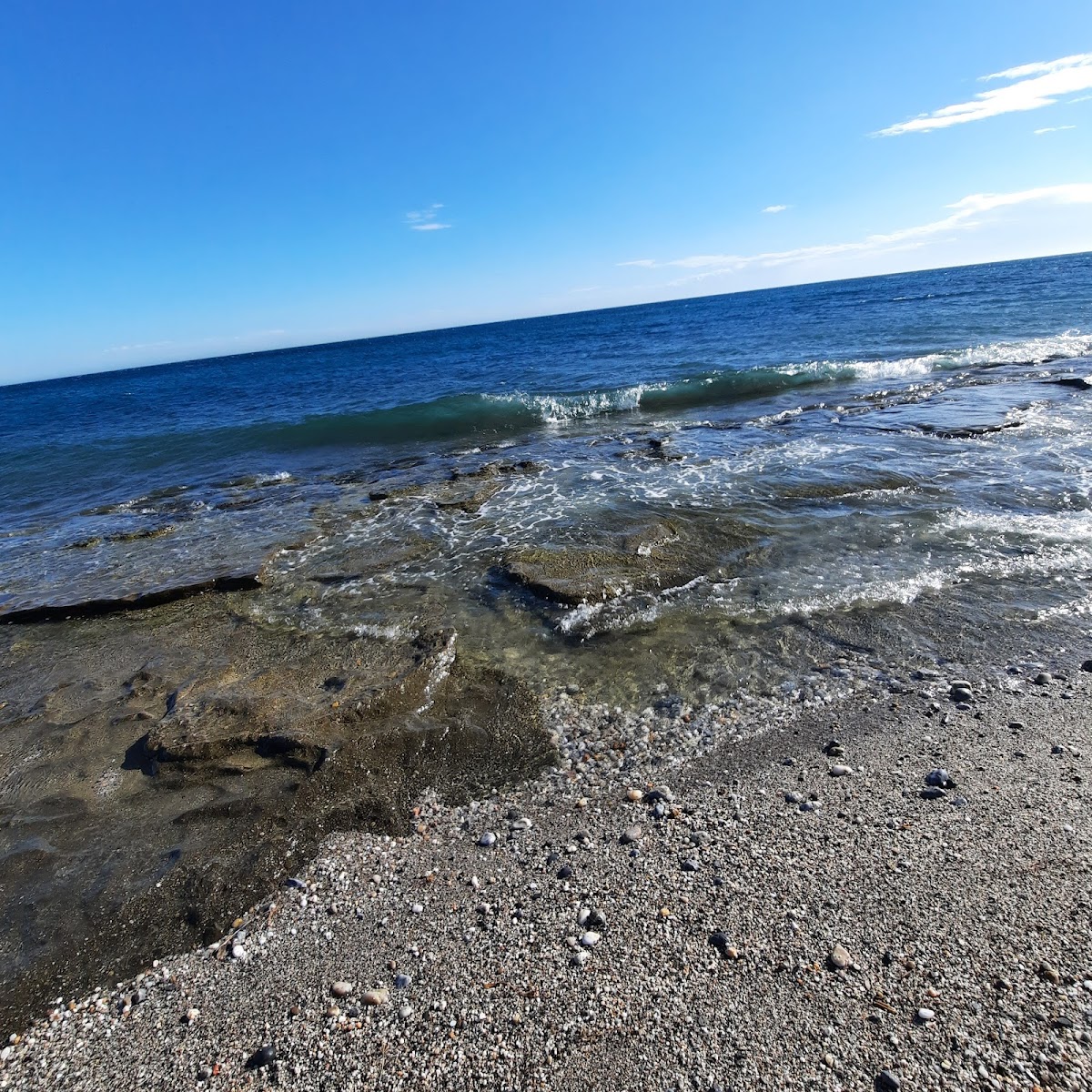
Castillo de Macenas stands about 27 metres above sea level in a coastal landscape. The surrounding terrain is mainly hilly, with flatter ground to the south, while the sea lies to the southeast.