Castell de Port: A Medieval Defensive Complex in Barcelona
Site at a Glance
- Rating
- 4.3
- Popularity
- Very Low
- Country
- Spain
- Primary era
- Medieval
- Eras represented
- Medieval
- Civilizations
- Unclassified
- Site type
- Military
- Remains
- Castle
On this page7 sections
History
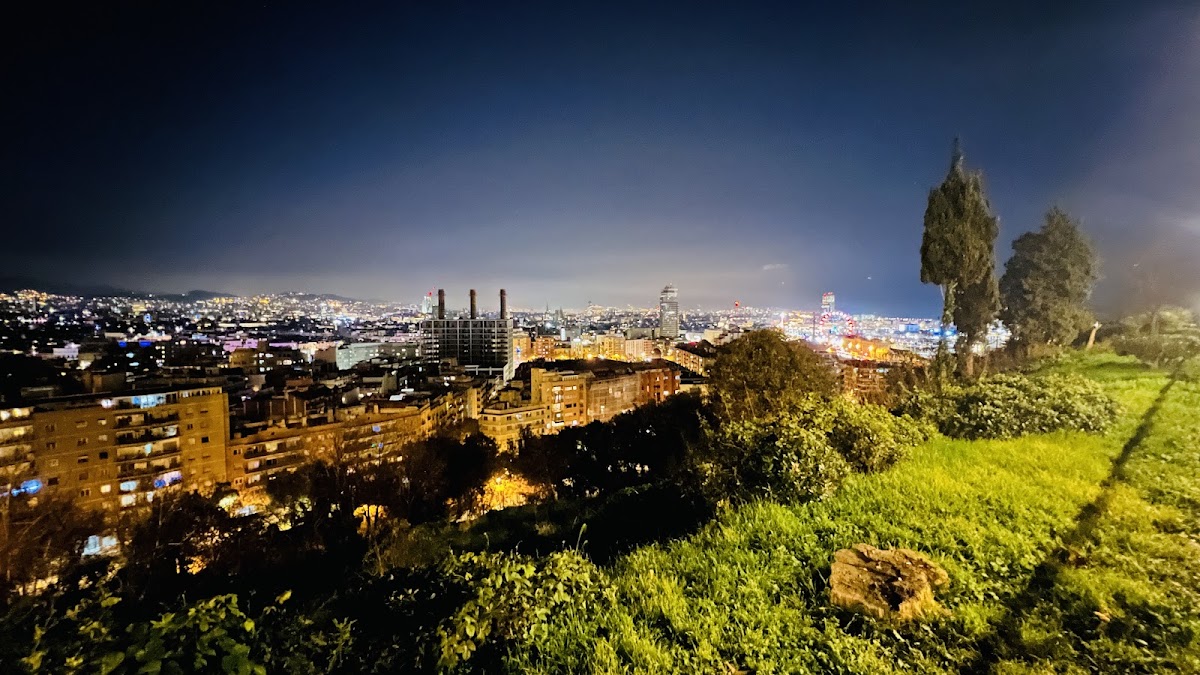
Castell de Port is a ruined medieval defensive complex in Barcelona, Spain, built at the beginning of the eleventh century after the consolidation and stabilization of the Llobregat Delta during the tenth century. Its foundation helped defend cultivated territory and support the exploitation of its resources. The site stood on Montjuïc, a strategically placed height overlooking the Barcelona plain and the Llobregat Delta.
Foundation and medieval defense
The earliest written record of Castell de Port dates to 1020, when Mir Geribert, a prominent Catalan nobleman, purchased the land and established a second residence on Montjuïc. This took place 35 years after Almanzor’s raid on Barcelona in 985. Almanzor was the powerful military leader of the Caliphate of Córdoba, and the memory of his attack formed part of a wider period in which territorial defense remained an urgent concern.
From the eleventh century until the second half of the fifteenth century, the castle served as an important defensive structure for Barcelona. Its strategic value came especially from its role as a watchtower within the road network connecting the city with neighboring settlements, particularly those in the Llobregat Delta. A hermitage dedicated to Our Lady of Port was built about 300 meters away a few years after the castle was established. The property later passed to Ramon Berenguer II, count of Barcelona, and then to Ramon Berenguer III, who held the same title. Under this ownership, the site acquired a dual role as a temporary residence and a fortification directed against the city.
Changing importance and military reuse
Barcelona’s Council of One Hundred, the city’s medieval municipal governing institution, reinforced the castle’s defensive function by constructing the Torre del Farell on the site of the present-day Montjuïc Castle. From 1460, rehabilitation work was carried out at Castell de Port while the Romanesque churches of Santa Maria and Sant Bartomeu were also being built. Romanesque was a medieval architectural style associated with rounded arches and heavy masonry. During this period, the castle began to lose its economic and political importance to the Torre del Farell.
Castell de Port continued to have a military role after its medieval prominence had declined. It was used as a military fort during the Reapers’ War, a conflict in Catalonia fought from 1640 to 1652, and again during the Spanish Civil War. These later uses extended the site’s defensive history across several centuries.
Twentieth-century survival and archaeological protection
By the beginning of the twentieth century, the tower was the part of the castle that remained preserved. Other infrastructure disappeared gradually as construction advanced along the road to Can Tunis, the railway line, and the present avenue of the Catalan Railways. An emergency archaeological excavation in 1987 revealed an Iberian settlement on the castle hill and its surrounding terrace, placing the medieval fortification within a much older pattern of occupation on Montjuïc.
The archaeological zone is listed in the Catalan heritage register as a Cultural Property of National Interest and in the Spanish heritage register as an Asset of Cultural Interest. On 3 August 2019, a fire burned the scrub surrounding the castle ruins.
Remains
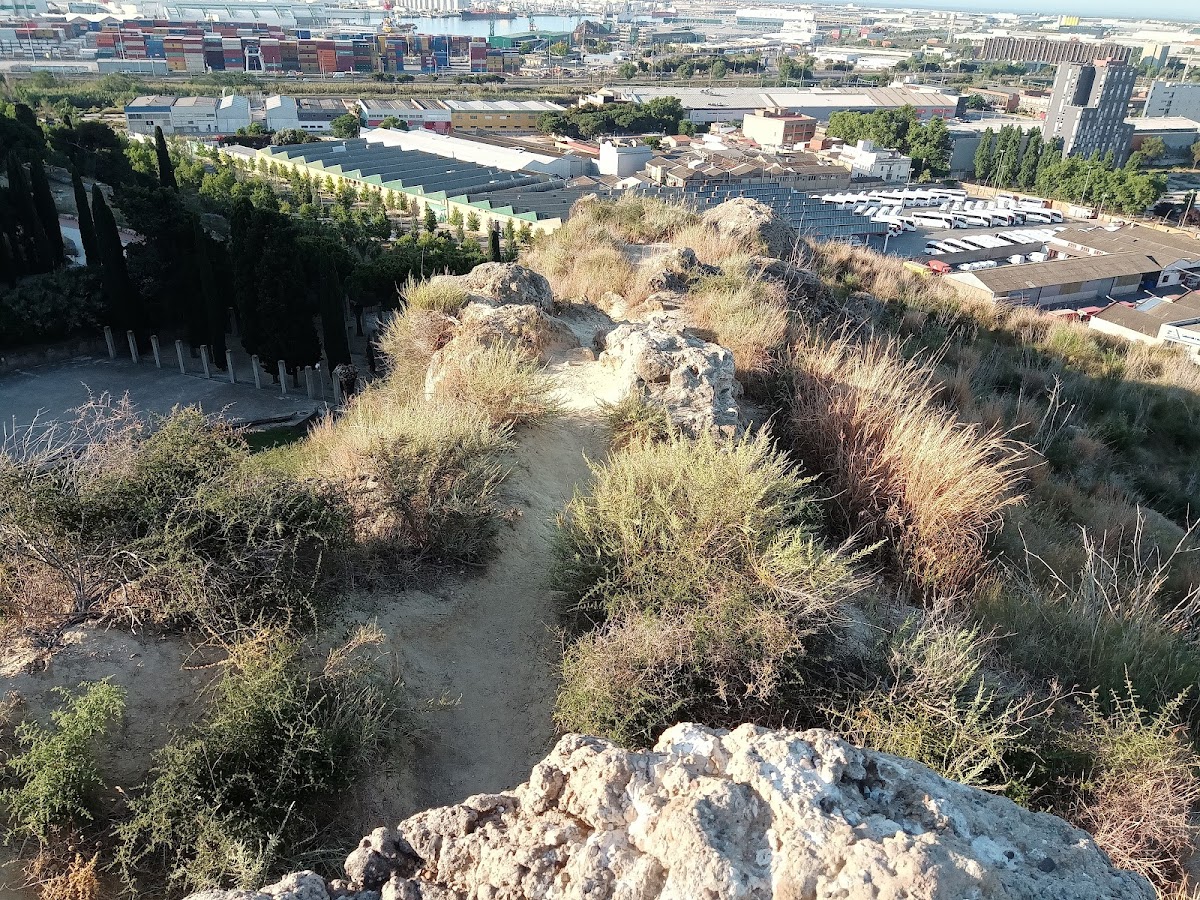
Castell de Port occupies the southwestern side of Montjuïc, a rocky sandstone massif projecting into the sea. Its elevated position overlooks the Barcelona plain and the Llobregat Delta. The castle was built north of large Iberian silos, near the former port and Iberian settlement of Montjuïc, and beside the area now known as the Pedrera Quarry. Sandstone was extracted from this quarry from at least the Roman period onward.
Earlier Iberian remains
The castle’s setting formed part of a landscape used repeatedly for surveillance. The 1987 excavation uncovered a dry-stone wall on the castle hill and the surrounding terrace. A dry-stone wall is built without mortar, with stones fitted together through their shape and weight. The wall’s construction characteristics may connect it with the Iberian settlement of Montjuïc, although it was reused at a much later date. Large quantities of surface pottery collected around Castell de Port date to the Middle and Late Iberian periods, phases of Iberian culture before the Roman conquest.
Surviving castle fabric
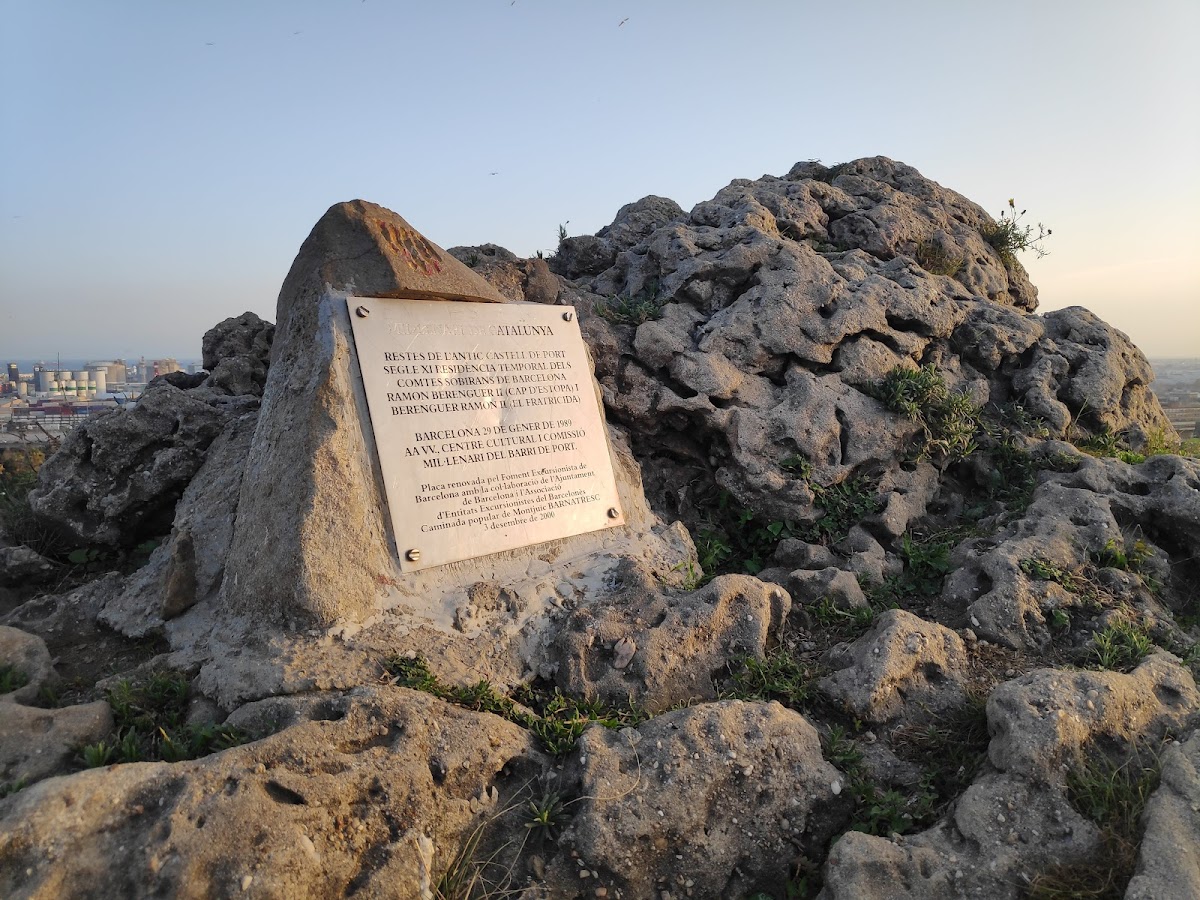
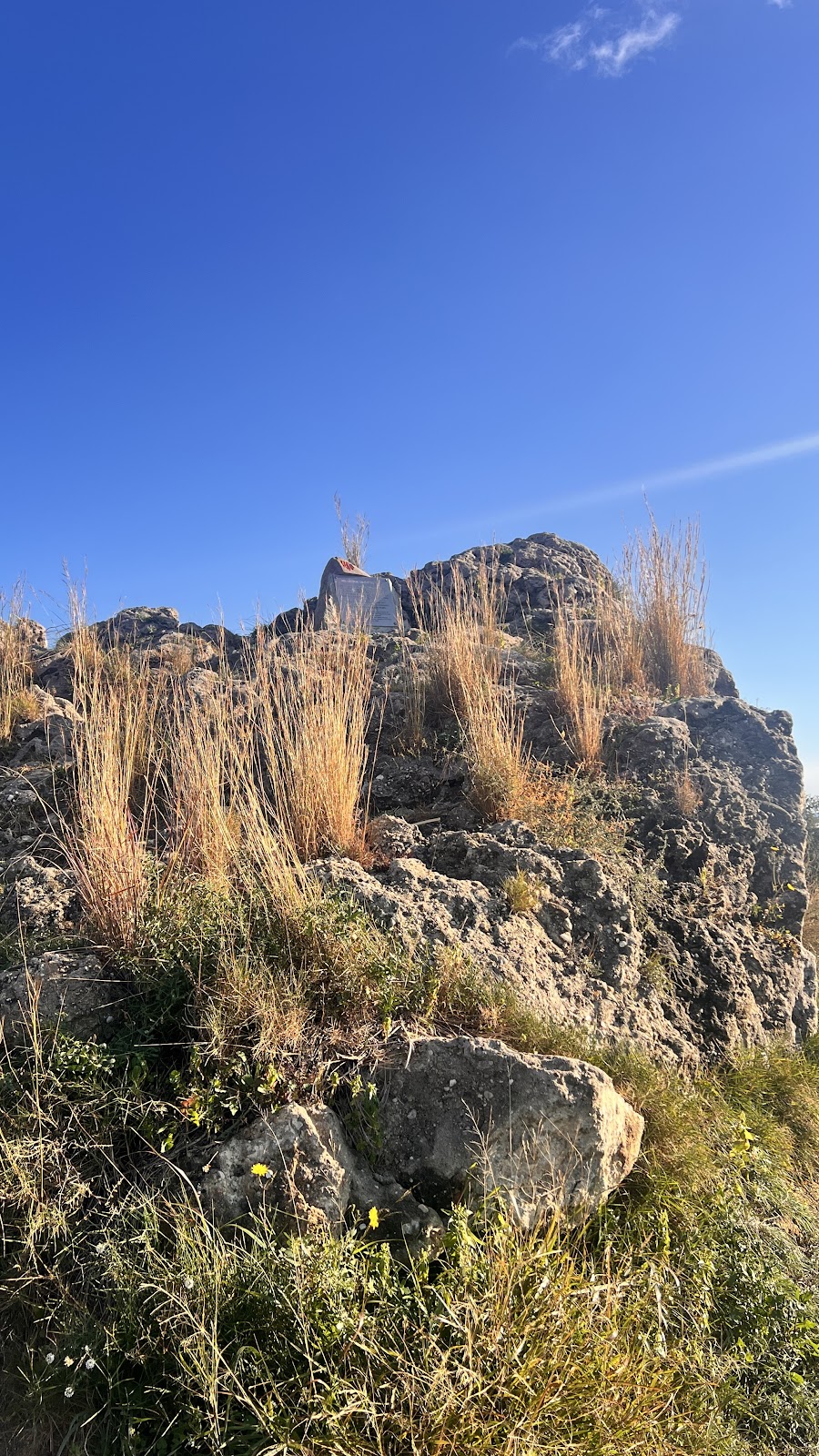
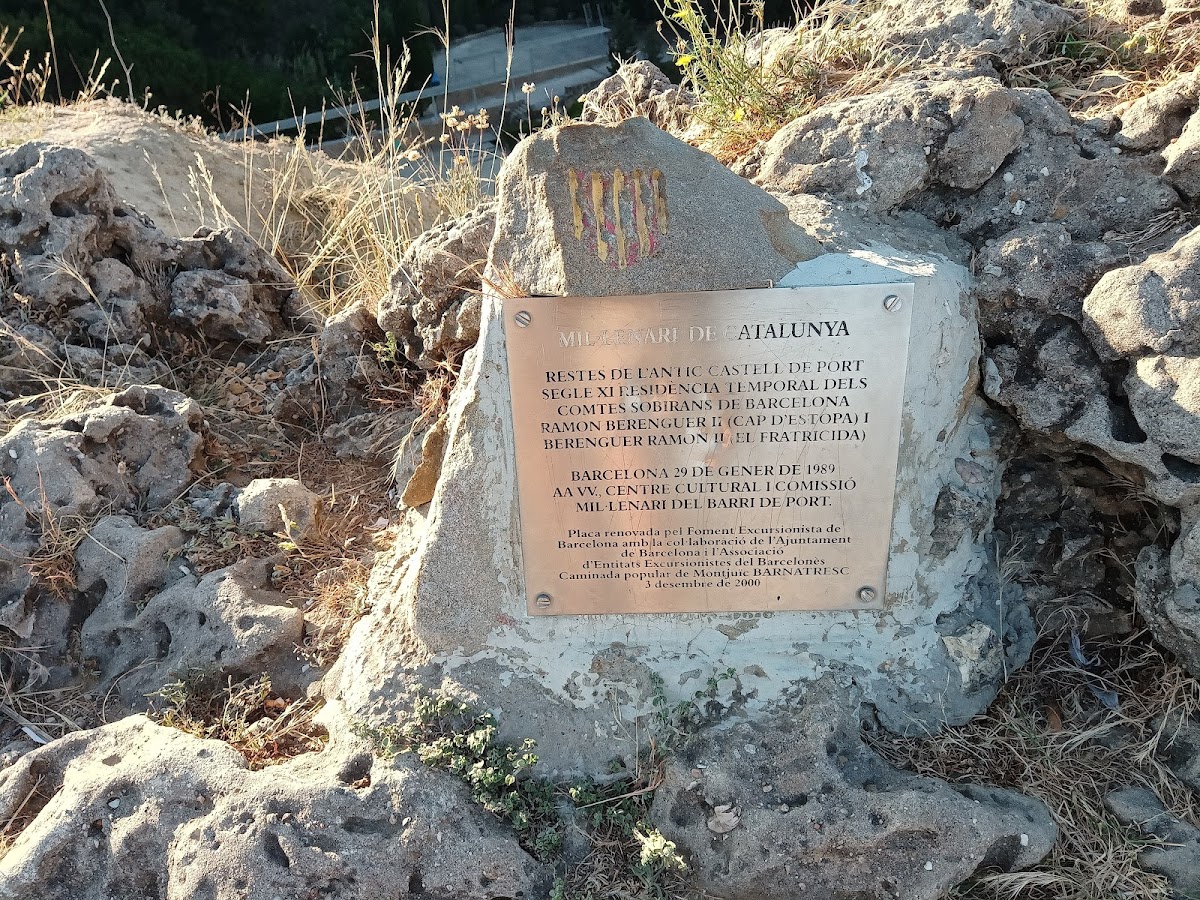
The surviving medieval remains have been reduced to a mound of stones and a commemorative plaque. The preserved tower formed the last substantial part of the castle visible at the beginning of the twentieth century. Together, these remains mark the position of a fortification whose former defensive role depended on its elevated location and its relationship to the routes leading from Barcelona toward the Llobregat Delta.