Castillo de La Torresaviñán: A Medieval Defensive Complex in Spain


Site at a Glance
- Rating
- 4.2
- Popularity
- Very Low
- Country
- Spain
- Primary era
- Medieval
- Eras represented
- Medieval
- Civilizations
- Crown of Castile
- Site type
- Military
- Remains
- Castle
On this page7 sections
History
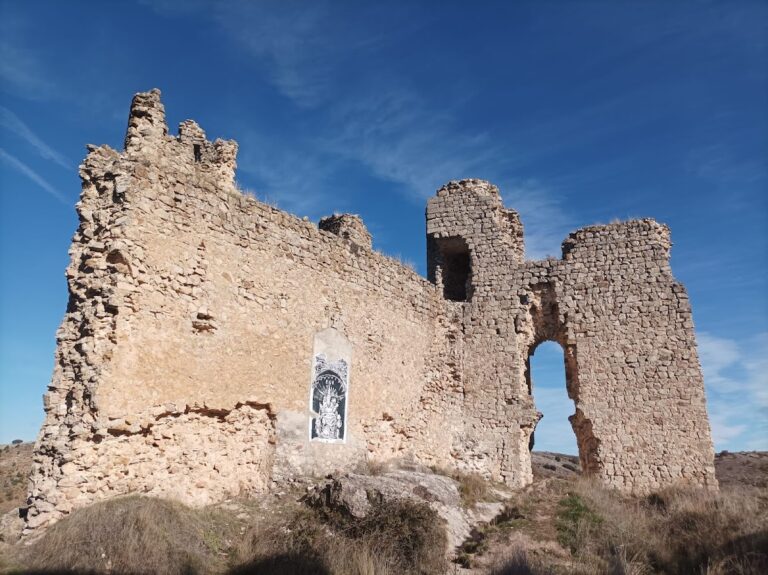
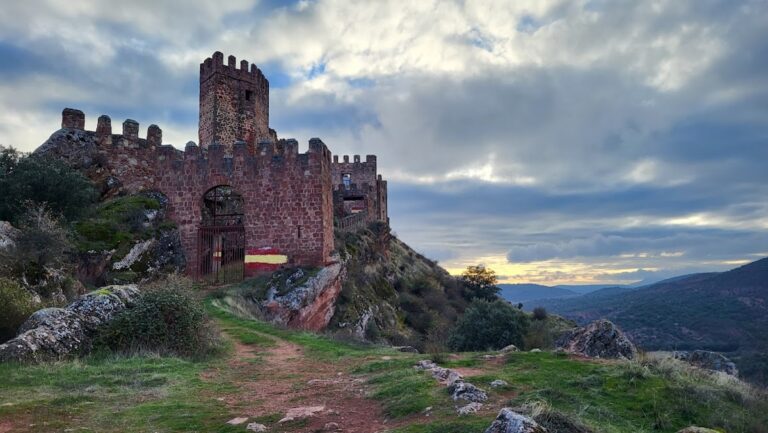
Castillo de La Torresaviñán is a medieval defensive complex in La Torresaviñán, Spain, dating from the twelfth century. Its essentially unchanged form reflects later reforms carried out during the fourteenth and fifteenth centuries, while its present appearance was shaped by destruction during the War of the Spanish Succession.
Medieval Origins and Later Reforms
The castle was established as a defensive stronghold in the twelfth century. Its structure remained broadly consistent over time, although reforms undertaken during the fourteenth and fifteenth centuries altered parts of the complex without changing its fundamental character.
Destruction During the War of the Spanish Succession
The War of the Spanish Succession was an early-eighteenth-century European conflict over the Spanish crown. During the conflict, Habsburg-supporting forces retreating from the area blew up the walls and part of the tower. This event gave the castle the ruined appearance it retains today.
Castillo de La Torresaviñán later received protection under Spain’s decree of 22 April 1949 concerning the protection of Spanish castles and under Law 16/1985 of 25 June on Spanish Historical Heritage. It is also included on the Spanish Red List of Heritage, a warning register for cultural sites considered to be at risk.
Remains
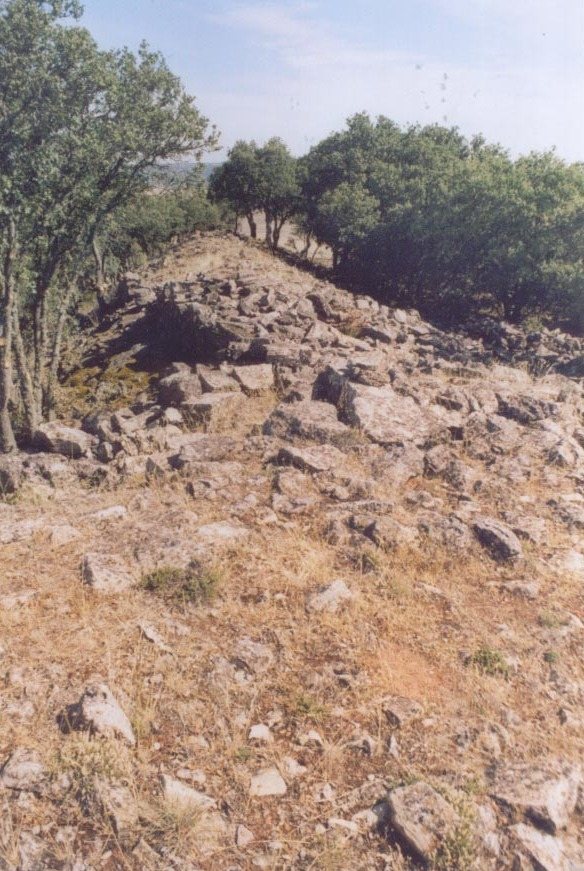
The complex occupies a high hill and has the rough finishes associated with a strictly defensive purpose. Its construction did not provide the ordinary comforts expected of a permanent residence, and the site is now in a state of ruin.
Defensive Structures
Castle Complex
The surviving remains form a defensive complex whose walls and other structures were damaged by the wartime explosion. The hilltop position and austere construction define the physical character of the site.
Square Tower
The best-preserved feature is a square-plan tower rising approximately 16 metres above the other structures. Built of masonry, construction using joined stones or other units rather than finely cut facing blocks, it has no windows. Its interior is divided into four floors connected by a ladder, and another ladder is needed to reach the entrance, which stands several metres above ground level.