Castle of Zalia: A Historic Fortress in Alcaucín, Spain

Visitor Information
Google Rating: 4.3
Popularity: Very Low
Google Maps: View on Google Maps
Country: Spain
Civilization: Unclassified
Remains: Military

History
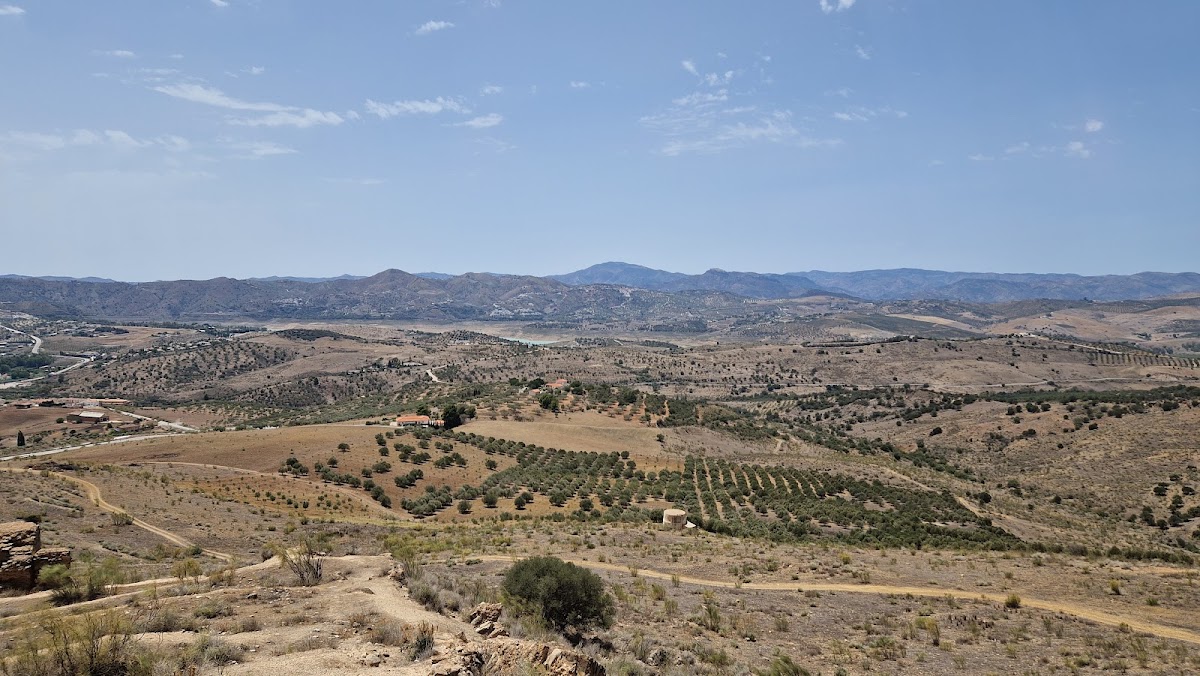
The Castle of Zalia is located in the municipality of Alcaucín in Spain. Its origins trace back to the Phoenician civilization, which is credited with the initial construction of the fortress. Over the centuries, the site underwent significant transformations, particularly during the Islamic period, when the Arabs rebuilt and expanded the castle.
During the Islamic era, the castle became an important stronghold situated along the Nasrid royal road. This road connected the city of Granada with Málaga, passing through the nearby Zafarraya pass, highlighting the castle’s strategic position for controlling movement and communication. The castle flourished at this time, benefiting from the surrounding area’s activities such as livestock breeding and the cultivation of cereals, which supported a stable local economy and settlement.
In September 1485, the stronghold was captured by the Catholic Monarchs during the Christian Reconquest of the Iberian Peninsula. This conquest was facilitated by a betrayal from an Arab resident of Christian descent within Zalia, marking an episode of internal conflict contributing to the fall of Islamic control in the area. After its capture, the castle served a new purpose as a prison-bishopric, detaining rebellious Moriscos—Muslims who remained in Spain after the Reconquest and later faced persecution and forced conversions.
Ceramic findings from the site date from the later phase of Islamic rule, roughly spanning the 10th to the 15th centuries, providing archaeological evidence of continuous occupation and use up to the moment of Christian control. Throughout its history, the castle was valued largely for its role as a watchtower and military outpost, guarding the region and controlling a significant route between key cities.
Remains
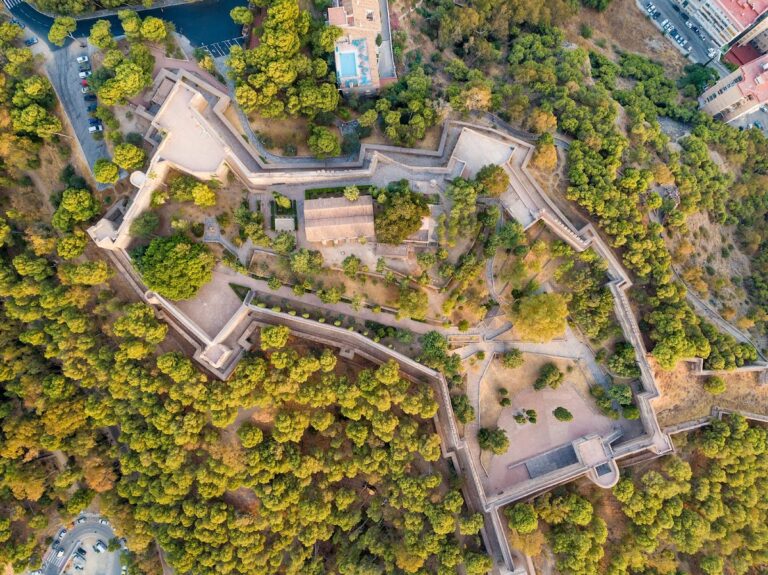
The Castle of Zalia features a layout that adapts irregularly to the gentle hill upon which it stands, covering an area approximately 120 meters from east to west and 150 meters from north to south. It is enclosed by a double circuit of walls, whose shapes follow the natural contours of the terrain, emphasizing a construction style responsive to the landscape rather than rigid geometric plans.
The fortress has two main enclosures. The inner enclosure houses a large square water cistern, or aljibe, located in the central-northern part. This cistern was essential for collecting and storing rainwater, ensuring the garrison had access to water in times of siege. The inner walls combine masonry towers with sections built from rammed earth, known locally as tapial, coated with a layer of lime mortar that once gave the surfaces a smooth finish.
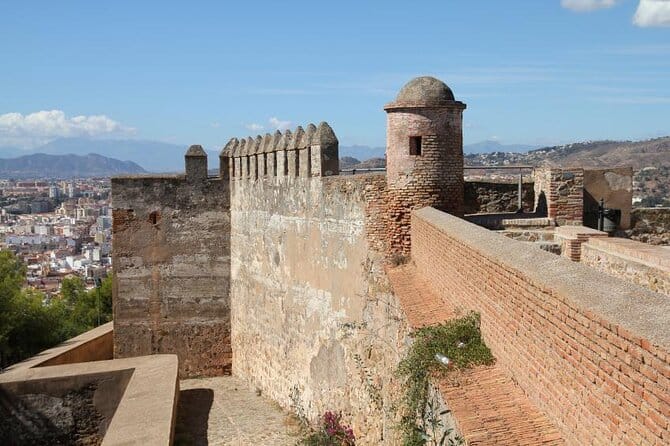
The outer enclosure is marked by walls constructed of masonry, incorporating both square and semicircular towers spaced irregularly along its length. Some of these structural parts have suffered displacements or partial loss over time. The materials used include various sizes of stone blocks and rubble, occasionally united with brick, all originally covered in lime plaster, which has since mostly worn off due to exposure.
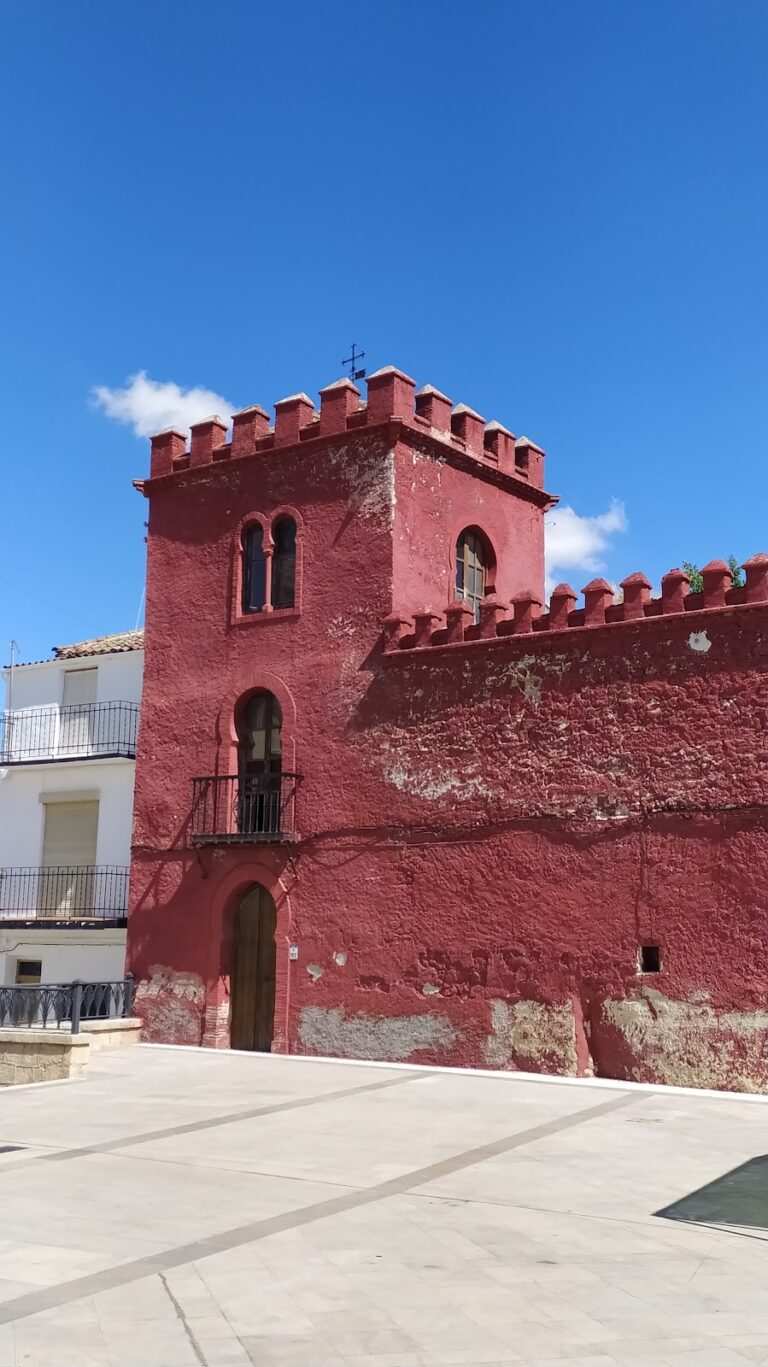
At the north-facing main gate, two imposing masonry towers flank the entrance. These towers feature tapial reinforcements on top, while the corners display more precise stonework, indicating a focus on fortification strength and aesthetic detail. Several remaining towers preserve fragments of parapets or battlements made from tapial. Notably, these defensive elements include built-in channels for draining rainwater, demonstrating attention to practical maintenance in the fortress’s design.
Along one edge of the enclosure, the presence of a watchtower is evident, underscoring the castle’s role in surveillance and territorial defense. Adjacent to the site lies the historic royal road, an important artery that once linked Granada and Málaga through the nearby pass. Nearby oral traditions tell stories associated with the castle and a former lagoon close to its location, reflecting the site’s place in local cultural memory, although no archaeological evidence has confirmed these particular features.
Today, the castle survives as a collection of standing towers and fragmented walls, bearing witness to its long history of military occupation and strategic importance. The combination of masonry and tapial, alongside the set of functional structures like the aljibe, reveals a complex and adaptable fortress shaped by centuries of evolving needs and rulers.
Nearby sites