Castle of Orezia: A Medieval Defensive Complex in Italy

Site at a Glance
- Rating
- 4.2
- Popularity
- Low
- Country
- Italy
- Primary era
- Medieval
- Eras represented
- Medieval
- Civilizations
- Holy Roman Empire
- Site type
- Military
- Remains
- Castle
On this page5 sections
History
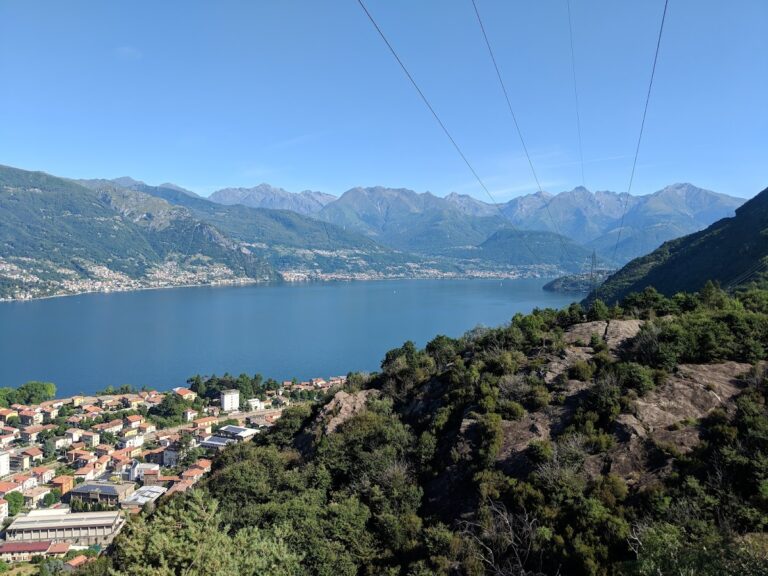
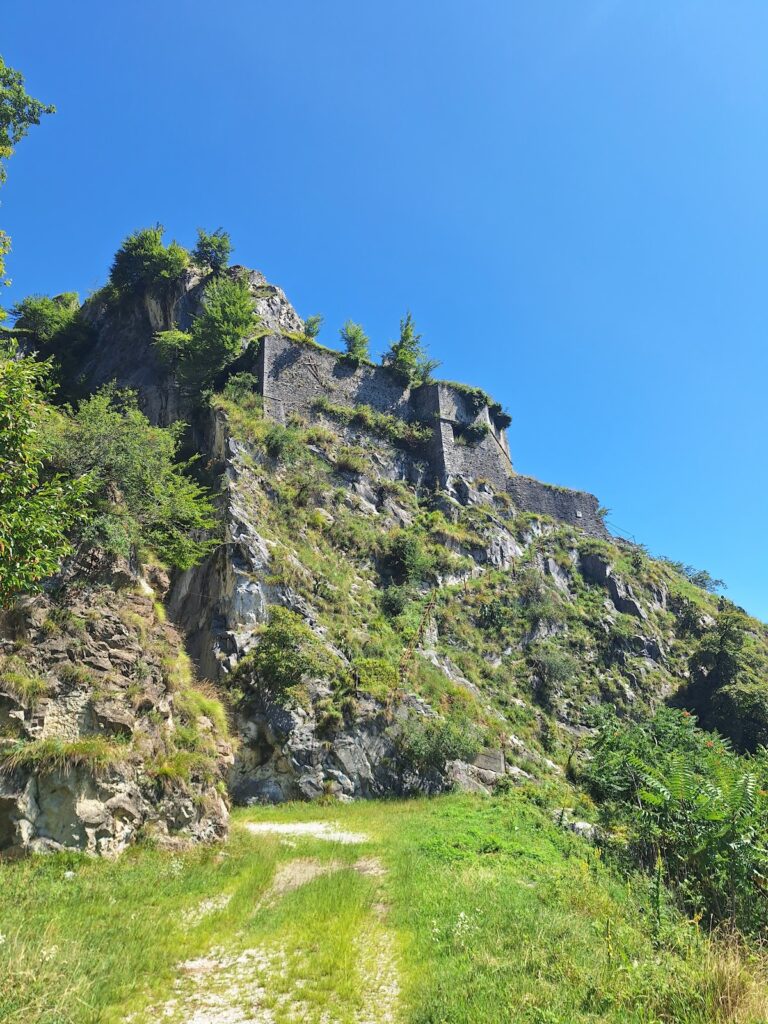
Castle of Orezia is a medieval defensive complex in Dervio, Italy, centered on the Orezia Tower, which guarded the road rising into Valvarrone. The tower is broadly dated to the eleventh century, specifically 1039, and was already standing by 1341. Its position above the plain gave the fortification a defensive role over an important route into the valley.
The tower belonged to a fortified complex known as the Castrum de Orethia, also called Olethio. A medieval ecclesiastical inventory associated with the territory of Milan, the Liber notitiae Sanctorum Mediolani, records the complex as castrum goleza. The fortification probably received further strengthening during the conflicts between the Duchy of Milan, a major north Italian state, and the Republic of Venice, a powerful maritime and territorial republic whose rivalry repeatedly affected fortified sites in Lombardy.
Restoration of the tower, undertaken together with the nearby Church of San Leonardo, was completed in 2016. The complex has Italian national heritage status.
Remains
Fortified complex
Orezia Tower
The Orezia Tower is a square-plan stone structure built on elevated ground above the plain of Dervio. It formed the central surviving element of the fortified site and is currently restored.
Defensive masonry and settlement area
The wider complex included a moat, several dwellings, and a square from which the road to Valvarrone began. Traces of additional defensive masonry remain near the tower. Some sections contain round-arched openings, while others use small stones laid in horizontal bands.