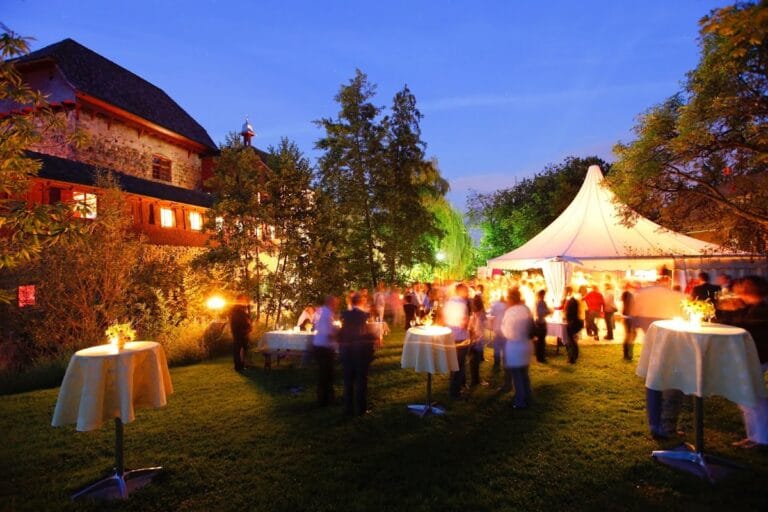
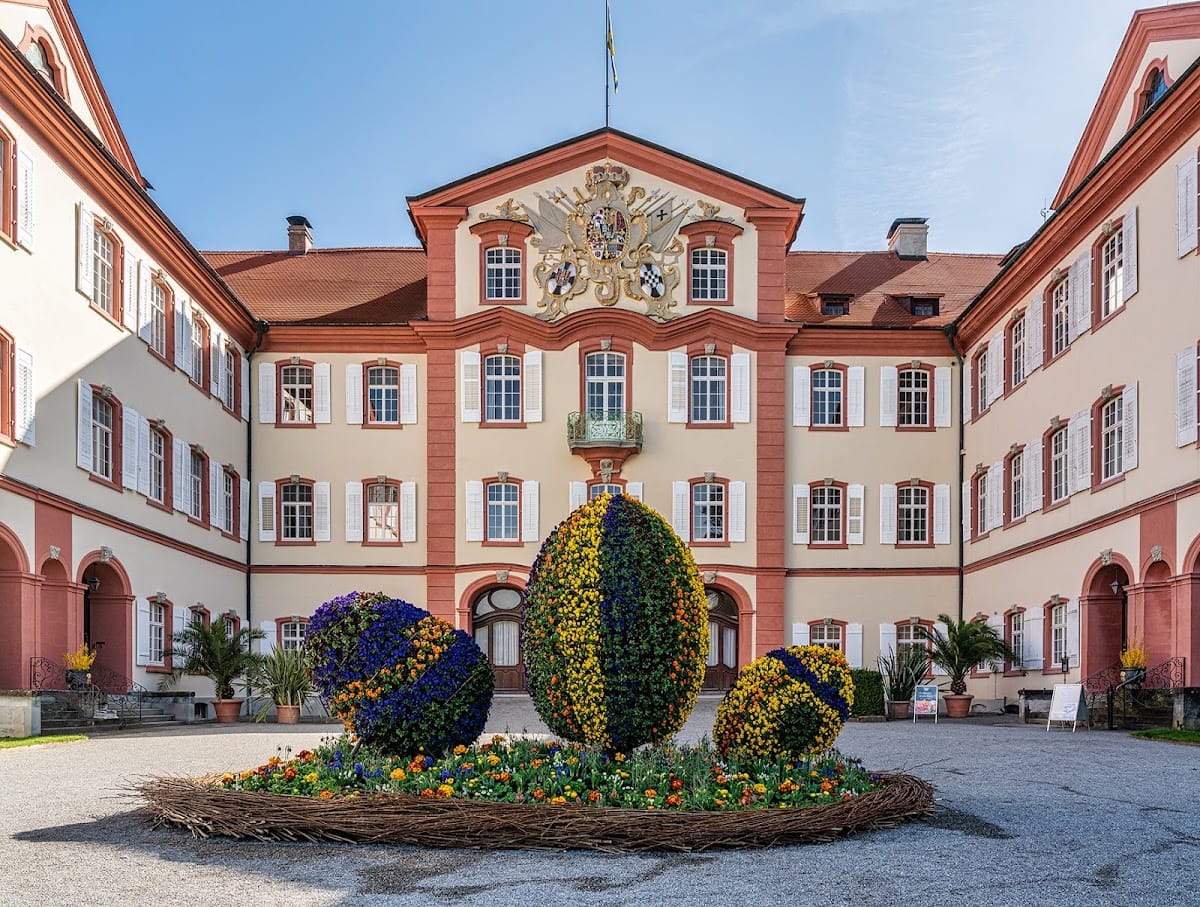
Schloß Mainau: A Historic Castle Site in Konstanz, Germany



Visitor Information
Google Rating: 4.6
Popularity: Medium
Official Website: www.mainau.de
Country: Germany
Civilization: Unclassified
Site type: Military
Remains: Castle

History
Schloß Mainau is located on Insel Mainau within the municipality of Konstanz, Germany. While the precise origins of the castle are not detailed in existing records, it stands within a region long influenced by various European civilizations.
Over time, Schloß Mainau has occupied a landscape marked by both flat terrain to its northeast and elevating hills to the southwest. The area surrounding the castle has supported a moderately dense population, which may have affected its strategic or administrative functions in past centuries. Despite its enduring presence, recorded evidence does not specify particular periods of construction, notable rulers, military engagements, or phases of abandonment linked directly to the castle. Similarly, no clearly documented legends or historic roles such as religious associations or administrative duties have been confirmed for this site.
The name “Mainau” persists in connection with the location, but historical changes to this place name or any related etymological origins are not explicitly noted in the current sources. As such, the historical narrative of Schloß Mainau remains defined principally by its geographic and cultural context within southern Germany rather than elaborated episodes or events.
Remains
Schloß Mainau is situated at an elevation of 392 meters, overlooking terrain that transitions from flat areas in one direction to hills rising to nearly 500 meters nearby. While detailed descriptions of the castle’s layout and construction methods have not been recorded, the site’s positioning likely reflects considerations of the surrounding geography.
No specific archaeological features such as foundations, gates, staircases, inscriptions, or artistic embellishments have been documented in the available materials. Likewise, there are no recorded findings concerning the building materials or any particular construction techniques employed in the castle’s development. Consequently, there is also no information about any restoration efforts or the current condition of structural elements at the site.
The absence of detailed archaeological descriptions means that interpretations must rely on its general geographical setting rather than identifiable structural remains. This emphasizes the need for further study but also highlights the castle’s place in a landscape that combines human habitation with patches of rare forested areas nearby.
Nearby sites