Salasel Castle: A Historic Fortress in Shushtar, Iran


Visitor Information
Google Rating: 4.3
Popularity: Low
Google Maps: View on Google Maps
Country: Iran
Civilization: Unclassified
Remains: Military

History
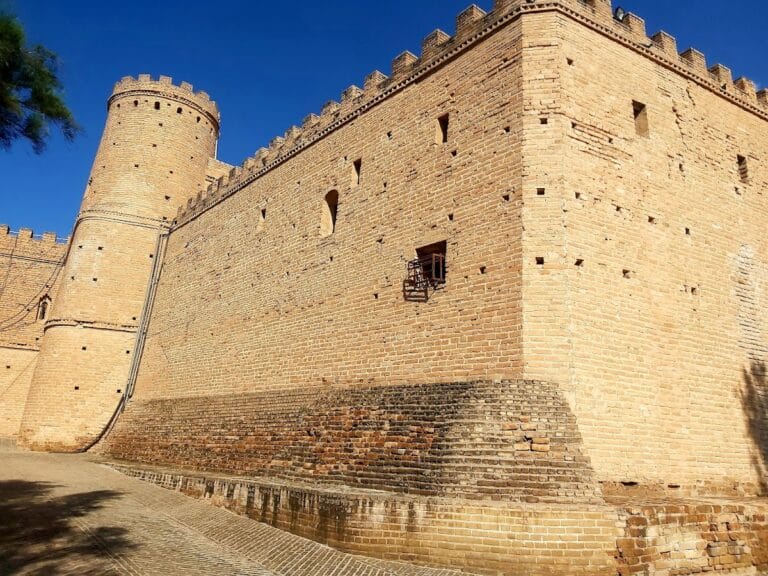
Salasel Castle is a fortress situated in the city of Shushtar, within modern Iran. Its origins trace back to the Achaemenid era, making it one of the region’s enduring historical structures built by the ancient Persian civilization. Over the centuries, this fortress played a significant role in the defense and administration of the area.
During the Achaemenid period, the castle began as a strategic stronghold designed to oversee and protect the Dariun canal, a vital waterway of Shushtar. It grew in importance as a defensive bastion controlling access to the city and managing water distribution for the surrounding plains. Throughout the Sasanian era, the site was reinforced with substantial walls and towers, indicating its continued military relevance under later Persian empires.
By the late Qajar period, Salasel Castle had evolved into a central seat for provincial authority. It became the residence of the vali, or governor, of Khuzestan Province, maintaining this administrative function until approximately fifty years ago. The castle thus served not only as a military fortress but also as a hub for regional governance and the regulation of water resources critical to the Miānāb plain.
In 1881, the French archaeologist Madame Jean Dieulafoy visited and recorded the castle’s role as the governor’s official residence. She noted its location atop a small plateau, with defensive structures dating from the Sasanian era protecting the city-facing side. These fortifications underline the castle’s long-standing strategic significance.
The 20th century brought challenges for Salasel Castle. During the early years of the Pahlavi dynasty, significant damage occurred due to human activity and neglect. No comprehensive restoration efforts followed, leading to ongoing deterioration of the site. Despite this, in 1975, the castle was officially registered as an Iranian national heritage site, securing its recognition and protection under national law.
Further international acknowledgment came in 2009, when Salasel Castle, along with fifteen related historical structures in Shushtar, was inscribed on UNESCO’s World Heritage List. This designation recognized the castle as part of the Shushtar Historical Hydraulic System, a complex network demonstrating ancient water management techniques. Salasel Castle thus stands as a key element in Iran’s cultural heritage, symbolizing centuries of engineering, governance, and military history.
Remains
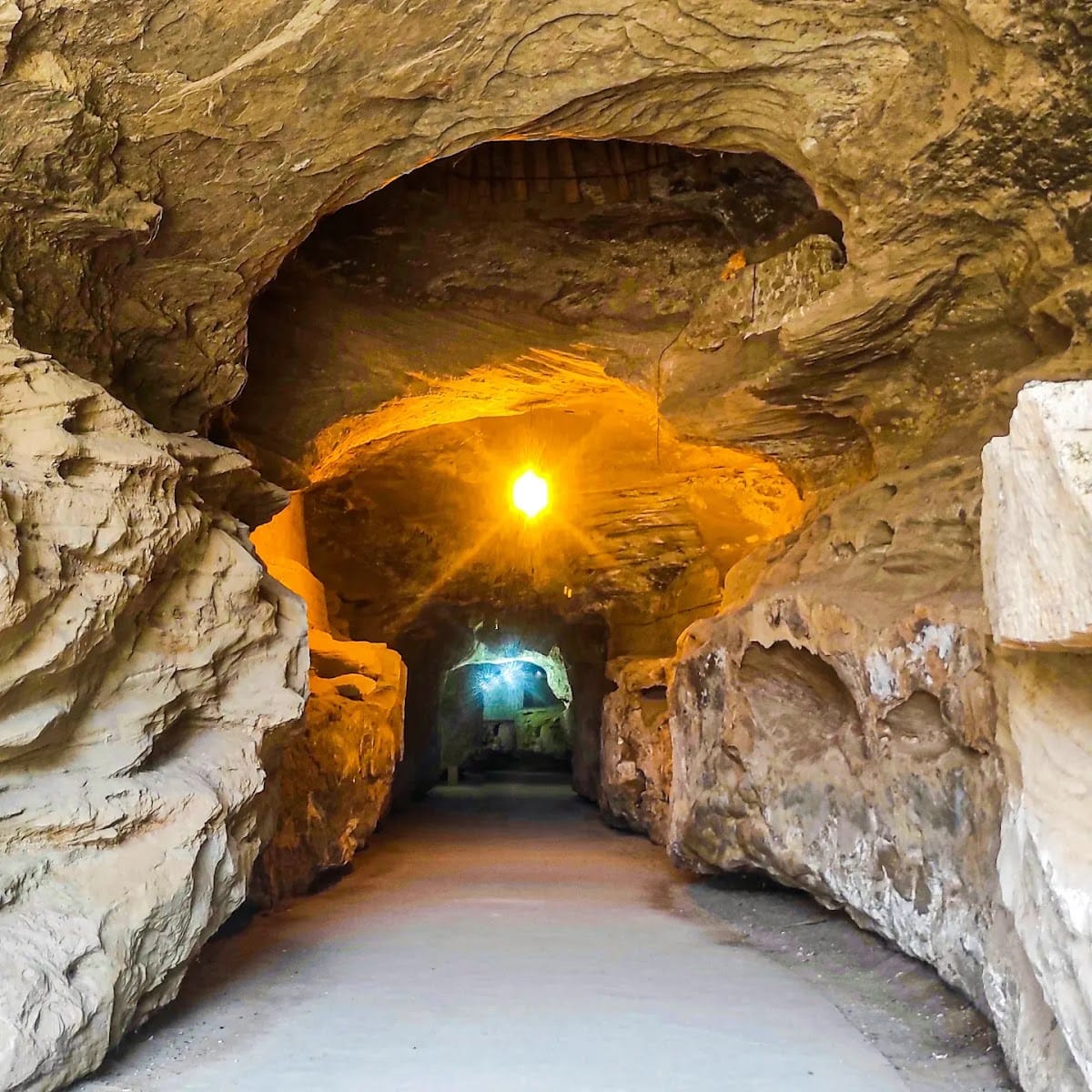
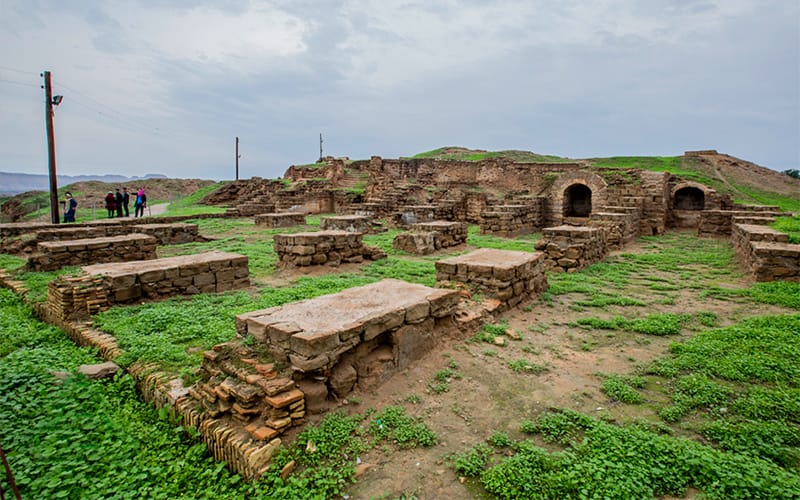
The fortress once covered a large area on a small mountainous plateau, commanding a vantage point above one branch of the Karun River known as Shatit. Its design featured an intricate layout with multiple courtyards and a variety of functional buildings suited to both defense and daily life. The remaining archaeological evidence reveals a complex network of underground chambers, storage spaces, and water channels that highlight its multifaceted use.
Among its key features were barracks and stables, serving the needs of the garrison stationed within. Bathhouses and night chambers reflect accommodations for extended habitation, while the presence of a gunpowder magazine, referred to as a qurkhaneh, indicates areas dedicated to military supply storage. A music pavilion, called a naqareh khaneh, points to cultural activities occurring within the fortress walls.
The castle’s residential section included a harem and kitchens, demonstrating the presence of the governor’s household and supporting staff. Numerous gates controlled access to the site, supplemented by imposing walls and defensive towers that were part of the earlier Sasanian construction phase. Surrounding the fortress was a moat, adding an additional layer of security against attackers.
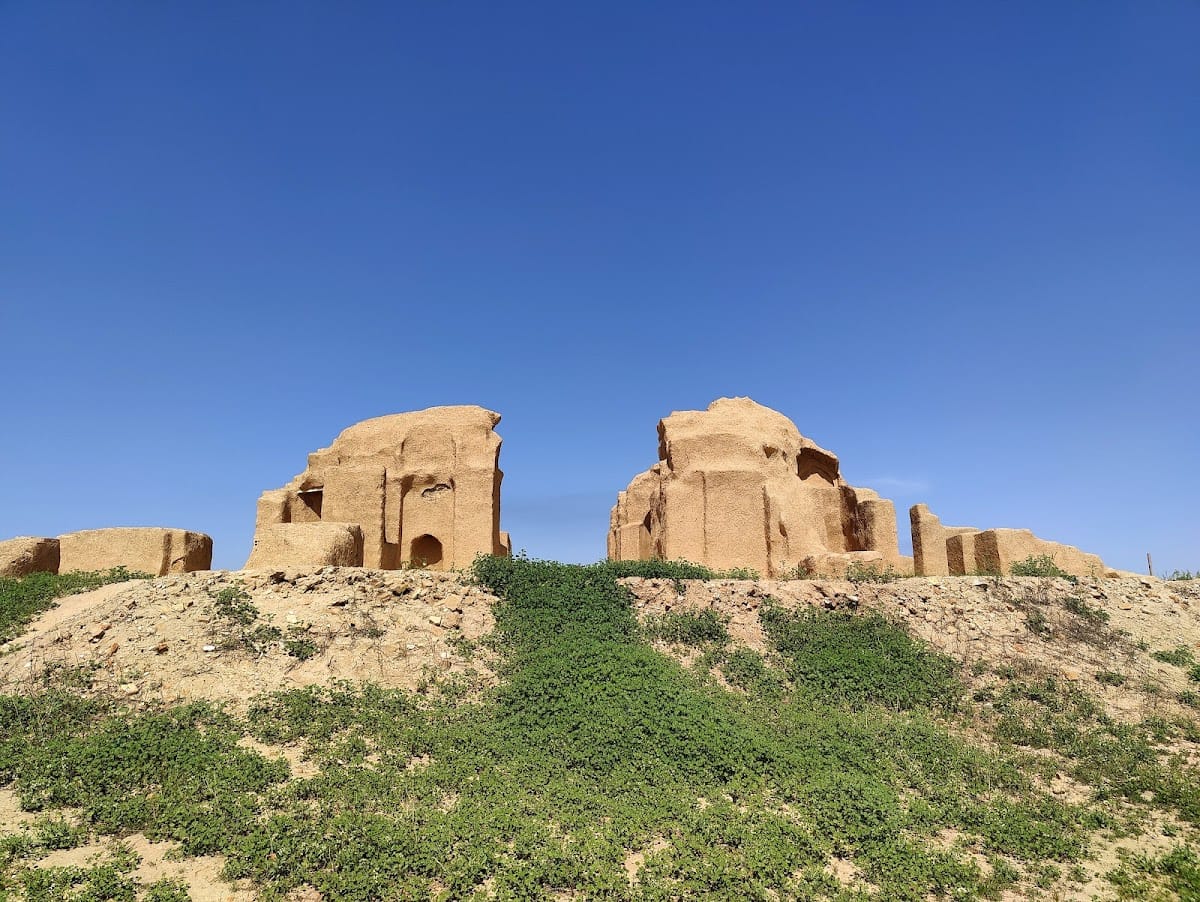
Today, most of the above-ground structures have suffered ruin, with only underground rooms and storage cellars, known as shavadan, remaining intact. These spaces, along with the Dariun tunnels—water channels integral to the site’s hydraulic functions—offer vital insights into the castle’s operation and its integration with Shushtar’s broader water management system.
Part of the site has been repurposed as a stone museum, housing inscriptions and tombstones of prominent individuals once associated with the castle. This museum also contains stone artifacts and pottery items recovered from past inhabitants, providing tangible connections to the fortress’s long history.
Photographic records from the late 19th century document the castle’s walls and gates during its period of occupation, while detailed archaeological maps preserve knowledge of its original layout. Together, these resources support ongoing efforts to study the castle’s architectural significance, even as physical preservation remains a challenge. The enduring presence of Sasanian-era walls and towers continues to highlight the site’s historical and defensive importance within Shushtar.