Roman Bridge of Chaves: An Ancient Roman Structure in Portugal
Visitor Information
Google Rating: 4.7
Popularity: Medium
Google Maps: View on Google Maps
Country: Portugal
Civilization: Roman
Remains: Infrastructure

History
The Roman Bridge of Chaves is located in the city of Chaves, Portugal, formerly known as Aquae Flaviae during Roman times. It was built by Roman engineers at the end of the 1st century or the beginning of the 2nd century AD, under the rule of Emperor Trajan. The bridge formed part of the Roman infrastructure supporting the settlement, which also included notable baths.
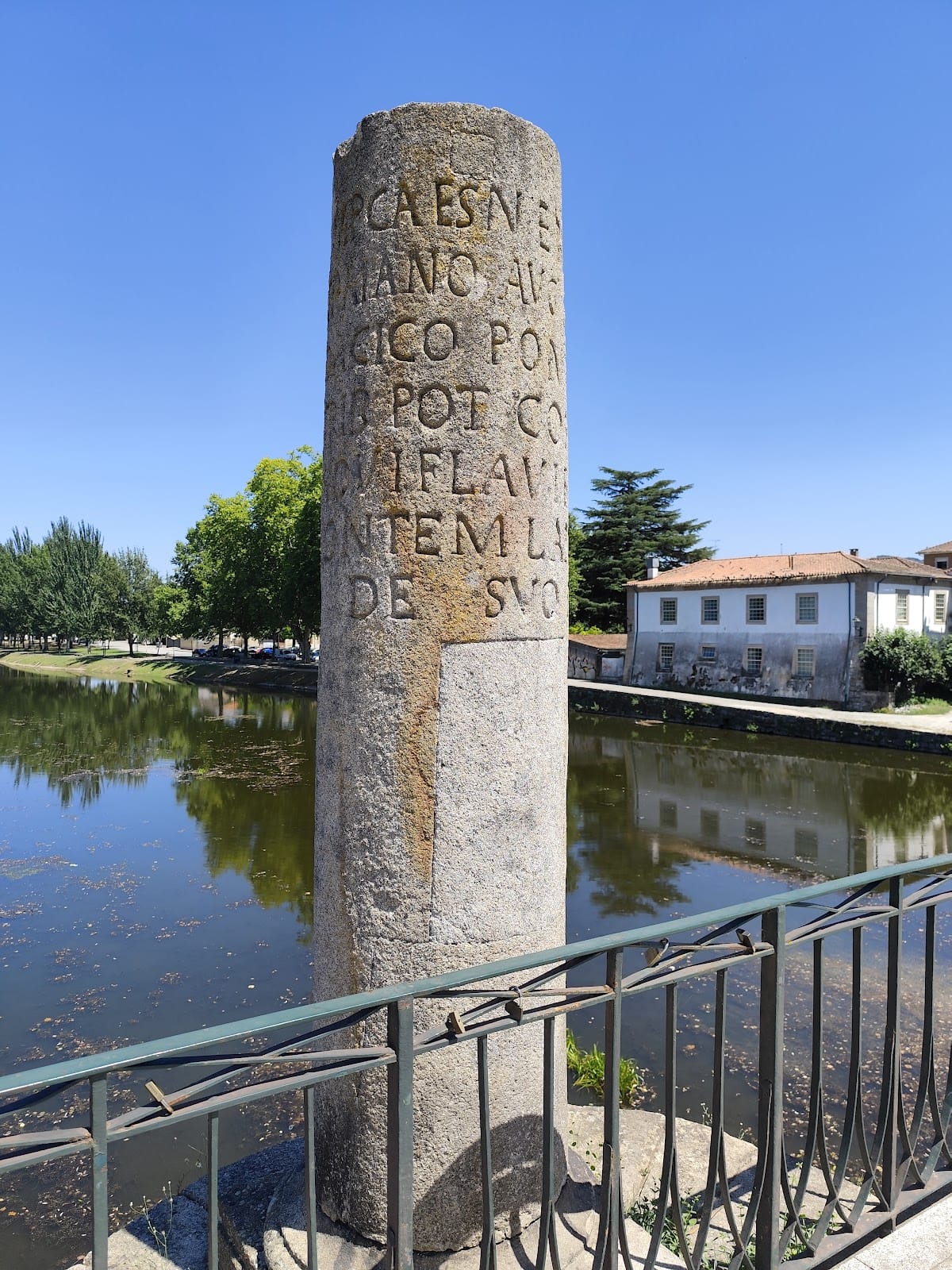
In 104 AD, a commemorative column called the Padrão dos Povos was erected by ten local communities, or civitas, to honor the Flavian emperors Vespasian and Titus. This monument also recognized the emperor’s Legatus Augusti and the procurator of the 7th Legion Gemina Felix, indicating local involvement and funding in the bridge’s construction. This suggests the bridge was a significant public work supported by both Roman authorities and local populations.
By the 16th century, the bridge was depicted with 14 arches and watermills on the northern bank, showing its continued use and integration into the local economy. Over the following centuries, the number of visible arches decreased from the original 18 to 12 by the mid-18th century. Some arches were covered or buried due to urban expansion and changes to the riverbanks.
The commemorative columns have been moved several times since the 16th century. Some suffered damage or lost inscriptions, while two were adorned with the Portuguese royal coat-of-arms and later placed in the Museum of Chaves. The bridge underwent various repairs and modifications from the 18th century through the 20th century, including restoration of staircases, installation of metallic walkways, desilting efforts, and reinforcement of structural supports.
In 1910, the bridge was classified as a National Monument, and in 1992 it came under the protection of the Portuguese Institute of Architectural Patrimony. Archaeological discoveries near the bridge include a third submerged commemorative column found in 1980 and Roman pavement stones uncovered in 2001, which revealed the presence of an oblique ramp historically used by farmers. Since 2008, the bridge has been reserved for pedestrian use, with a 2020 referendum rejecting reopening it to vehicles by a large majority.
Remains
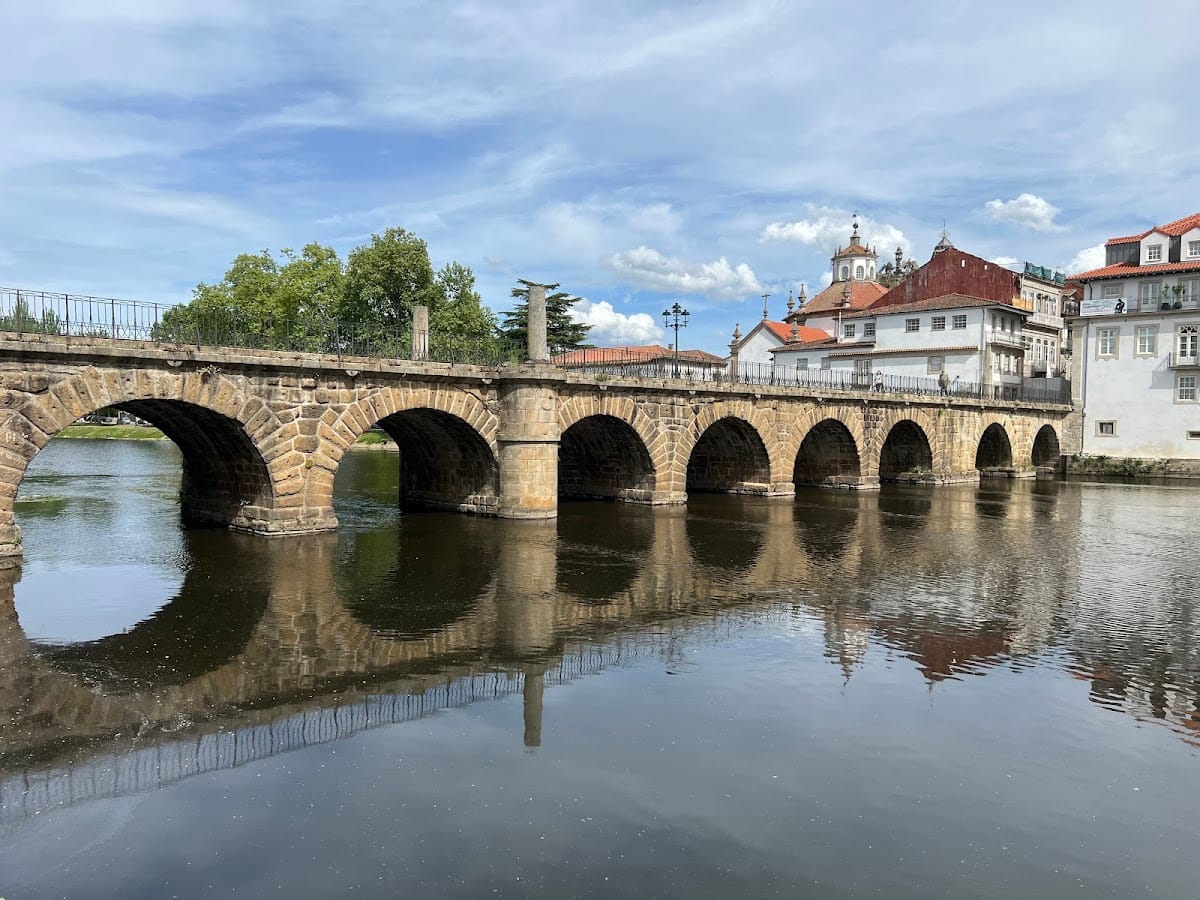
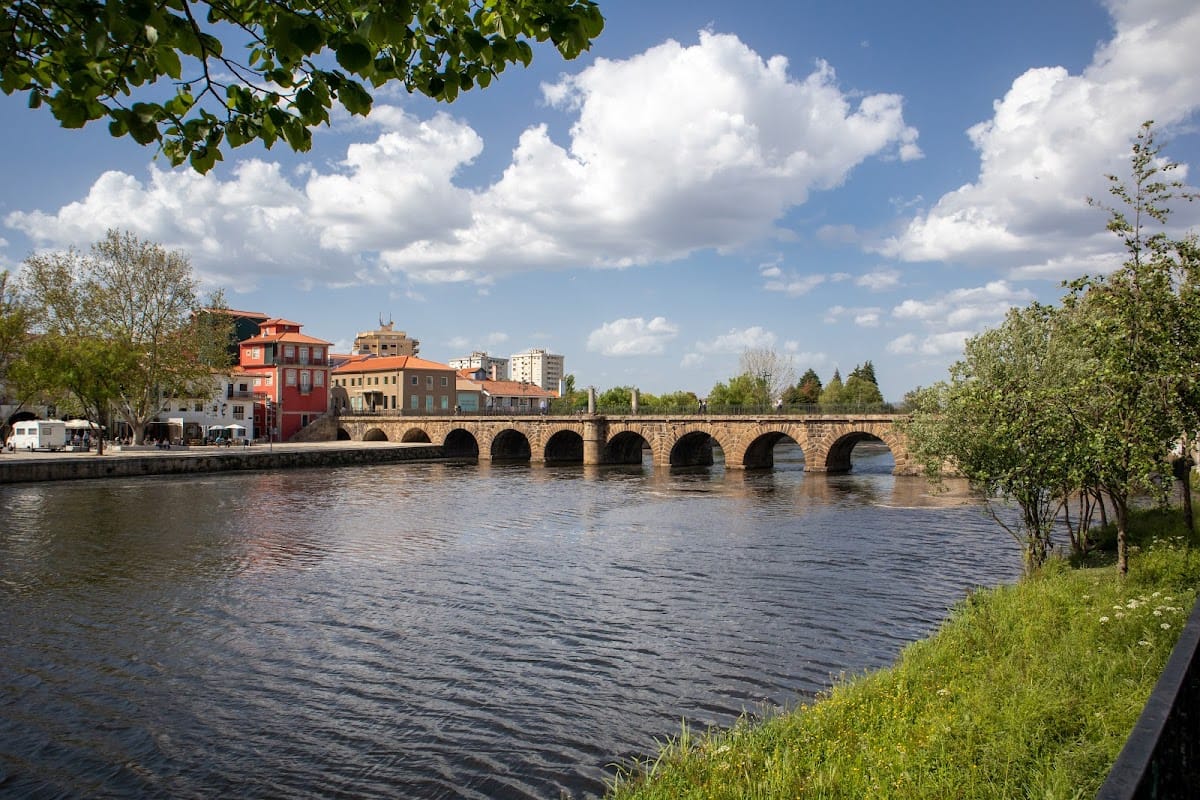
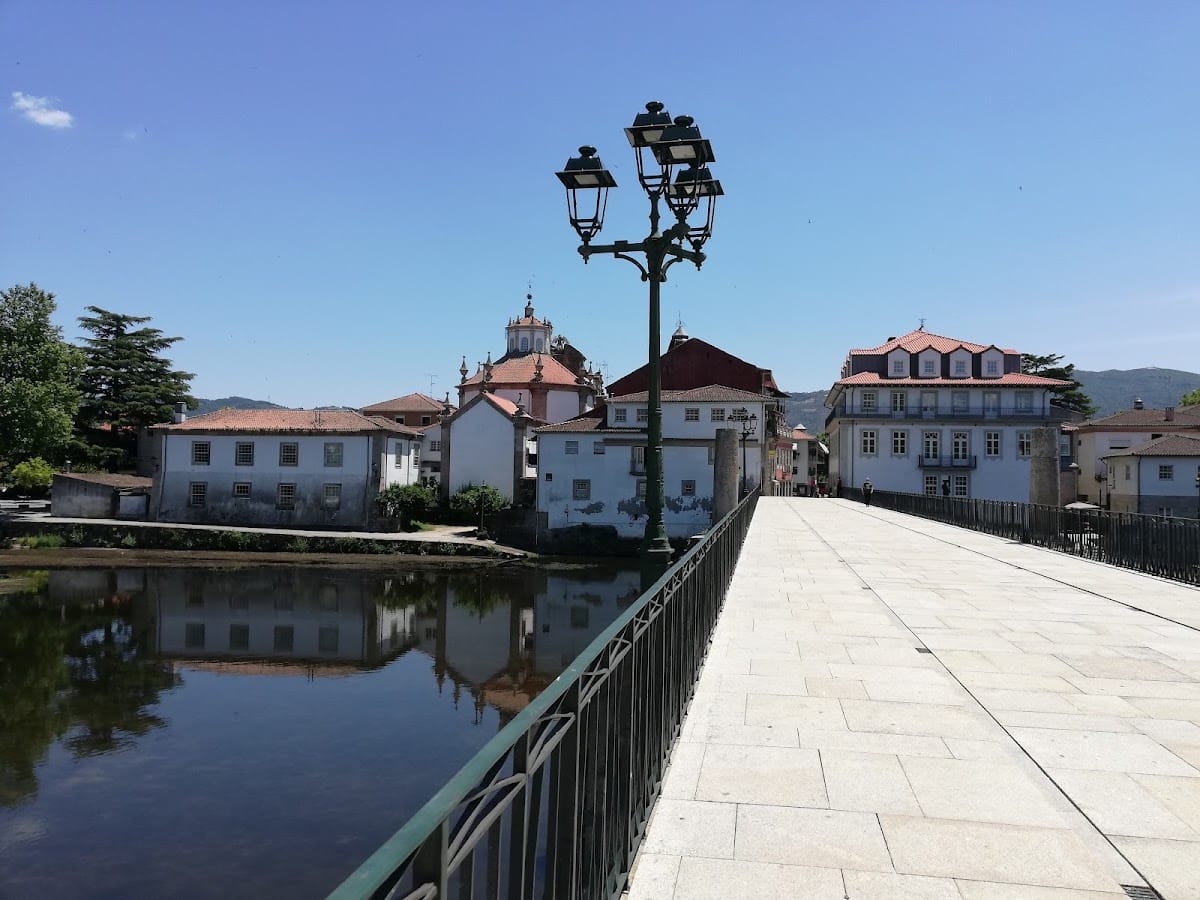
The Roman Bridge of Chaves spans the Tâmega River and measures about 140 meters in length. It features 16 visible arches made from regular ashlar stone blocks, a technique involving carefully cut rectangular stones. The bridge has a flat top paved with granite slabs and includes narrow cement lanes on each side. A stone cornice runs along the edges, and semi-circular gargoyles are spaced regularly to drain water.
Two arches near the Madalena neighborhood on the left bank stand taller than the others. On the right bank, four arches are covered by warehouses with slatted rectangular openings. Additional arches have been buried or covered due to urban development. Upstream, the bridge is supported by eight prismatic cutwaters, stone structures shaped to reduce water pressure on the piers, built from ashlar stones.
Between the sixth and seventh arches, semicircular pillars with oval stone plaques bear the date 1880, marking restoration work. Another semicircular pillar replaces a cutwater between the fourth and fifth arches, with a similar pillar on the sixth cutwater. Iron grates integrated into the bridge likely date from 19th-century modifications, with stone guards installed around 1880 to protect them.
The Padrão dos Povos consists of two cylindrical, monolithic columns standing on a small cornice on the bridge floor. These bear Latin inscriptions celebrating the bridge’s construction by local peoples. A third commemorative column was found submerged near the bridge in 1980. On the right bank, four mid-20th-century arches support a metallic walkway connecting nearby buildings, with a staircase providing access to the riverbank.
Overall, the bridge remains largely intact, with many original Roman elements preserved alongside later modifications.
Nearby sites