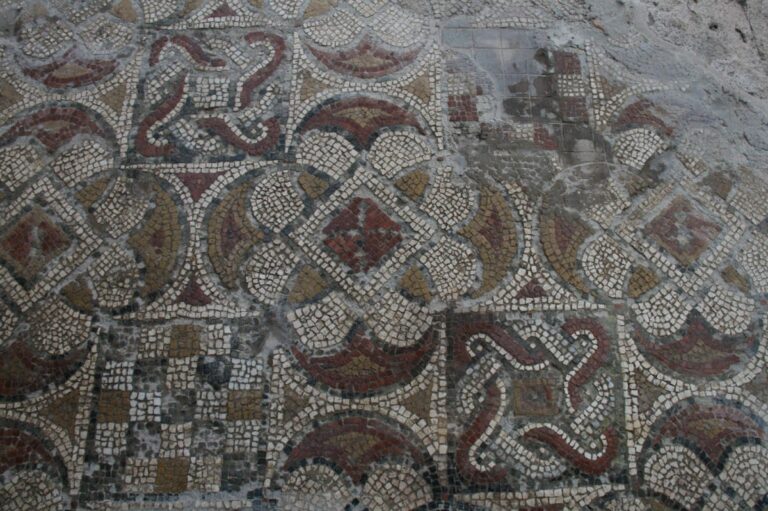
Château Lagorce: A Medieval Fortified Site in Haux, France
Visitor Information
Google Rating: 4.8
Popularity: Low
Official Website: www.frenchweddingchateau.com
Country: France
Civilization: Unclassified
Site type: Military
Remains: Castle

History
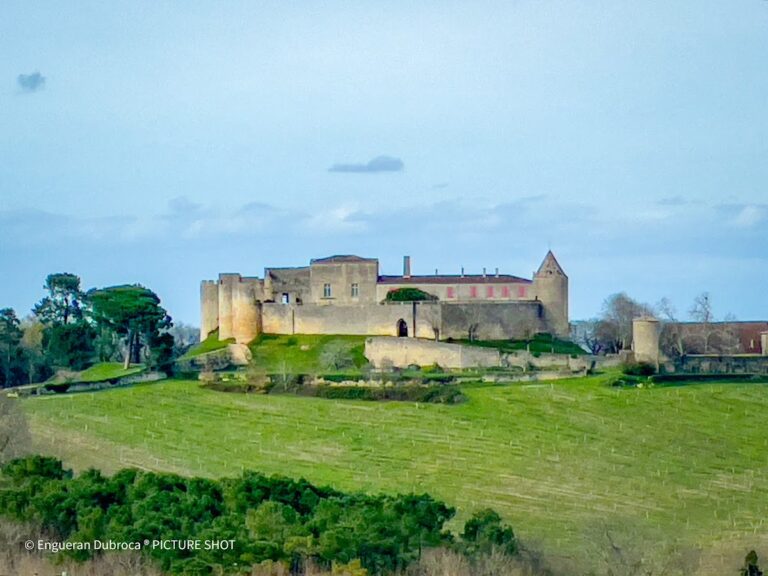
Château Lagorce is located in the municipality of Haux, France. This fortified site was established during the medieval period as part of the network of defensive strongholds constructed under the feudal system that dominated the region.
From the 14th through the 16th centuries, Château Lagorce served primarily a military function amid the frequent conflicts of the era. Its fortifications, including a surrounding moat, provided protection during these turbulent centuries. However, in the late 1500s, the castle experienced partial destruction, reflecting the instability and warfare common at the time. During the 15th and 16th centuries, ownership of the property frequently changed hands. Among the notable proprietors were Bonnaventure de Faugeres and Estienne Dumenilh de Faugeres. Following legal proceedings, the rights to the château were formally settled in 1599, and by 1607, full recovery of the property was affirmed.
In 1636, significant renovations were undertaken by Menaud de Maonaudon and Marguerite de Cursol. Their joint efforts to restore and update the château were commemorated by a keystone engraved with their combined family coat of arms, symbolizing this period of renewal. After the upheaval of the French Revolution, the château was sold in 1793. Shortly thereafter, in 1802, it was acquired by Elie Faux. The Faux family engaged in excavations on the site that contributed to the establishment of vineyards, which by 1858 were producing prestigious Barsac and Sauternes wines, valued for their quality.
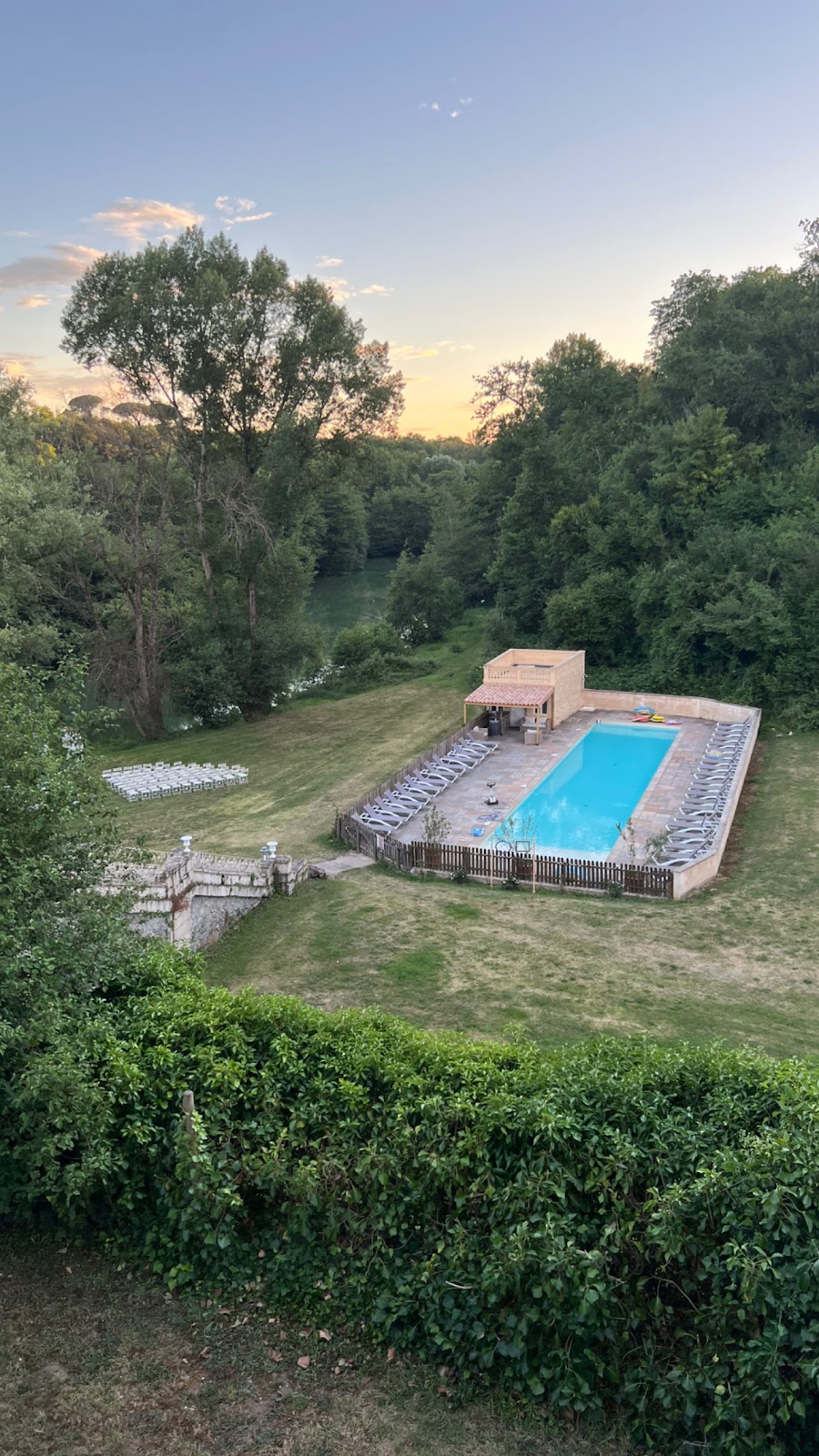
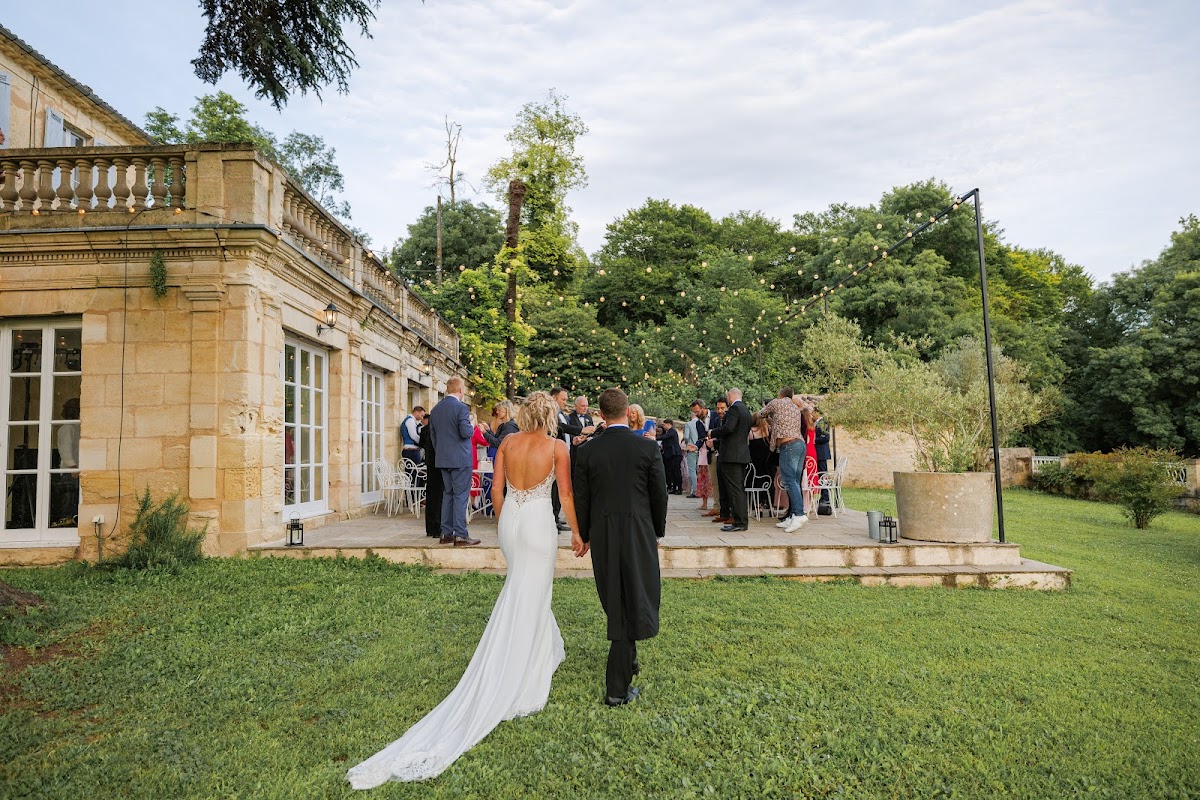
Ownership subsequently passed to Jules Beyssac in 1859, and later transitioned through the Burette and Baudier families. In 2003, the property entered a new chapter when the Holmes family purchased it and completed a comprehensive restoration of the château’s interior, aimed at returning it to its historical appearance. The Holmes family has since used the château as a wedding venue and shared the restoration journey through television and online media, also fostering connections with other British expatriates managing historic estates in France.
Remains
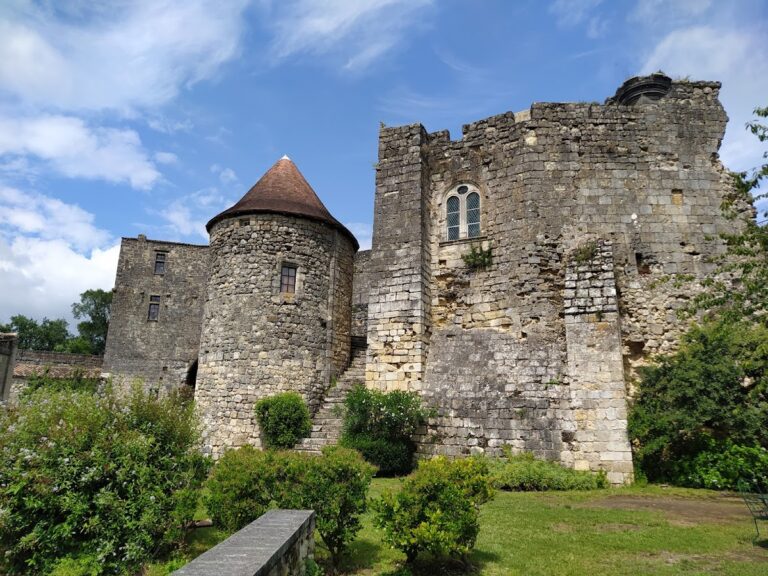
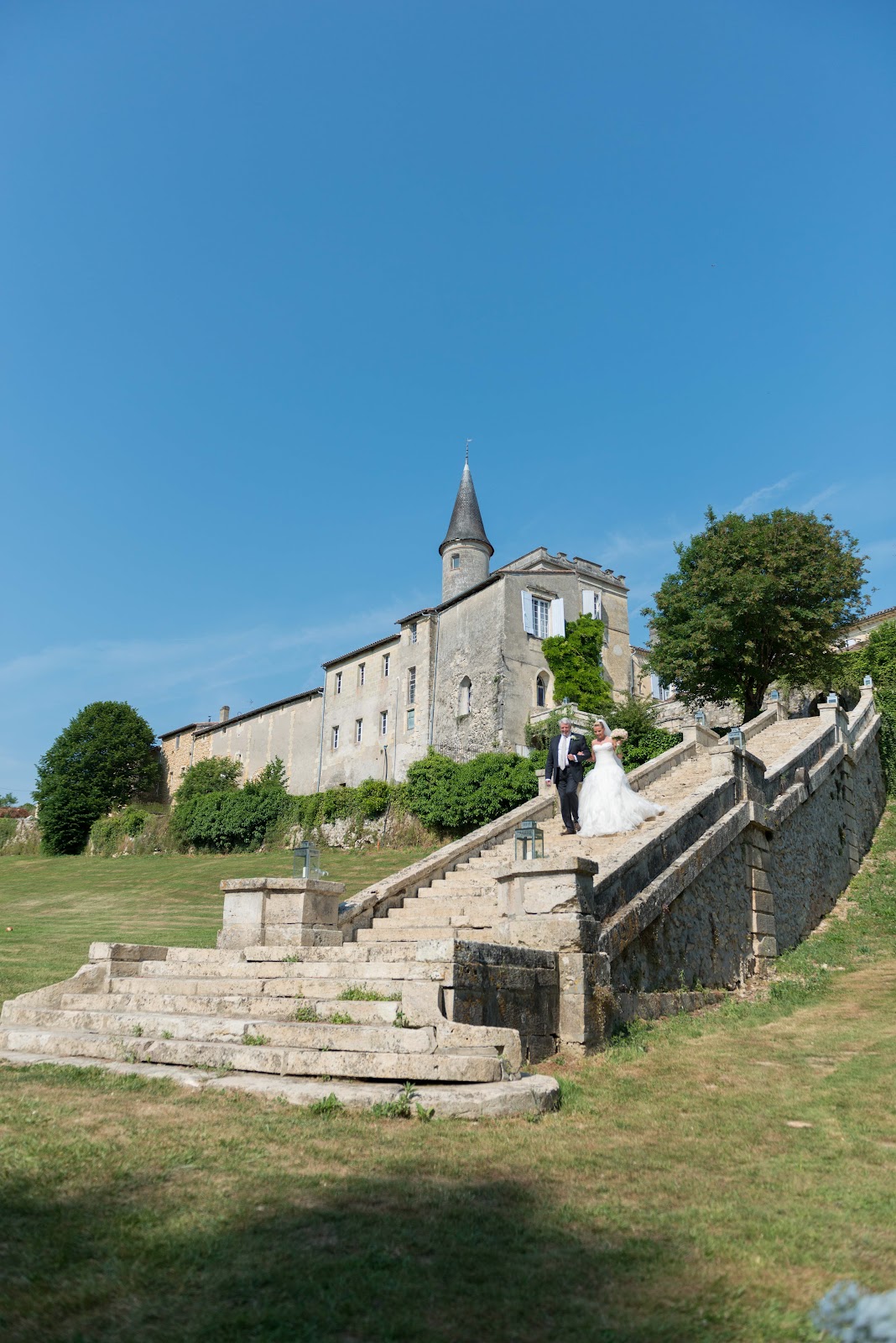
Château Lagorce retains several key architectural features reflective of its medieval origins and later adaptations. Its layout centers around a fortified structure originally encircled by a defensive moat, underscoring the site’s military function in earlier centuries. This moat would have served as a protective barrier against attackers, enhancing the castle’s defense during feudal conflicts.
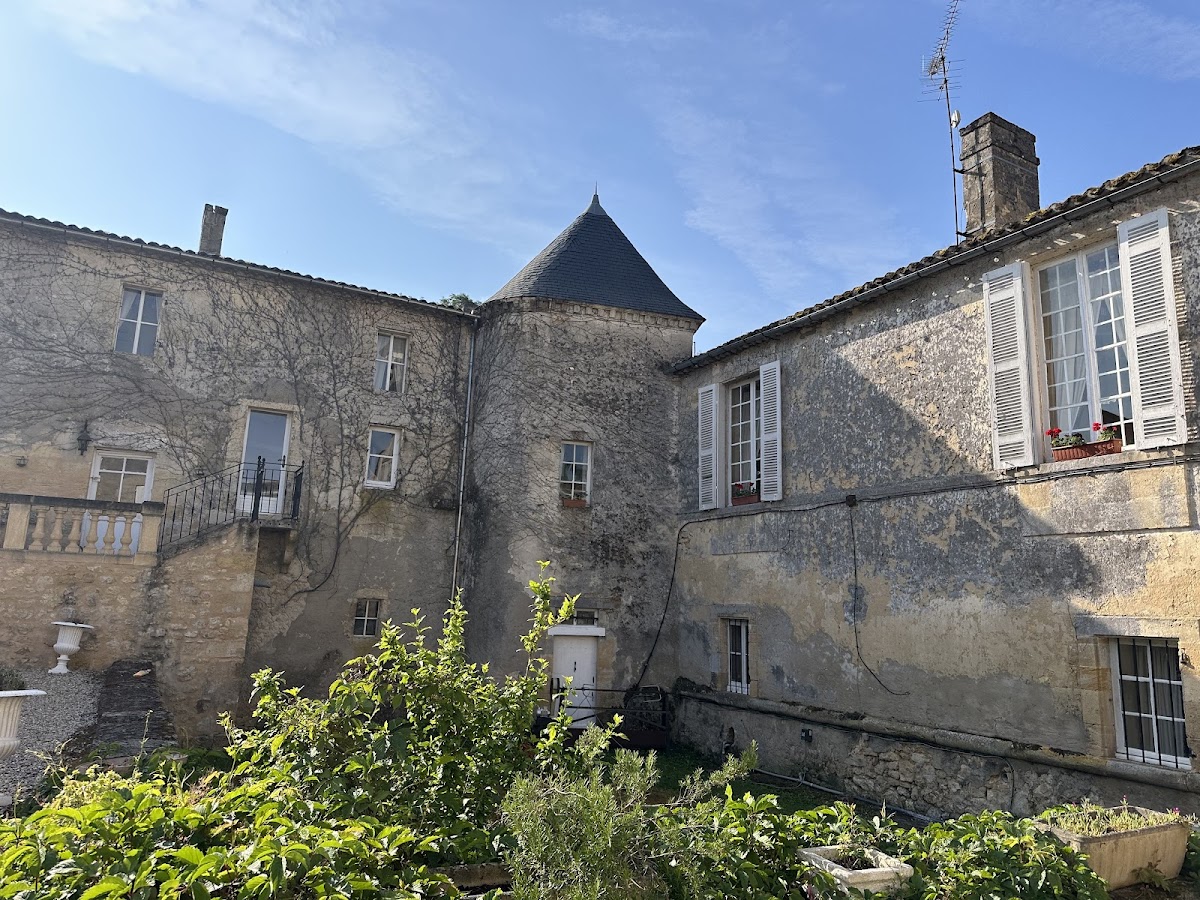
One of the château’s most ancient surviving elements is a tower with notably thick walls measuring approximately 1.2 meters. These substantial walls were designed to withstand assaults characteristic of the medieval period, demonstrating the emphasis on strong fortifications. The tower’s robust construction materials and methods align with the needs of its defensive role during the 14th to 16th centuries.
The renovations carried out in the 17th century by Menaud de Maonaudon and Marguerite de Cursol are marked by a keystone featuring their combined coat of arms. This detail not only identifies the individuals responsible for the significant restoration work but also anchors the architectonic history of the château to this period. The keystone serves as a symbolic and physical reminder of the castle’s transformation during the early modern era.
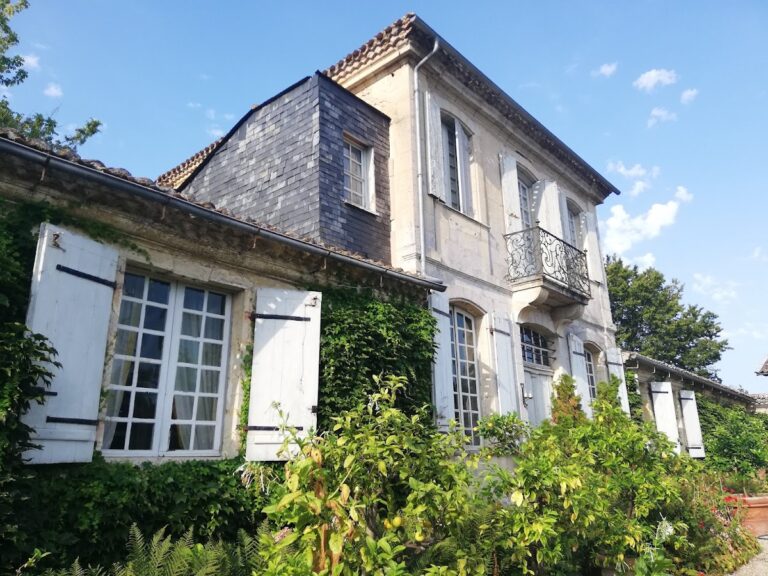
In the early 21st century, the château underwent extensive internal refurbishment aimed at restoring its historical interior appearance. This comprehensive restoration reflects modern efforts to preserve and honor the site’s architectural heritage, maintaining the character shaped by centuries of use and modification. Excavations conducted by the Faux family in the 19th century contributed to developing the vineyards surrounding the château, yet these archaeological efforts remain focused on agricultural enhancement rather than revealing additional architectural details.
Together, these features illustrate Château Lagorce’s evolution from a medieval fortress to a historic residence, with physical evidence spanning several centuries of construction, destruction, and restoration.
Nearby sites