Castle of Roddi: A Medieval Fortress in Italy


Visitor Information
Google Rating: 4.2
Popularity: Low
Google Maps: View on Google Maps
Official Website: www.barolofoundation.it
Country: Italy
Civilization: Unclassified
Remains: Military

History
The Castle of Roddi is situated in the municipality of Roddi, Italy. It was originally built in the 11th century during the medieval period, reflecting the architectural and strategic needs of that era.
Throughout the Middle Ages, the castle functioned as a fief under the authority of the Marquises of Monferrato, a significant noble family in the region. In the late 14th and early 15th centuries, the Faletti family undertook extensive remodeling of the structure, shaping it into the form that largely remains today.
A notable change in ownership occurred in the early 16th century. On December 5, 1525, Giovanna Carafa, the wife of Giovanni Francesco II Pico della Mirandola, acquired the castle along with its surrounding lands and legal rights. She purchased the property from Anna d’Alençon, widow of Guglielmo IX Paleologo, Marquis of Monferrato, for 6,000 gold scudi. This transaction was officially confirmed by Emperor Charles V through a diploma signed in Granada earlier that year, on June 20.
Following a tragic event in 1533, when Giovanni Francesco II Pico and his son Alberto were assassinated at the family’s ancestral castle, Giovanna Carafa moved with her surviving children to the Castle of Roddi. This move followed their loss of legitimate rule over Mirandola to Galeotto II Pico. Subsequently, the castle remained in Carafa’s possession as a refuge and family residence.
Later centuries saw further transfers of control. In 1690, the castle passed to the Della Chiesa family from Saluzzo. Eventually, ownership transferred to the House of Savoy and, after the decisions made by the Congress of Vienna in the early 19th century, the castle became property of the Italian state. In 2001, the municipality of Roddi assumed stewardship of the historic site.
Since 2007, the Castle of Roddi has been incorporated into the “Castelli D.O.C.” circuit. This recognition connects it to a UNESCO World Heritage site known for the Langhe-Roero and Monferrato wine landscape, grouping it with seven other castles. Additionally, it participates in the regional “Castelli Aperti” network, which promotes access to historic fortresses in Lower Piedmont.
Remains
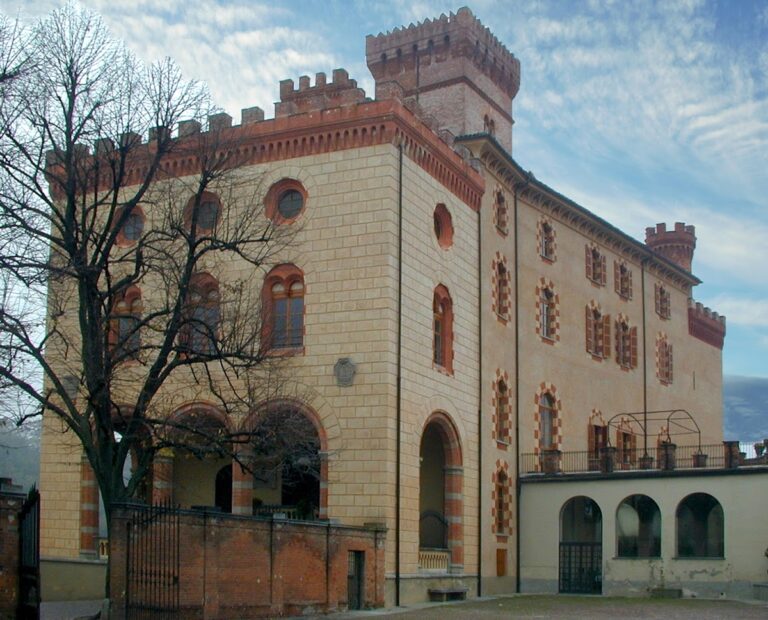
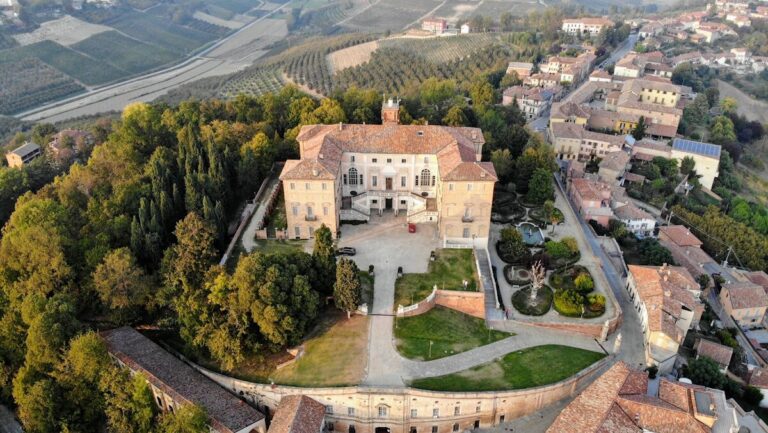
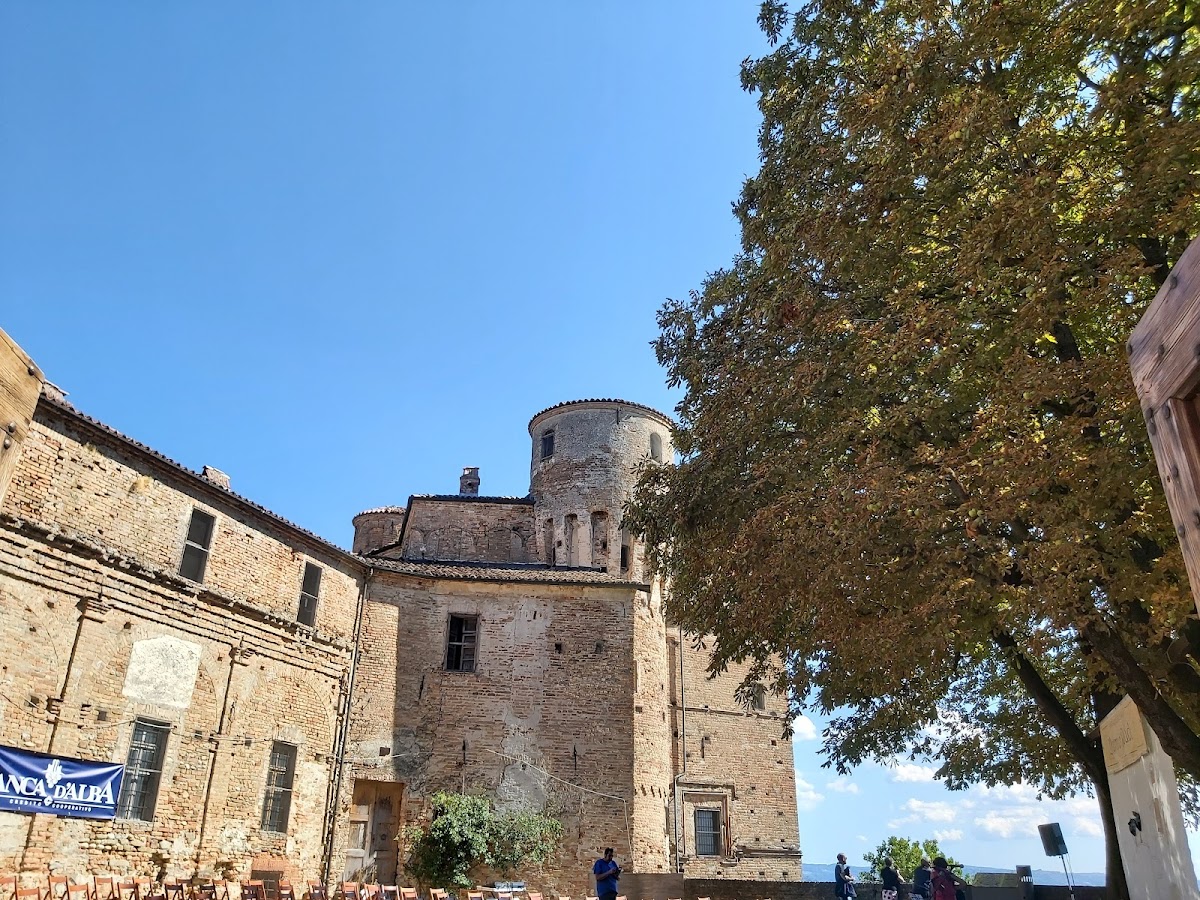
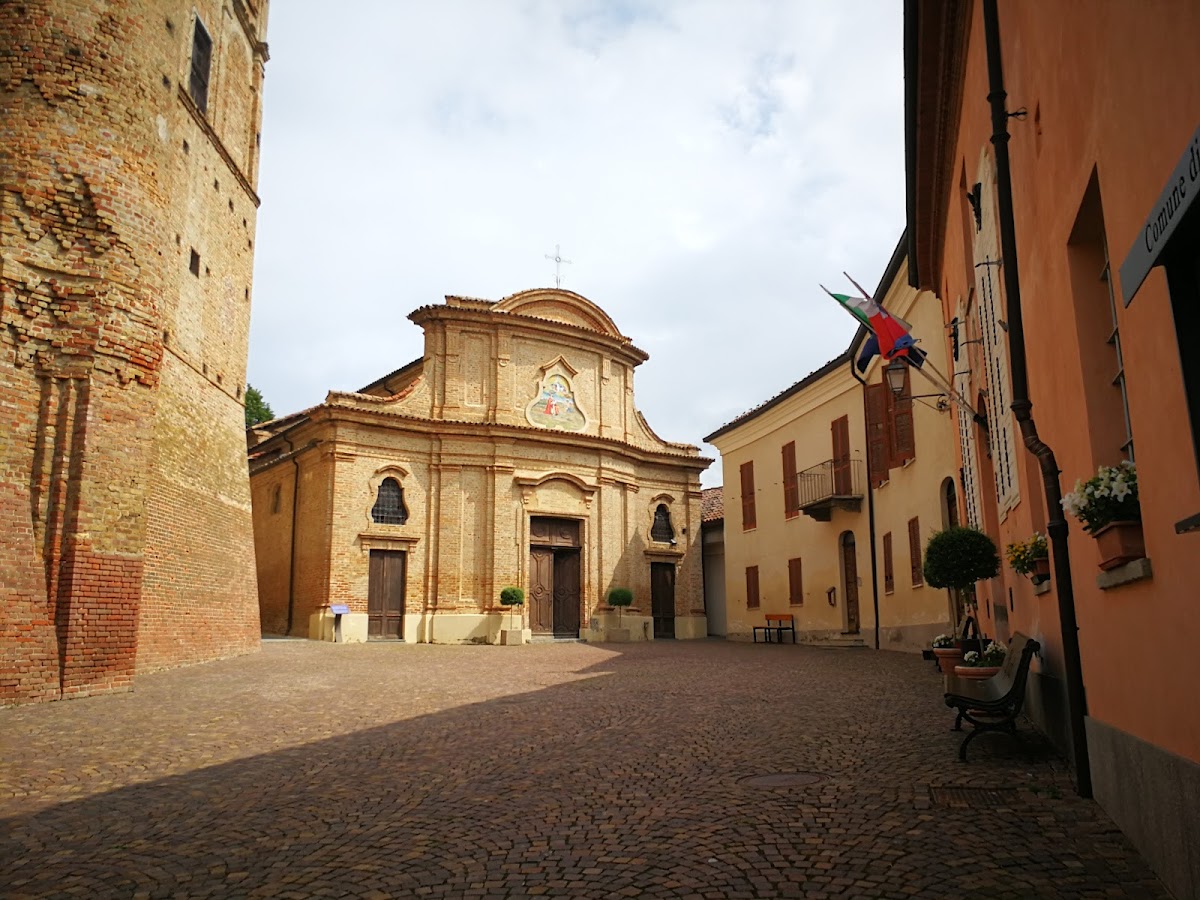
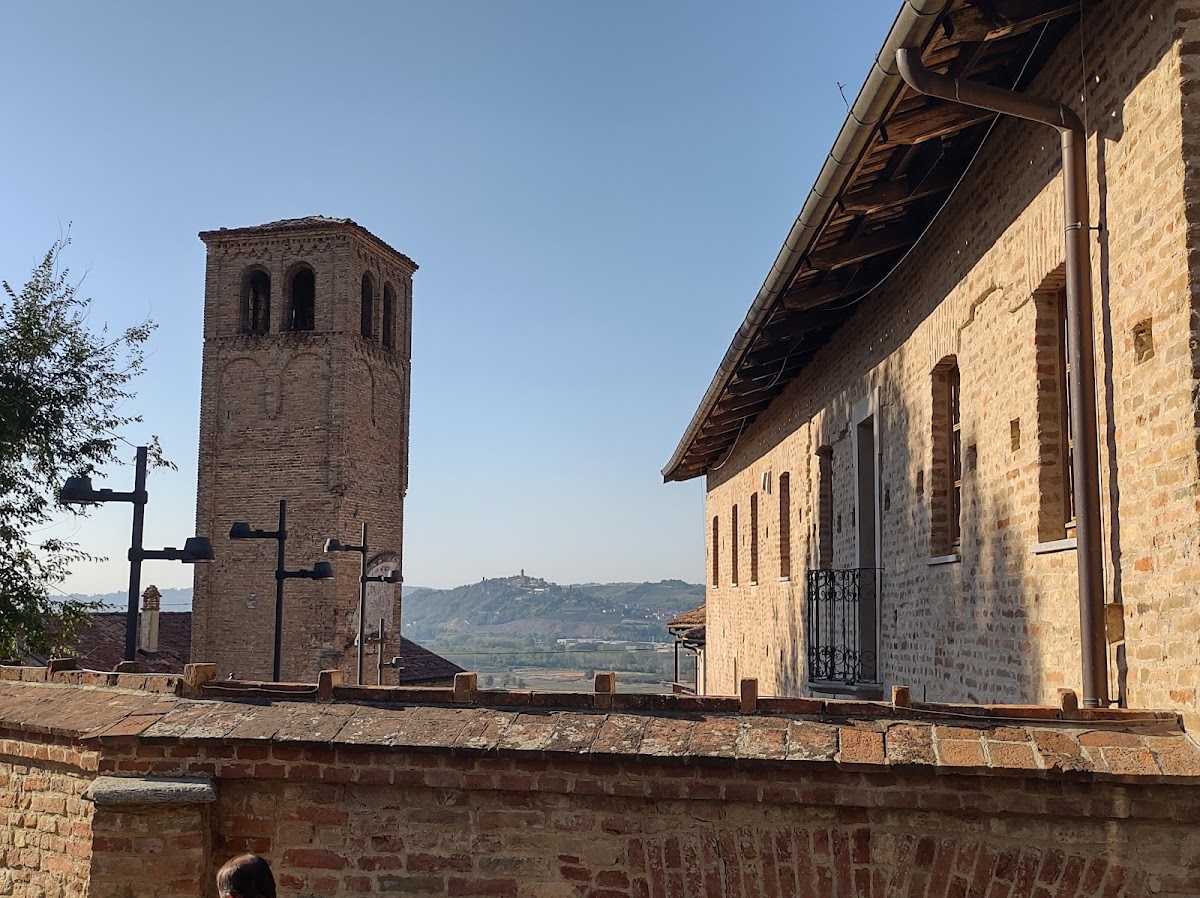
Perched atop a hill overlooking the village, the Castle of Roddi presents a medieval fortress layout characteristic of its time. Its main structure is a central building rising three stories high, flanked by two stout cylindrical towers positioned at opposite corners. These towers contribute to the defensive nature of the stronghold.
One of the key defensive elements visible today is the presence of machicolations—openings situated on the uppermost floor designed to allow defenders to drop objects or pour substances on attackers below. The main tower stands tall and slender within the keep, serving both as an observation post and a final place of refuge during attacks. The second tower is somewhat lower and features a cantilevered design, projecting outward to provide a wider field of defense.
Originally, the castle’s entrance was protected by a drawbridge, a movable bridge that could be raised or lowered to allow or deny access. Though the drawbridge no longer exists, entry is now gained through an external courtyard that likely replaced or incorporated the original approach.
Inside, the castle retains richly decorated elements, including wooden ceilings arranged in coffered patterns—a technique involving recessed panels that add both strength and aesthetic appeal. These interiors underscore the castle’s role beyond mere defense as a residence of some importance.
The castle also preserves ancient kitchens dating back to the 16th century. These spaces offer valuable insight into the domestic arrangements of the site’s past inhabitants and demonstrate the adaptation of functional areas within the fortress.
By maintaining these architectural features, the Castle of Roddi reflects a complex history of medieval construction, noble residence, and defensive strategy, all preserved within its walls and towers.
Nearby sites