Castle of Peñarroya: A Medieval Fortress in Argamasilla de Alba, Spain

Visitor Information
Google Rating: 4.4
Popularity: Medium
Google Maps: View on Google Maps
Official Website: www.ellugardelamancha.es
Country: Spain
Civilization: Unclassified
Remains: Military

History
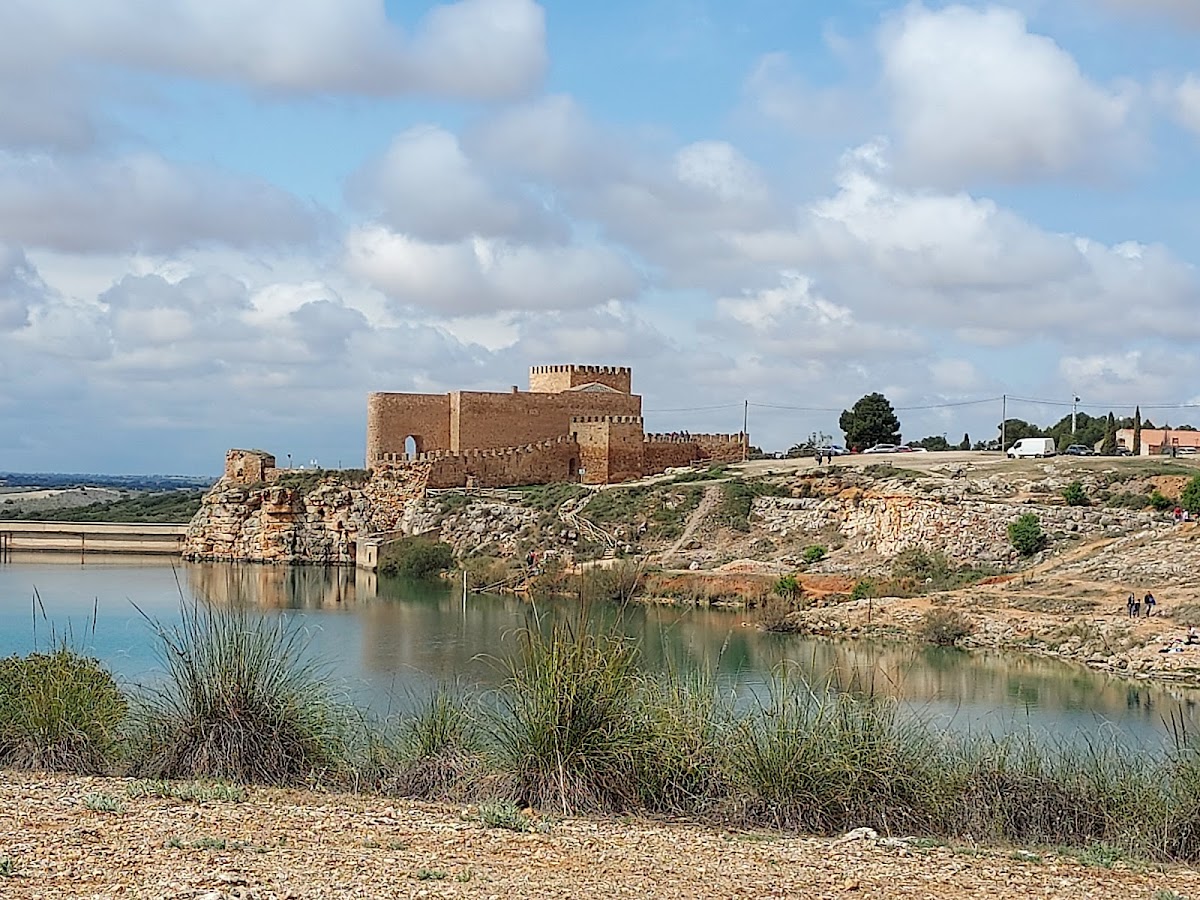
The Castle of Peñarroya stands within the municipality of Argamasilla de Alba in modern Spain, and its origins trace back to the medieval period during Islamic rule in the Iberian Peninsula. Built atop a rocky promontory near the Guadiana River, the castle’s location was strategically chosen to oversee the surrounding landscape and control access routes in the region.
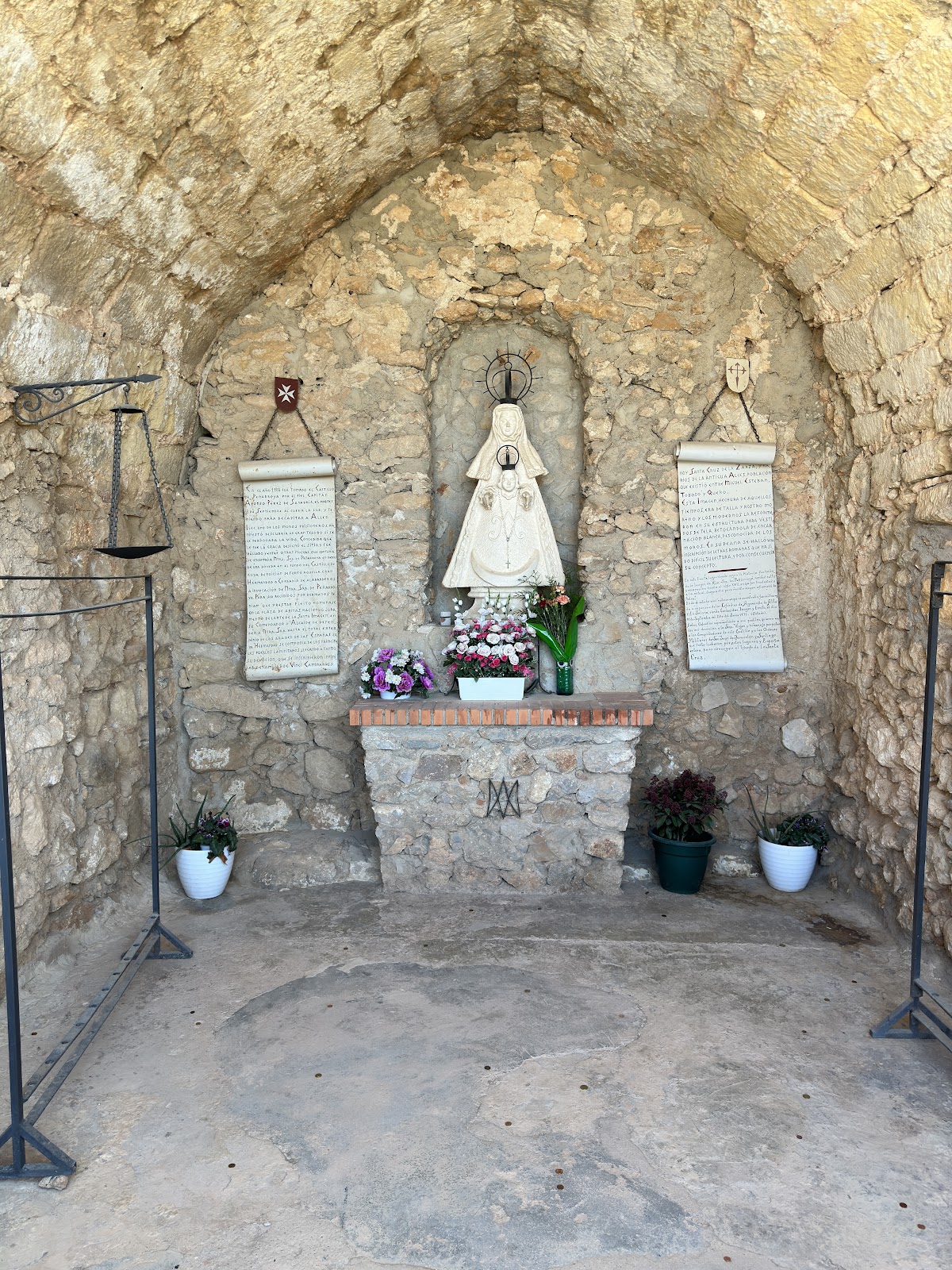
During the late 12th century, the castle was under Muslim control until its capture by Christian forces. According to a 12th-century Castilian chronicle by Don Ramón Antequera Bellón, Captain Alonso Pérez de Sanabria led the conquest of the fortress on September 8, 1198. This event was followed by the discovery of an image of Nuestra Señora de Peñarroya, which became a revered religious figure and the patron saint of Argamasilla de Alba and the nearby area of La Solana, cementing the castle’s spiritual significance for the local communities.
Following the Reconquista, the castle was integrated into the holdings of the Military Order of Saint John (also known as the Order of San Juan) in 1215. Throughout the 14th century, it functioned as an important encomienda, a territorial and administrative unit managed by the Order. The castle’s responsibilities extended beyond military defense, encompassing economic activities such as pasture leasing and tax collection. It also played a vital role in protecting the local population and safeguarding the Order’s property and goods, serving as a secure storage site for their assets.
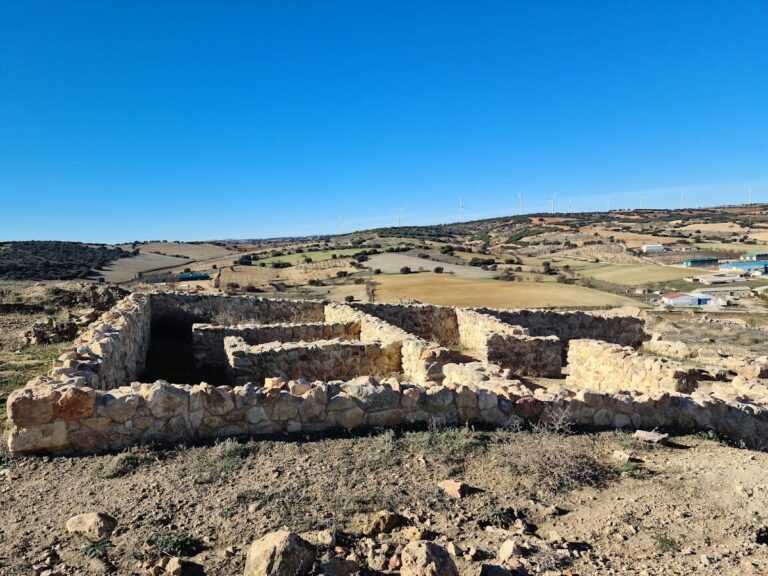
Archaeological discoveries near the castle reveal the presence of an Islamic ritual necropolis, confirming the area’s historical Muslim occupation. Additionally, a field of silos—underground structures likely used for storing grain—has been uncovered, though its precise date remains undetermined. These finds provide further insight into the varied use of the surrounding landscape in different periods.
Today, the Castle of Peñarroya remains an emblematic historic site tied to deep-rooted religious traditions and the complex history of Christian-Muslim interactions in central Spain.
Remains
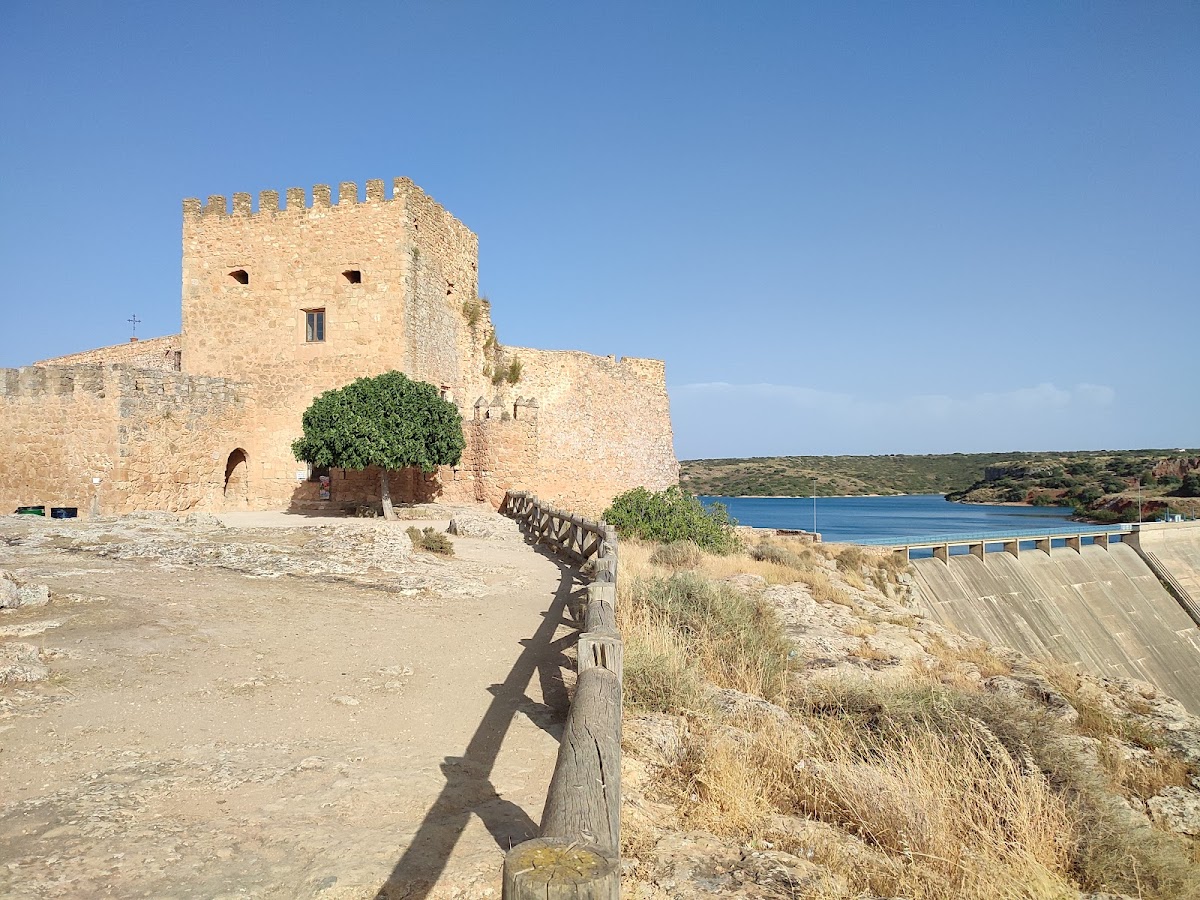
The Castle of Peñarroya is constructed chiefly from masonry and ashlar stone, materials chosen for their durability and strength. Its layout includes a medieval access road leading into the fortress, where visitors originally crossed a defensive moat designed to deter attackers. Beyond the moat, the main entry passes through a portico before reaching the inner courtyard, or patio de armas, measuring approximately 67 by 43 meters. This courtyard serves as the central open space, surrounded by various annexed rooms including a church dating from the 12th century and a cistern (known locally as an aljibe) used for storing water, vital for withstanding sieges.
Defensive structures define much of the castle’s architecture. The main wall is split by an interior passage called the liza, which separates a taller principal wall from an outer defensive wall known as an antemuro. This outer barrier stretches about 70 meters and is reinforced by three towers positioned at intervals between the curtain walls, providing vantage points and artillery positions. Among these towers is a distinctive rectangular albarrana tower, a type of outlying defensive tower connected to the main walls but set apart to better control the surrounding terrain. This particular tower features a rounded front, enhancing its ability to deflect attacks.
The castle’s square keep, or torre del homenaje, occupies roughly 113 square meters across three floors. Historically, this tower likely housed the castle’s lord or governor and served as the last line of defense. Today, the keep contains the facilities of the Cofradía de Nuestra Señora de Peñarroya, a religious brotherhood dedicated to the patron saint discovered in the castle’s precincts. Access to the keep’s terrace is achieved by using the wall walk (adarve) and entering through a dedicated door.
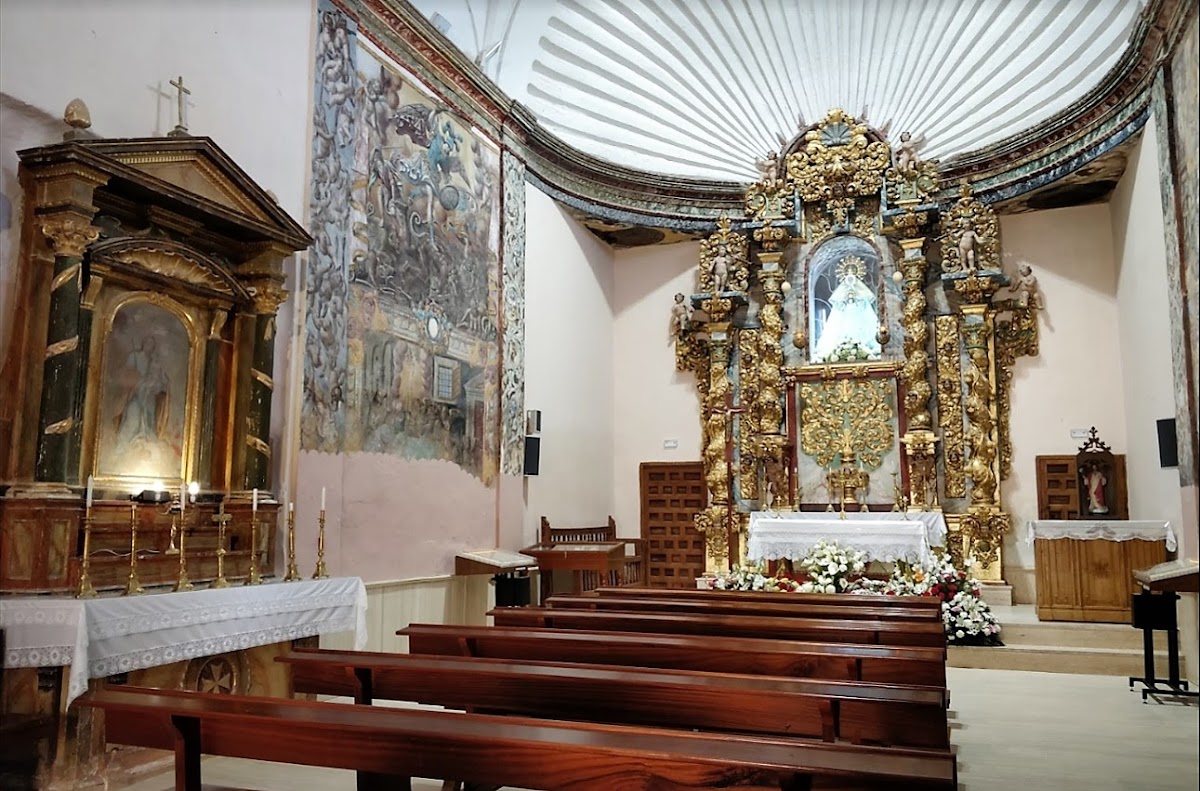
Facing the dam side of the castle stands a Baroque-style hermitage built in the 17th century. It retains rich interior decorations, including paintings that flank the main altar and a churrigueresque altarpiece, an elaborate ornamental style popular in Spanish Baroque art. The hermitage also houses a virgin’s chamber (camarín), choir stalls, and a notable 17th-century sculpture originally sourced from the Mercedarian convent in Argamasilla de Alba. Historically, this hermitage was an integral part of the fortress, with its sanctuary offering a small chapel overlooking the ravine within the courtyard, where castle residents conducted worship and prayer.
Over the years, the castle has undergone periods of restoration aimed at preserving its structure. Its solid construction and thoughtful layout have helped maintain it in an acceptable state, allowing the castle to retain a commanding visual presence above the reservoir and surrounding waters. The remains offer a layered glimpse into the military, administrative, and religious functions the site fulfilled across many centuries.