Castle of Jumilla: A Historic Fortress in Spain


Visitor Information
Google Rating: 4.4
Popularity: Low
Google Maps: View on Google Maps
Official Website: www.jumilla.org
Country: Spain
Civilization: Unclassified
Remains: Military

History
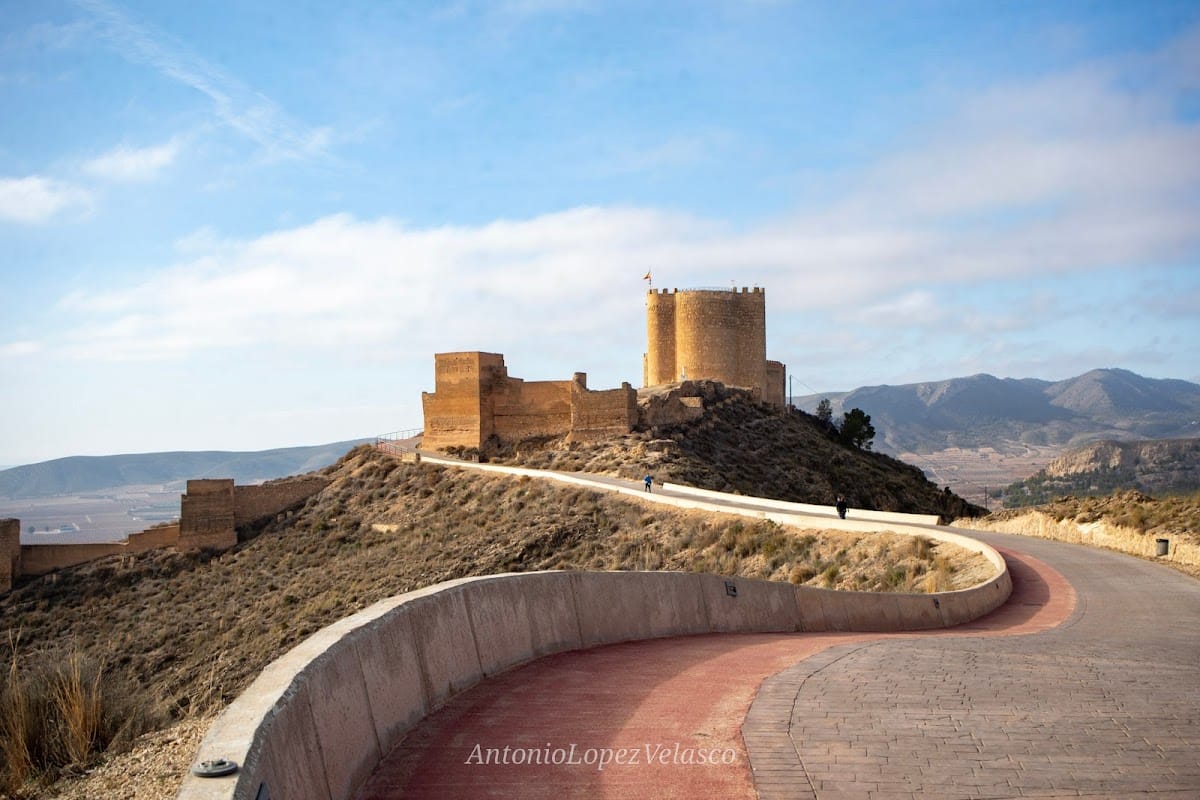
The Castle of Jumilla is a medieval fortress situated in the municipality of Jumilla, Spain. Its strategic position atop a hill has made it a significant site for human settlement and defense throughout many periods, beginning with prehistoric communities.
The earliest known occupation of the site dates back to the Bronze Age, when initial fortifications were established to protect the inhabitants. During the Iron Age, an Iberian settlement expanded on the hill, developing it into a large fortified community. With the arrival of the Romans, the hill became part of their defensive network. They reinforced the fortifications and constructed walls, portions of which have endured to modern times. Archaeological discoveries, including fine Roman pottery known as sigillata from the 1st century AD, underline the continued use and importance of the site during this era.
In April 713, the area fell under Arab control during the early phases of the Islamic expansion into the Iberian Peninsula. The Arab occupants built the core of the fortress visible today, using the remains of the Roman structures as their foundation. This occupation lasted nearly five hundred years. In 1243, following the Treaty of Alcaraz, Jumilla was incorporated into the Crown of Castile as a protectorate, marking the end of Muslim rule in the area.
After the Christian conquest, King Alfonso X of Castile presented the town with an image of the Virgin of Grace. In response, a hermitage was constructed on the site where the former Arab mosque once stood, symbolizing the shift in religious and cultural influence. Although now in ruins, this hermitage marks an important chapter in the castle’s layered history.
The political landscape shifted again in 1294 when the Kingdom of Murcia passed to the Crown of Aragon. A further territorial adjustment occurred in 1304 with the Torrellas sentence, which assigned Jumilla to the Kingdom of Valencia. Military conflict touched the castle during the War of the Two Peters between Castile and Aragon. On April 27, 1358, Pedro I of Castile seized the fortress, an event that led him to grant privileges to the town and introduce the coat of arms that Jumilla still uses today, commemorating this critical moment.
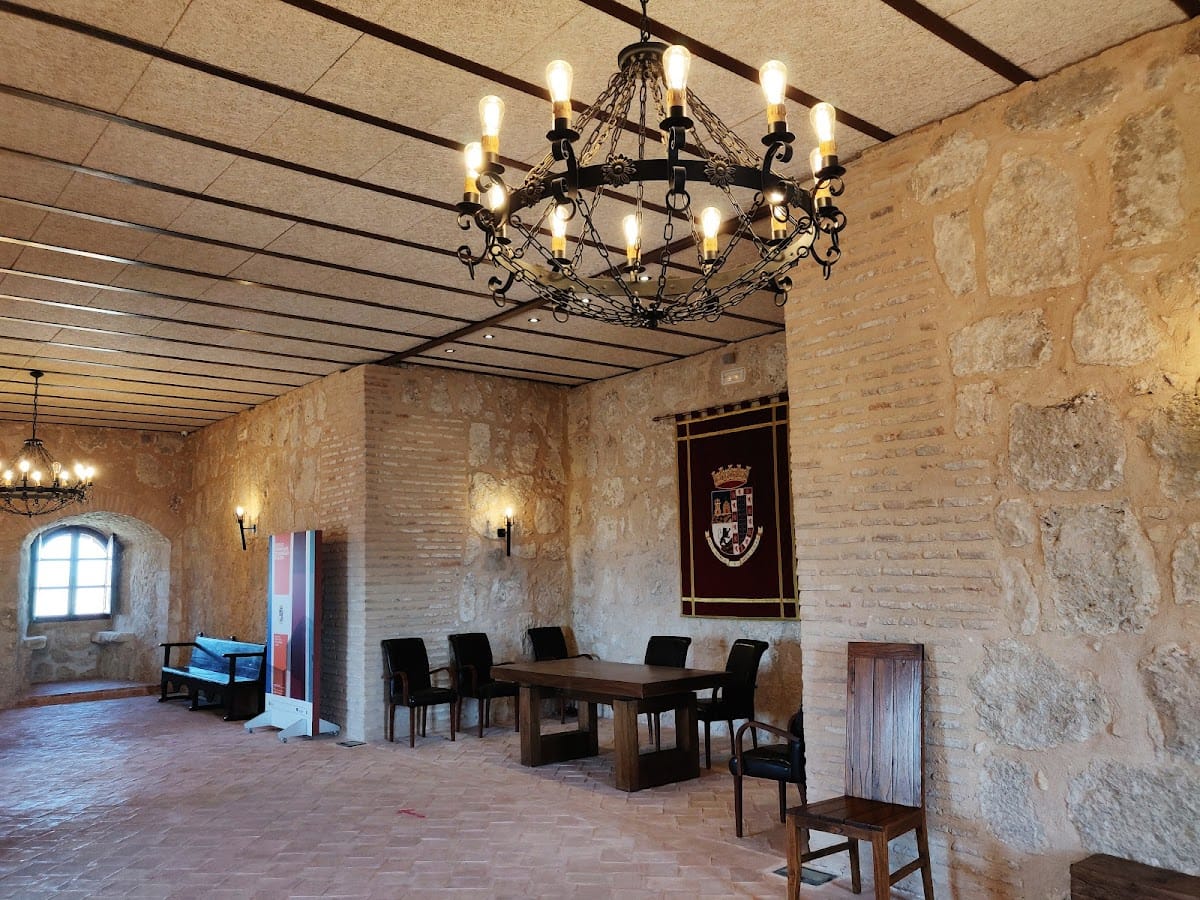
In 1461, the Marquis of Villena undertook an extensive reconstruction of the castle, shaping it into its current form. This rebuilding involved adding multiple floors, a basement, and a terrace, as well as placing the marquis’s coat of arms on the structure, signaling his authority over the fortress.
Remains
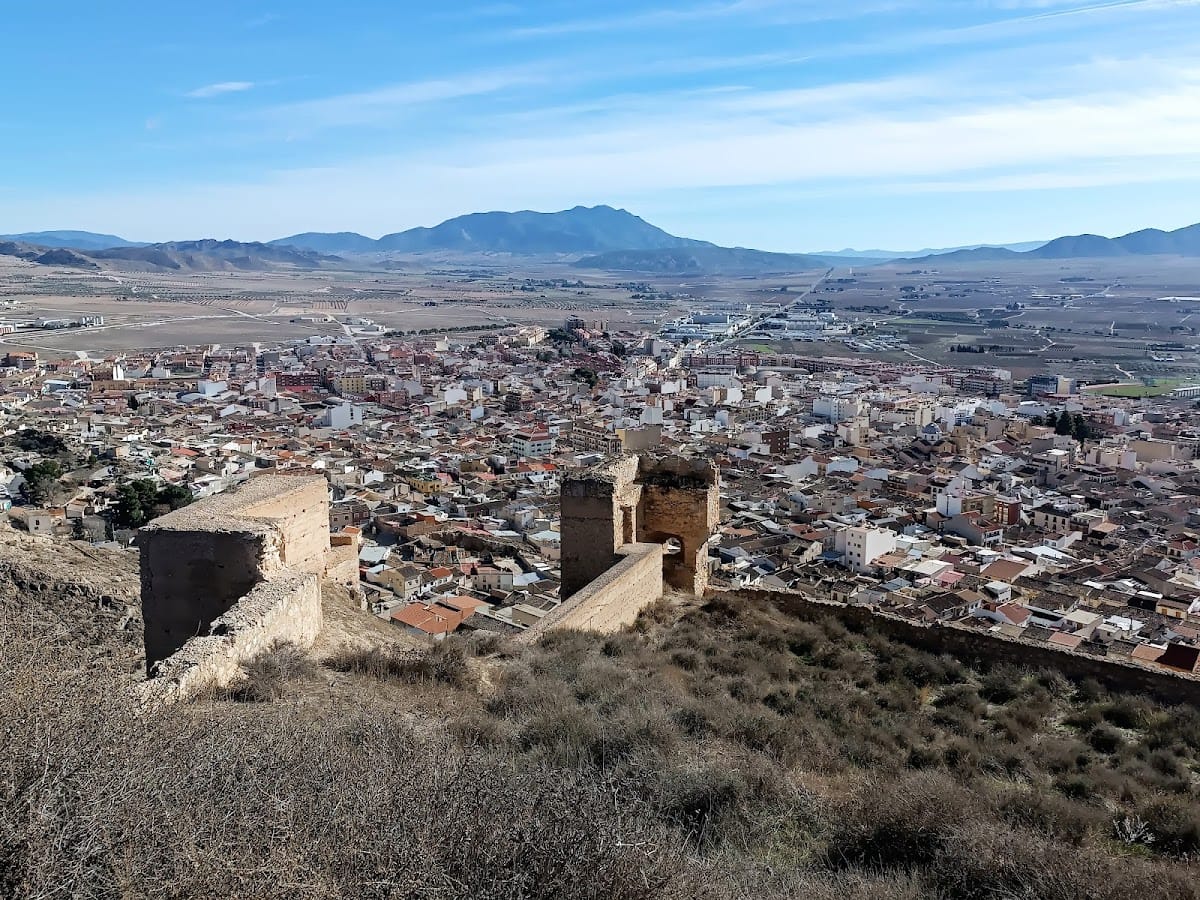
The Castle of Jumilla occupies a commanding hill 626 meters above sea level, roughly three-quarters of a kilometer west of the town. Its construction reflects a succession of cultural influences, combining elements from the Bronze Age through to the late medieval period. The fortress is composed of multiple levels, including three main stories, a cellar, and an upper terrace that can be traced back to the 15th-century remodeling.
Within the complex, fragments of a Roman defensive wall remain visible, serving as a testament to the long-standing strategic use of the site. These ancient walls were built using stone and mortar, forming part of the wider Roman fortifications established during their occupation.
Archaeological excavations at the castle have uncovered Roman ceramic fragments, particularly sigillata pottery from the first century AD. This fine, red glossy pottery was widely used across the Roman Empire and indicates the presence of Roman domestic or military life on the site.
On the grounds lies the ruin of a hermitage, once built over the location of the Arab mosque. This structure was constructed after the Christian reconquest and served as a place of worship dedicated to the Virgin of Grace. Although now in a dilapidated state, the hermitage connects the religious transformations that followed the end of Muslim control.
Overall, the castle integrates architectural components from multiple historical periods, displaying the evolution of defensive and religious structures over centuries. The layering of Bronze Age fortifications, Iberian settlement, Roman strengthening, Islamic fortress construction, and medieval Christian adaptations results in a complex and rich archaeological site.
Nearby sites


