Castillo de Ciria: A Medieval Fortress in Spain


Visitor Information
Google Rating: 4.6
Popularity: Very Low
Google Maps: View on Google Maps
Country: Spain
Civilization: Unclassified
Remains: Military

History
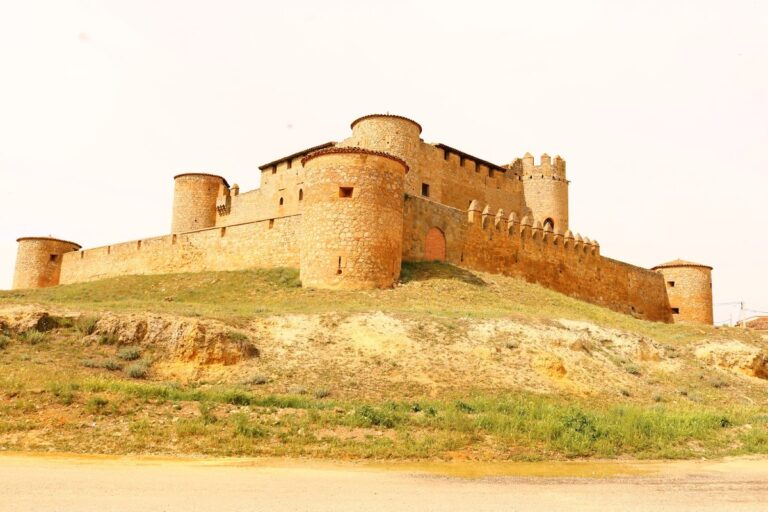
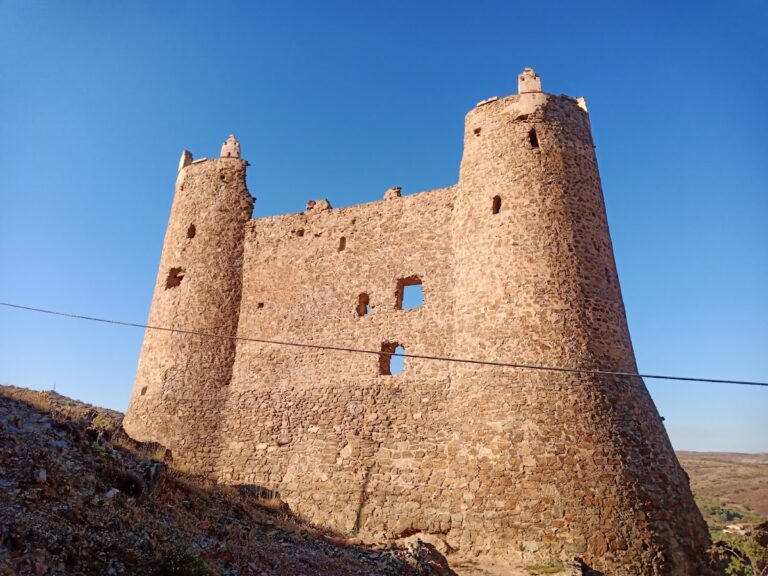
The Castillo de Ciria is a medieval fortress located in the town of Ciria in Spain. This stronghold was originally built during the period of Muslim presence in the Iberian Peninsula and played a strategic role in monitoring movements along the route connecting the ancient cities of Bilbilis and Numancia.
Throughout its history, Castillo de Ciria was involved in the shifting power struggles characteristic of the border region between the Kingdoms of Castile and Aragon. In 1395, the castle and the town were granted by King Enrique “el Doliente” to Juan Hurtado de Mendoza. This transfer came despite opposition from the nearby town of Ágreda, underscoring the contested nature of territorial claims at the time.
The early 15th century saw the fortress change hands amid ongoing conflict. In 1430, the Aragonese forces seized both Ciria and the nearby castle of Borobia. However, following a peace treaty signed in Naples in 1437, involving Aragón, Castilla, and Navarra, control was restored to Castile. Later, in 1443, the castle became part of a notable marriage alliance when Doña Aldara, niece of the Castilian Constable Álvaro de Luna, brought Ciria as part of her dowry to Don Carlos de Arellano, son of the lord of Los Cameros.
In the 18th century, the site gained noble recognition when the title of Marqués de Ciria was officially established in 1771. It was granted to Don José Pedro de Luna, with the title passing down through his descendants, including the Viscount of Eza and the present Count of Ripalda. This lineage reflects the continuing importance of Ciria as a hereditary estate within Spain’s aristocratic hierarchy.
Remains
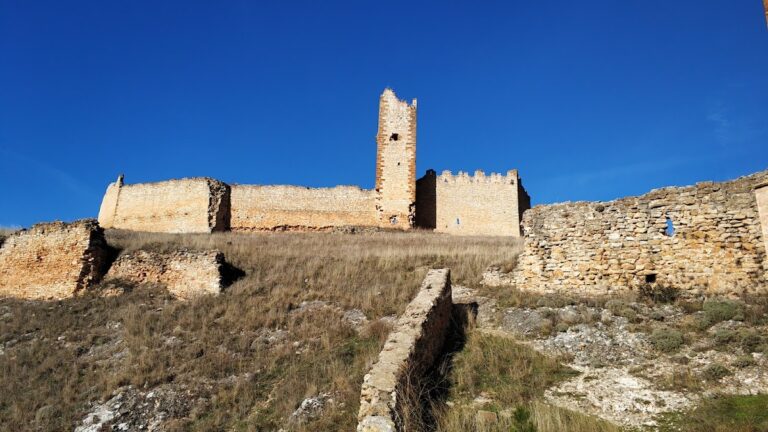
The Castillo de Ciria occupies a hilltop location with a rectangular footprint measuring roughly ten meters in length and one meter in width. Its walls were constructed using irregular blocks of limestone, a building method known as sillarejo, where uneven stones are fitted together without precise shaping. Two main walls survive, filled internally with similarly irregular limestone fragments, providing the core mass of the fortress’s defensive barriers.
The external face of the walls was coated with a mortar composed of lime and small quartzite stones, which also acts as a plaster, smoothing the rough surface and offering additional protection against weathering. This finishing layer demonstrates the castle’s emphasis on durable fortification at a time when masonry techniques were evolving.
A notable feature of the preserved wall section is the presence of about thirty battlements along its length. These battlements include several with distinctive diamond-shaped tops, a design element that may have served both defensive and symbolic purposes. Interspersed among them are around ten arrow slits, narrow vertical openings known as saeteras, which allowed defenders to shoot arrows while minimizing exposure.
The fortress retains an original access gate, indicating controlled entry to the interior courtyard or enclosure. The internal remains are uneven and fragmented, with various heights suggesting partial collapse or long-term degradation. The absence of certain defensive structures traditionally found in castles, such as a principal tower known as the keep or flanking towers, is notable but reflects the documented historical record rather than conjecture.
Together, these architectural remnants provide a tangible connection to the castle’s medieval role as a military outpost and noble residence, illustrating the methods and materials utilized in frontier fortifications of the Castile-Aragon border region.
Nearby sites