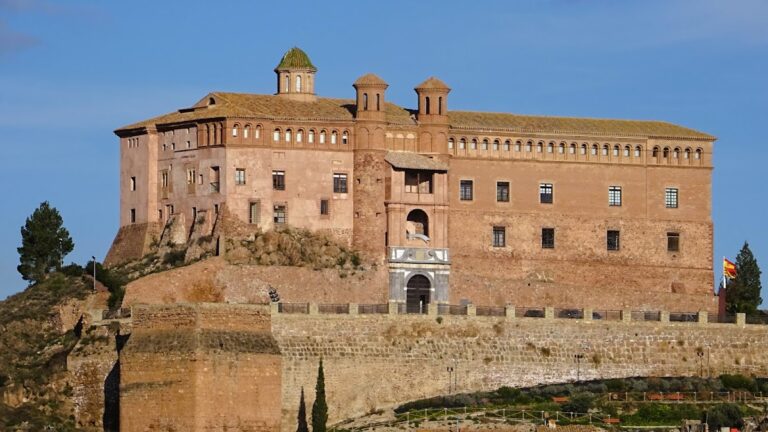
Castillo de Bijuesca: A Fourteenth-Century Fortress in Aragon



Site at a Glance
- Rating
- 4.6
- Popularity
- Very Low
- Country
- Spain
- Primary era
- Medieval
- Eras represented
- Medieval
- Civilizations
- Crown of Aragon
- Site type
- Military
- Remains
- Castle
On this page5 sections
History
Fortification on the Aragonese-Castilian Frontier
Castillo de Bijuesca is a fourteenth-century military structure in Spain, built at a strategic meeting point between the Kingdom of Aragon and the Castilian province of Soria. In 1357, Peter IV of Aragon ordered the castle and the municipal church to be fortified because of their frontier position.
The castle became involved in the War of the Two Peters, a fourteenth-century conflict between the Crown of Aragon and the Kingdom of Castile. Because of its proximity to Castile, it was among the first fortresses conquered by Peter I of Castile in 1358. Peter I placed it under the command of Captain Gómez de Carrillo, lord of the Tower of Las Henestrosas, and later had him killed for alleged treason.
Recovery, Demolition, and Later Protection
The Kingdom of Aragon later recovered Castillo de Bijuesca, but the fortress was lost again in 1362 during the rule of Peter IV. The king ordered its demolition, although the order was only partly carried out. The castle remained active during the fourteenth century. It belonged to the municipality except during the period when it was held by Peter IV.
A resolution dated 17 April 2006 designated Castillo de Bijuesca an Asset of Cultural Interest, the formal Spanish status for protected cultural heritage of recognized historical, artistic, or archaeological value, and classified it as a historic monument. The designation was published on 22 May 2006. Despite efforts to recover the site, the castle is undergoing progressive deterioration and is included on Hispania Nostra’s Red List of endangered heritage in Spain.
Remains
Surviving Defensive Structures
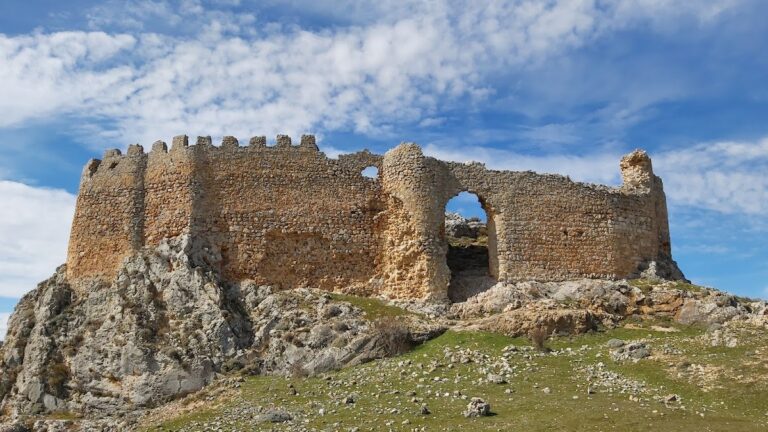
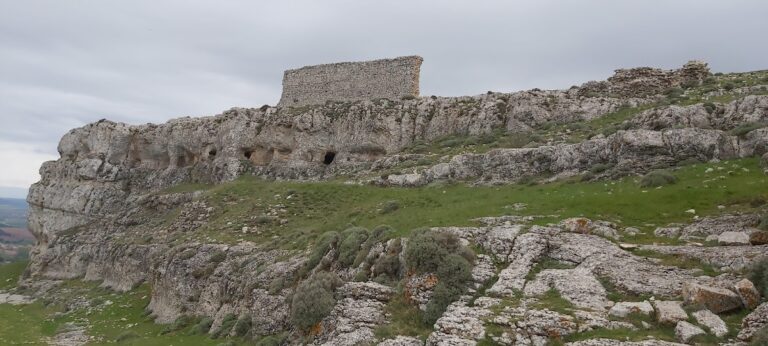
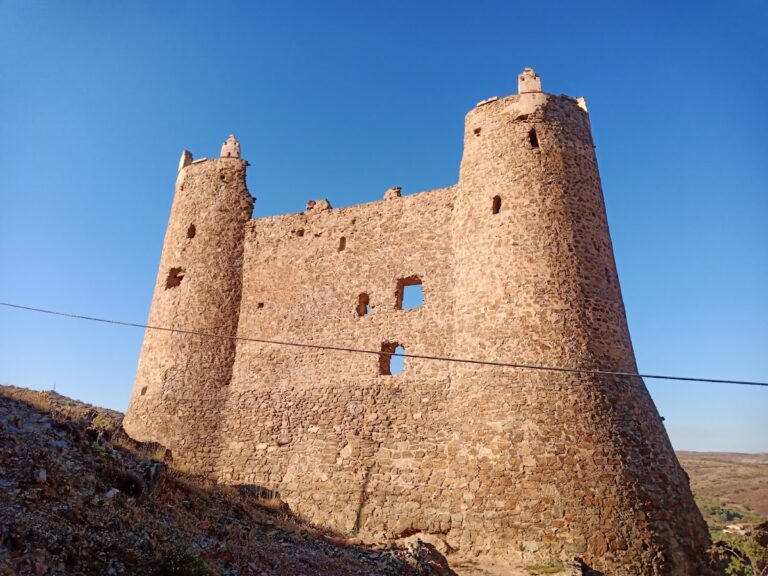
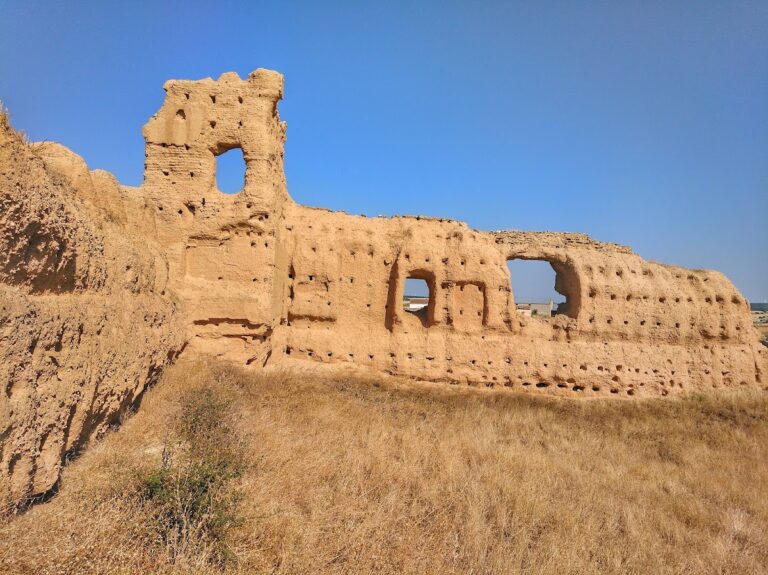
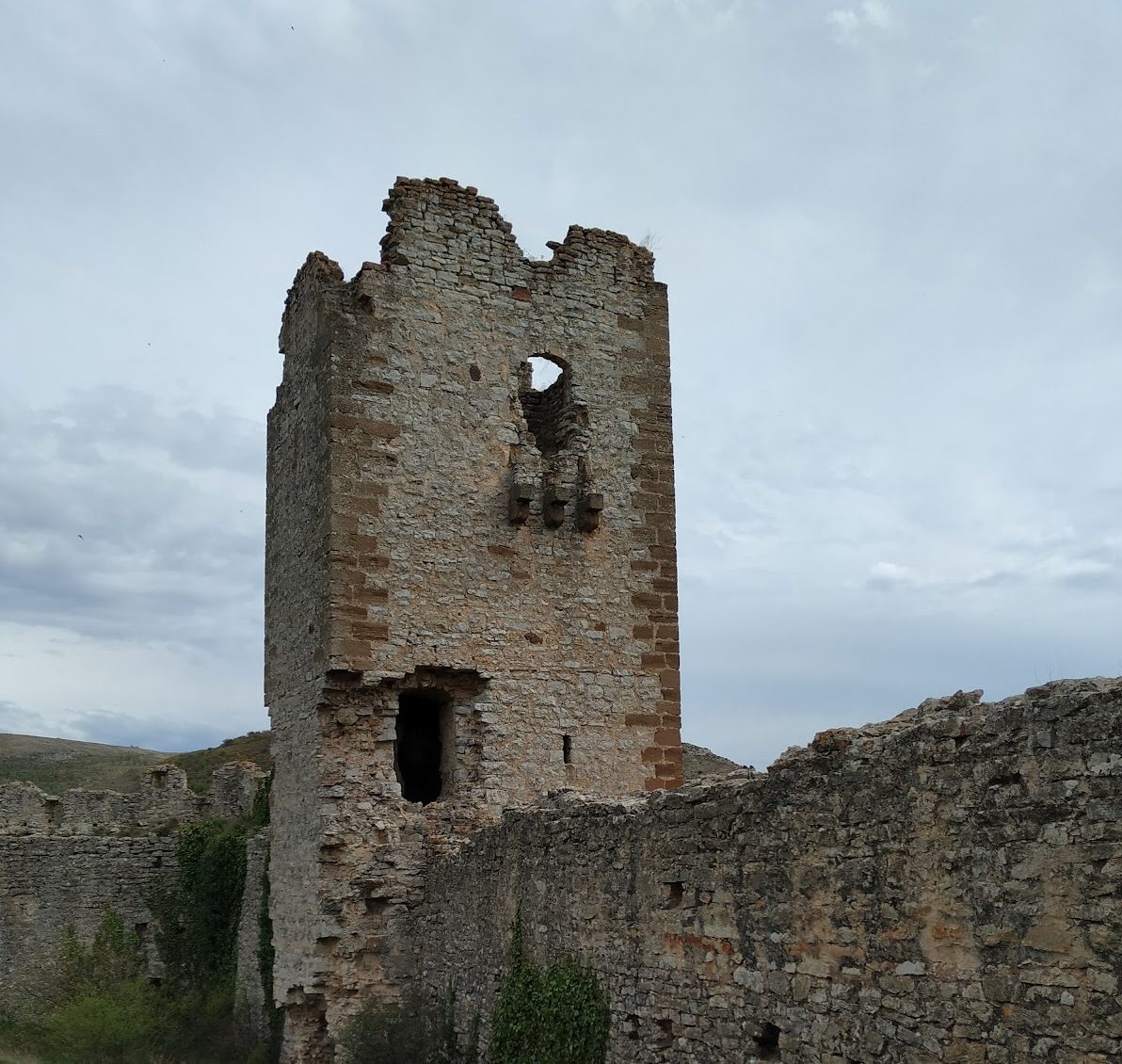
Castillo de Bijuesca survives as a fragmentary defensive site in Bijuesca, Zaragoza Province, within Aragon. One defensive tower remains standing, while most of the castle walls have collapsed over time. Erosion and direct exposure to sunlight have contributed principally to the deterioration of the surviving fabric.
Nearby sites