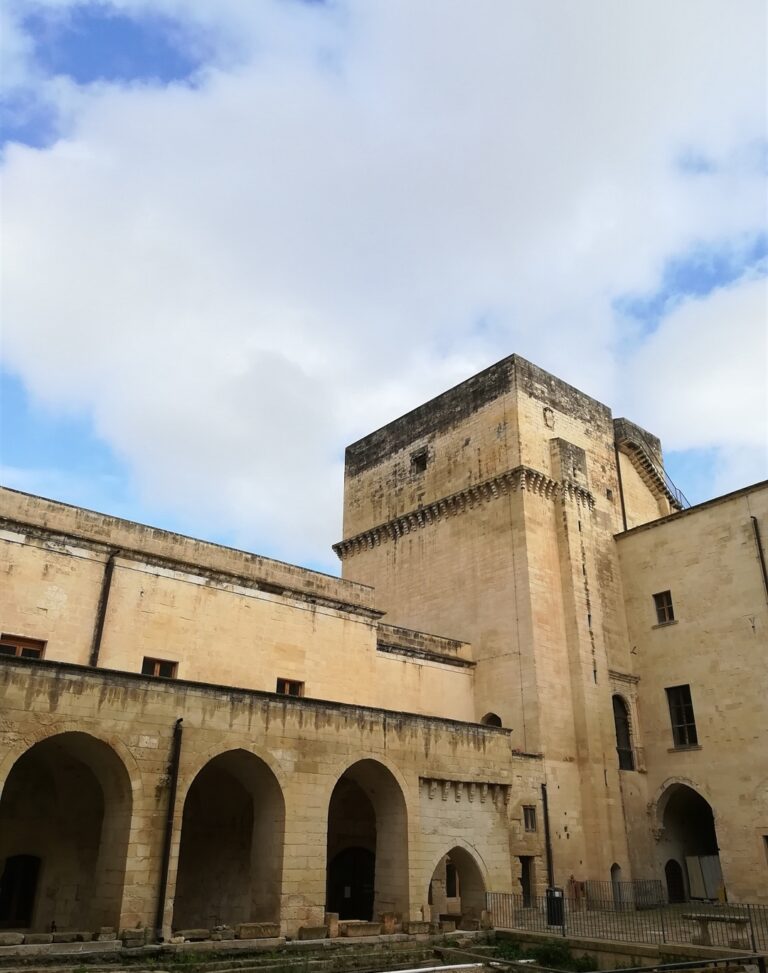
Castello Monaci: A 16th-Century Castle in Salice Salentino, Italy


Visitor Information
Google Rating: 4.8
Popularity: Medium
Google Maps: View on Google Maps
Official Website: www.castellomonaci.com
Country: Italy
Civilization: Unclassified
Remains: Military

History
Castello Monaci is a castle built in the 16th century within the municipality of Salice Salentino in Italy. Its origins are closely linked to the religious practices and refuge needs of the Basilian monks who once inhabited the surrounding area.
Before the castle’s construction, the region showed signs of monastic life dating back several centuries. In the 10th and 11th centuries, Basilian monks—followers of the Eastern Orthodox tradition often fleeing Byzantine persecution—settled in the area, especially near what is now San Pancrazio Salentino. These monks found shelter in natural caves or rock-cut shelters, which they also shaped into places of worship and meditation. A small church dedicated to Saint Pancras, mentioned in a 1063 document, likely grew from this monastic presence, indicating the community’s religious foundations.
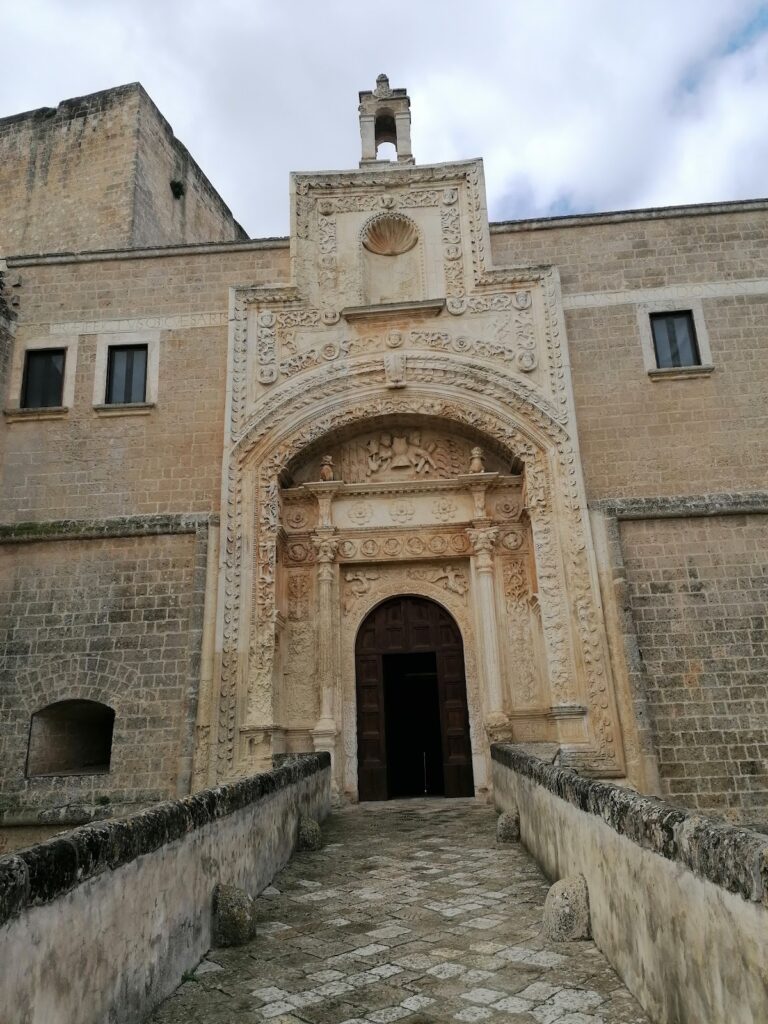
In the 16th century, the castle known as Castello Monaci was established and initially served the monks as a place for spiritual retreat and aid to those in need. Over time, the property transitioned into a noble residence, housing prominent families such as the Martino, Parry, and Grainger clans. During the 19th century, the castle underwent architectural changes with the addition of a new façade, reflecting evolving aesthetic tastes and possibly a shift in its use. Today, Castello Monaci preserves its historical layers, connecting monastic origins to noble residency through centuries of continuous presence in the Salice Salentino landscape.
Remains
Castello Monaci stands as a 16th-century structure at a strategic crossroads in the Salento region. While specific details of its layout are not documented, the building’s evolution is evident in its later modifications, most notably the 19th-century façade that reshaped its outward appearance. The materials and construction techniques typical of the period are suggested by its enduring structural presence.
Surrounding the castle, the area preserves significant archaeological evidence related to the early Basilian monks. Numerous rock-cut shelters and caves—crafted into the soft, friable rock—served as places of worship, rest, and refuge. Among these, the Grotta dell’Angelo in the Torrevecchia district is distinguished by its frescoes depicting saints in Byzantine style, revealing the religious art and iconography brought by these monks. Other nearby caves contain altars, beds, and wells, attesting to their multifaceted use as living quarters and sacred spaces.
Today, Castello Monaci’s historic fabric integrates its past religious and noble functions with its current role that includes event venues, a winery, and a wine museum. This adaptive reuse allows the castle to maintain its cultural presence, while the nearby rock-cut environments preserve the memory of the spiritual heritage that originally shaped the site.
Nearby sites