National Archaeological Museum of the Marches: Preserving the Heritage of Central Italy


Visitor Information
Google Rating: 4.5
Popularity: Low
Google Maps: View on Google Maps
Official Website: www.musei.marche.beniculturali.it
Country: Italy
Civilization: Celtic, Greek, Roman
Remains: Museum

History
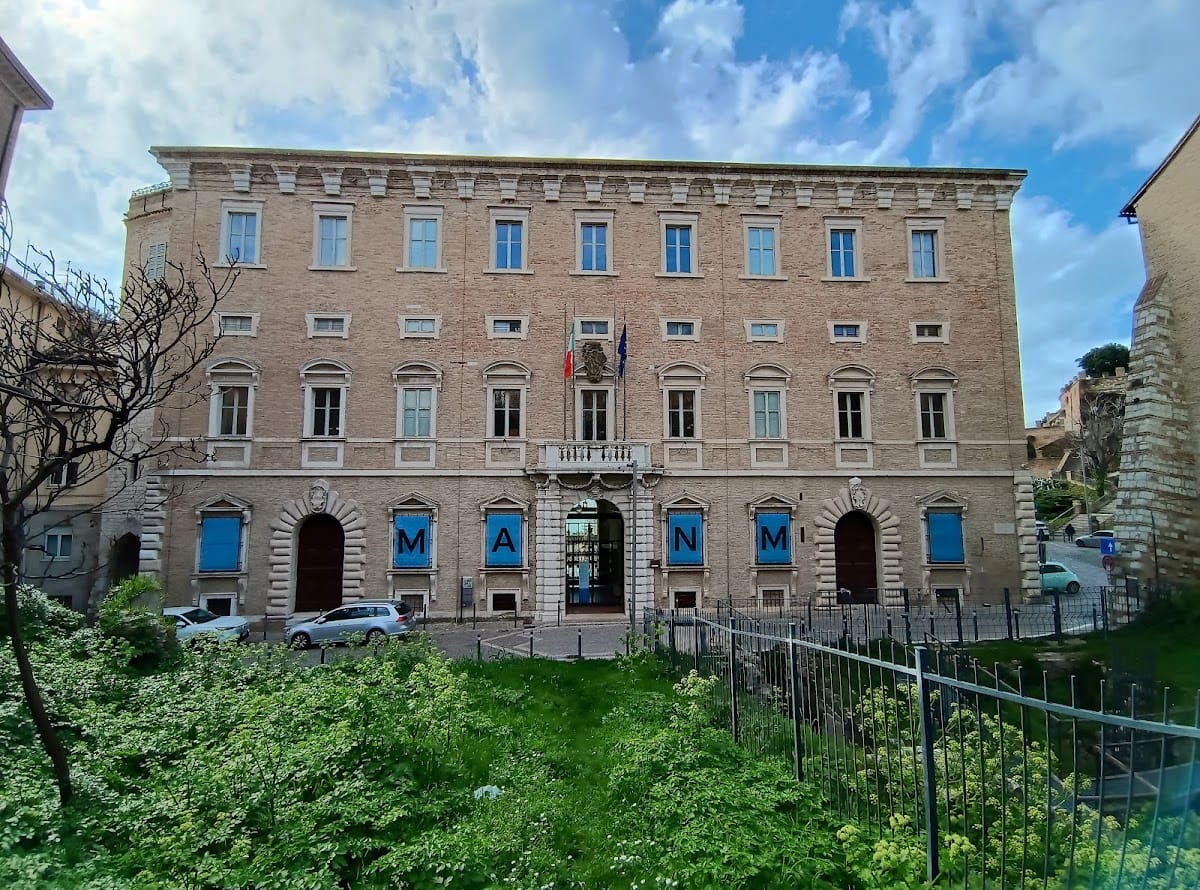
The National Archaeological Museum of the Marches is located in Ancona, a city in the Marche region of central Italy. The museum itself is housed in Palazzo Ferretti, a Renaissance and Baroque palace overlooking the Gulf of Ancona. The collections it preserves originate from various ancient cultures that inhabited the Marches region, including the Picenes, Gauls, Greeks, and Romans.
The museum was established in 1863 by the Royal Commission for the Conservation of the Marches, following a royal decree issued in 1860 after the region became part of the Kingdom of Italy. Founders such as Count Carlo Rinaldini and Carisio Ciavarini, both supporters of Italian unification, aimed to protect and display the archaeological heritage of the area. Initially, the museum was located in the Royal Technical Schools building in Ancona from 1868 to 1877.
As the collection grew, the museum moved several times: first to the Palazzo degli Anziani, then to the former convent of San Domenico in 1884, and later to the ex-convent of the Scalzi from 1898 until 1923. In 1906, it was granted national status and renamed Museo Archeologico Nazionale delle Marche, becoming one of Italy’s earliest national archaeological museums.
In 1923, the museum relocated to the former convent of San Francesco alle Scale. This site was officially inaugurated in 1927 by King Victor Emmanuel III. The museum was organized into distinct sections, including collections related to the Picene and Gallic peoples, as well as numismatics. Specialized sectors focused on the necropolises of Numana and Hellenistic Ancona.
During World War II, the museum suffered severe damage from bombings in 1943. The collapse of a nearby bell tower caused significant destruction to the building and its collections. The decision not to move artifacts to safer locations before the bombings resulted in considerable losses.
After the war, director Giovanni Annibaldi led restoration efforts. In 1958, the museum reopened in Palazzo Ferretti, a 16th-century noble residence acquired by the state. Annibaldi also oversaw new excavations that enriched the museum’s holdings, including finds from the Paleolithic site of Monte Conero, Picene necropolises, and the Roman sanctuary of Monte Rinaldo.
A major earthquake in 1972 forced the museum to close again. It gradually reopened starting in 1988, with the prehistoric, protohistoric, and later sections becoming accessible. The Roman section reopened in 2023 after being closed for 51 years. The museum has actively worked to protect regional heritage, notably recovering the Golden Bronzes of Cartoceto di Pergola in 1946 from illegal trade.
Today, the museum holds about 190,000 artifacts, with around 10,000 displayed across 3,500 square meters.
Remains
The museum’s collections span multiple floors within Palazzo Ferretti, arranged by historical period and cultural group. The second floor (mezzanine) houses prehistoric artifacts, while the third floor contains protohistoric items. The first floor displays protohistoric Picene and Gallic objects alongside Greek and Roman materials from Ancona. The ground and basement floors exhibit Roman artifacts.
Among the notable items are the Venus of Frasassi, a Paleolithic statuette carved from a stalactite, and the Golden Bronzes of Cartoceto, four gilded bronze statues dating to Roman times. The museum also preserves important epigraphic collections, including inscriptions in the unique Picene alphabet.
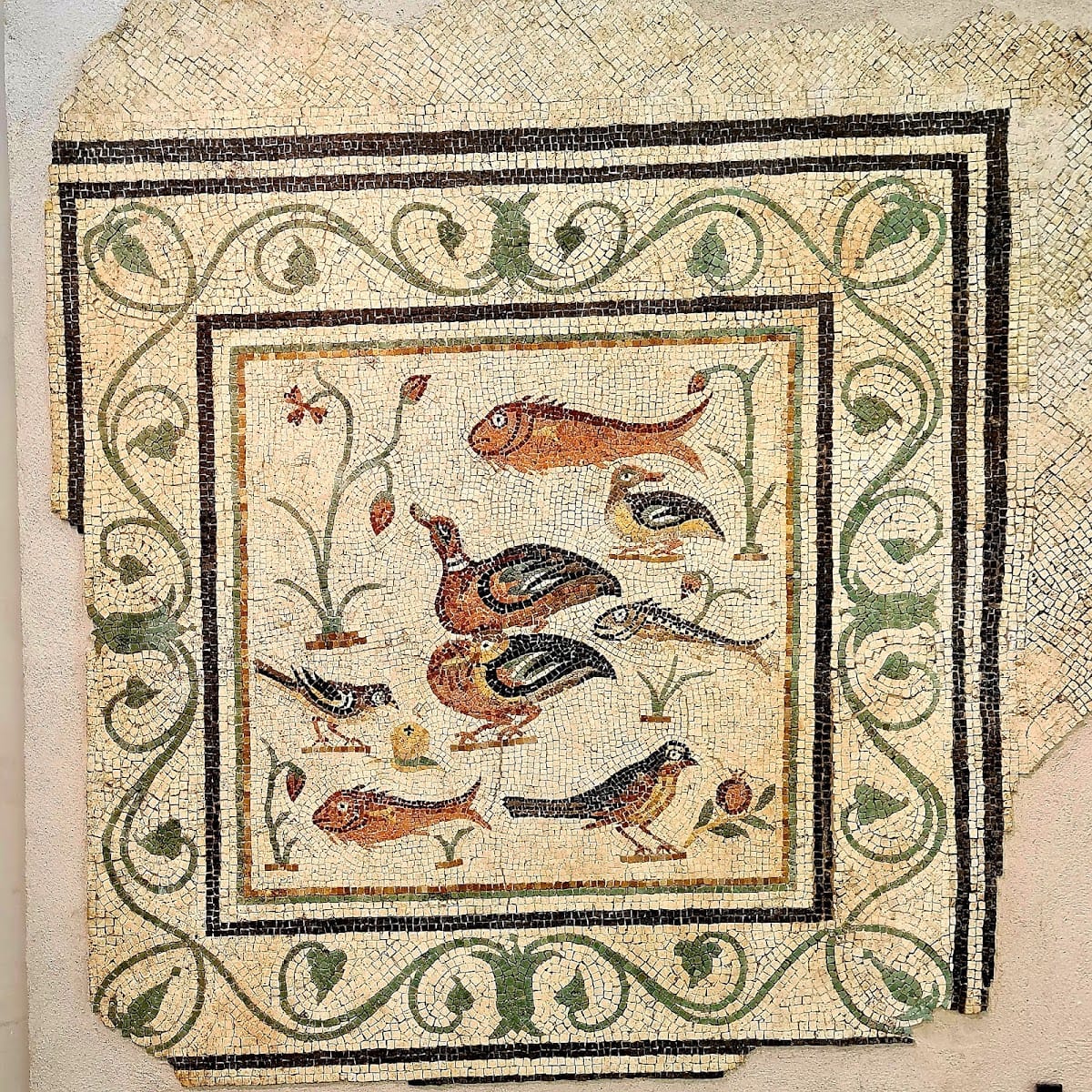
The collections include a wide variety of materials such as bronze, marble, glass, amber, ivory, and ceramics. Many objects come from necropolises, sanctuaries, and settlements throughout the Marches region. Two paleontological specimens are also exhibited: a young brown bear skeleton from the last Ice Age (Würm glaciation) and a cast of the Jurassic marine reptile Gengasaurus nicosiai.
The museum’s display furniture and vitrines date to the 1920s and were designed by architect Arnolfo Bizzarri. Their style draws inspiration from a trapezophoros, a classical table support found in the Roman port area of Ancona. The rooftop terrace features replicas of the Golden Bronzes and offers views of the Gulf of Ancona and the historic city.
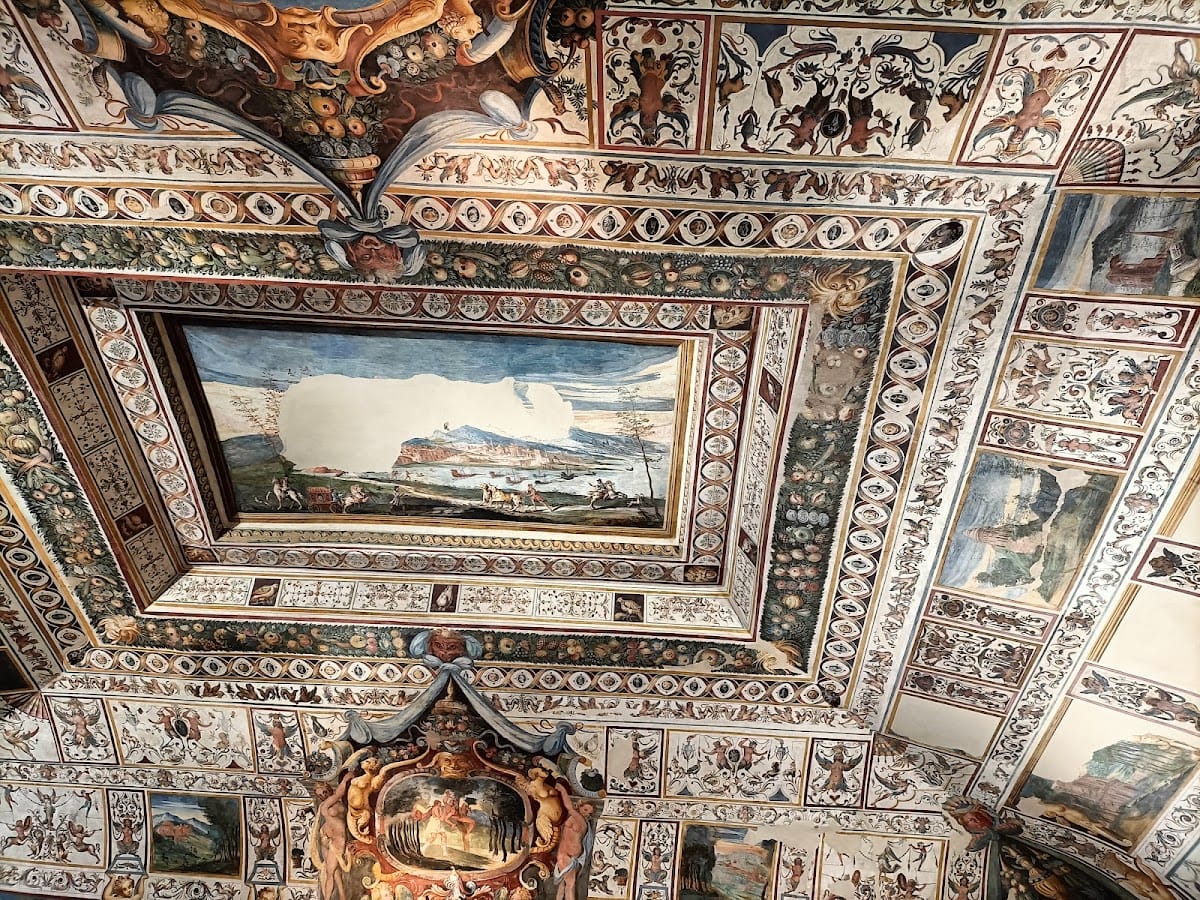
Recent restorations have revealed original bright wall colors and ivory stuccoes on the monumental staircase, part of the 18th-century expansion by Luigi Vanvitelli. Statues by Gioacchino Varlè and his school decorate the rooftop terrace. The museum continues to update its layout and exhibition design to improve access to storage and temporary exhibition spaces.