Arch of Marcus Aurelius in Oea: A Roman Triumphal Monument in Modern Tripoli


Visitor Information
Google Rating: 4.5
Popularity: Medium
Google Maps: View on Google Maps
Official Website: www.facebook.com
Country: Libya
Civilization: Roman
Remains: Civic

History
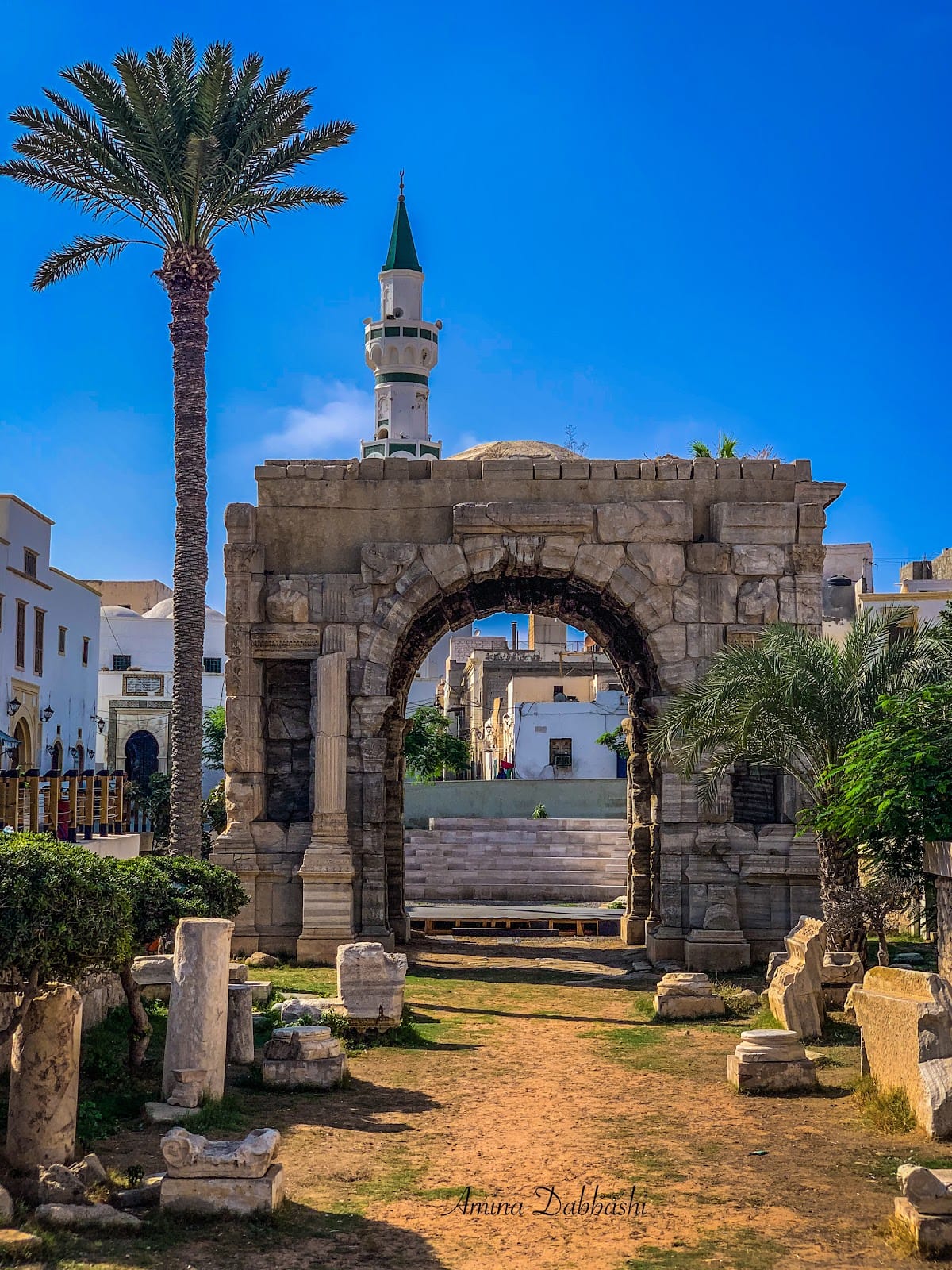
The Arch of Marcus Aurelius stands in the ancient city of Oea, now modern Tripoli, Libya. It was built by the Romans during the mid-2nd century CE.
The monument was erected in 165 CE to honor the victories of Lucius Verus, co-emperor with Marcus Aurelius, in the Roman-Parthian War fought between 161 and 166 CE. The arch was commissioned by Gaius Calpurnius Celsus, a local official who held the position of quinquennial duumvir, a magistracy responsible for city administration every five years.
The arch’s inscriptions refer to Marcus Aurelius with the title Armenicus, a name earned after campaigns in Armenia, but omit later titles such as Medicus and Parthicus. This detail confirms the arch was completed before 166 CE, before the war’s end. The monument also features reliefs and statues that connect the emperor and Lucius Verus with divine figures, highlighting the religious and symbolic dimensions of Roman imperial propaganda.
Over time, the arch became partially buried due to natural and human factors. In the early 20th century, the Italian colonial administration undertook conservation and restoration efforts between 1914 and 1918. Later, in the 1930s, architect Florestano Di Fausto led urban reorganization around the arch, integrating it into the modern cityscape. The arch suffered minor damage during World War II but remains a significant historical structure despite ongoing deterioration from environmental exposure and visitor impact.
Remains
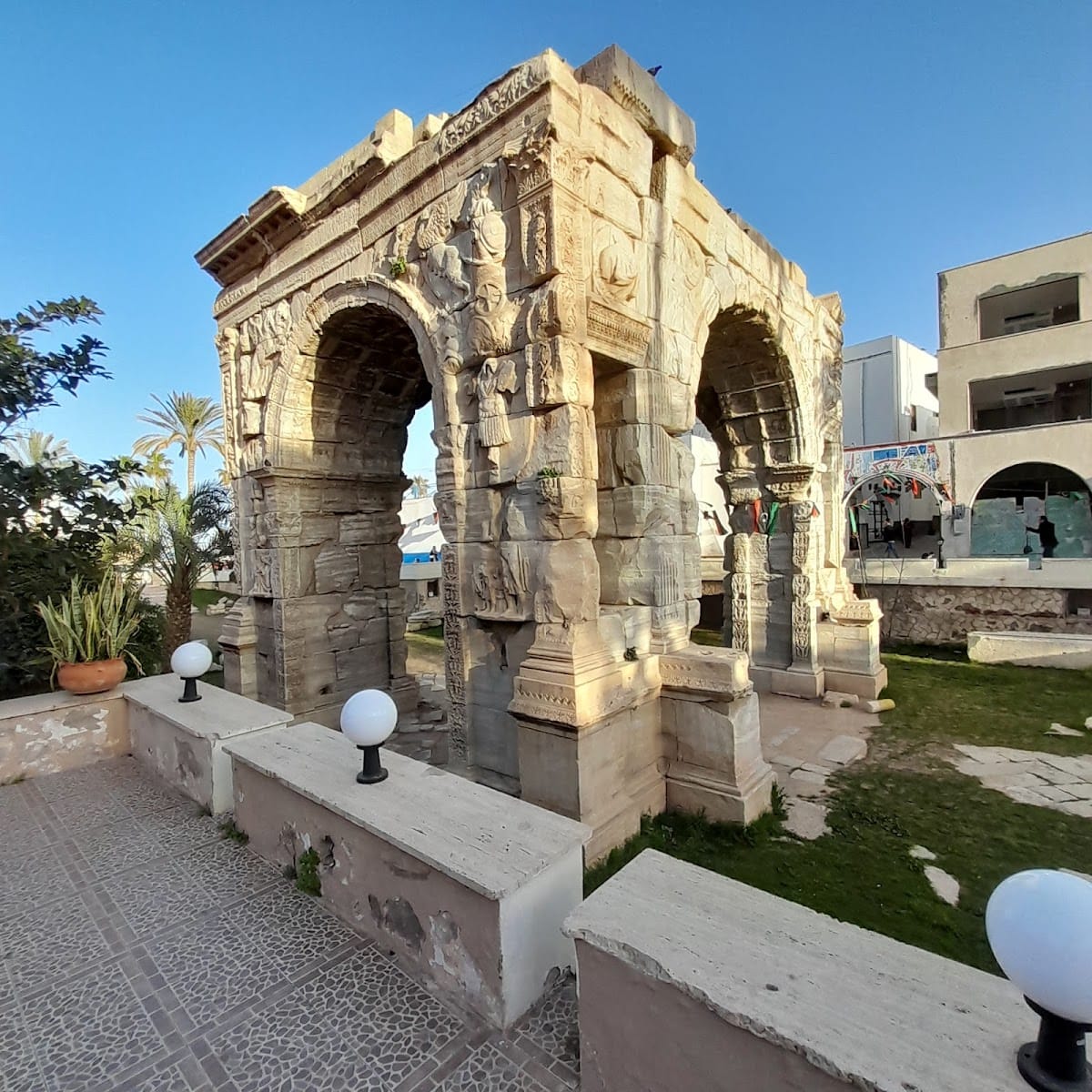
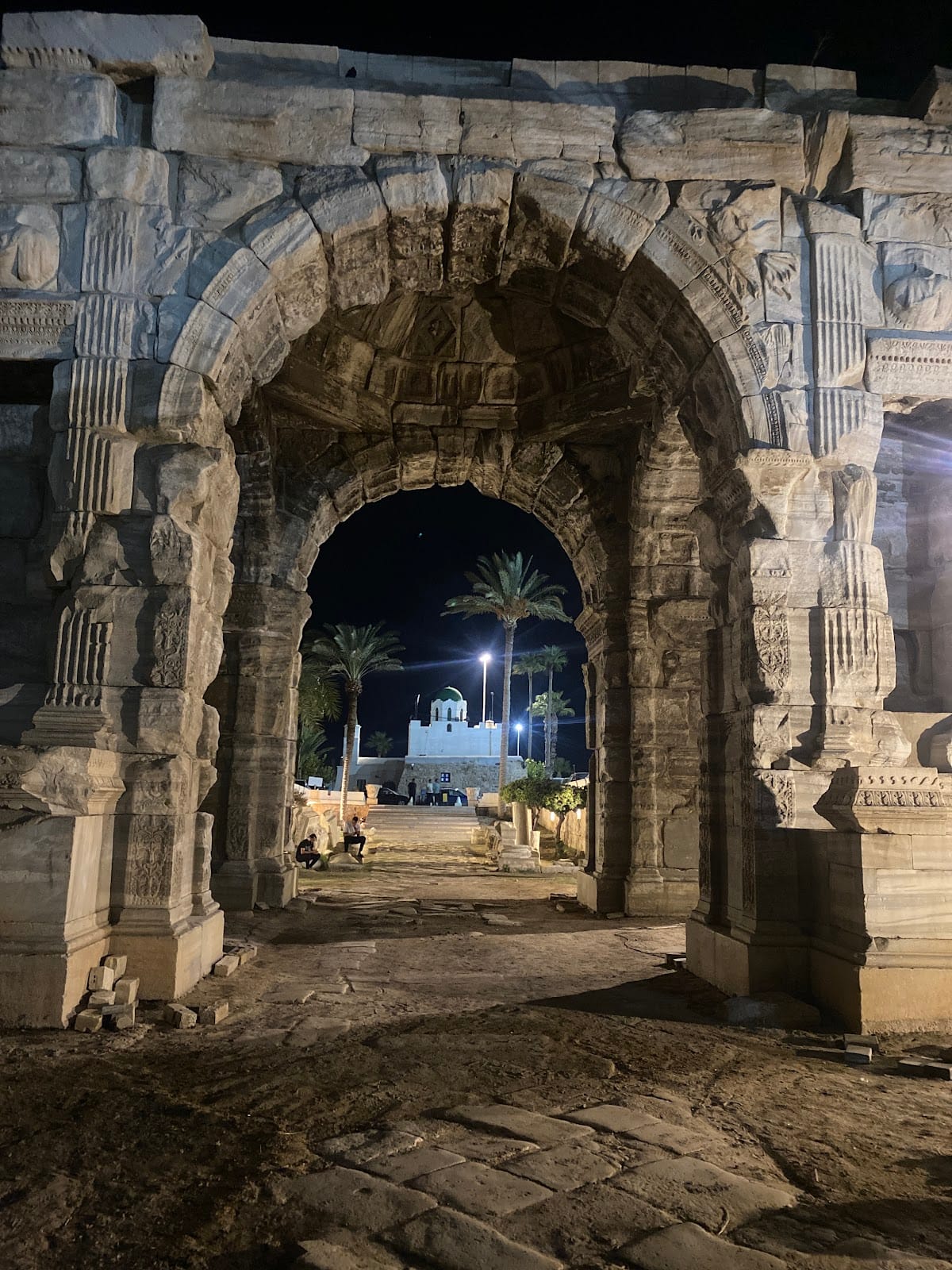
The Arch of Marcus Aurelius is a four-faced, or quadrifrons, triumphal arch constructed entirely from marble. It dates to the 2nd century CE and was built to celebrate Roman military victories. Its design includes an unusual octagonal cupola atop the structure, setting it apart from typical Roman arches.
The arch’s two main pediments display large reliefs showing figures riding two-horse chariots, known as bigae. These chariots are drawn by mythical creatures such as griffons and sphinxes. Scholars interpret these figures either as the city’s patron gods, Apollo and Minerva, or as Lucius Verus alongside the goddess Roma, symbolizing the connection between divine favor and imperial power.
On the northeast and southwest faces, four niches originally held statues of Emperor Marcus Aurelius and Lucius Verus. These statues were removed but later recovered during archaeological excavations in the 19th century.
Despite minor damage during World War II, the arch remains largely intact but shows signs of deterioration caused by acid rain and wear from visitors.