Castillo de la Villa: A Historic Fortress in Martos, Spain
Visitor Information
Google Rating: 4.4
Popularity: Very Low
Country: Spain
Civilization: Unclassified
Site type: Military
Remains: Castle

History
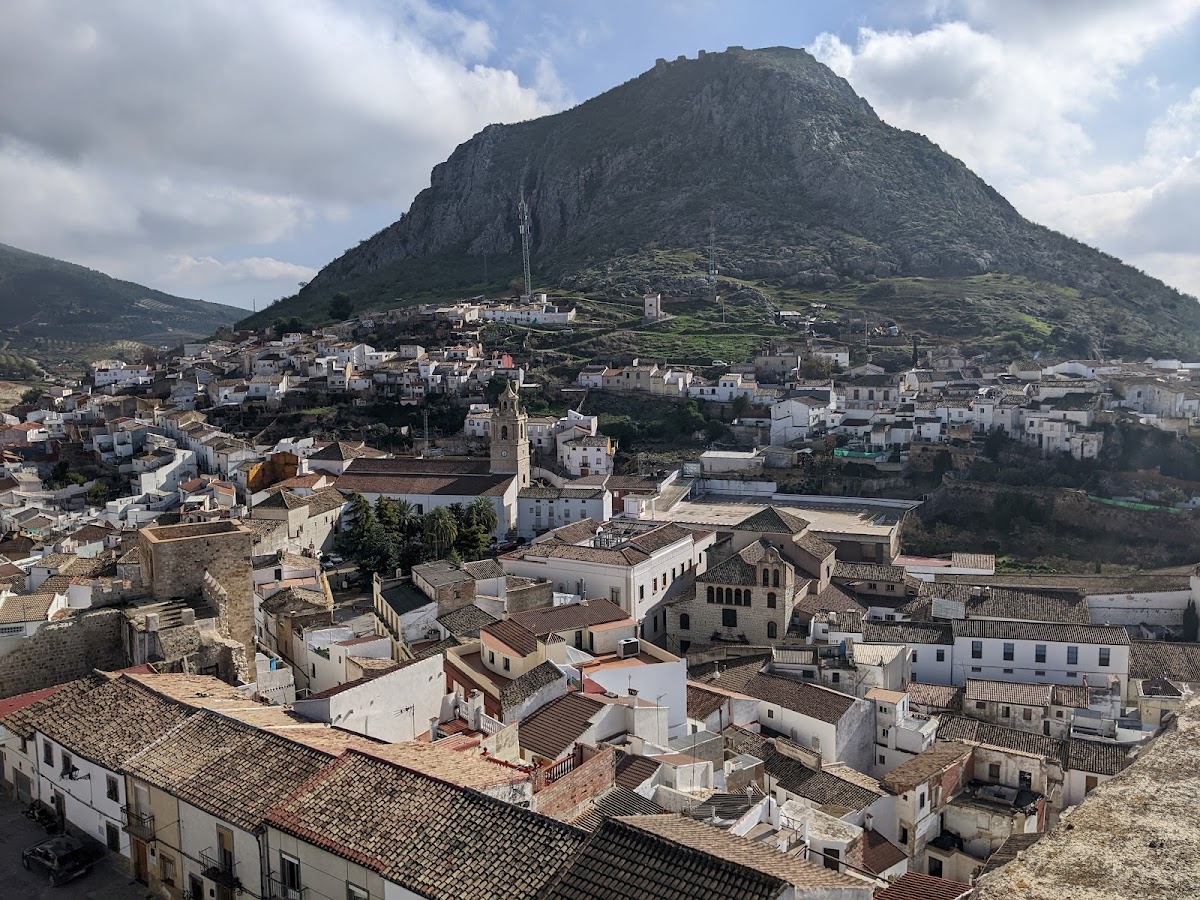
The Castillo de la Villa is located in the town of Martos, Spain, and stands on a rocky hill that was once the site of the ancient city of Tucci. This location holds a long history beginning with its origins as an Iberian-Roman acropolis, serving as the fortified center of the settlement during that era.
In the period of Islamic rule on the Iberian Peninsula, the site was transformed into a fortified castle, known in Arabic as a hisn. This phase saw the adaptation of earlier structures to new defensive needs, reflecting the strategic importance of Martos on the frontier between Muslim and Christian territories.
After the Christian reconquest, the castle came under the control of the Order of Calatrava, a military-religious group influential in the ongoing conflicts with the Kingdom of Granada. During this time, the castle underwent extensive modifications, becoming a critical defensive stronghold. The knights reinforced the fortress with new walls, multiple towers, and notably constructed a large keep called the Torre del Homenaje, or the Tower of Homage. This keep highlighted the castle’s role as both a military fortification and symbol of authority.
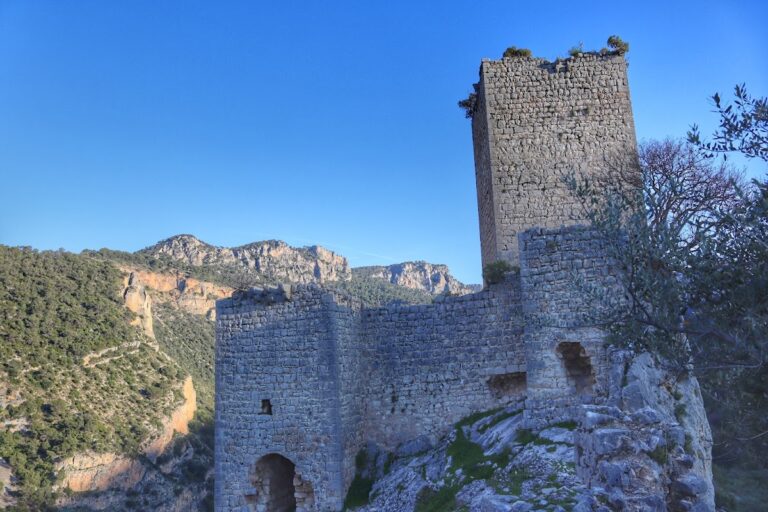
The castle formed part of a larger defensive complex alongside the nearby Castillo de la Peña, connected by walls that enclosed the urban area to protect Martos from hostile forces. Throughout the Christian period, these defenses played a key role in the border struggles that defined the region.
In 1985, the castle and its related structures received official recognition as Historic Monuments. Since then, restoration efforts have sought to preserve key elements, including the rehabilitation of the Torre del Homenaje and ongoing work on the Torre Almedina, ensuring the survival of these historical features for future study and appreciation.
Remains
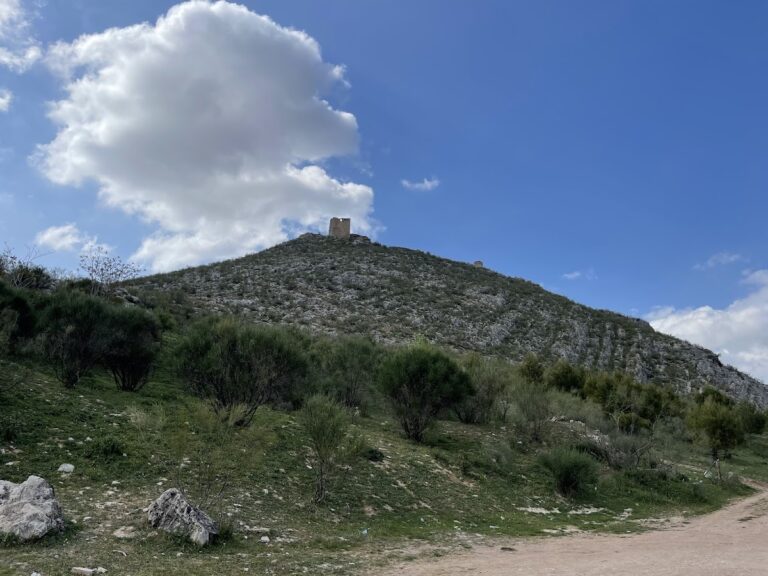
The Castillo de la Villa occupies a commanding position at 738 meters above sea level on a rocky hill overlooking Martos. It was constructed primarily using local materials, with walls and towers built of rough stone masonry reinforced by finely cut ashlar blocks at structural corners. The defensive system enclosed the urban core, linking several towers by enclosing walls.
At the heart of the castle stands the Torre del Homenaje, a well-preserved keep erected during the Christian era. This tower has a square plan and rises over three floors plus a basement level. The basement served as a cistern, designed to collect rainwater from the roof, highlighting practical considerations in fortification design. The two middle floors are vaulted with stone barrel vaults, providing structural strength, while the top floor is covered by a brick dome supported by pendentives—architectural elements that smoothly transition the square room to the curved dome above. Access to this tower is gained through the middle floor via a staircase, and its rooftop platform remains accessible. After restoration, it now functions as a cultural and historical interpretation center.
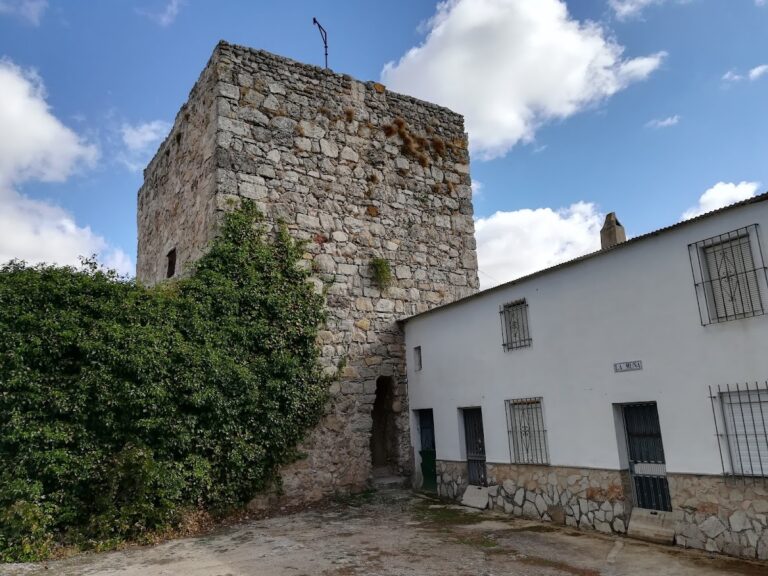
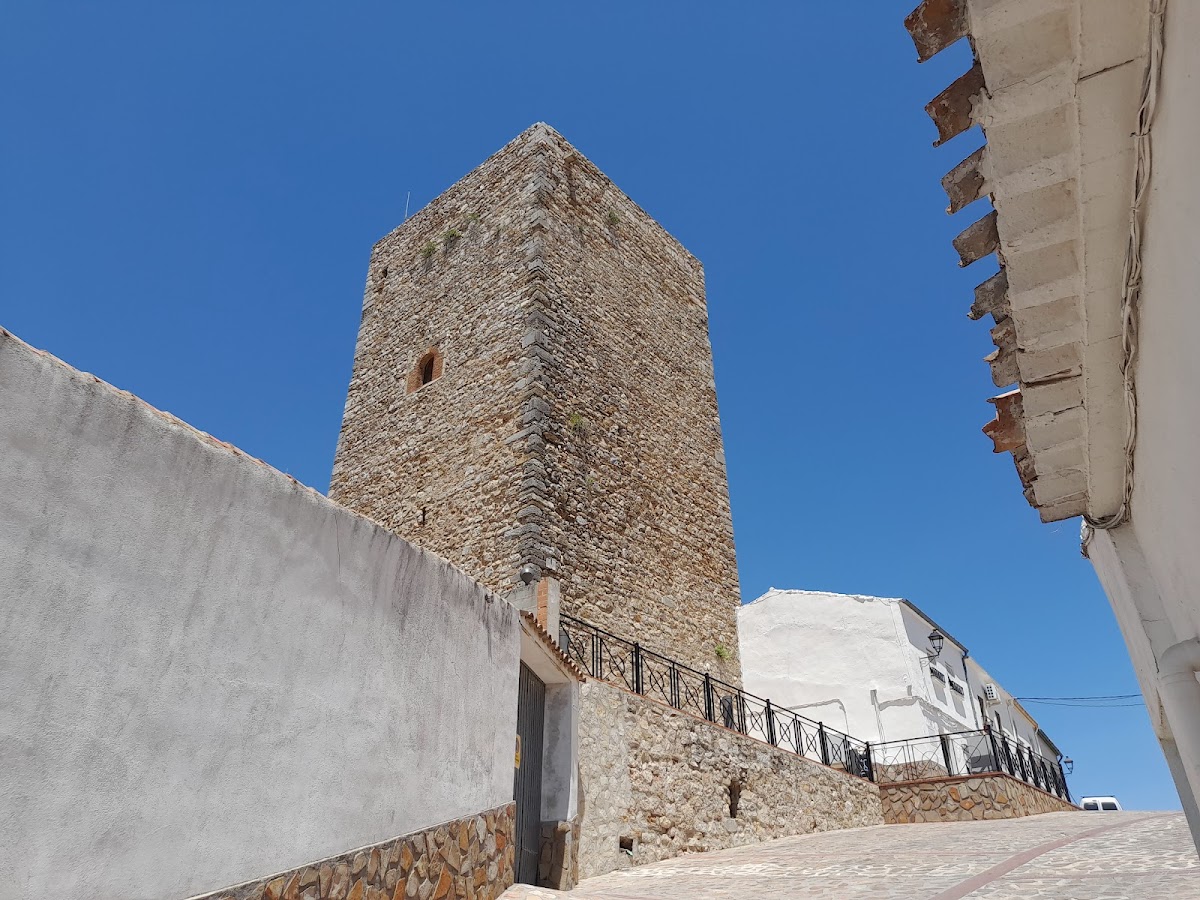
Another significant structure is the Torre Almedina, dating to the 13th century when the castle belonged to the Calatrava monks. This robust square tower rises to approximately 25 meters from street level and is constructed of rubble masonry with regular ashlar blocks at the corners for added stability. It features three floors and is crowned by a machicolation, a defensive architectural feature with openings through which defenders could target attackers below. The entrance to the Torre Almedina faces Primero de Mayo street. Historically, a wall joined this tower to the Torre del Homenaje, although only parts of this connecting wall remain today, indicating the integrated nature of the castle’s defenses.
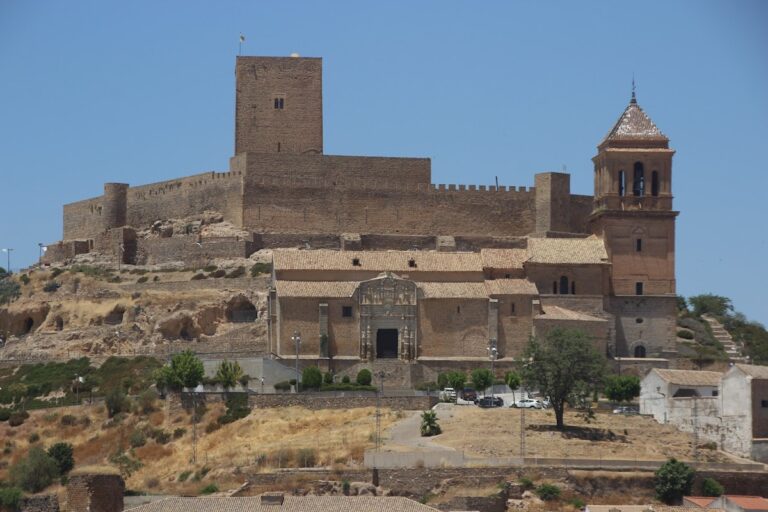
Apart from these major towers, the castle’s defensive walls still stand in sections around the site. These remnants include fortified towers such as the one supporting the bell tower of the Sanctuary of Santa María de la Villa, which lies within the old fortress perimeter. These walls and towers illustrate the castle’s comprehensive design to protect the city and its occupants. Ongoing restoration and consolidation efforts aim to maintain these structures for their historical and architectural value.
Overall, the remains of the Castillo de la Villa display a layered history of construction techniques and military architecture spanning Roman, Islamic, and Christian influences, offering insights into the evolving defensive strategies employed at this strategic location.
Nearby sites