Tel Afula: An Archaeological Site Reflecting Millennia of Settlement in Israel


Visitor Information
Google Rating: 4.2
Popularity: Very Low
Google Maps: View on Google Maps
Country: Israel
Civilization: Unclassified
Remains: Military

History
Tel Afula is an archaeological mound situated in the heart of the city of Afula, Israel. Over many centuries, this site witnessed nearly continuous human settlement, beginning in the Late Chalcolithic period and extending through to the Ayyubid period in the 13th century CE. Various cultures contributed to its development, including communities from the Bronze Age, Roman era, Byzantine and Early Islamic periods, and finally the Crusader and Mamluk eras.
In its earliest phases, the tell was inhabited during the Bronze Age, as evidenced by cemeteries containing pottery vessels and anthropomorphic figurines, suggesting established community activities and burial customs. Moving forward in time, some signs of habitation from the Late Bronze and Early Iron Ages have also been identified, indicating the site remained a place of human presence through these epochs.
During the Roman period, the area developed into a more settled zone, with archaeological evidence uncovering stone walls, floors, and pottery fragments pointing to organized construction and daily life. Notably, the mound’s soil revealed Roman-era sarcophagi decorated with geometric patterns, which were initially found by local farmers in the early 20th century and identified as likely Jewish burial sites.
The Byzantine or Early Islamic period saw the construction of a fortress on Tel Afula. Excavations led by Professor Eleazar Lipa Sukenik in 1926 revealed this fortified structure but suggested that the ancient city of Afula itself lay elsewhere, closer to the modern water tower site.
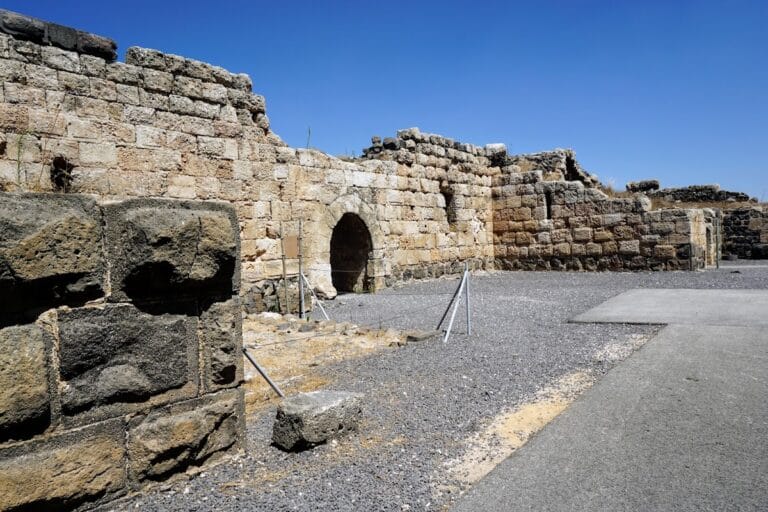
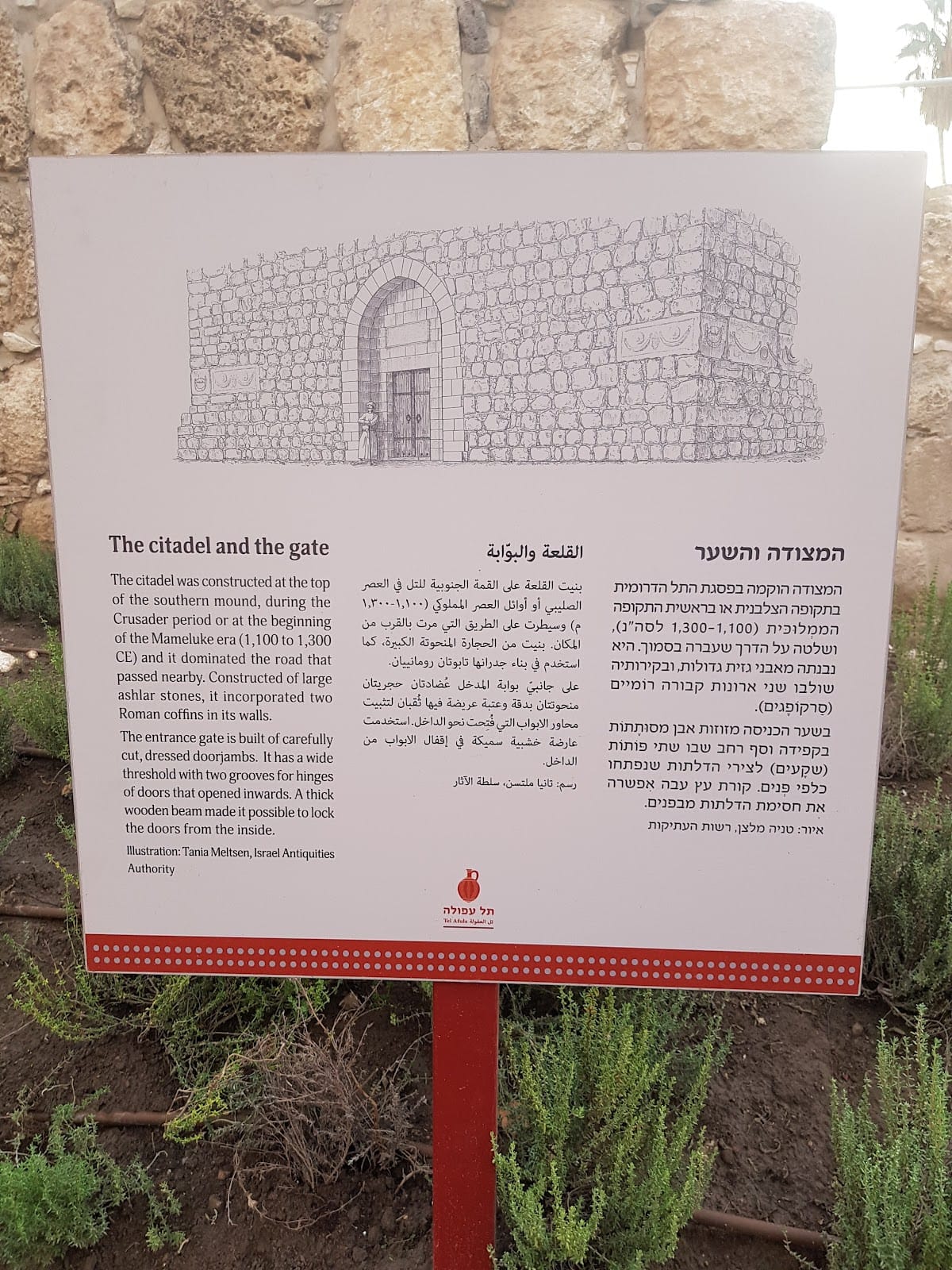
By the Crusader period, the site was transformed to include a prominent square tower built from large stones, incorporating the earlier Roman sarcophagi as building material. This tower, along with the surrounding defensive walls, formed part of a fortress linked to La Fève, known in Arabic as al-Fule, which was a small Crusader stronghold in the Jezreel Valley. This fortress was strategically positioned on the route between Jerusalem and Tiberias near the Sea of Galilee.
La Fève played a notable role during the late 12th century. In 1183, a battle occurred nearby between the Crusader Kingdom of Jerusalem and Sultan Saladin’s forces, which ended without a decisive victor. The fortress itself hosted senior members of the Templar and Hospitaller orders in 1187, just prior to a skirmish in the vicinity that turned disastrously for the Crusaders. After the critical Crusader defeat at the Battle of Hattin later that year, Saladin swiftly captured La Fève as part of his campaign to reclaim territory lost to Crusader control. The fortress had been defended by a garrison of around sixty knights before its fall.
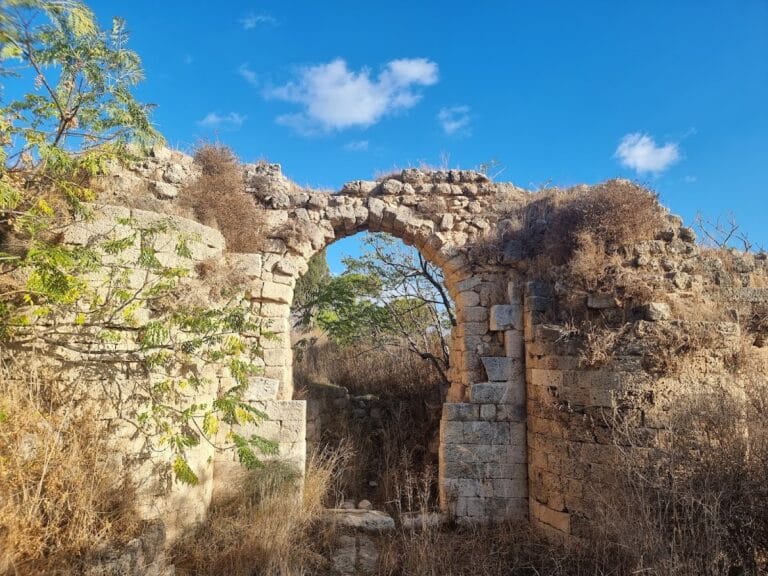
Tel Afula continued to see use into the Mamluk period, with the square tower and fortress walls bearing witness to this ongoing occupation. The tell remained neglected for a long time until recent archaeological efforts began revealing and preserving its layered history.
Remains
The archaeological remains at Tel Afula reveal a complex site built in successive phases, showcasing a blend of construction styles and material reuse spanning more than three millennia. The visible features include a square tower constructed from large stones, dating from the Crusader or Mamluk period. This tower is particularly notable for its walls, which incorporate Roman-era sarcophagi from the 2nd to 4th centuries CE. These sarcophagi, originally used for burials, bear geometric decorative motifs and were repurposed as building blocks, forming a unique architectural element within the fortress.
Beneath and around this tower, several layers of occupation have been discovered. Excavations unearthed burial caves and the remains of a winepress, known in Hebrew as a gath, indicative of agricultural activities taking place on or near the site. Various pottery shards found here include tools such as sickle blades and arrowheads, underscoring the long history of settlement and subsistence.
From earlier periods, particularly the Bronze Age, cemeteries have been identified containing ceramic vessels like jugs, pots, and bowls. One grave included a small human-shaped figurine, providing insights into the ritual customs and artistic expression of the inhabitants from that time.
Roman-period remains include substantial stone walls and floors constructed from large limestone blocks laid upon foundations of fieldstones in their natural form. These structures illustrate the durable building techniques employed by settlers during that era. Pottery from this period also ranks among the finds uncovered in multiple excavation campaigns.
The layout seen in later times characterizes the fortress as a rectangular complex approximately 120 by 90 meters in size. This Crusader fortress was surrounded by a broad water-filled moat, a defensive measure designed to protect against attack. The garrison, numbering around sixty knights, would have relied on these fortifications to secure the position along a key route connecting Jerusalem and Tiberias.
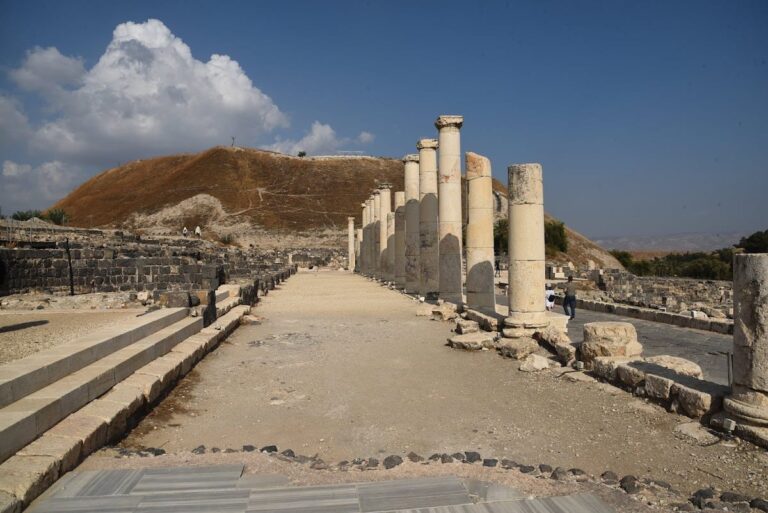
In recent years, archaeological projects have worked to restore parts of Tel Afula. Ancient stones have been clearly marked, and an access path was paved leading to a renovated plaza atop the tell. These measures enable a clearer presentation of the site’s historical layers while preserving its structural remains in situ for further study and appreciation.
Nearby sites