Liw Castle: A Historic Fortress and Museum in Poland


Visitor Information
Google Rating: 4.6
Popularity: Medium
Google Maps: View on Google Maps
Official Website: www.liw-zamek.pl
Country: Poland
Civilization: Unclassified
Remains: Military

History
Liw Castle is located in the town of Liw, within present-day Poland. It was constructed in the early 15th century by the Masovian civilization under the direction of Duke Janusz I the Elder. Built as a defensive stronghold, the castle guarded the eastern boundary of the Duchy of Masovia and controlled an important crossing over the Liwiec River.
The fortress first appears in historical records connected to Polish nobility in a heraldic source from the late 15th century, linking the prominent Doliwa coat of arms with this site. During the early 16th century, Duchess Anna Mazowiecka led a significant rebuilding effort, enhancing the castle’s defenses by raising its walls to about 12 meters and extending the primary residential building, known as the “Large House.” During this period, new functional structures such as a small utility house and a granary were added, while the main gate was fortified and heightened.
In the mid-16th century, Queen Bona Sforza undertook further modernization of Liw Castle. The gatehouse was converted into a multi-story tower, battlements were removed, and the walls were adapted with openings for firearms, reflecting evolving military technology.
The castle’s military importance declined after it suffered repeated damage during Swedish invasions. In 1657, Swedish forces burned much of the castle during the Deluge, a Swedish occupation period, and further destruction followed in 1700 and 1703. The castle was not restored as a military fortress after these attacks. Instead, the ruins of the main residence were repurposed for administrative functions by erecting a wooden chancellery house on the remaining cellars.
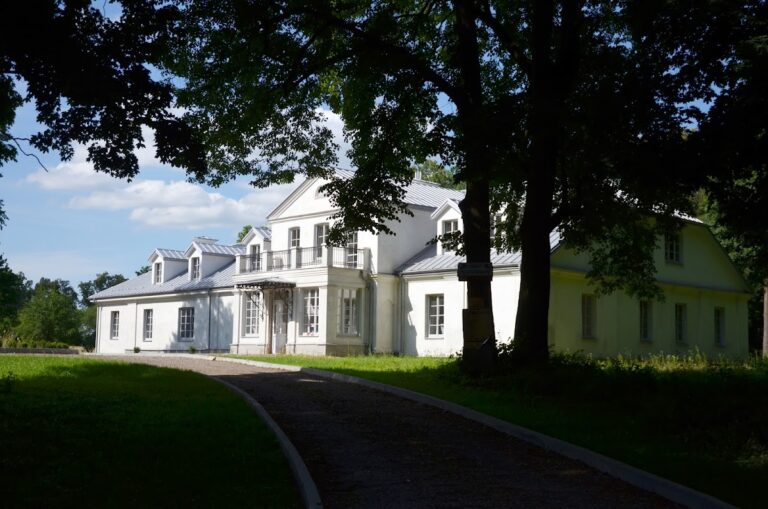
A new chapter began in 1782 when a Baroque manor with a mansard roof was built on the site of the former utility house. Constructed by local official Tadeusz Grabian, this building served as offices and a court until it fell into disuse and was gradually dismantled in the mid-19th century. Parts of the surviving tower were temporarily adapted as a smithy.
After World War I, limited archaeological and conservation activities brought some attention to the castle’s remains. During World War II, occupying German forces mistakenly believed the castle had origins related to the Teutonic Order and began restoration works, which ceased after the castle’s true Masovian heritage was established. The site endured additional damage in 1944 amid wartime conflict.
Following the war, efforts were made to stabilize the ruins. Between 1957 and 1961, the manor house was reconstructed to accommodate municipal offices and a local library. Since 1963, both the restored manor and the gate tower have served as a museum dedicated to the castle’s history and military artifacts. From 2001 onward, the site has also hosted annual medieval knight tournaments.
Remains
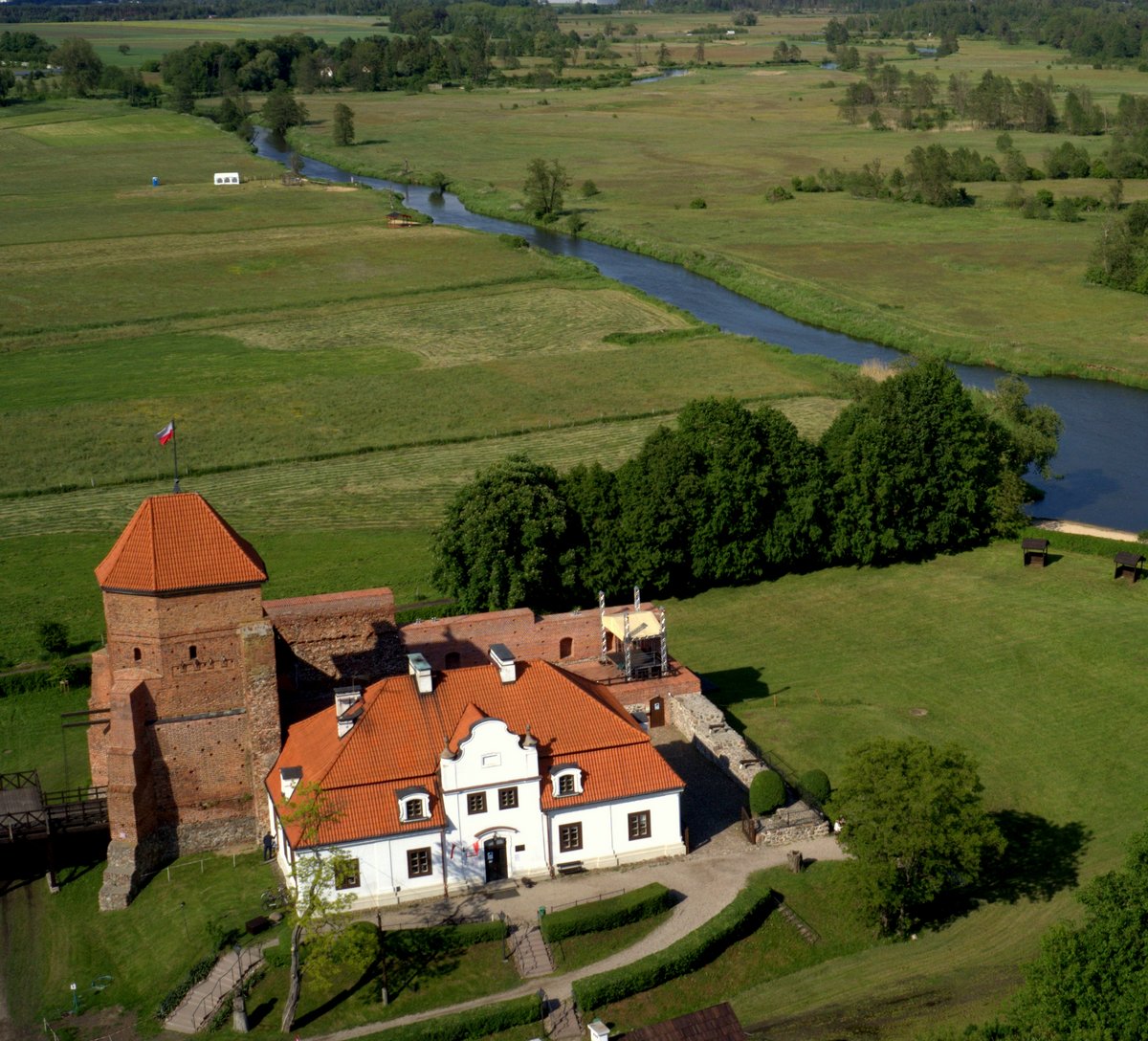
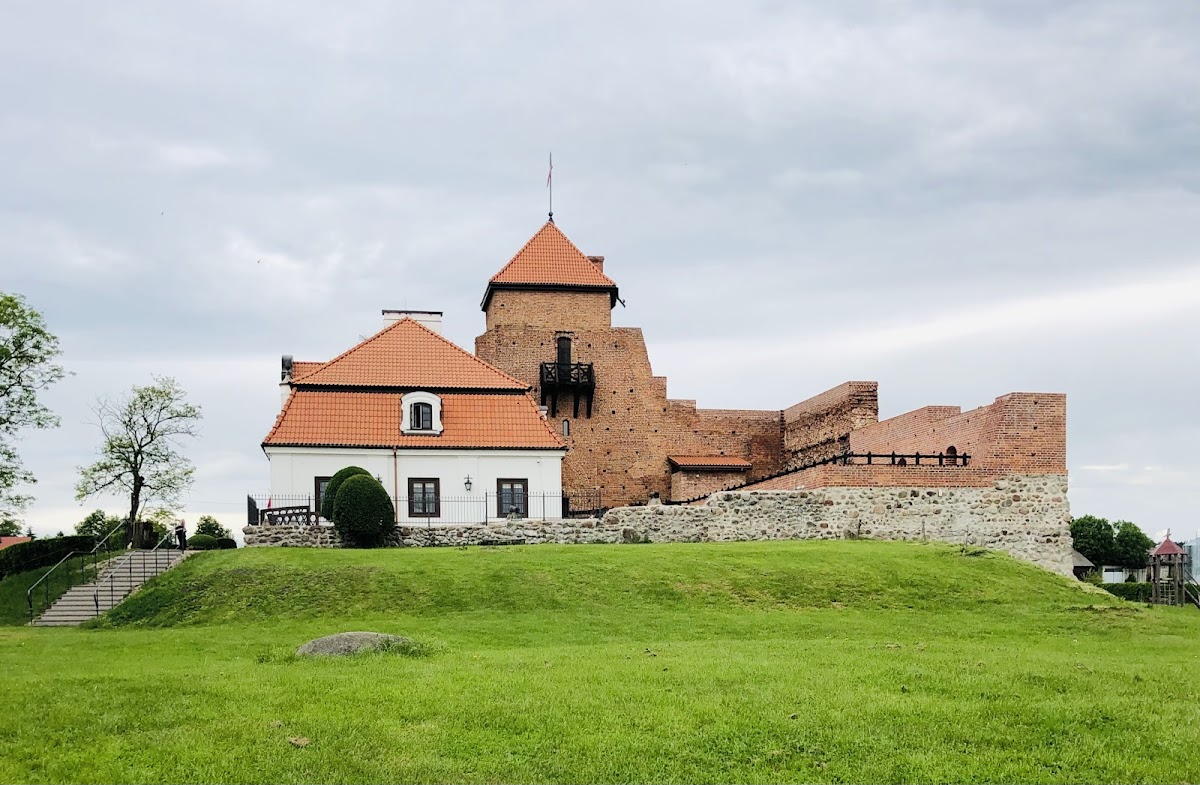
Liw Castle occupies an artificial mound on the left bank of the Liwiec River, near marshy floodplains that separated the castle from the neighboring town. The roughly square-shaped fortress, measuring about 80 meters on each side and covering nearly 1,000 square meters, was constructed from a combination of field stones and hand-shaped bricks, commonly called “palcówka.” Originally, the perimeter walls stood approximately six meters high and were crowned with battlements.
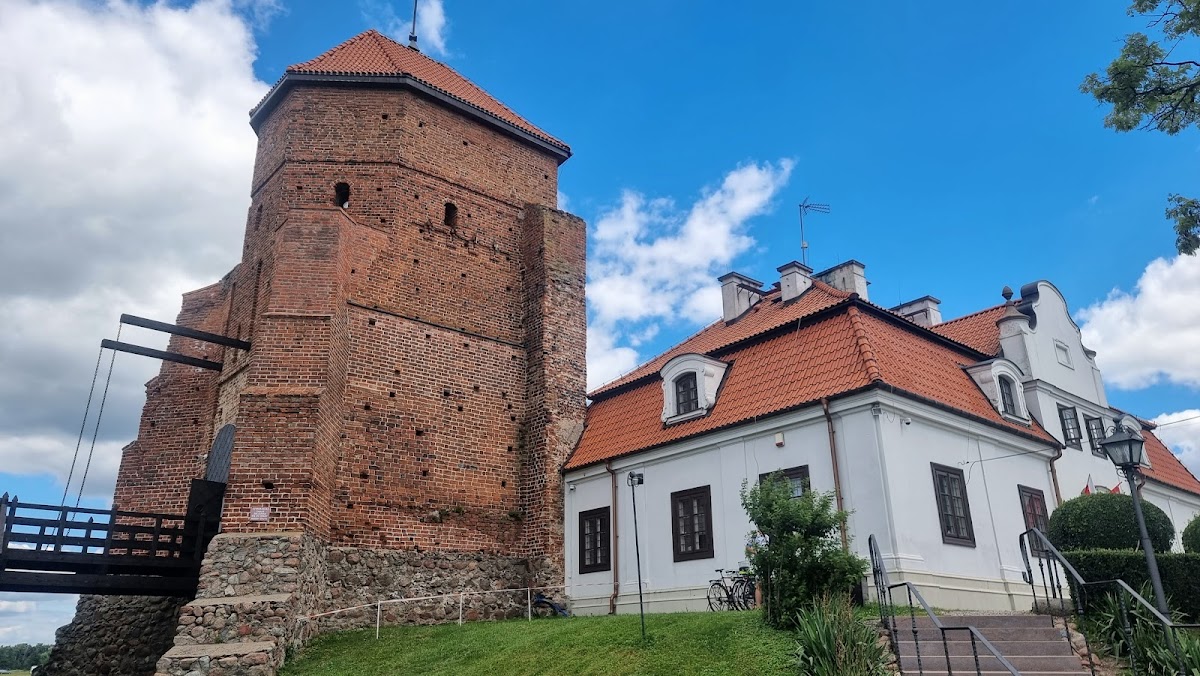
Within the walls, the largest building, called the “Large House,” served as the residence of the castle’s burgrave. It was complemented by a gate tower that projected inward toward the courtyard and featured a drawbridge controlling access. A narrow causeway linked the stronghold to the adjacent settlement across the flood zones.
During the 16th century, renovations raised the defensive walls to about twelve meters and added an extra floor to the “Large House,” enhancing its function as a manor residence. The main gate was sealed from the courtyard side and extended upward by an additional story, transforming its defensive role. Queen Bona Sforza’s later expansions replaced this gatehouse with a tall, multi-level tower, removed the crenellations atop the walls, and introduced gunports to accommodate firearms, reflecting advances in fortification techniques.
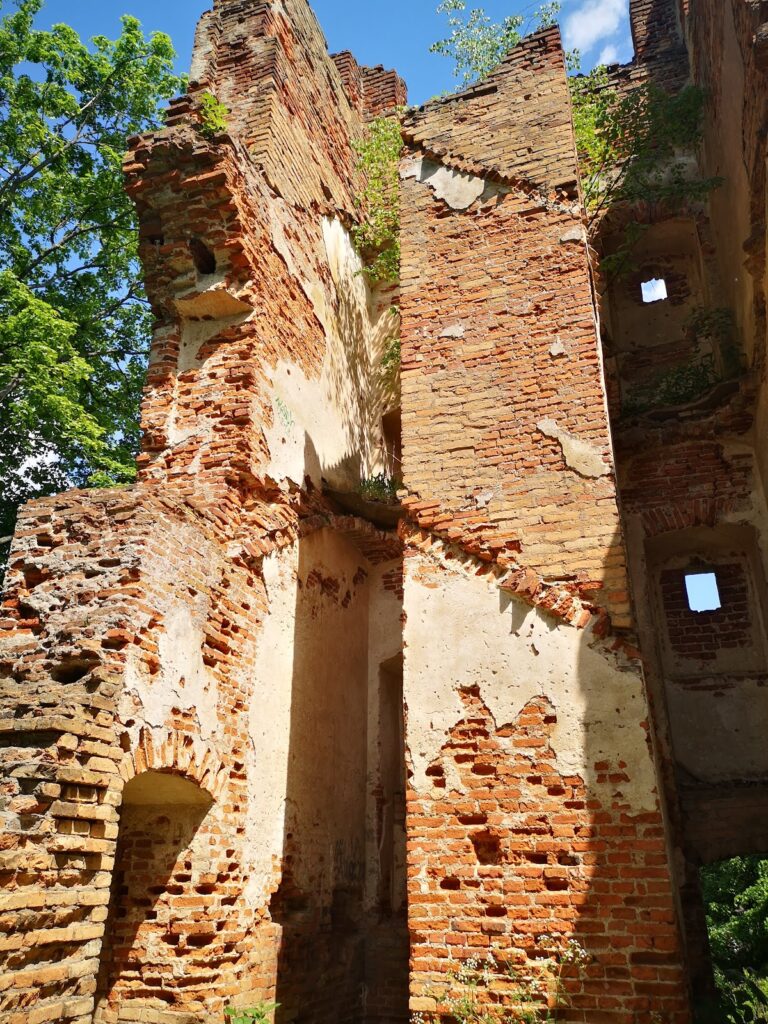
Today, the surviving architectural elements include the Gothic cellars beneath the former “Large House” and fragments of the surrounding walls, offering a glimpse into the castle’s medieval scale. The Baroque manor built in the late 18th century, once serving as the local starosty (administrative office), was reconstructed in the mid-20th century and exhibits a mansard roof typical of its period.
The castle complex now features the restored gate tower alongside the revived manor building. Together, they house a museum exhibiting historical plans, portraits from the Sarmatian era, paintings by artists Wojciech and Jerzy Kossak, and an array of weaponry spanning different time periods. These elements preserve and interpret the layered history of Liw Castle for visitors and scholars alike.
Nearby sites