Domus Romane di Palazzo Valentini


Visitor Information
Google Rating: 4.7
Popularity: Medium
Google Maps: View on Google Maps
Official Website: www.palazzovalentini.it
Country: Italy
Civilization: Roman
Remains: Domestic

History
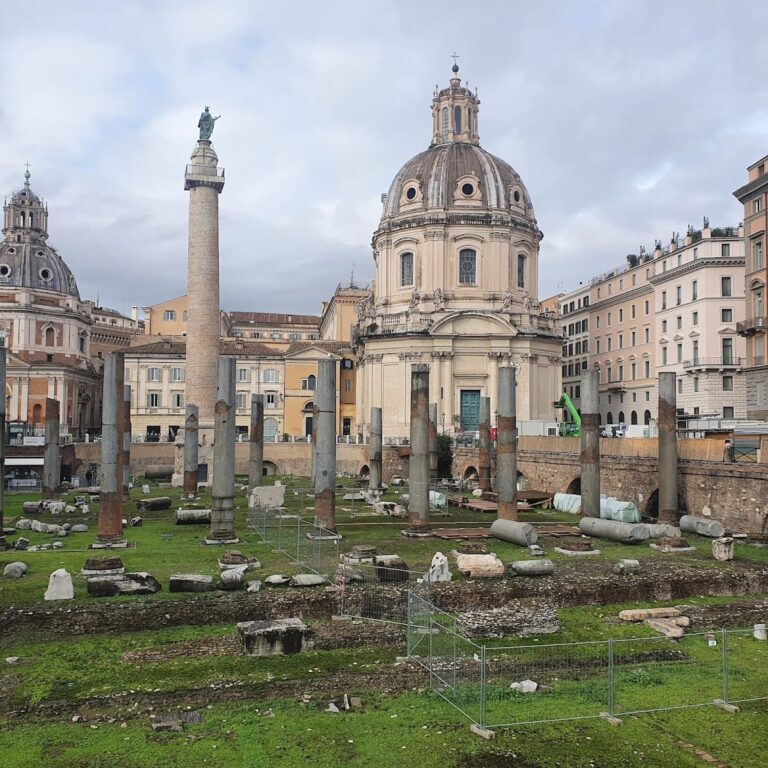
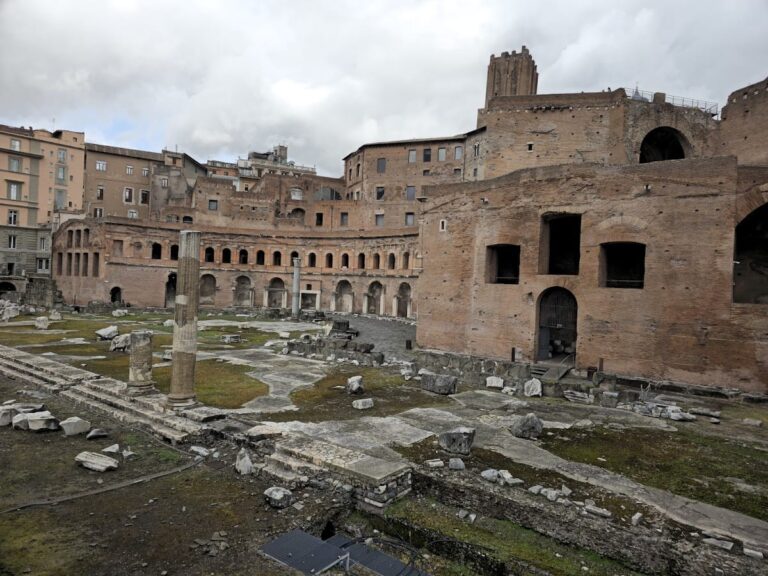
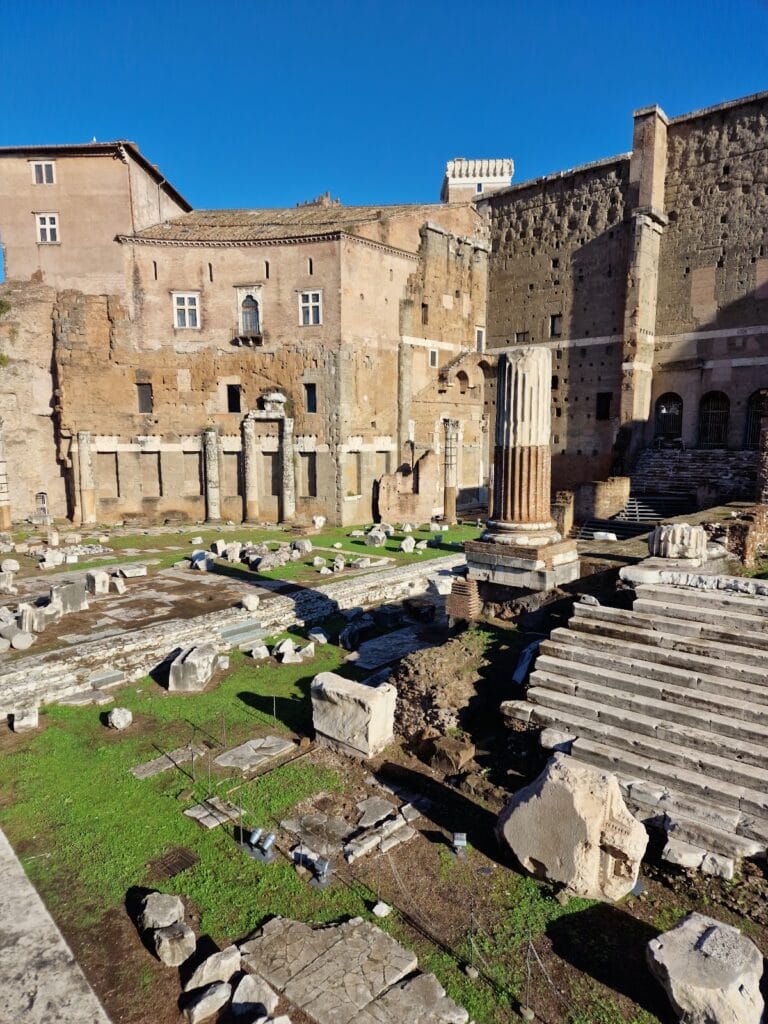
Le Domus Romane di Palazzo Valentini are located in central Rome, Italy, near the modern Piazza Venezia. The site lies within the ancient Roman city, built during the Roman Empire. The area originally formed part of the Imperial Fora, specifically near the Fora of Trajan and Augustus.
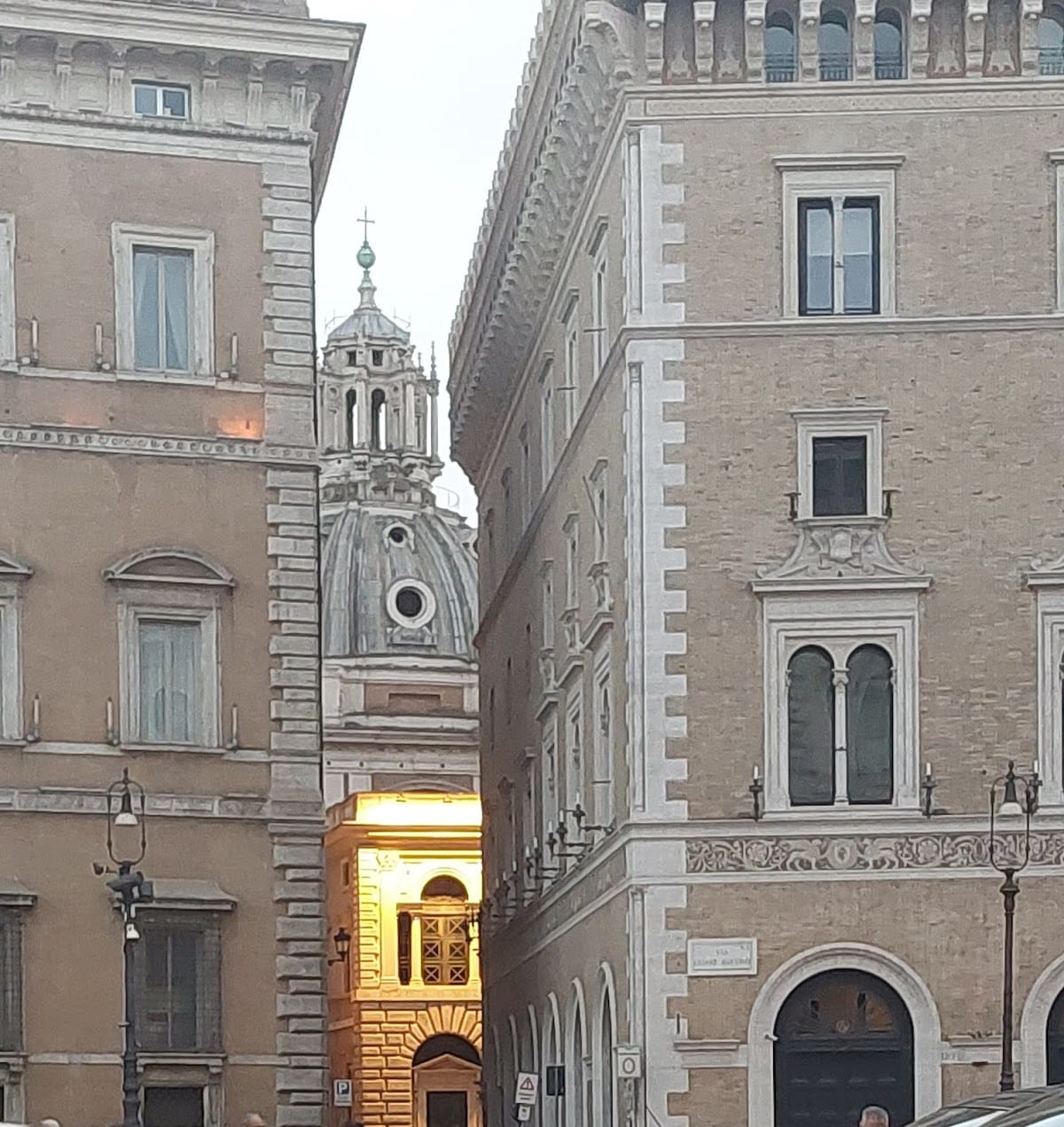
In the late 16th century, Cardinal Michele Bonelli, nephew of Pope Pius V, acquired a pre-existing building on the edge of what was then called Piazza dei Santi Apostoli. Between 1585 and 1588, architect Domenico Paganelli designed and completed a trapezoidal palazzo on this site. The cardinal owned much of the land behind the palazzo, which extended over the ruins of the Imperial Fora. This area was known as “Pantano” due to frequent flooding and was later urbanized into the Alessandrino district.
During the 17th century, the palazzo underwent major renovations and expansions under Cardinals Carlo Bonelli and Michele Ferdinando Bonelli. Later, Cardinal Renato Imperiali partially demolished and rebuilt the structure with architect Francesco Peparelli. Imperiali established a significant family library of about 24,000 volumes within the palazzo.
In the early 18th century, the palazzo was rented by Marchese Francesco Maria Ruspoli, who used it as a private theater from 1705 to 1713. This theater hosted renowned musicians such as Handel, Alessandro Scarlatti, and Arcangelo Corelli. In 1752, Cardinal Giuseppe Spinelli acquired the palazzo, commissioning new decorative schemes and organizing the library for public use. The library attracted scholars including Johann Joachim Winckelmann.
In 1827, Vincenzo Valentini, a Prussian banker and consul general, purchased the palazzo. He expanded and refurbished it extensively, housing his art collection and enlarging the library and archaeological holdings. Architects Filippo Navone and Giovanni Battista Benedetti completed works on the rear side facing Trajan’s Column. Between 1861 and 1865, Vincenzo’s son Gioacchino Valentini commissioned architect Luigi Gabet to design further expansions along Via di Sant’Eufemia. In 1873, the provincial deputation of Rome acquired the palazzo and tasked Gabet with completing the right side on Via de’ Fornari. Since then, the building has served as the seat of Rome’s provincial and prefectural administration.
The area behind the palazzo, once called “Pantano,” was destroyed in the 1920s and 1930s to make way for the construction of Via dei Fori Imperiali. Although local tradition associated the site with the monumental temple dedicated to the deified Emperor Trajan, no archaeological evidence has confirmed this within the palazzo’s grounds.
Remains
Beneath Palazzo Valentini, archaeological excavations have uncovered a small Roman baths complex dating to the 2nd century AD. The baths include a calidarium (hot room), tepidarium (warm room), and frigidarium (cold room). These facilities likely belonged to a nearby residential complex discovered in 1902 during construction at Piazza Venezia.
The remains reveal a layout typical of Roman private baths, with rooms arranged to allow gradual temperature changes. The baths were constructed using traditional Roman building techniques and materials, including brick and concrete. The floors feature finely decorated mosaics, indicating the baths belonged to a wealthy household.
In addition to the baths, the site contains ruins of a domus, or Roman house, which includes a small pool and mosaic floors with intricate designs. Archaeologists also found refuse pits, known as butti, from the Renaissance palazzo above. These pits contained broken ceramic and porcelain fragments, remnants of statues, and paved street remains.
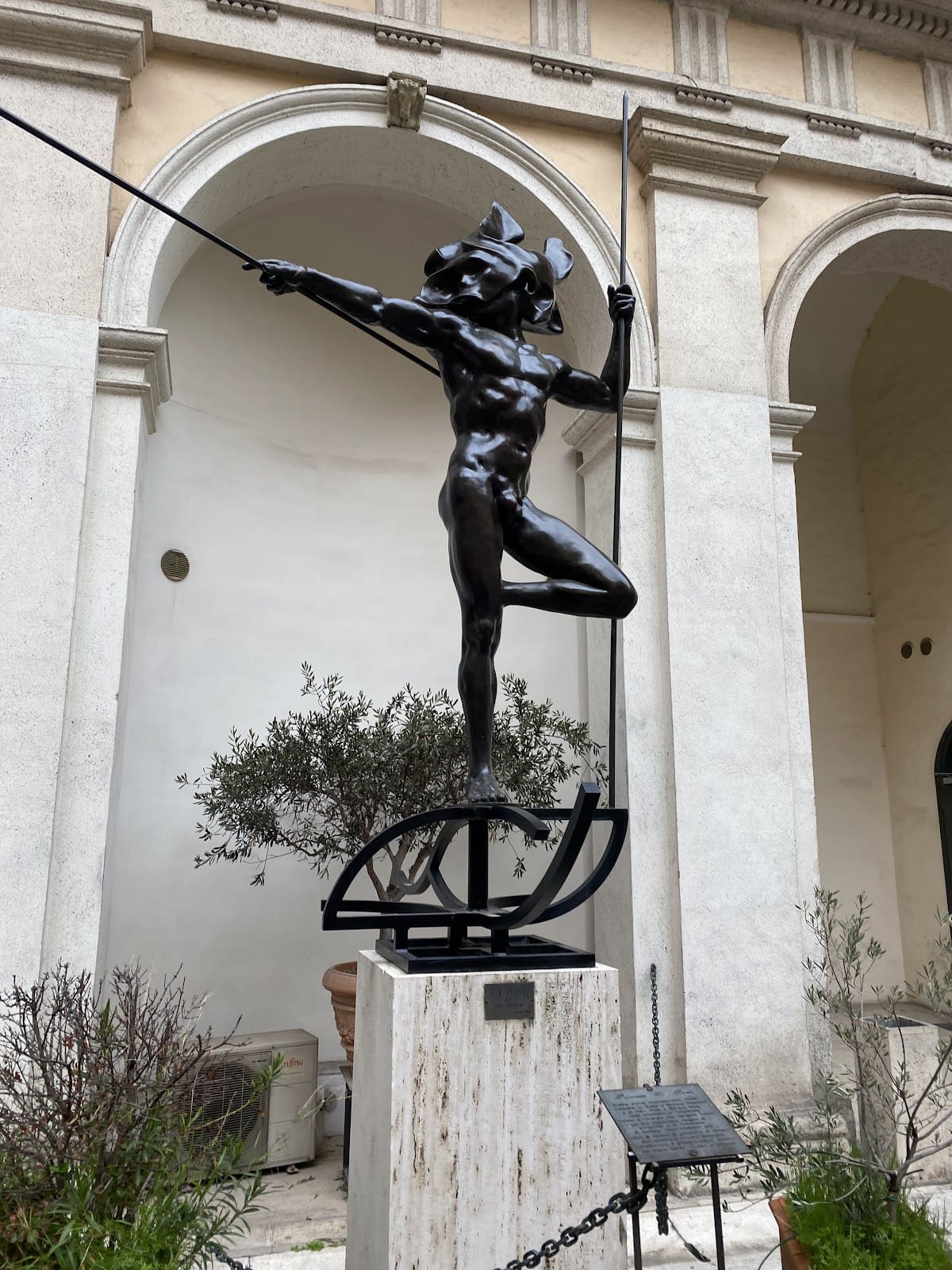
The archaeological layers lie approximately seven meters below the current street level. Many ancient statues decorate the internal courtyard of the palazzo, which is a two-story portico with arches supported by Doric pilasters. Modern artistic works, such as Ugo Attardi’s statue of Ulysses and Sandro Chia’s paintings of “Aeneas and Anchises” and “Europa,” are displayed at the entrance, commemorating the provincial administration’s history.
Despite longstanding beliefs, no physical traces of the temple dedicated to the deified Trajan have been found within the excavated area beneath Palazzo Valentini. The archaeological remains instead provide insight into the residential and bathing life of ancient Rome in this central urban location.
Nearby sites