Castell de Palafolls: A Medieval Fortress in Catalonia, Spain

Visitor Information
Google Rating: 4.3
Popularity: Low
Google Maps: View on Google Maps
Official Website: www.palafolls.cat
Country: Spain
Civilization: Unclassified
Remains: Military

History
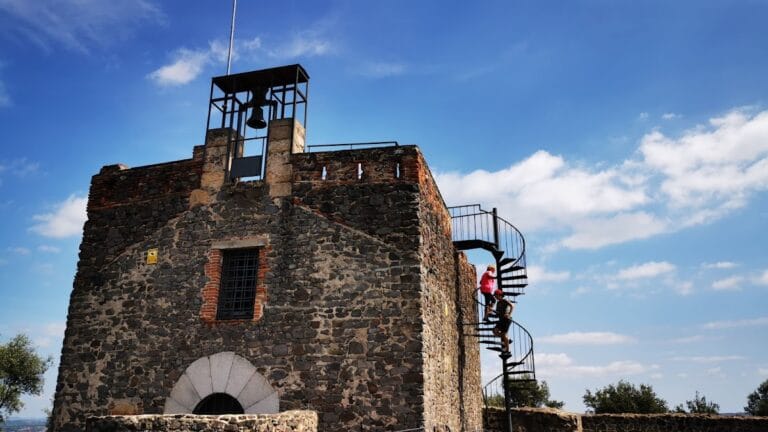
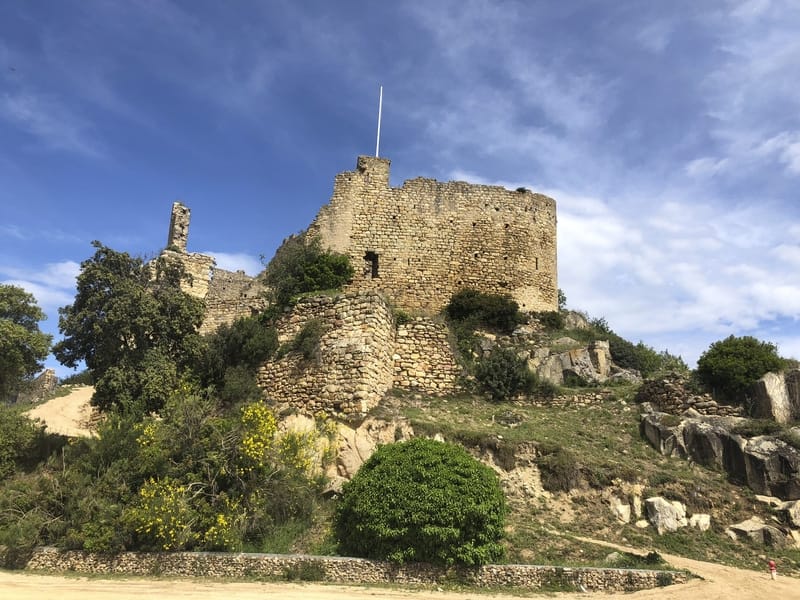
Castell de Palafolls is a medieval fortress situated in the municipality of Palafolls, Spain. Its origins trace back to early medieval times, having been established and developed by the local nobility within the Catalan territory. Positioned atop Turó del Castell hill, the castle commanded a strategic outlook over the royal road connecting Girona to Barcelona and the fertile basin of the Tordera River.
Evidence indicates that fortifications existed on this site before the year 1000. The earliest known mention appears in a 968 document related to the founding of the Benedictine monastery of Sant Pau in San Pol de Mar. By 1002, the fortress is referenced in a royal grant involving counts Ramon Borrell and Ermesenda of Carcassonne, who assigned land surrounding the castle to Sunifredo, the viscount of Girona. These early records reveal the castle’s integration into the feudal system of the region.
Ownership of Castell de Palafolls passed through noble families during the 11th century. Humberto de Sesagudes held the site in 1035, and through the marriage of his daughter Guisla to Bernardo Gausfredo, control passed to their descendants who adopted the surname Palafolls. Though the family managed local lordship, higher jurisdiction remained with the viscounts of Girona and later the powerful Cabrera family. The barony centered on Palafolls included present-day Palafolls, Malgrat de Mar, Santa Susanna, and parts of Blanes. It operated with its own administration, courts, and local industries, acting as the regional authority.
The castle itself saw significant development during the 13th century with the addition of a second, large enclosure. Around this time, the Palafolls family also founded the settlement of Vilanova de Palafolls in 1245, which gradually obtained autonomous privileges and achieved civil independence by the 18th century. This expansion reflects the growing importance of the barony and its territories.
A notable change in ownership occurred in 1381 when Guillem de Palafolls exchanged the fortress for the castle of Ariza with King Peter III of Aragon. The king swiftly sold Castell de Palafolls to Viscount Bernat IV de Cabrera in 1382, incorporating it into the vast holdings of the Cabrera lineage. During the Catalan Civil War, from 1462 to 1472, the castle was captured by supporters of Barcelona, who placed Bertran de Armendaris in charge. It reverted to Cabrera possession in 1477 following the conflict.
In the 16th century, the castle underwent additional fortifications to defend against pirate raids, reflecting the ongoing regional security concerns. However, over the following centuries, Castell de Palafolls gradually declined, falling into a state of neglect throughout the 17th and 18th centuries. Ownership passed through noble families from the Cabrera to the Montcada in 1572, then to the Medinacelli in 1722, before ultimately being claimed by the Spanish state in 1880. In the 20th century, efforts toward preservation began with the foundation of a local association in 1966 and the restoration of the castle’s chapel in 1971.
Remains
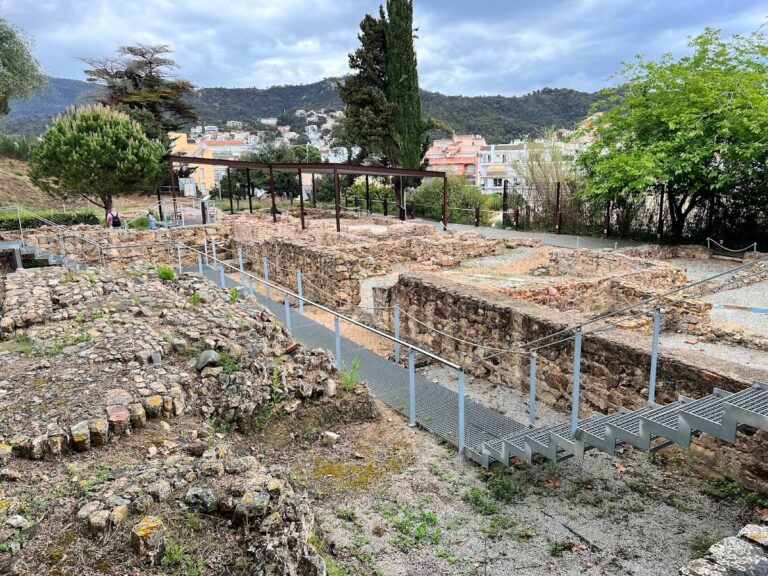
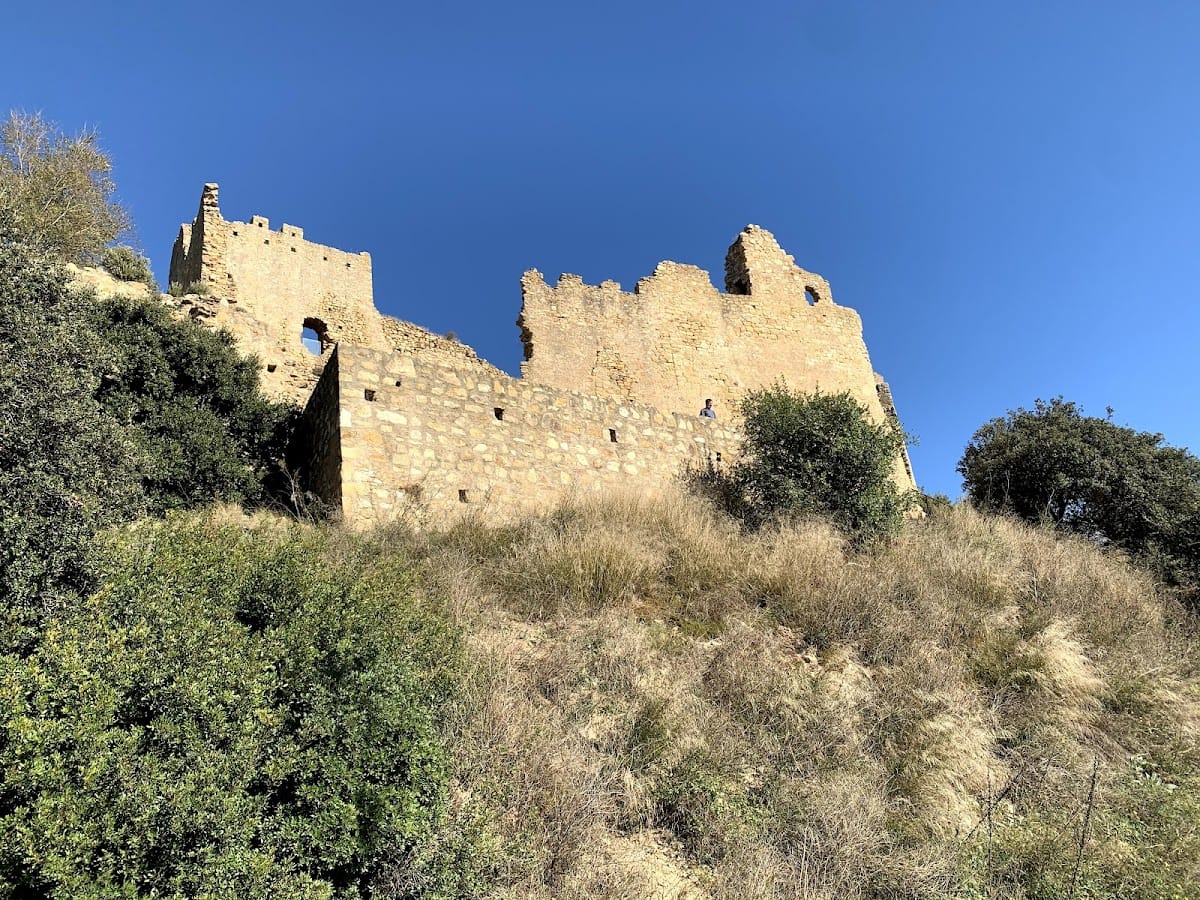
The Castell de Palafolls ruins stretch along an elongated, uneven ridge aligned roughly northwest to southeast, running nearly parallel to the Tordera River. The site’s irregular rectangular shape is dictated by the steep terrain. The castle complex divides into an upper sovereign enclosure occupying the southern summit and a larger lower enclosure extending northward along the ridge.
The highest, sovereign enclosure features polygonal walls surrounding the principal residential buildings. This area contains the remains of a large hall, identifiable by surviving arches, which served as a main gathering space. Nearby stands a vaulted cistern used to collect and store water, its construction evident through marks left by the barrel vault technique — a curved stone ceiling forming its roof. A chapel, located within this enclosure, is notable for its circular apse and preserved early Romanesque paintings observed in the early 1900s. The chapel underwent restoration in the 1970s to preserve these features.
On the eastern summit’s steep slope stands the castle’s keep, or tower of homage, surrounded by the principal living quarters. The western side also faces a steep drop, which contributed to the site’s natural defenses. Due to vulnerability, the narrow ends of the rectangular layout were heavily fortified.
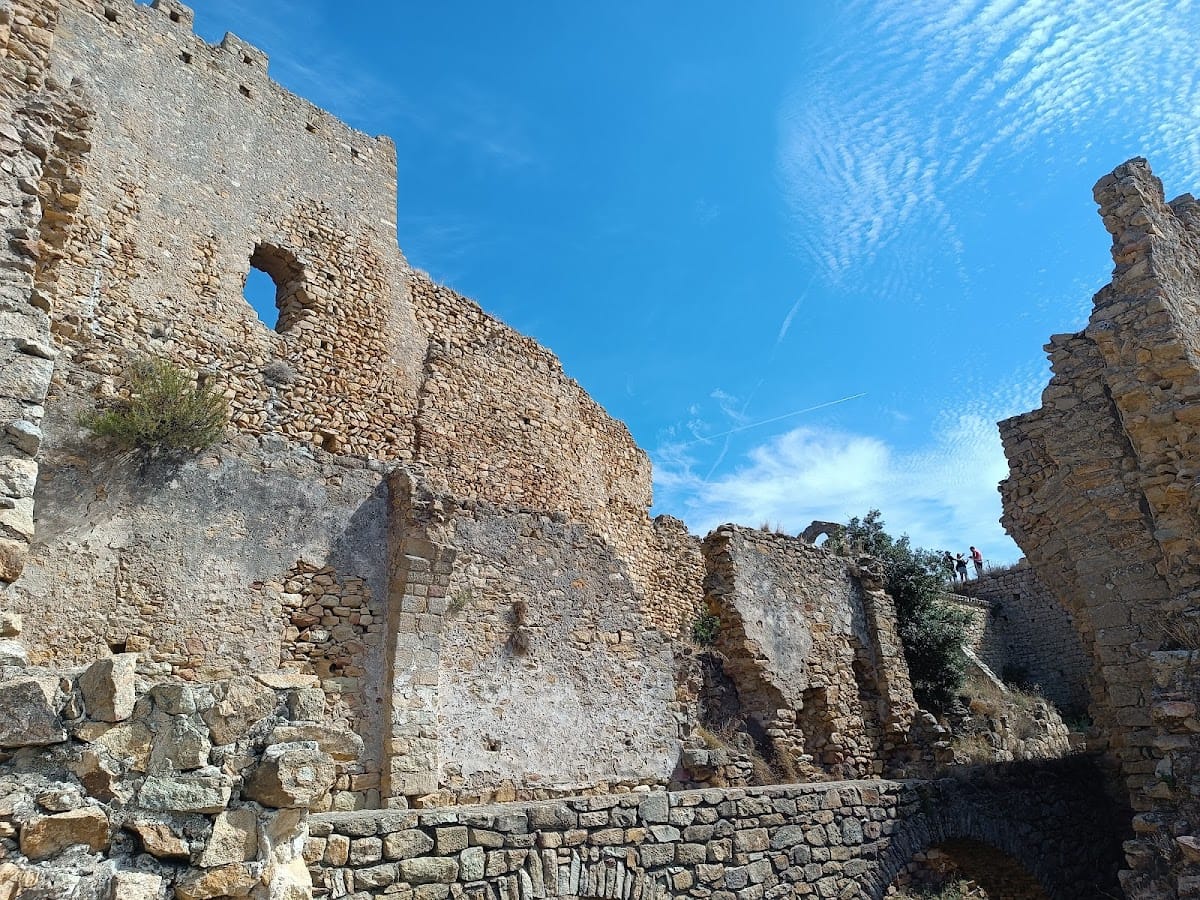
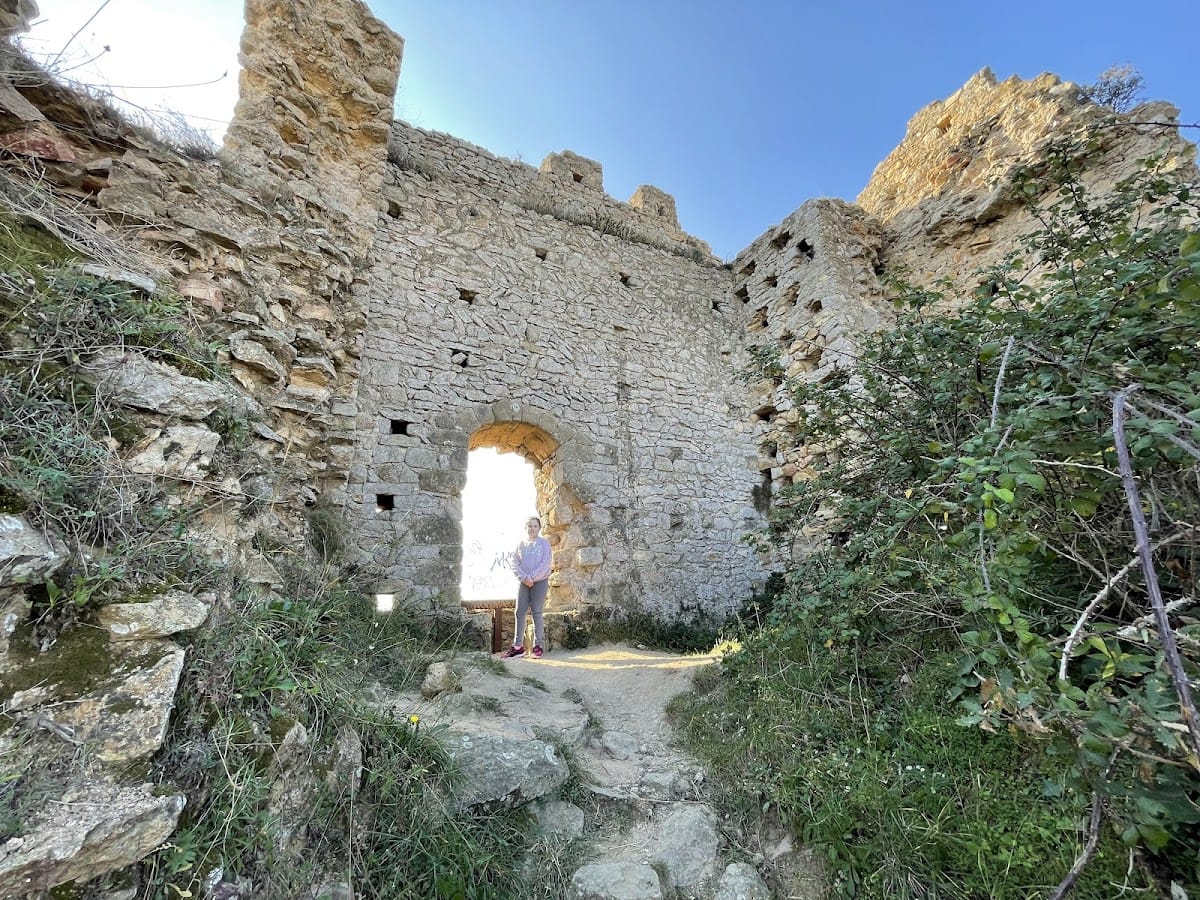
The lower enclosure dates primarily from the Gothic period and comprises a large, rectangular courtyard or plaza de armas. Significant portions of the outer curtain walls remain, displaying tall, thick stone construction accented with arrow slits for defense. These walls also functioned as retaining structures supporting the castle platform. Inside this enclosure are the remains of a square tower, indicating a secondary defensive strongpoint.
Within the interior second enclosure lies further evidence of habitation, including the base of a substantial hall with underground silos or cellars beneath it. Access to these storage spaces was through a barrel-vaulted passage, suggesting their use for provisioning. Nearby, a deep vaulted cistern provided water supply for the castle occupants.
The third enclosure contains the castle’s church, a singular nave building featuring a circular apse that unusually rests against a defensive wall instead of following the traditional eastward orientation. A battlemented walkway runs atop this wall, enhancing its defensive role. Adjacent to the church are the lord’s chambers, probably constructed in the 13th century, which face east and open directly outside the castle walls.
The main hall within the sovereign enclosure was originally a rectangular, spacious room supported by masonry arches beneath a wooden beam ceiling. It included windows positioned along the walls and above the door frame. Although the hall’s roof has collapsed, essential structural elements remain that could guide restoration efforts.
Together, these archaeological features illustrate a fortress that developed through several phases from the 10th to the 14th centuries, combining defensive architecture with spaces designed for noble residence and administration. The Castillo de Palafolls therefore offers an enduring glimpse into medieval military and feudal life in this coastal region.
Nearby sites