Roman Sites: Explore Ancient Cities, Theatres, Aqueducts and Temples
Explore more than 1,500 Roman sites, including ancient cities, theatres, amphitheatres, aqueducts, villas, temples and frontier forts. The collection stretches from Britain and Spain through North Africa to the eastern Mediterranean. Paved streets, roofless bath halls, mosaic-floored rooms and standing temple walls preserve buildings used for public gatherings, domestic life, worship and defence.
Primary Function: All
Type: All
Country: All
Popularity: All
Rating: All
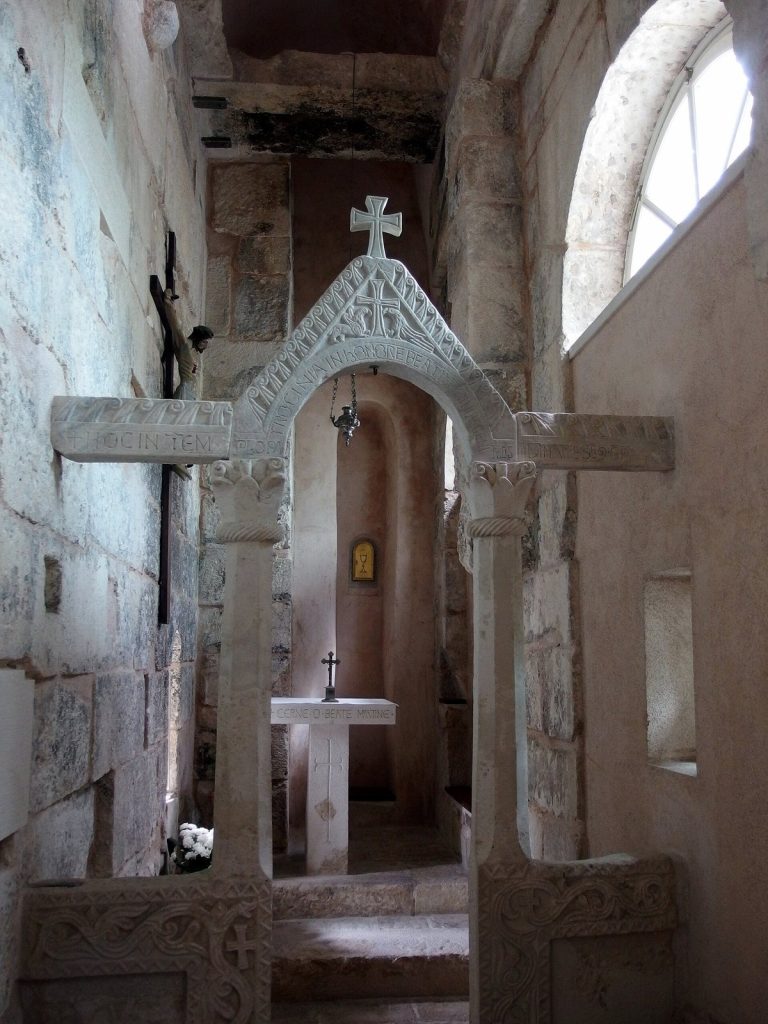
St Martin's Church in Split occupies a former Roman guardhouse above the Golden Gate of Diocletian's Palace. Converted during the sixth century and…
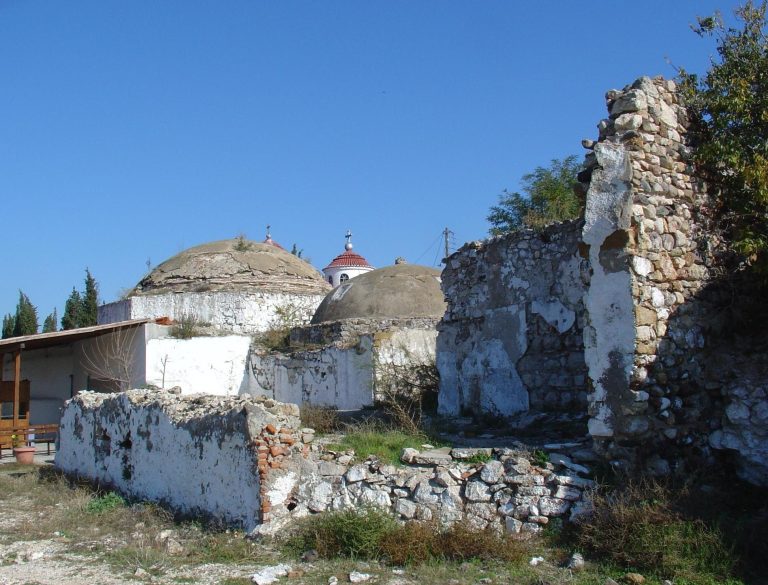
The Thermal Baths of Traianoupoli preserve evidence of a Roman provincial capital, Byzantine religious center, and later Ottoman way station shaped…
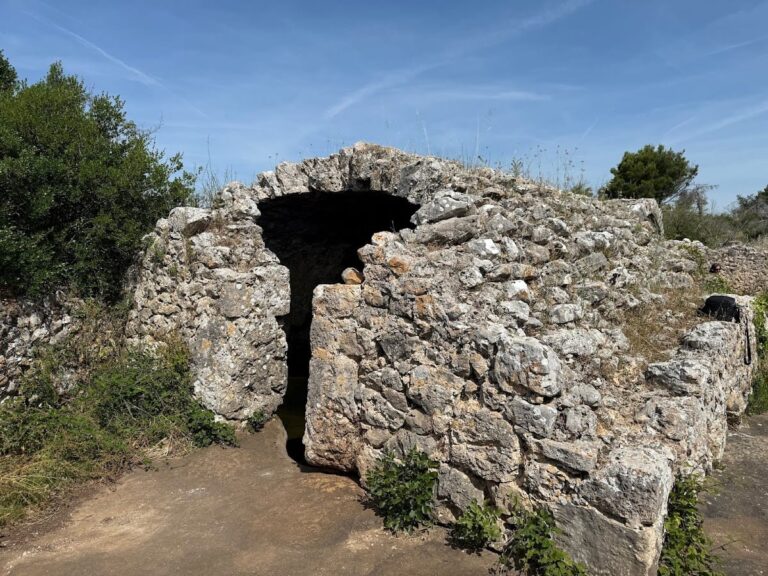
Velika Mrdakovica reveals the layered history of a Liburnian settlement that evolved under Roman influence, offering insights into ancient Adriatic…
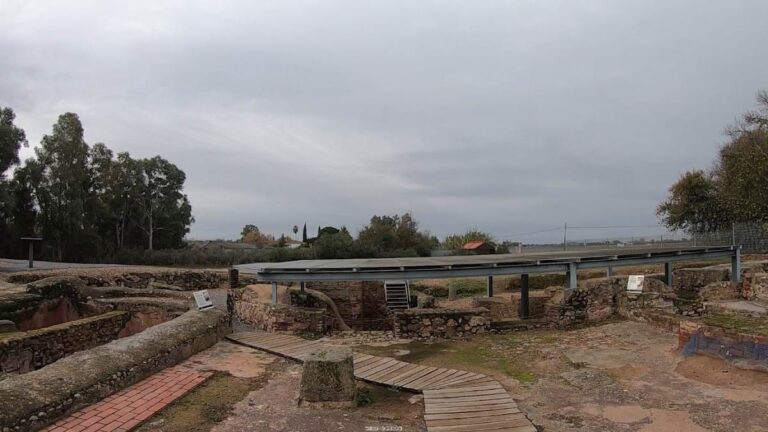
Villa Romana Torreáguila near Barbaño in Extremadura was a Roman rural settlement active from the first century AD into the early medieval period,…
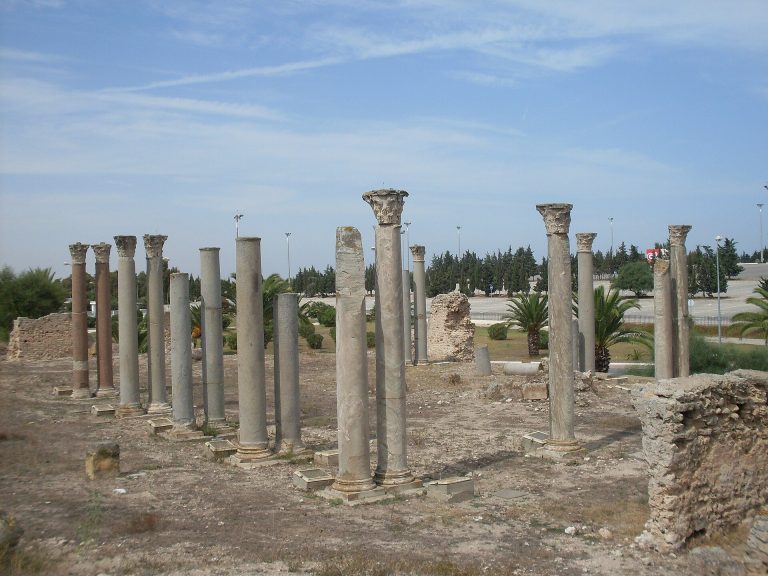
The Building with Columns of Carthage is a Roman-period ruin on Juno Hill whose date and function remain debated. Its remains include paired…
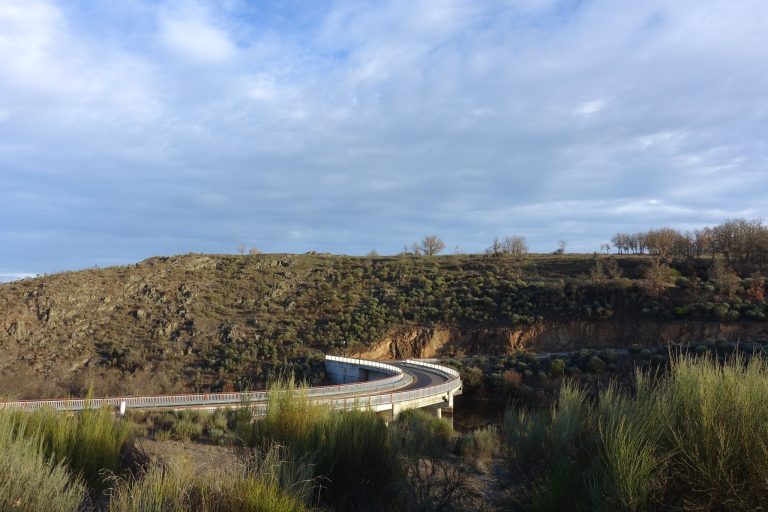
Castro de Irueña is a large Vettonian hillfort near Fuenteguinaldo in Salamanca Province, occupied from the Iron Age through the Roman and Visigothic…
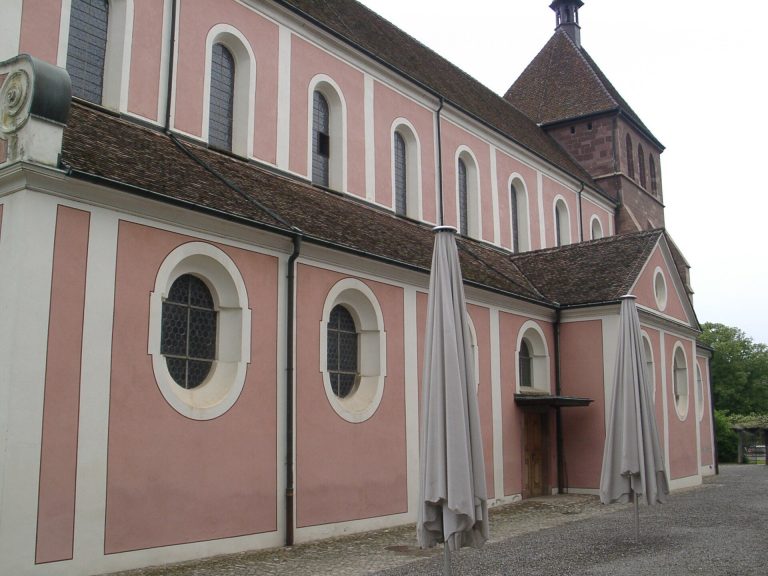
The former collegiate church of St. Verena in Bad Zurzach developed from a fifth-century funerary church into a medieval pilgrimage center and later…
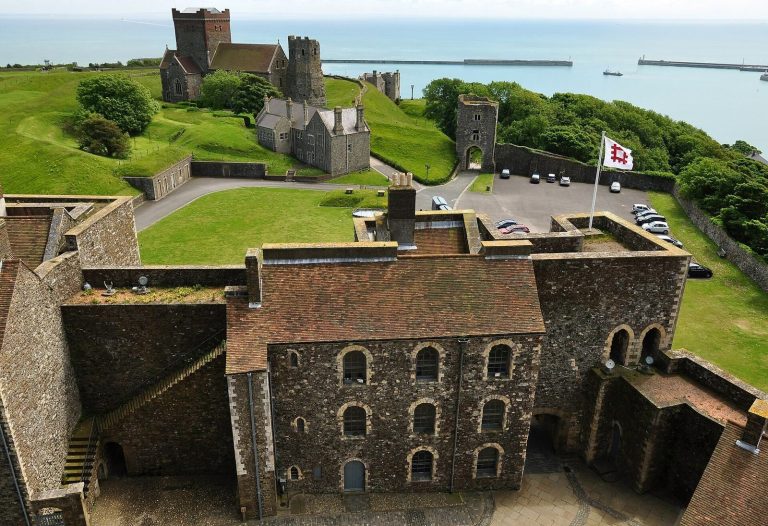
The Roman Painted House in Dover was an official hostel built around AD 200 at the Roman port of Dubris. Its preserved wall paintings, later…
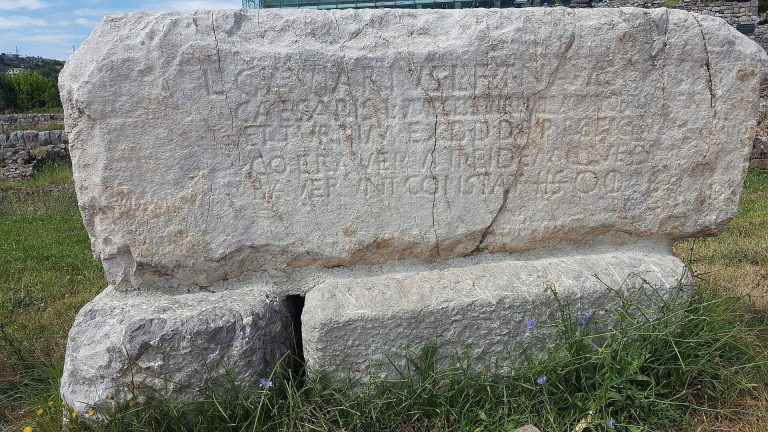
Saint Nicholas Church in Lezhë, Albania, is associated with the League of Lezhë, Skanderbeg’s burial, Ottoman conversion, and the surviving ruins of…
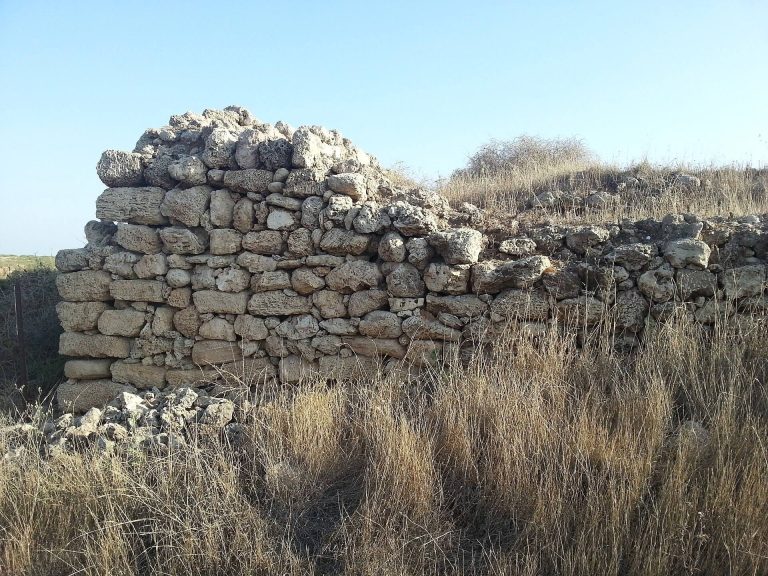
Tel Michal near Herzliya preserves evidence of settlements, forts, temples, industrial activity, burials, and coastal trade from the Middle Bronze…

The Roman city wall of Cologne enclosed the early settlement, serving as a protective barrier and controlling access to the colony along the Rhine…
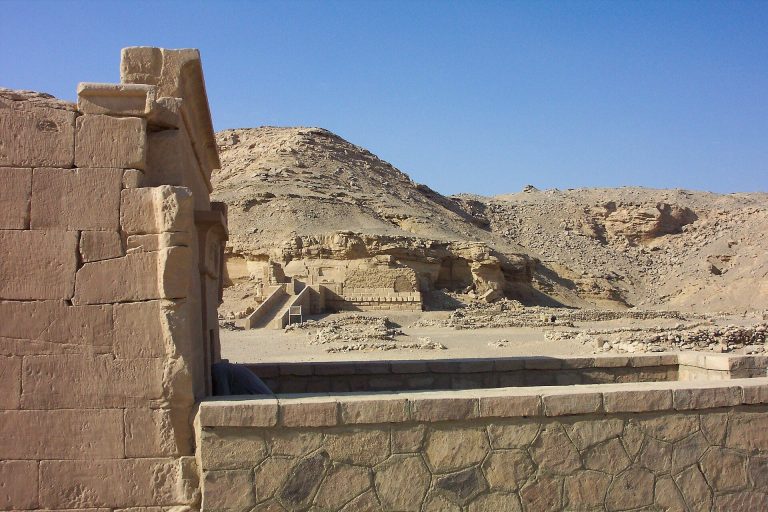
El Kab preserves the remains of Nekheb, an ancient Egyptian urban and religious center on the east bank of the Nile, with temples, tombs,…
For details on how to use the maps, which sites are included, how popularity and ratings are determined, and how sites are classified, see the help page.
On this page9 sections
Cities, streets and public squares
At Pompeii in Italy, paved streets connect houses, fountains, baths and public spaces across an extensive excavated town. Raised stepping stones cross the roadways, while pavements run beside building fronts. The water distribution system brought aqueduct water to public fountains, bathing establishments and private properties. These connected remains make it possible to follow everyday routes through the city, from a street crossing to the buildings supplied by the same water network.
Timgad in Algeria has a particularly clear planned centre. Its principal streets cross at right angles, dividing the original settlement into regular blocks around the forum. Limestone paving, colonnades and inscribed statue bases mark the routes and public square. Later neighbourhoods spread beyond the original enclosure with a less regular arrangement. The distinction between the planned core and its extensions can be traced through the streets and building plots.
Theatres and amphitheatres
The Roman theatre at Orange in France retains the high stage wall that enclosed the performance space opposite the hillside auditorium. Doorways admitted performers, while niches and surviving decorative fragments record a façade once faced with marble and sculpture. Much of the seating has been reconstructed, and the protective stage roof is modern; the great masonry wall remains the defining ancient structure.
At Aspendos in Turkey, the theatre also preserves its high stage building and semicircular seating. Its later history adds a specific change of use: the Seljuqs repaired the theatre and converted the stage building into a palace during the thirteenth century. The same building therefore contains the arrangement of a Roman performance venue and evidence of medieval residential adaptation.
The amphitheatre at El Jem in Tunisia surrounds an elliptical arena with freestanding stone arcades. Internal corridors and stairs distributed spectators around the building, while underground galleries and animal cells served events on the arena floor. Its surviving spaces extend from the public approaches to the service areas beneath the spectacle. Conservation has repaired vaults, stairs and parts of the seating, alongside the extensive ancient masonry.
Aqueduct bridges and water channels
The Pont du Gard in France carried the water supply towards Nîmes across the Gardon valley. Three tiers of arches support a covered channel at the top, with the major piers aligned through the lower levels. Projecting stone blocks on the façades supported construction scaffolding. The watercourse occupied only a small part of the bridge’s height: most of the masonry maintained the gentle gradient across the river below.
Tunisia’s Zaghouan aqueduct belonged to a much longer system supplying Carthage. Near the source, a spring sanctuary collected water beneath an artificial terrace. The conduit then followed the terrain at or below ground level where possible, rising onto arcades across lower ground. Surviving stretches around Oudna and Mohamedia illustrate that elevated construction. Later repairs reused parts of the route, while nineteenth-century work replaced damaged elevated sections with pipes.
Houses, courtyards and mosaic floors
The houses of Bulla Regia in Tunisia include underground residential floors lit and ventilated through open courtyards and other openings. In the House of the Hunt, vaulted lower rooms include a dining room beneath another dining space upstairs. These arrangements are often associated with shelter from heat, although their precise origins and purposes remain debated. The surviving vaults and courts reveal how substantial living accommodation could extend below street level.
At La Olmeda in Spain, rooms and galleries surround a central courtyard within a large late Roman villa. The principal reception room contains a figured mosaic showing the discovery of Achilles among the women of Skyros. Other rooms have geometric pavements, and heating installations served selected parts of the residence. The floors remain connected to the house plan, distinguishing a formal reception space from the galleries and smaller rooms around it.
Baths, pools and heated rooms
The Baths of Caracalla in Rome preserve towering masonry from a complex organised around swimming, cold bathing, warm rooms and a circular hot room. The principal bathing sequence lay on a central axis, with exercise areas and other rooms arranged symmetrically to either side. Large windows admitted sunlight to the hot room, supplementing the building’s heating system.
The wider enclosure also contained gardens, water storage and libraries. In a surviving library, niches along the walls held books. The remains therefore include spaces for exercise and reading as well as the halls and pools at the centre of the bathing establishment.
Temples and sanctuary courts
At Baalbek in Lebanon, gateways and successive courtyards lead towards the raised platform of the Temple of Jupiter. Six tall columns survive from its surrounding colonnade. The neighbouring Temple of Bacchus preserves much of its enclosed sanctuary, with tiers of niches framed by carved architectural decoration and an elaborate entrance. Its roof is lost, but the walls retain the division between the main hall and raised inner sanctuary. Conflict has caused damage at and around the archaeological property, where structural assessment and conservation remain necessary.
Frontier forts and garrison buildings
Housesteads Roman Fort in Britain occupies a rocky ridge on Hadrian’s Wall. Streets divide the enclosure into areas containing barracks, headquarters, granaries, a commander’s house and a hospital. The fort’s walls and gates enclose these internal building plans, with the northern side following a steep escarpment. Here, the collection includes the working layout of a frontier garrison: accommodation, administration and food storage within the same defended site.
This page presents a searchable overview of over 1,000 Roman archaeological sites, including theatres, amphitheatres, temples, baths, aqueducts, forums, city walls, and bridges. The material is organized by type and region. Each site is linked to a dedicated article containing historical context and a summary of surviving remains, where available. Particular attention is given to well-preserved examples of ancient Roman ruins. Together, these ruins contribute to a broader understanding of Roman imperial infrastructure, civic life, and architectural development.
Related articles
Explore the collection
Explore sites on the map or in the grid. Map icons reflect each site’s primary function, helping you identify different kinds of places at a glance. Narrow the results by country, primary function, site type or era, with additional filters for popularity and rating. Select a map marker to view the site’s details and open its article, or open the article from its grid entry.