Latest Additions
This page lists the most recently added ancient sites in the database. New entries are added regularly as the collection expands, with each site selected for having meaningful and visitable remains.
Entries are ordered by publication date, with the newest additions shown first.
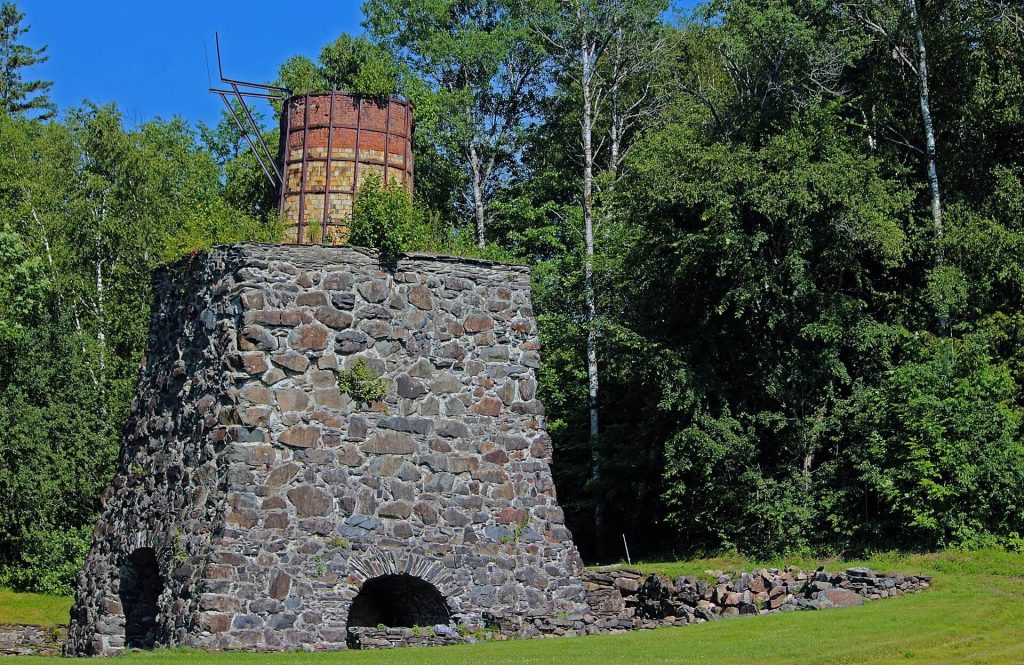
Katahdin Iron Works operated from 1845 to 1890 as a charcoal-fueled ironmaking settlement in Brownville, Maine. Its surviving blast furnace, charcoal kiln, building foundations, and surrounding landscape preserve the history of a major nineteenth-century industrial community.
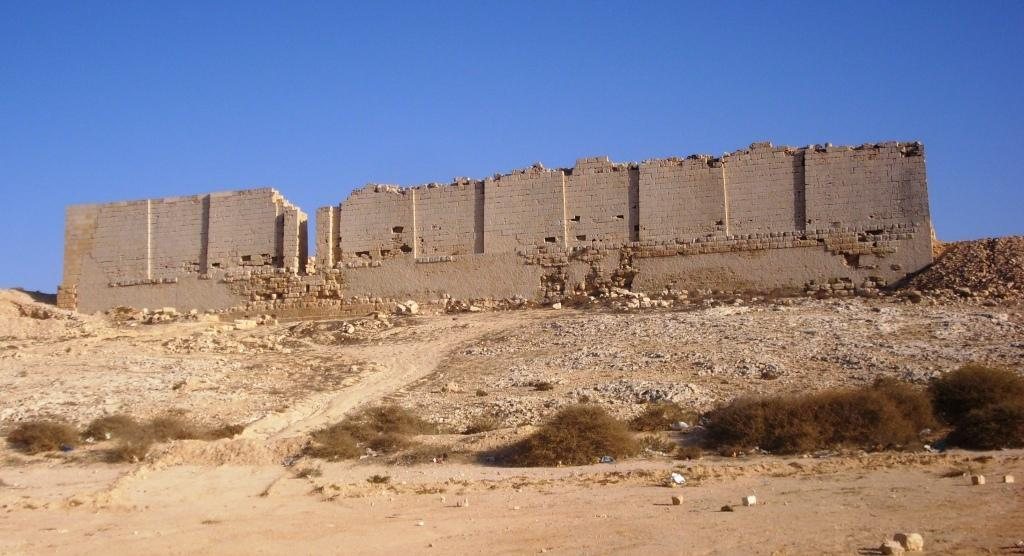
Taposiris Magna is a Ptolemaic-era religious and funerary site near Alexandria, founded between 280 and 270 BC. Its temple, necropolis, underground water tunnel, and possible links to Cleopatra VII continue to shape archaeological research.
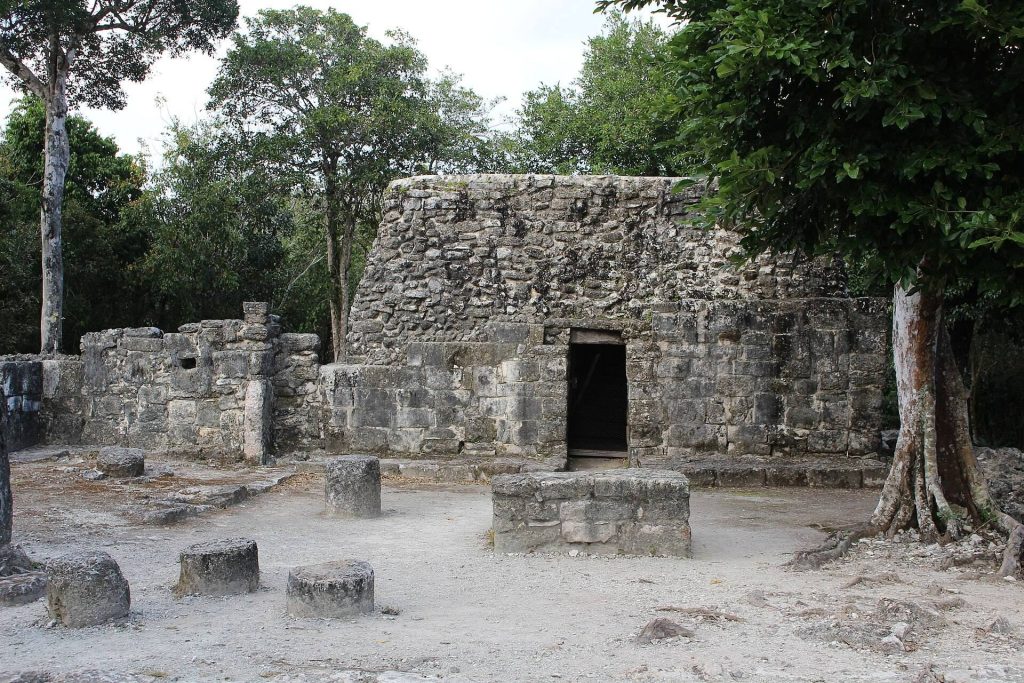
San Gervasio was a major pre-Columbian Maya settlement on Cozumel, developing from a small community into the island’s largest center and a network hub before Spanish contact.
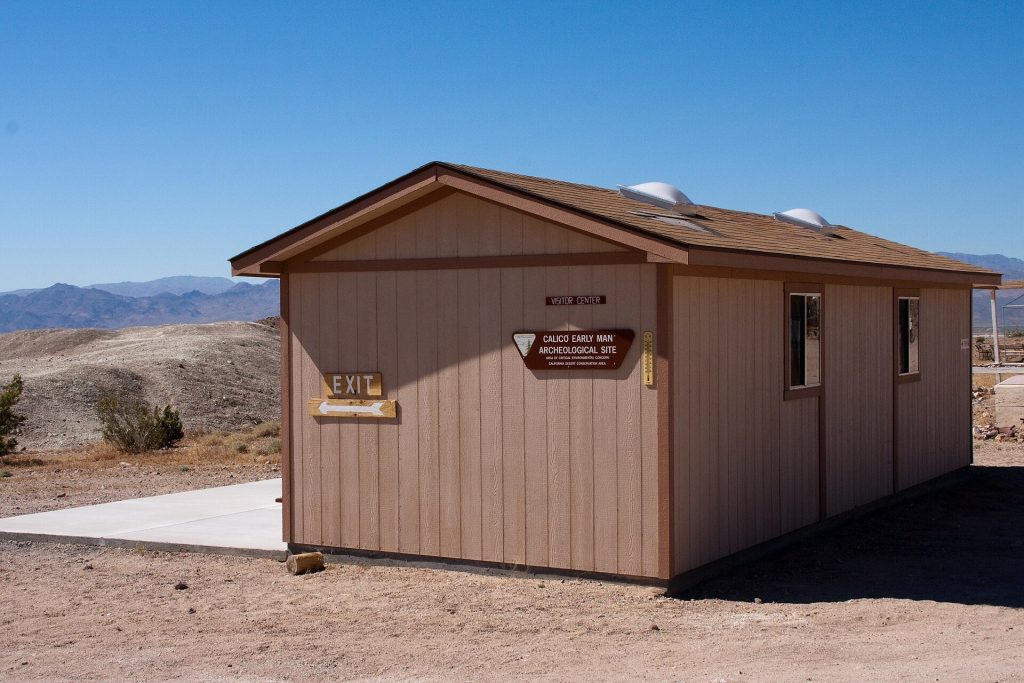
The Calico Early Man Site in the Mojave Desert preserves Pleistocene geological deposits and a controversial assemblage of stone objects whose human origin and great antiquity remain disputed.
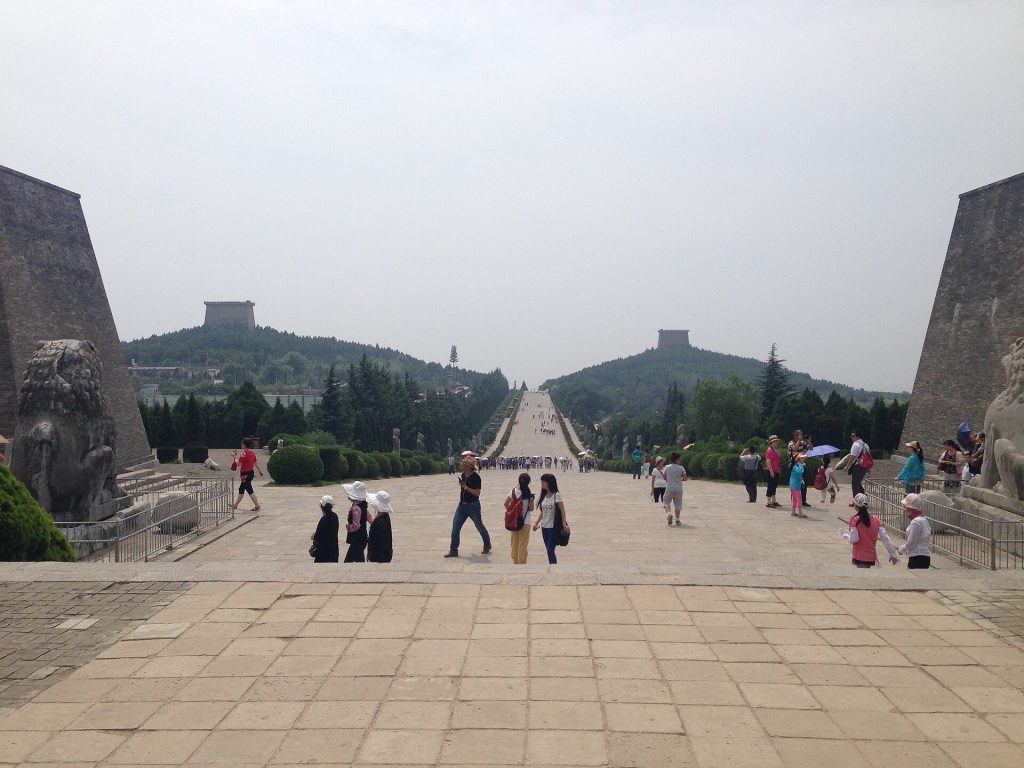
Qianling Mausoleum in Shaanxi is the shared burial place of Emperor Gaozong and Wu Zetian, with attendant tombs, ceremonial avenues, stone statues, inscriptions, and richly decorated underground chambers.
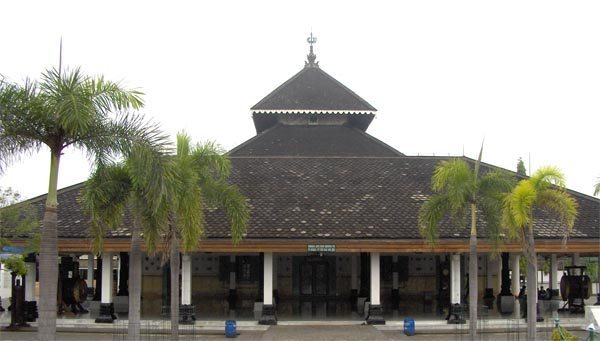
Demak Great Mosque in Central Java is one of Indonesia’s oldest mosques, traditionally associated with Raden Patah, the Wali Songo, and the rise of the Demak Sultanate.
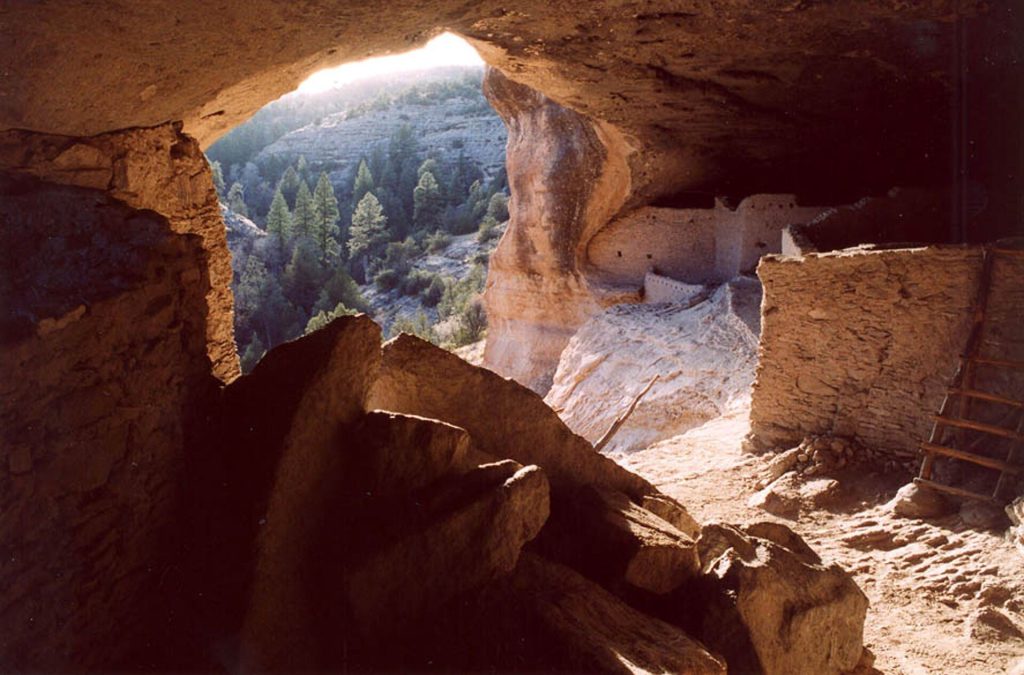
Gila Cliff Dwellings National Monument preserves Mogollon cliff dwellings, earlier settlements, and associated archaeological sites in the upper Gila region of southwestern New Mexico.
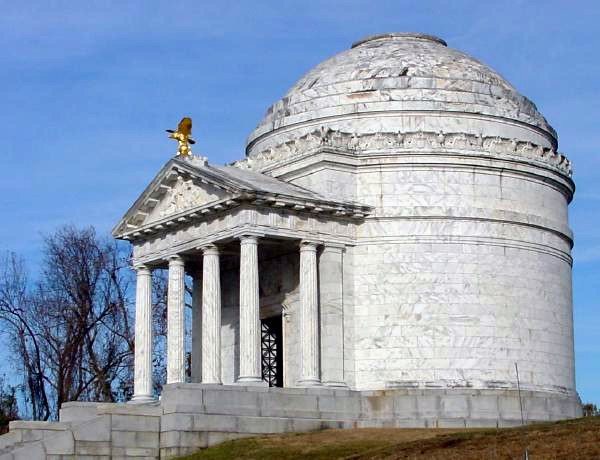
Vicksburg National Military Park preserves the battlefield of the 1863 Siege of Vicksburg, its defensive earthworks, monuments, cemetery, and the surviving remains of Grant’s Canal.
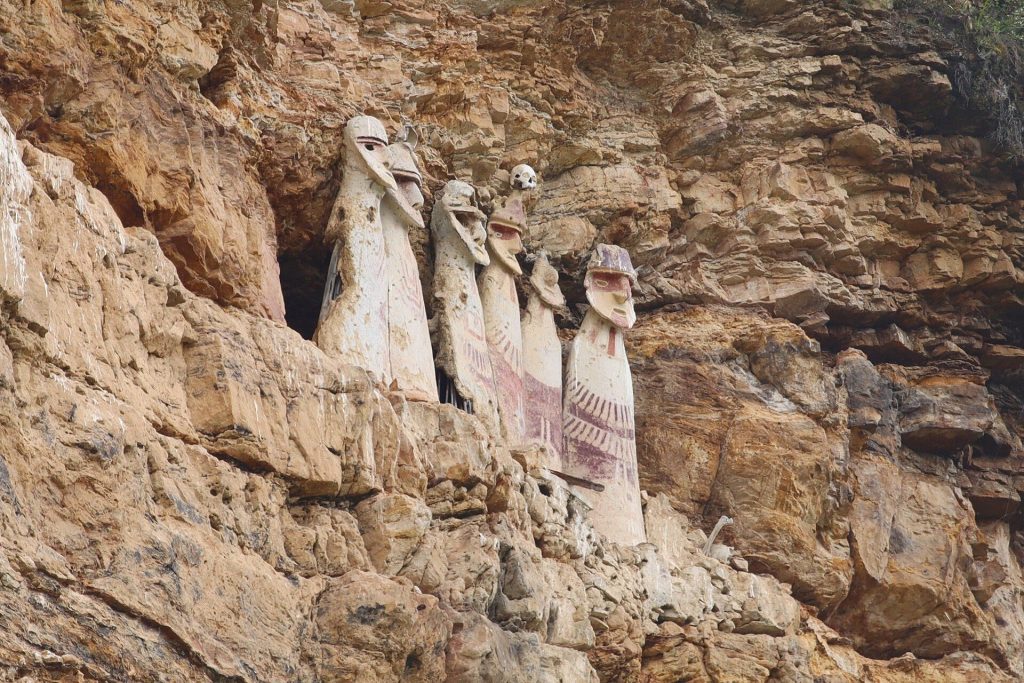
The Sarcophagi of Karajía are a Chachapoyas funerary complex in the Peruvian Andes, dated to around AD 1460. Set high in a ravine, the anthropomorphic coffins preserve evidence of burial practices, painted decoration, offerings, and beliefs about status and protection.
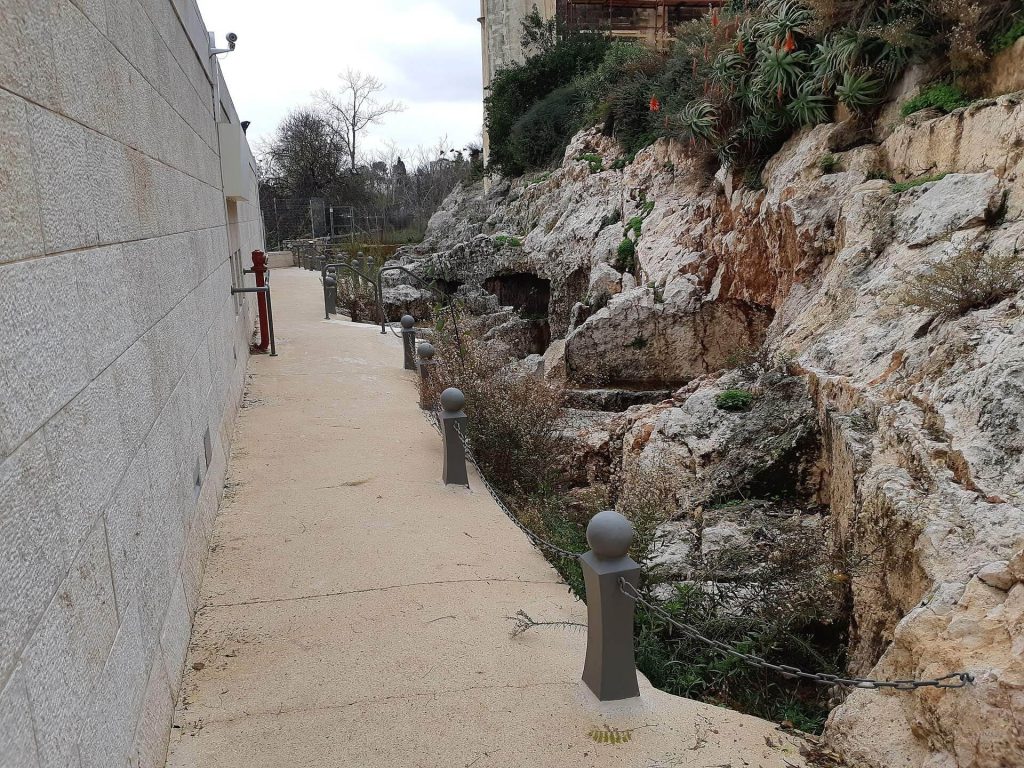
Ketef Hinnom is an ancient burial complex southwest of Jerusalem’s Old City, known for rock-hewn tombs and two silver scrolls preserving some of the oldest surviving biblical passages.
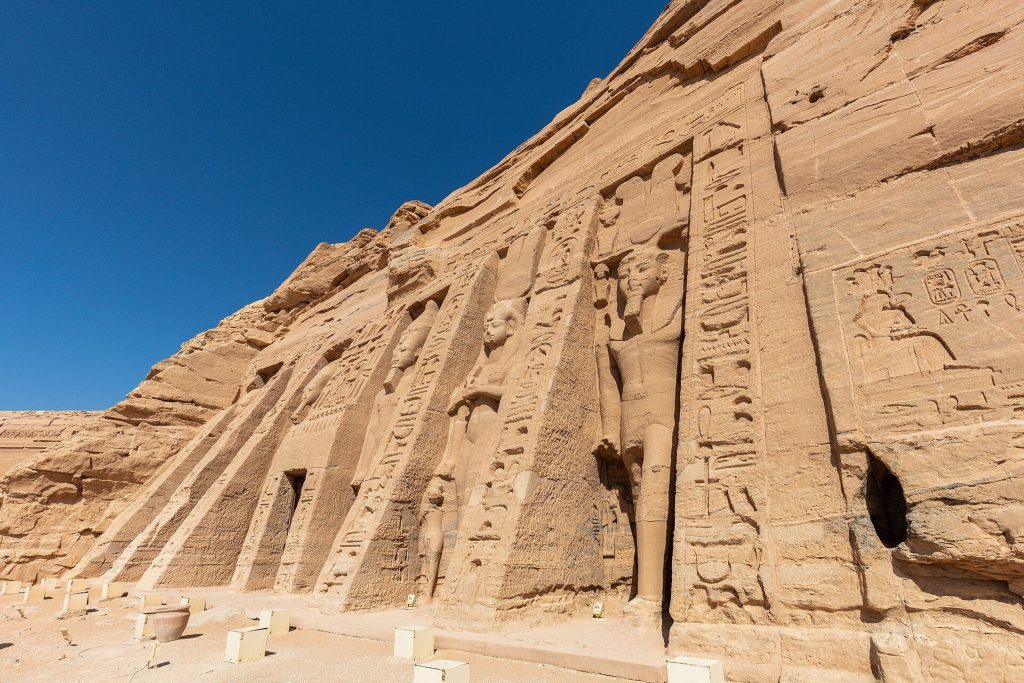
Built under Ramesses II, the Small Temple of Abu Simbel honored Queen Nefertari and Hathor of Ibchek. Its colossal statues, religious reliefs, and rock-cut sanctuary form part of the Nubian Monuments World Heritage site.
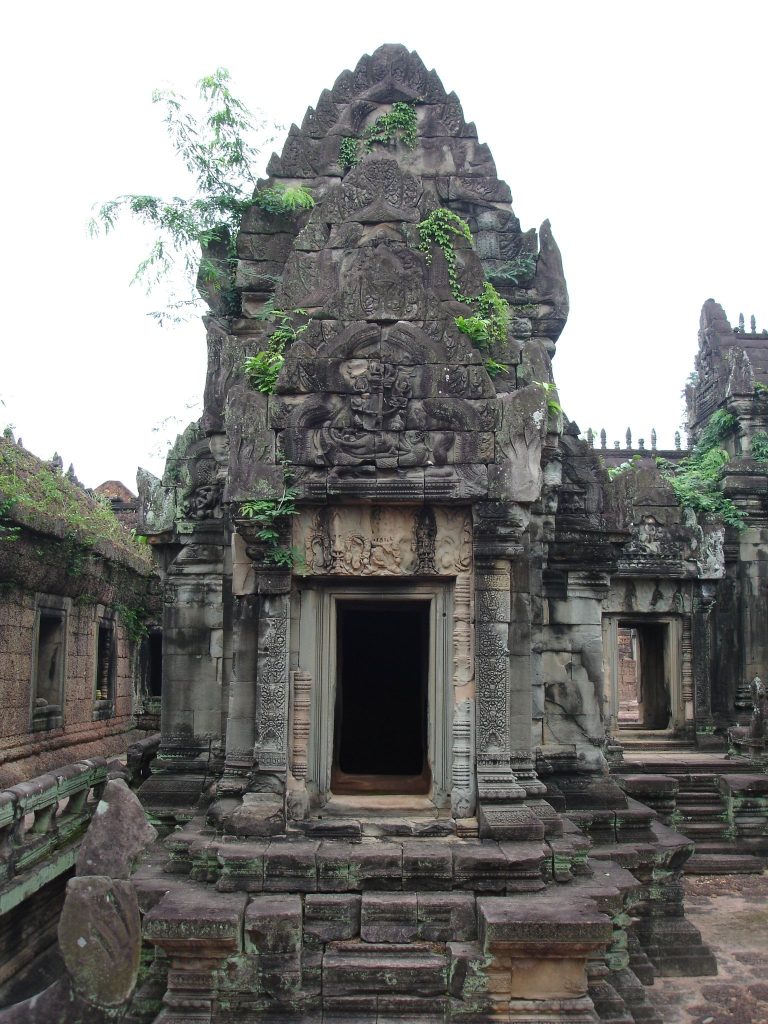
Banteay Samré is a twelfth-century Hindu temple complex in the Angkor region of Cambodia, associated with the reign of Suryavarman II and restored through an early complete use of anastylosis.
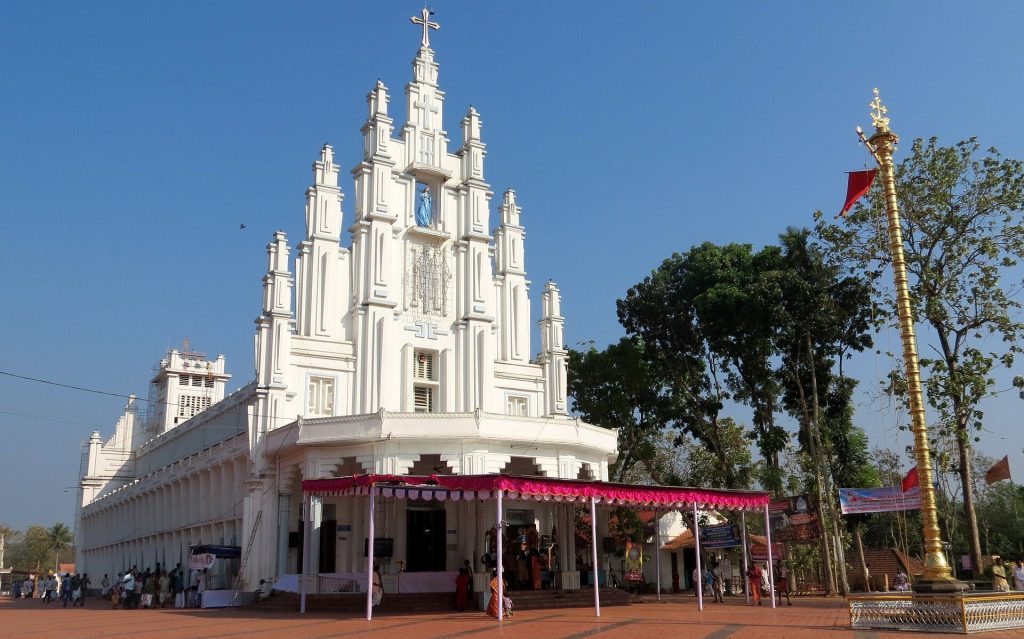
St. Mary's Church Athirampuzha was established in 835 and developed into a Syro-Malabar Catholic church complex with a Marian Main Church, a Saint Sebastian chapel, historic processions, and long-standing educational institutions.
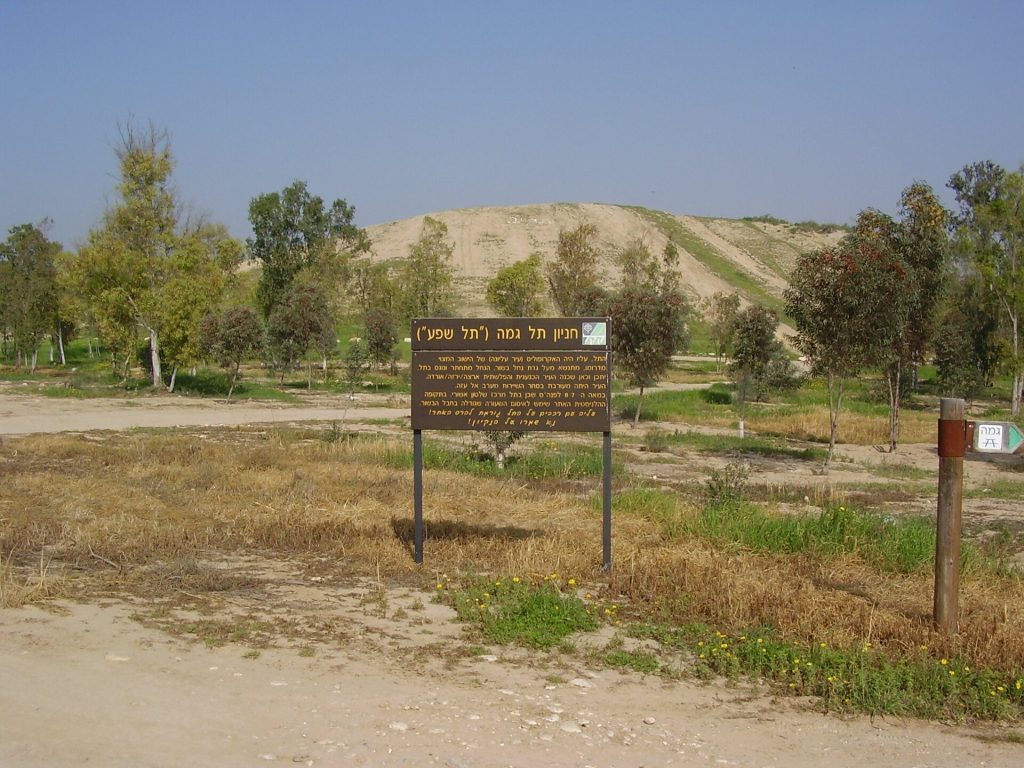
Tell Jemmeh is a major archaeological mound near Re'im in southern Israel, identified with the Canaanite city of Yursa and the Neo-Assyrian city of Arsa. Its remains trace occupation from the Chalcolithic period through the Hellenistic era.
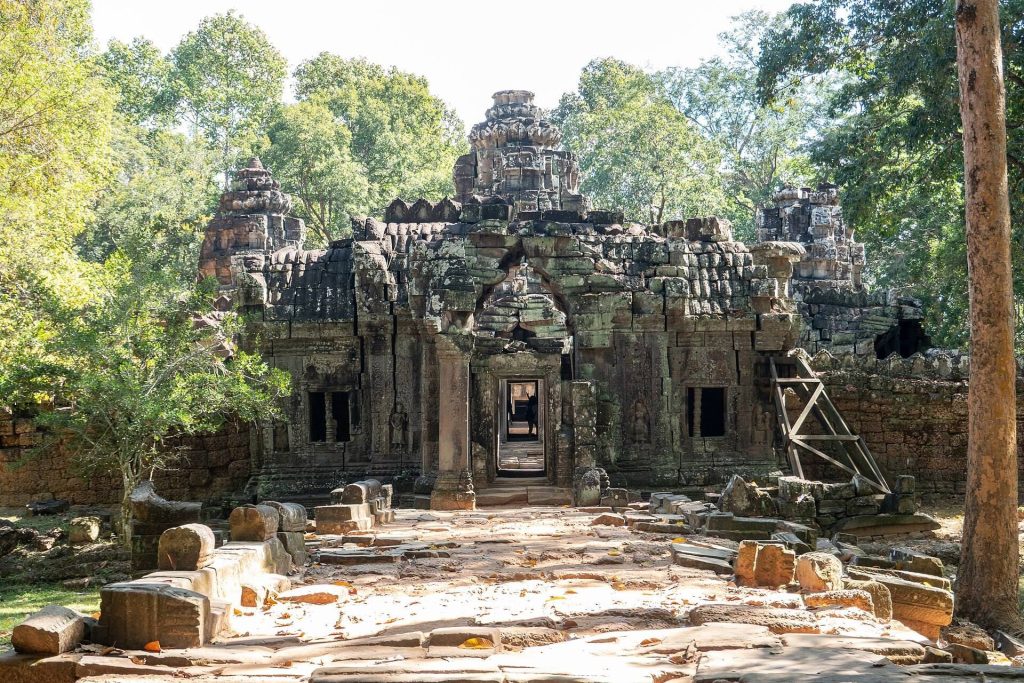
Ta Som is a late twelfth-century Buddhist temple built under Jayavarman VII at Angkor in Cambodia. Its inscriptions, enclosures, carved gateways, surviving sanctuary, and ongoing conservation reveal both its religious purpose and administrative role.
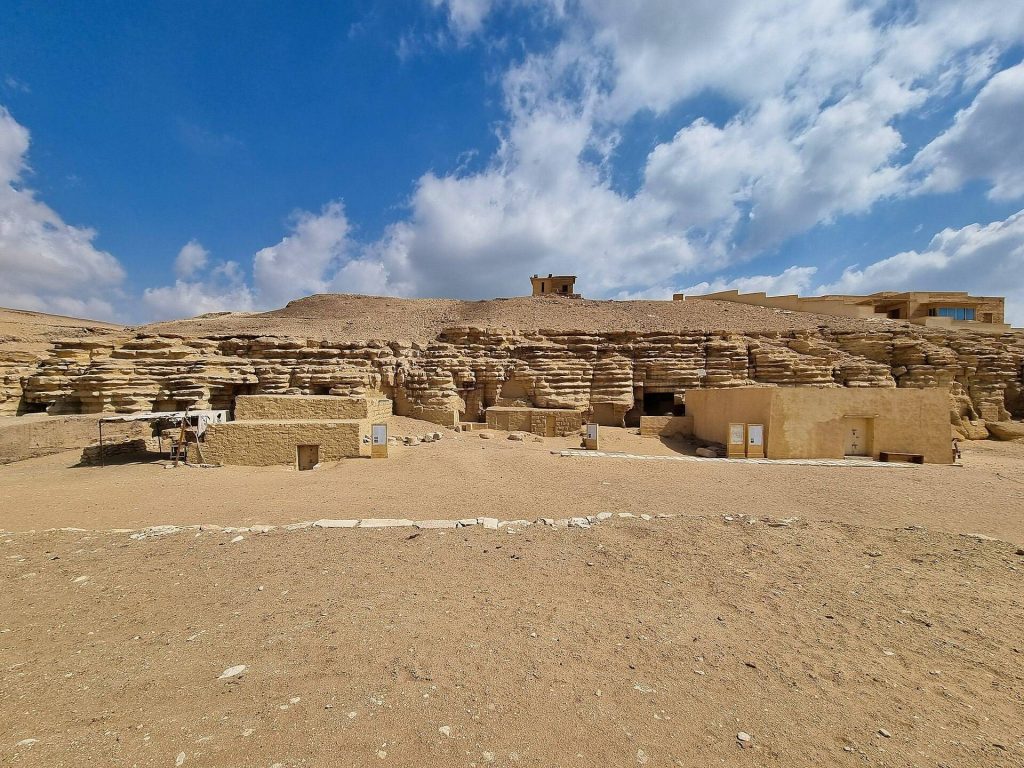
The Bubasteion of Saqqara was a sacred precinct dedicated to Bastet at the entrance to the Memphis necropolis, later incorporating elite tombs, catacombs, and a large feline cemetery.
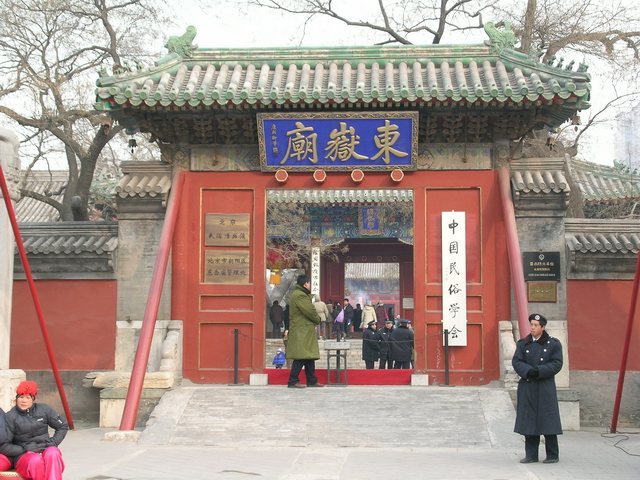
Beijing Dongyue Temple, founded in 1319 during the Yuan dynasty, developed into a major Zhengyi Daoist center devoted to Dongyue Dadi and now also houses the Beijing Folk Customs Museum.
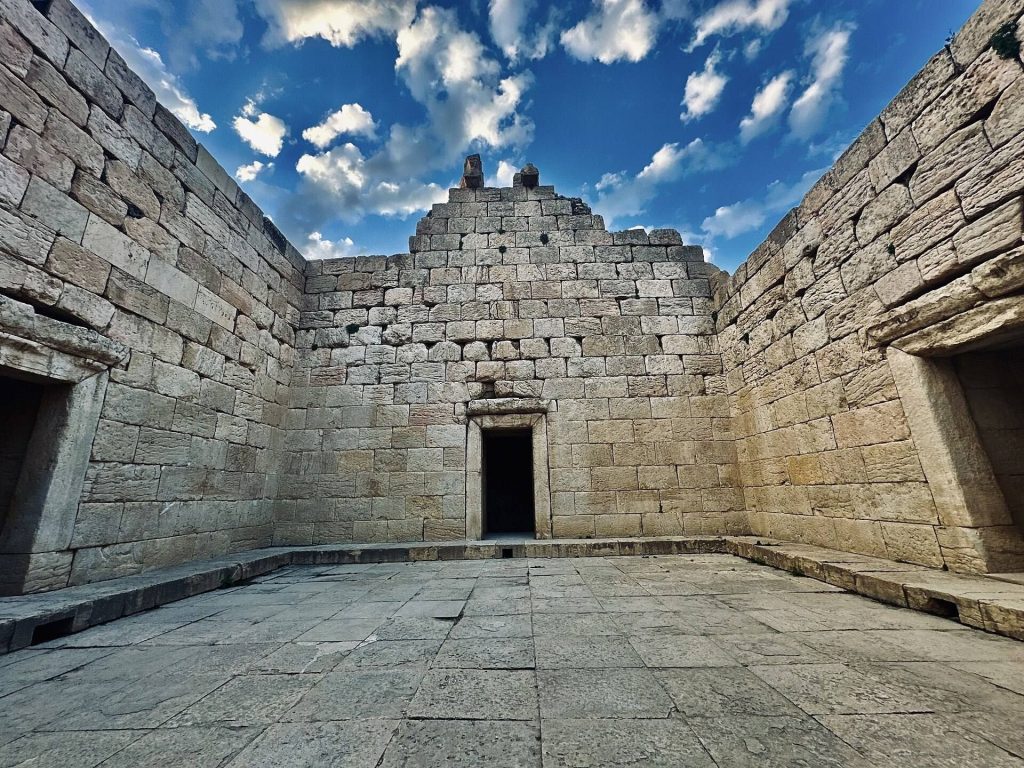
Bishapur was a major Sasanian city founded by Shapur I in AD 266 after his victory over Rome. Its grid plan, palaces, water temple, rock reliefs, and later Islamic buildings preserve the city’s long political and religious history.
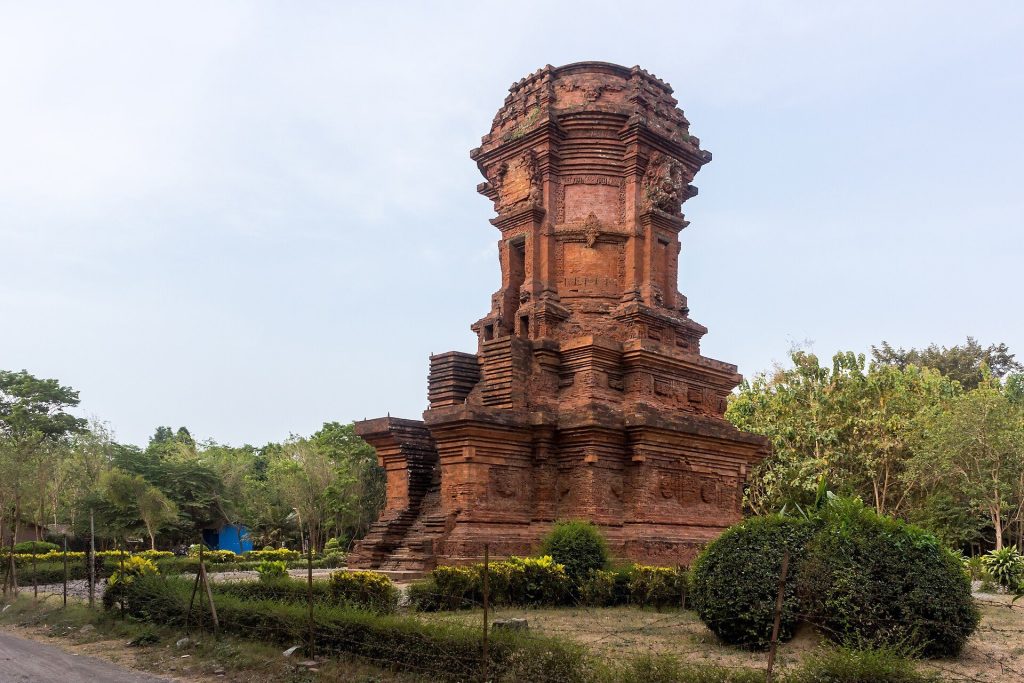
Jabung is a fourteenth-century Buddhist temple in East Java associated with ancestor veneration, the Majapahit royal world, and the memorial tradition of Bhre Gundul. Its red-brick architecture preserves carved reliefs, an inscribed date of 1354 CE, and a surviving corner tower.
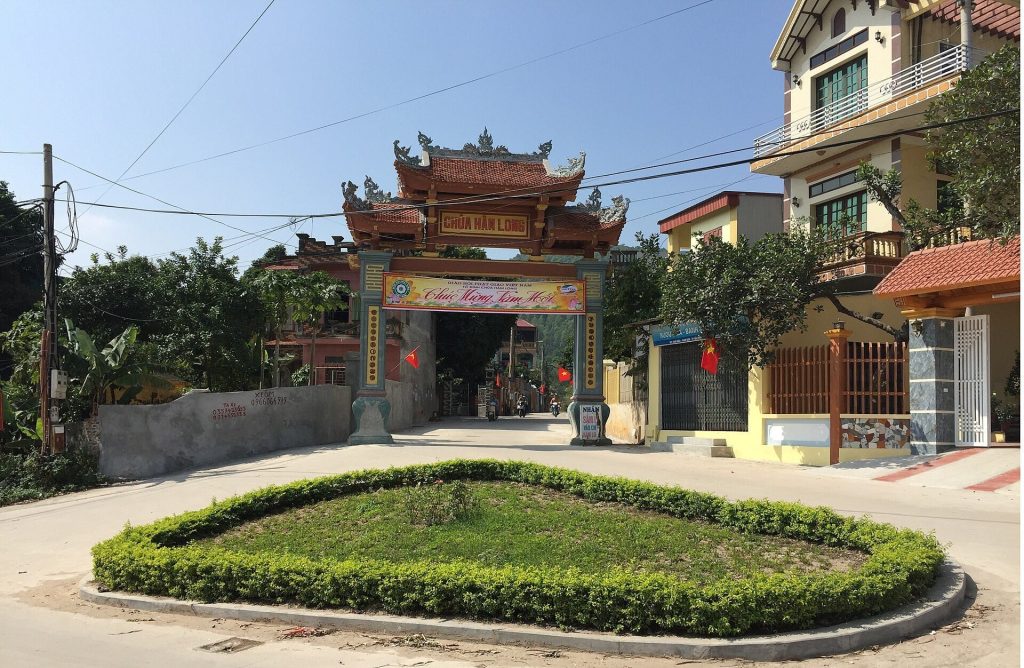
Ham Long Buddhist Temple in Bắc Ninh is a twelfth-century Buddhist foundation associated with Nguyễn Minh Không, Như Trừng Lân Giác, and the Lien Tong branch of Trúc Lâm Zen.
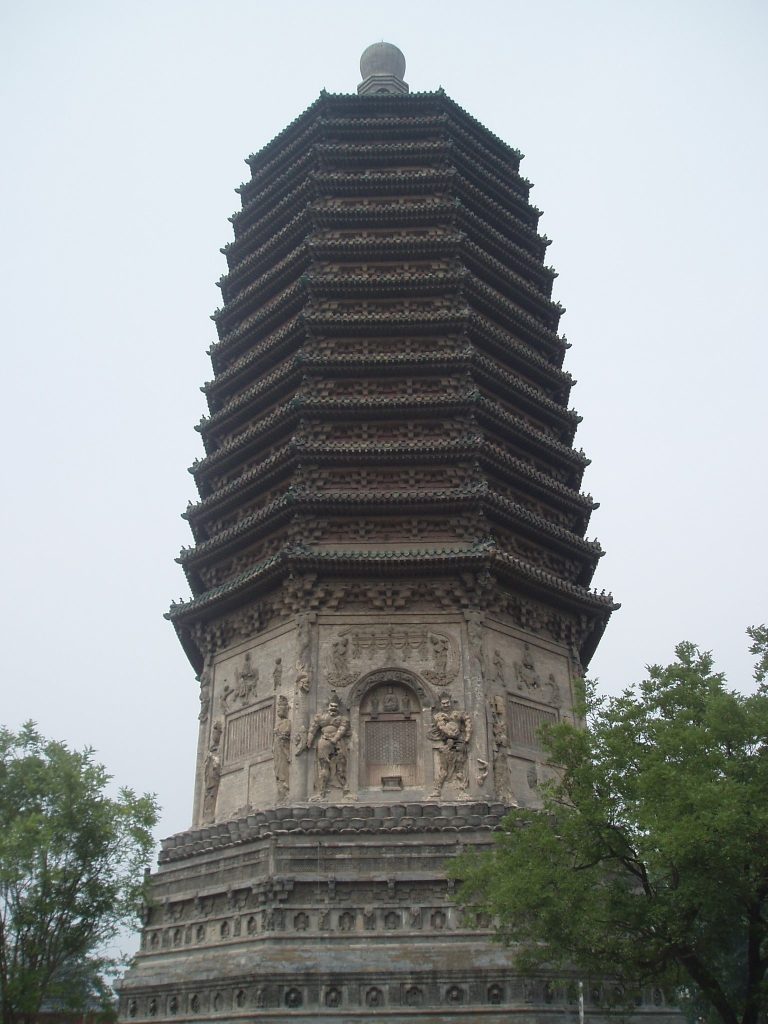
Tianning Temple in Beijing developed from the Liao-period Tianwang Temple and is organized around a 1119–1120 brick relic pagoda. Its history includes Ming and Qing rebuilding, severe twentieth-century damage, archaeological discoveries, and its revival as a Buddhist nunnery.
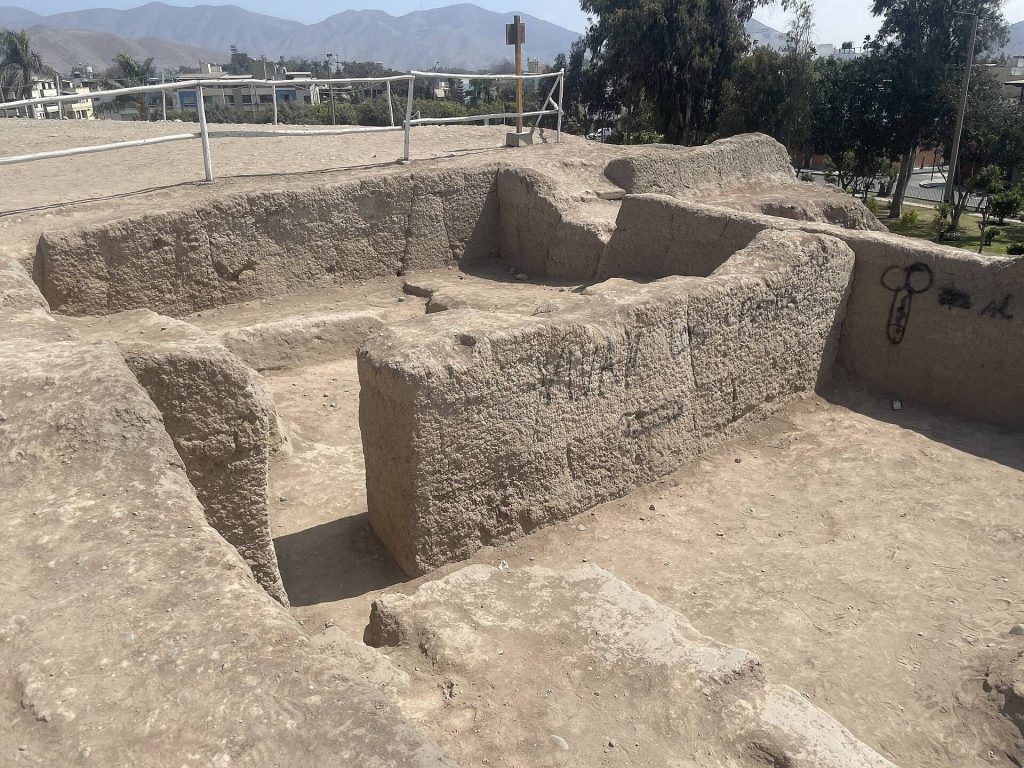
Huaca Melgarejo in La Molina, Lima, developed from a Lima culture temple into a cemetery and later an Ichma complex before its modern archaeological recovery.
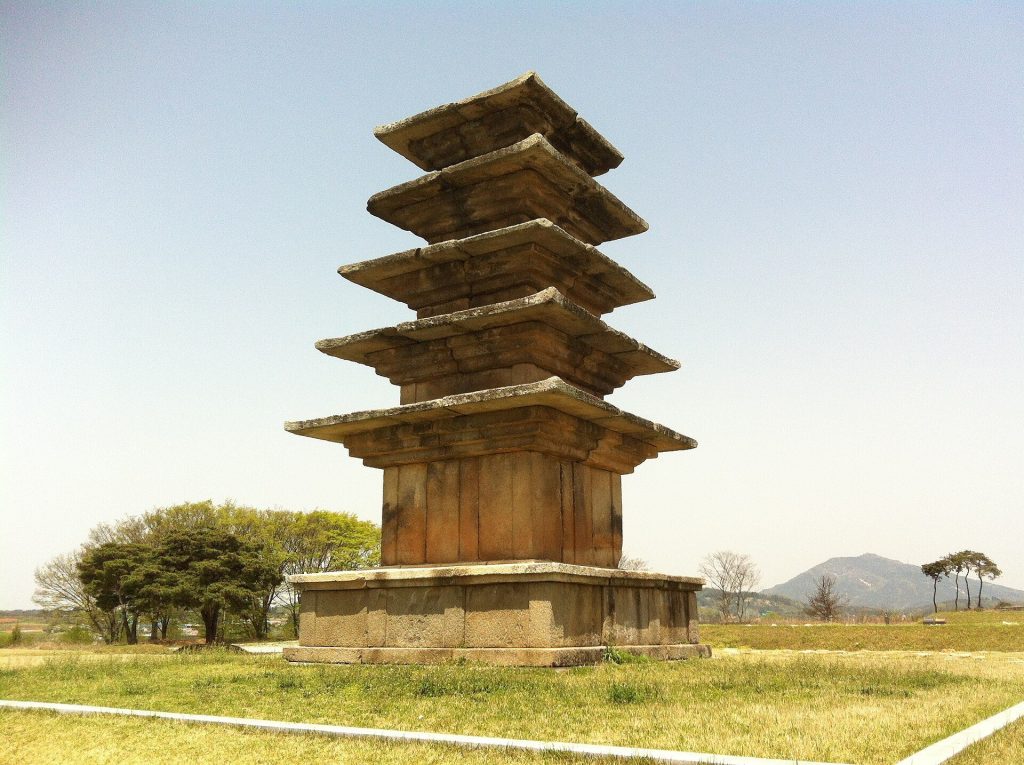
Wanggung-ri preserves the remains of a Baekje palace that later became a Buddhist temple, together with a Goryeo-period stone pagoda, workshops, gardens, toilets, fortifications, and thousands of excavated objects.
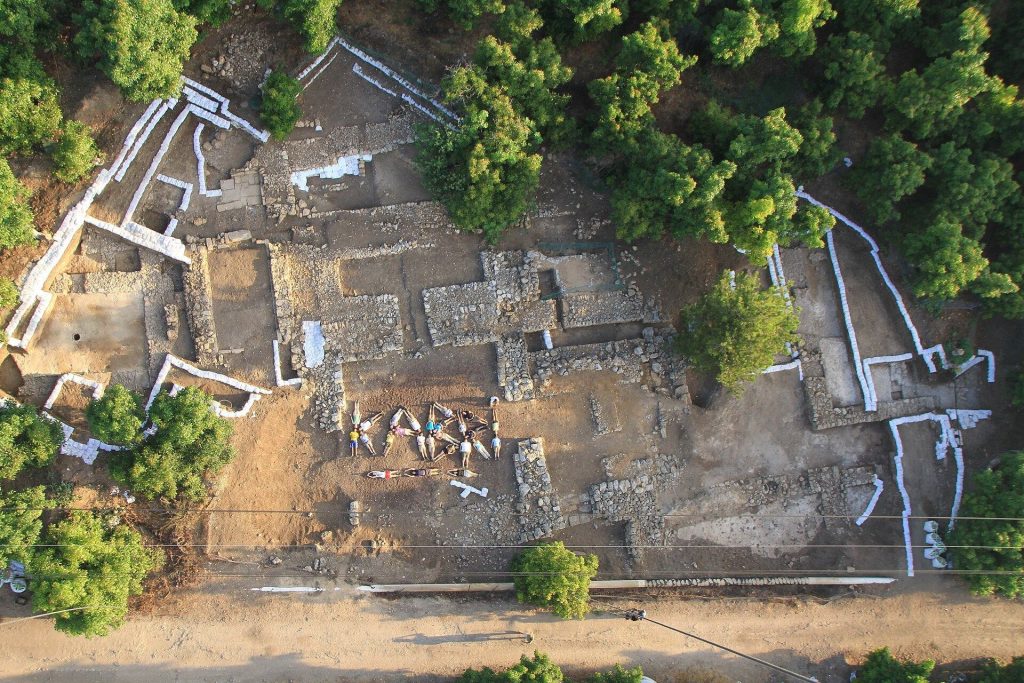
Tel Kabri is a multi-period settlement in Israel’s Western Upper Galilee, known for its Middle Bronze Age fortified city, large palaces, Minoan-style painted plaster, and evidence of long-term occupation from the Neolithic period onward.
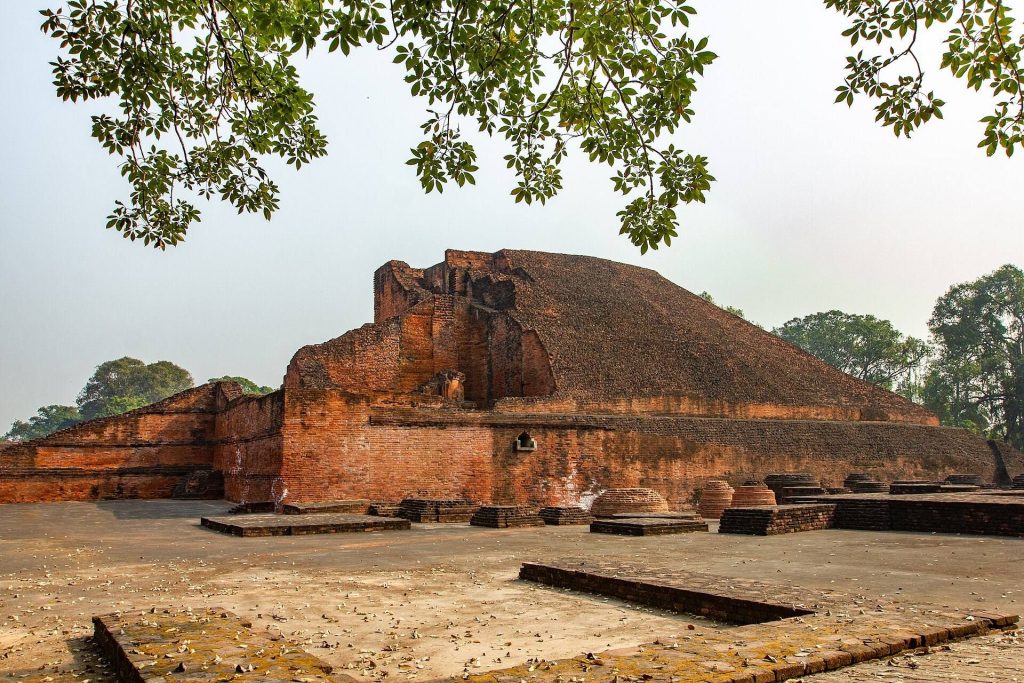
Nalanda Mahavihara in Bihar was a major Buddhist monastic and intellectual centre founded around 427 CE. It developed under Gupta and Pala patronage, attracted students and pilgrims from across Asia, and survives as an extensive archaeological complex of monasteries, temples, stupas, sculptures, inscriptions, and other remains.
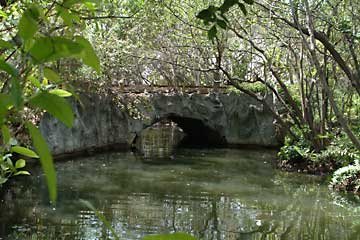
Arch Creek preserves the history of an Indigenous landscape, a nineteenth-century military trail, an early railroad community, and the efforts that protected its natural limestone bridge site in Miami-Dade County.
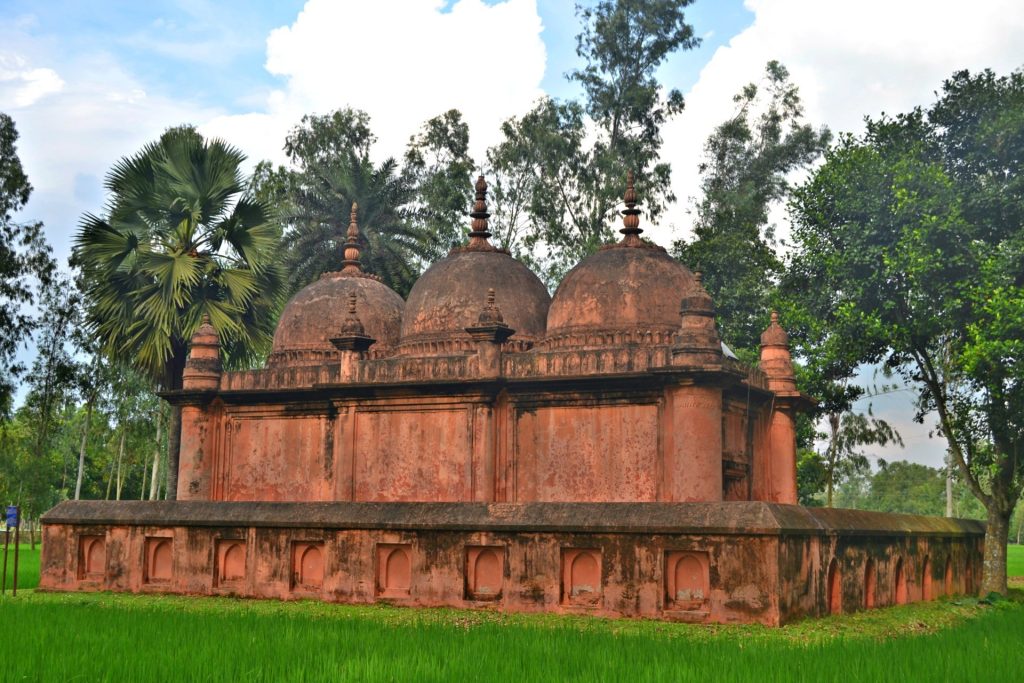
Mithapukur Bara Mosque is an early-nineteenth-century mosque in Rangpur District, Bangladesh, associated with the late Mughal period and distinguished by three domes, five entrances, ornamental terracotta work, and an enclosed courtyard.
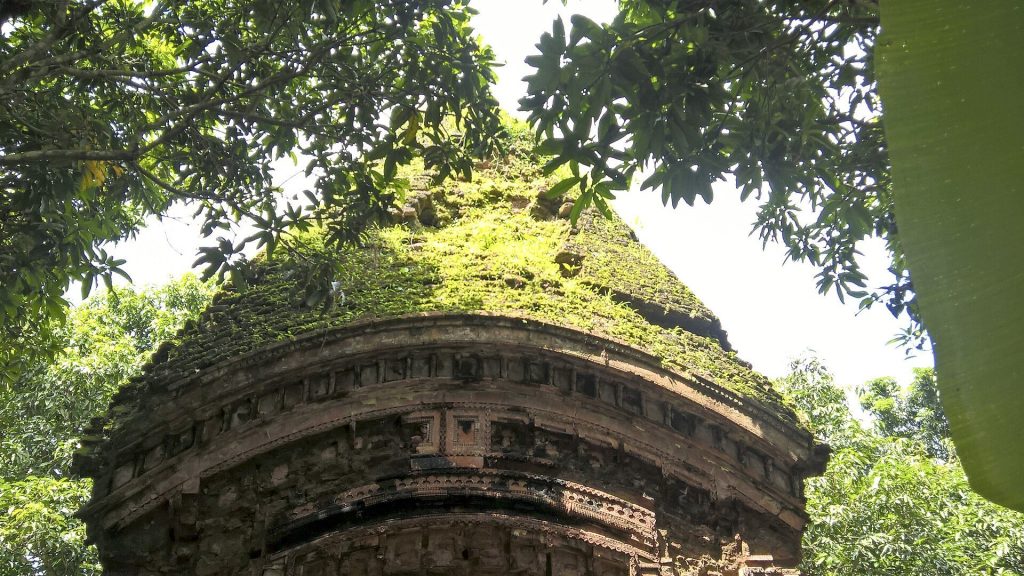
Krishnapur Gobinda Temple is an early nineteenth-century archaeological temple in Krishnapur, Puthia, Bangladesh, known locally as Salam’s Math and distinguished by its terracotta decoration.
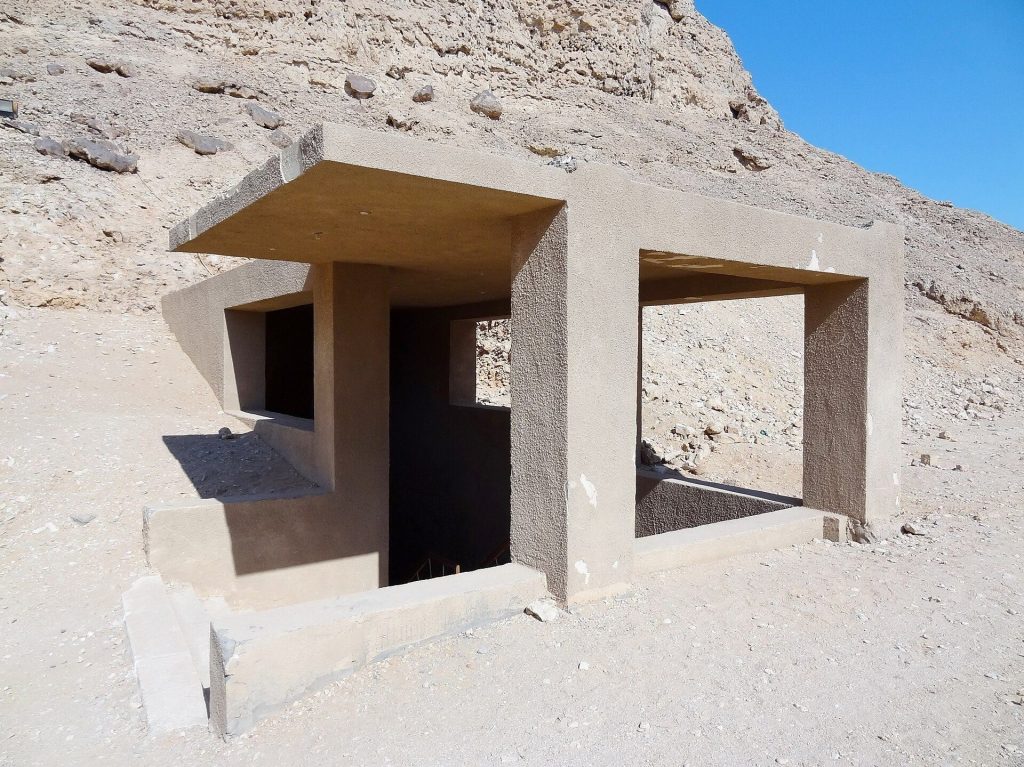
The Royal Tomb of Akhenaten at Amarna was created for the pharaoh and his family during the Eighteenth Dynasty. Its unfinished chambers, distinctive Atenist decoration, royal burials, and later destruction illuminate the religious and funerary changes of Akhenaten’s reign.
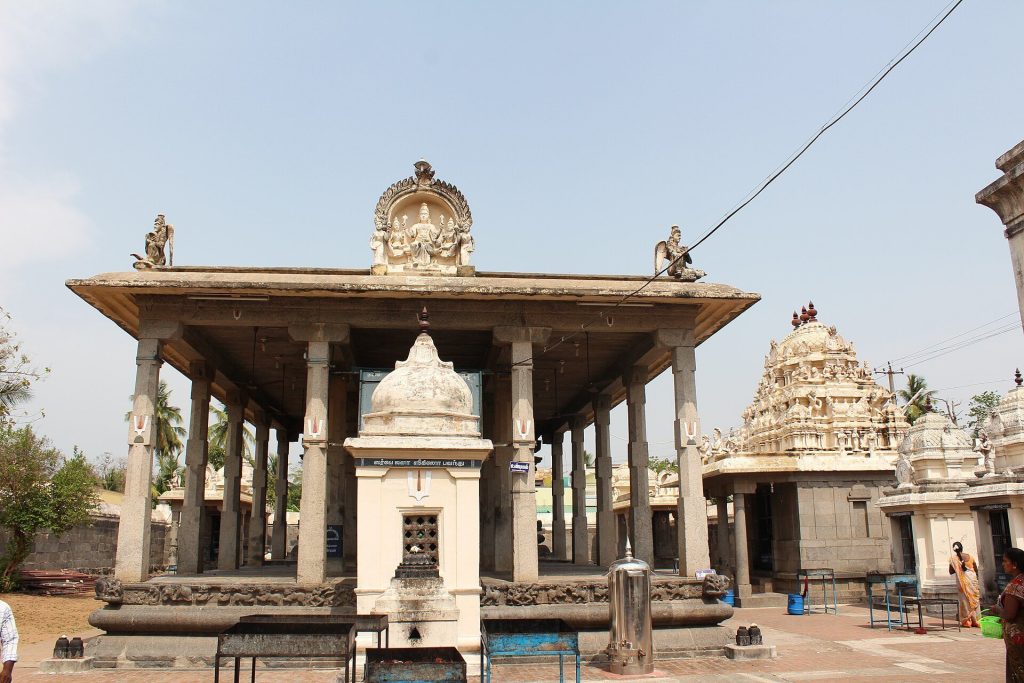
Varadharajaperumal Temple in Thirubuvanai is a 10th-century Chola temple associated with education, Vaishnava worship, and sculpted episodes from the Ramayana and Srimad Bhagavatam.