Roșia Montană: The Museum of Mining and Roman Galleries in Romania


Visitor Information
Google Rating: 4.2
Popularity: Low
Google Maps: View on Google Maps
Official Website: galeriileromane.ro
Country: Romania
Civilization: Roman
Remains: Economic

History
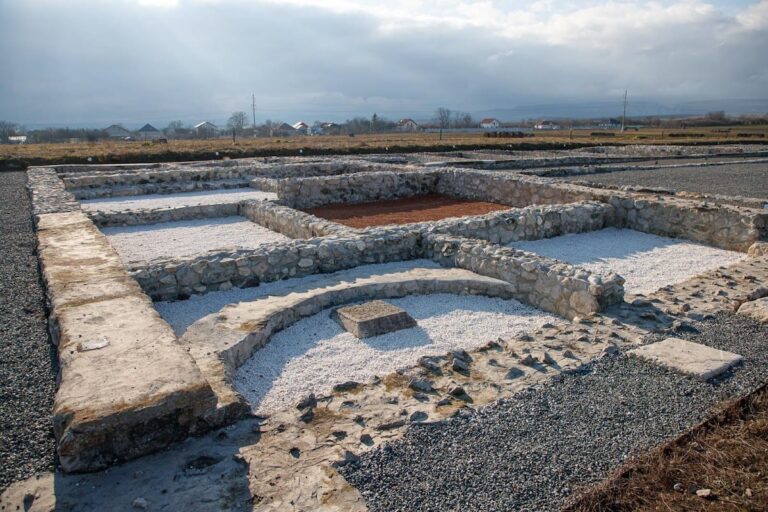
The Museum of Mining and the Roman Galleries is located in Roșia Montană, Romania, a site known in antiquity as Alburnus Maior. This area became a gold mining center following the Roman conquest of Dacia in 106 AD. The Romans established extensive mining operations here, which lasted for about 166 years until their withdrawal around 271 AD. Skilled miners from the Illyrian-Dalmatian region introduced advanced techniques, including treadmill-operated water wheels and trapezoidal underground galleries, to extract gold efficiently.
After the Roman period, mining activities ceased for some time but resumed during the medieval era under Hungarian rule. German colonists were brought in to develop the mines further. Later, during the 18th and 19th centuries under the Habsburg Empire, mining expanded significantly, turning Roșia Montană into a prosperous mining town with a mix of cultural influences.
In the 20th century, the mining industry was nationalized in 1948 under Romania’s communist regime. Mining continued despite environmental damage, and opposition to the industry was suppressed. In the early 2000s, plans by a Canadian company to use cyanide-based mining methods sparked protests at local and national levels. The Museum of Mining was opened in 1981 to honor 1850 years of documented mining history, based on a wax tablet dated February 6, 131 AD, which records mining activities. The site is now legally protected and listed as a UNESCO World Heritage Site in Danger since 2021 due to threats from modern mining.
Remains
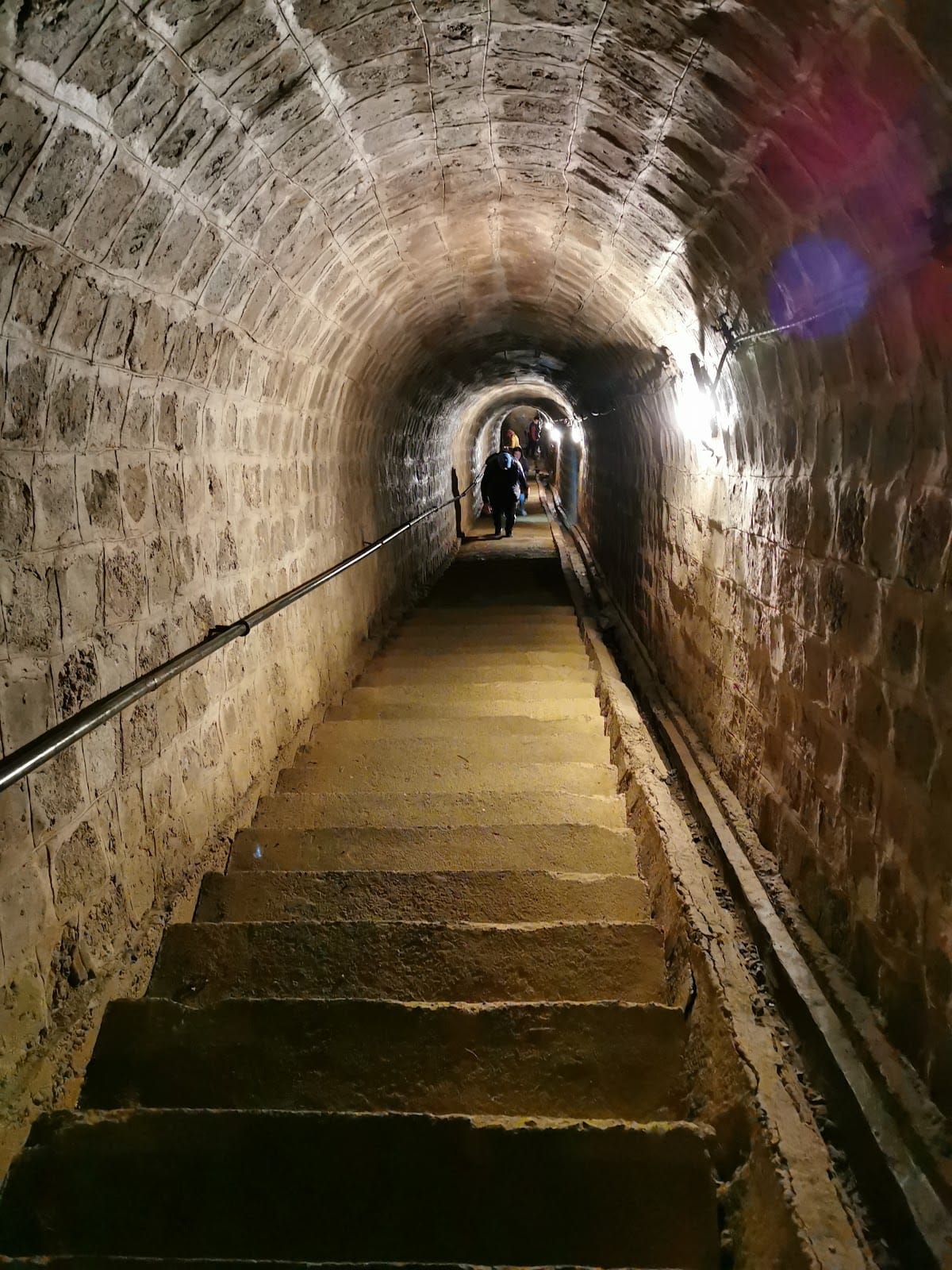
The site includes well-preserved Roman underground mining galleries located in the Orlea massif within the state mining exploitation area of Roșia Montană. Visitors can explore about 170 meters of these galleries, which are arranged on two underground levels. The galleries have a trapezoidal shape, measuring roughly 1.80 meters in height, 1.70 meters wide at the base, and narrowing to about 1 meter at the ceiling. The underground environment maintains a steady temperature between 7 and 10 degrees Celsius, with natural ventilation and humidity levels above 85 percent.
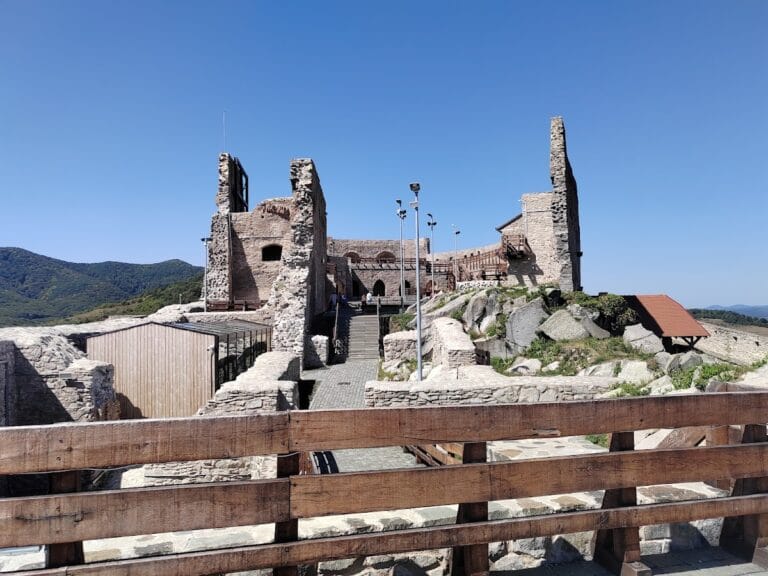
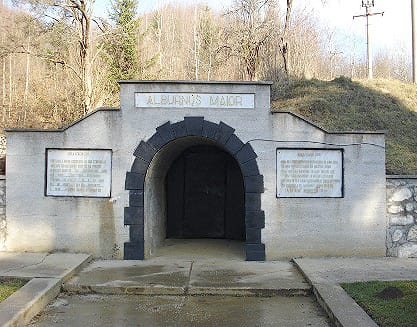
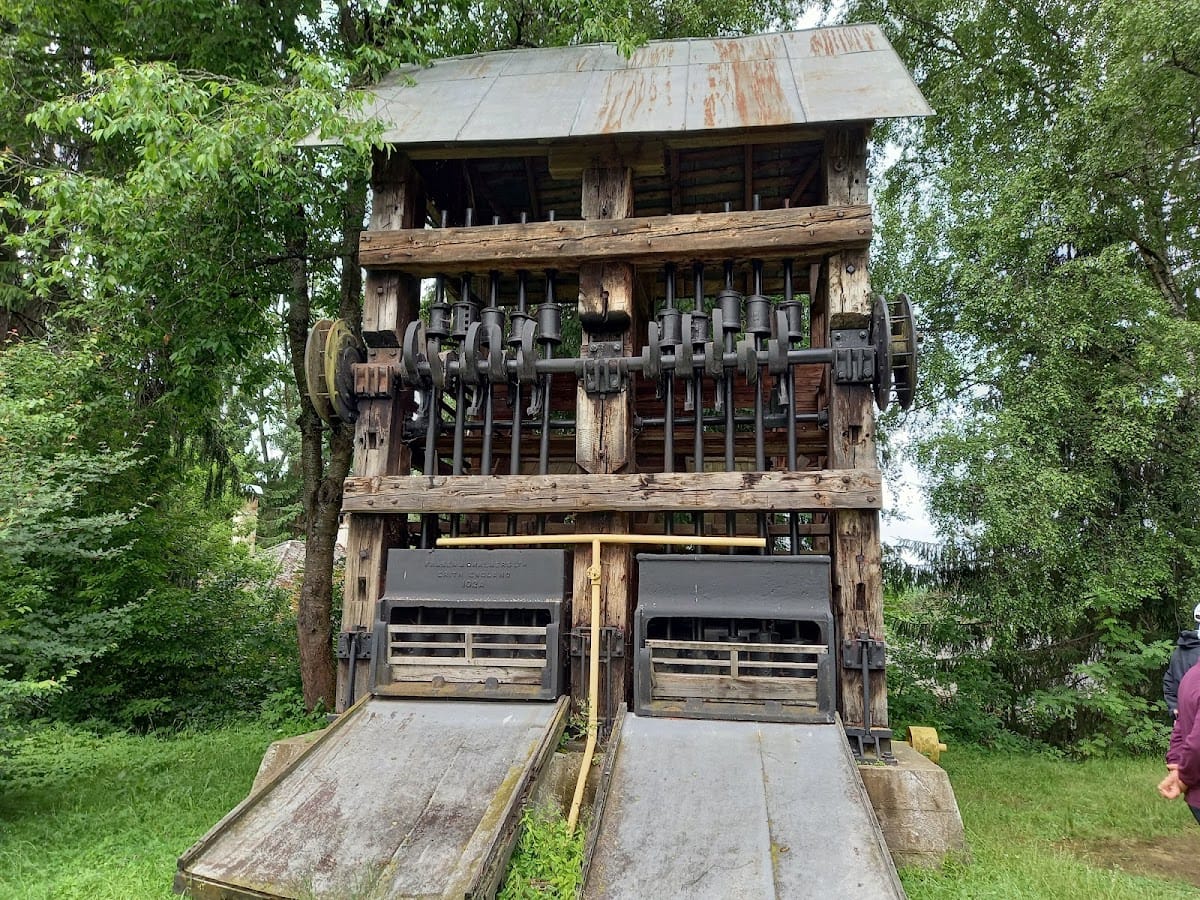
Access to the galleries is provided by a concrete portal and an inclined plane 53 meters long, featuring 157 concrete steps with handrails. This descent reaches approximately ten underground levels. The museum’s outdoor exhibition displays traditional and industrial mining tools, including wooden and iron stamp mills used for crushing ore, flotation installations from the mid-20th century for ore processing, and a lapidarium with original Roman funerary steles and votive altars discovered locally.
A photographic exhibition titled “Aurarii” presents around 150 black-and-white images documenting the long history of gold mining in the Roșia Montană valley. The Roman galleries are fully lit with electric lamps to facilitate exploration. Photography for personal use is permitted under certain conditions, while professional filming requires prior authorization and fees.