Château de Lacapelle-Marival: A Medieval and Renaissance Heritage Site in France


Visitor Information
Google Rating: 4.2
Popularity: Low
Google Maps: View on Google Maps
Country: France
Civilization: Unclassified
Remains: Military

History
The Château de Lacapelle-Marival is situated in the commune of Lacapelle-Marival in France. It originated within a medieval context established by local noble families and reflects the evolution of rural lordship during the Middle Ages and early modern period.
The earliest recorded reference to the site dates back to 1146, when Lacapelle was identified as a parish centered on a chapel with a small surrounding settlement. This community was then under the jurisdiction of the nearby village of St-Maurice-en-Quercy. Several decades later, in 1266, Géraud, son of Bertrand III de Cardaillac, was granted the lands of Lacapelle, marking the beginning of the Cardaillac-Lacapelle lineage. This transfer established a noble presence at Lacapelle, anchored by a residence that symbolized lordly authority in the rural landscape.
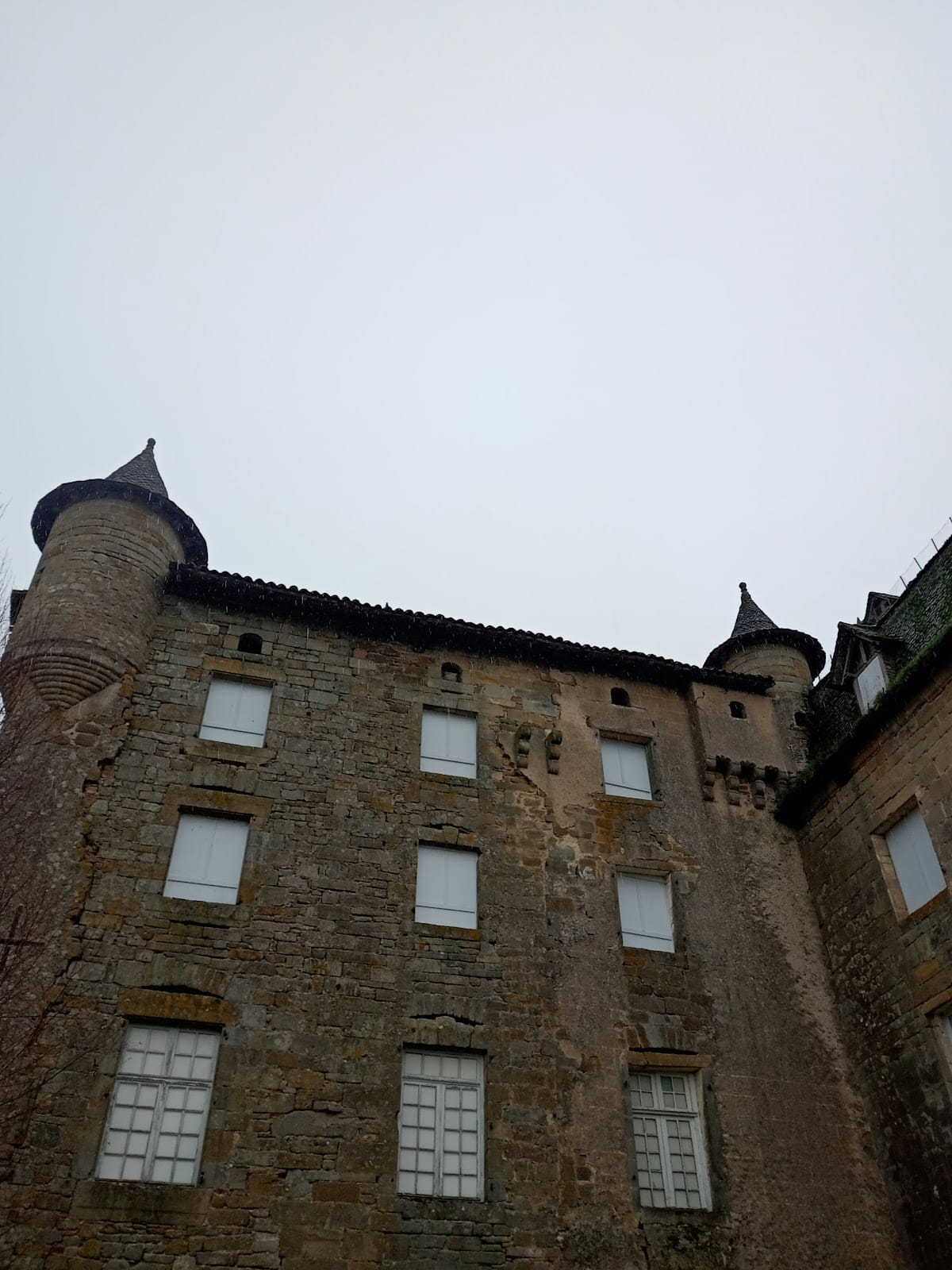
Major construction of the château as it largely stands today began in the 15th century. Around 1460, Guisbert de Cardaillac-Lacapelle initiated the building of the main tower-residence, a project continued and completed by his son Astorg by the century’s end, after the conclusion of the Hundred Years’ War. The château was intentionally designed as a tower-residence rather than a true fortress. While it projected the status of its owners, it was not primarily intended for military defense.
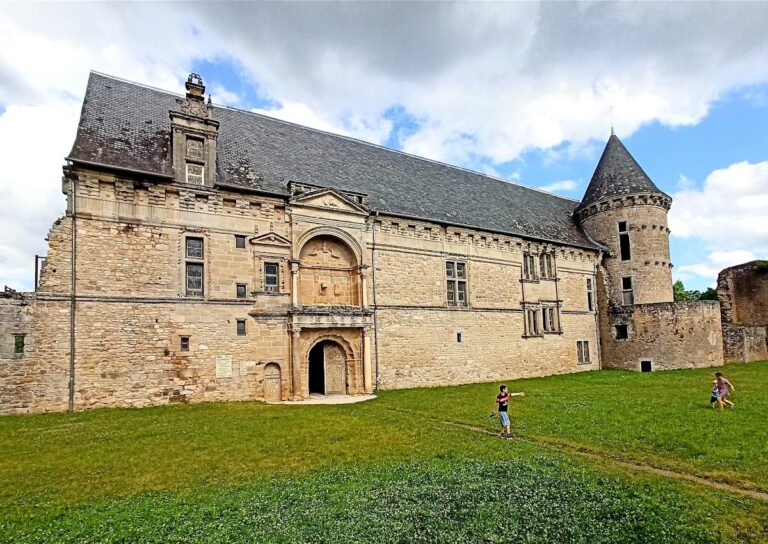
During the 16th century, the château was expanded with the addition of a Renaissance wing beginning circa 1520. This wing incorporated two older towers but eventually fell into ruin by the 17th century. After changing hands in the early 18th century, the new owner, Marshal de La Devèze, undertook significant renovations around 1732. These included rebuilding the Renaissance section with larger windows, a second floor, and additional architectural features such as a pavilion with a staircase.
In 1663, the château came under military pressure during a siege by royal troops. This event followed Elizabeth de Pluvinel’s refusal to comply with a parliamentary ruling. Evidence of this confrontation remains visible through musket ball marks on the building facade. The château’s role in this episode reflects its continued significance in local noble and political affairs.
Recognized for its historical and architectural importance, the Château de Lacapelle-Marival was officially classified as a historic monument in 1939. More recently, in 2023, a restoration study was launched by the regional cultural authorities. Today, the château belongs to the local commune and serves municipal functions while retaining its presence as a heritage site.
Remains
The Château de Lacapelle-Marival is centered on a substantial tower-residence built in the 15th century. The main structure is approximately 18 meters square and rises through seven levels, from the cellar up to a battlement walkway crowning the tower. Access to these upper floors was originally provided by a stair tower attached to the western side, which no longer survives but still shows traces of its former attachment in the masonry. Excavations conducted by 2017 clarified the tower’s layout, confirming its footprint and internal arrangements.
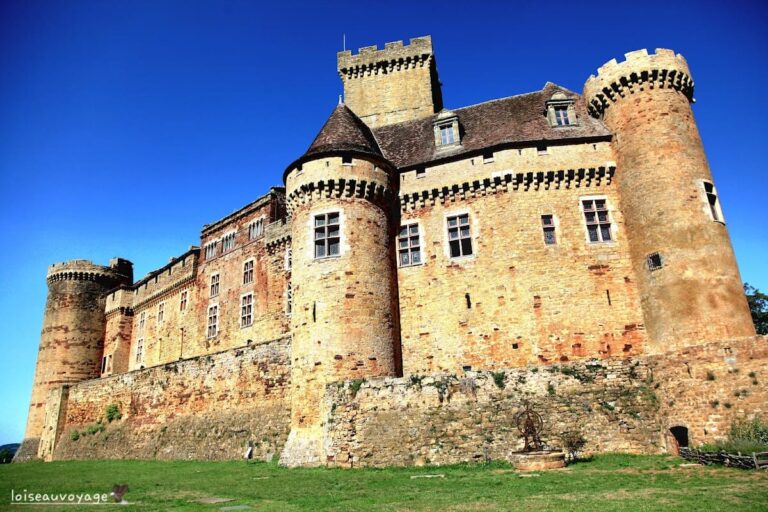
The tower’s silhouette is defined by four small corner turrets, known as échauguettes. These are supported by stone corbels projecting beneath them and stand along the battlement walk, which itself is equipped with a machicolation—a projecting overhang with openings meant for dropping defensive materials in fortified castles. However, at Lacapelle-Marival, these features served more for show and symbolic fortification than active defense. The sandstone used throughout the château reflects the local geology and was carefully shaped during construction.
The château was built on untouched ground adjacent to a preexisting fortified village, thought to be a medieval castrum. A curtain wall with three towers formed a protective enclosure on the rear side, joining the village’s defensive wall. Through a gate, the château’s inner courtyard connected directly to the medieval village square known as the Place du Fort. Originally, access to the château was controlled by a drawbridge at the end of the Seigneur’s Alley, today called Rue du Château, linking the manorial residence with the settlement beyond.
East of the tower lies the Renaissance corps de logis, built starting in the early 16th century. This wing retains original window lintels decorated with baguette motifs on its northern facade. After its 18th-century rebuilding, it gained a second floor and larger, baluster-based windows, as well as a pavilion containing a straight-flight staircase facilitating access to the tower’s upper levels. The façade still bears musket ball impacts from the 1663 siege, physical evidence of the château’s role in this military episode.
Inside, remnants of painted decorations from the late 15th century decorate some wall surfaces, while a wood-paneled room on the first floor is laid with Versailles parquet flooring, a style of decorative wood flooring associated with grand interiors. A large hall on the same level features a 17th-century French-style ceiling adorned with cartouches inspired by Dutch ornamental designs.
A notable interior space called the “marquise’s room” displays portraits and a genealogical tree of the Cardaillac-Lacapelle family up to the early 17th century, offering a visual record of the noble lineage associated with the site. On the ground floor, visitors can find a photographic reproduction of a tapestry originally commissioned after 1645 by Henri Victor de Cardaillac-Lacapelle following his elevation to marquis. The original piece comes from the Aubusson tapestry manufactory and is preserved by the Cité internationale de la tapisserie.
Another remarkable interior space is the “Salle des grisailles,” where tempera drawings survive beneath old paneling. Dating from the late 16th century, these artworks depict antique-inspired subjects such as full-length Roman emperors, mythological scenes, and triumphal imagery, reflecting Renaissance artistic influences.
The roof structure of the Renaissance corps de logis is constructed in an inverted ship’s hull shape, an architectural technique that supports the building’s form while evoking nautical imagery.
Finally, the “Salle du Conseil,” restored in the early 2000s, serves as the municipal council chamber and wedding hall. This room displays official portraits of French presidents alongside those of former local mayors, linking contemporary civic use with historical governance at the château.
Nearby sites