Château de Larroque-Toirac: A Fortified Castle in France


Site at a Glance
- Rating
- 4.5
- Popularity
- Low
- Country
- France
- Primary era
- Medieval
- Eras represented
- Medieval, Early Modern
- Civilizations
- French
- Site type
- Military
- Remains
- Castle
On this page7 sections
History
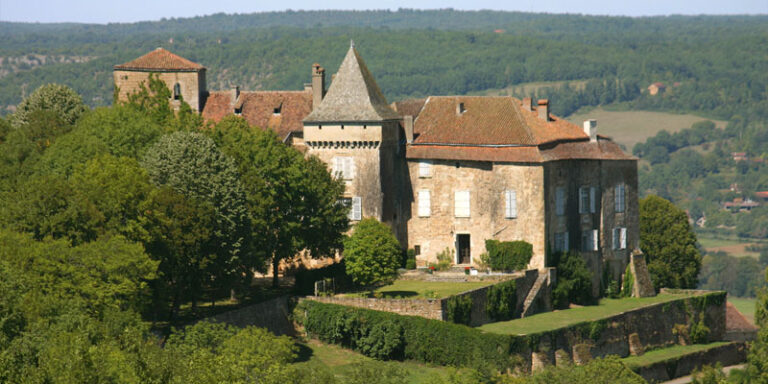
Château de Larroque-Toirac is a fortified castle in France whose development spans the twelfth to the fifteenth century, reflecting successive medieval phases of construction and defense. Its position above the village and the Lot valley gave it an exceptionally strong defensive setting.
Medieval development
A castrum, meaning a fortified settlement or stronghold, existed here in the thirteenth century. Its enceinte, the fortified enclosure surrounding a castle or settlement, was strengthened during the fourteenth century. A new castle was then built in the fifteenth century, creating the principal medieval form of the site.
The castle was captured by the English on several occasions. These repeated changes of control formed part of its medieval military history and demonstrate the continuing importance of its defensive position.
Municipal use and protection
Before it entered the Wagner-Autesserre family in the 1920s, the castle was used by the municipality of Larroque-Toirac as a school and as accommodation for teachers. It is privately owned, and the current owner is Pierre Wagner-Autesserre.
The castle received an initial form of historic-monument protection in the mid-twentieth century. It was classified as a French historic monument in 1995, a status applied under France’s heritage-conservation system.
Remains
Cliff setting and surviving buildings
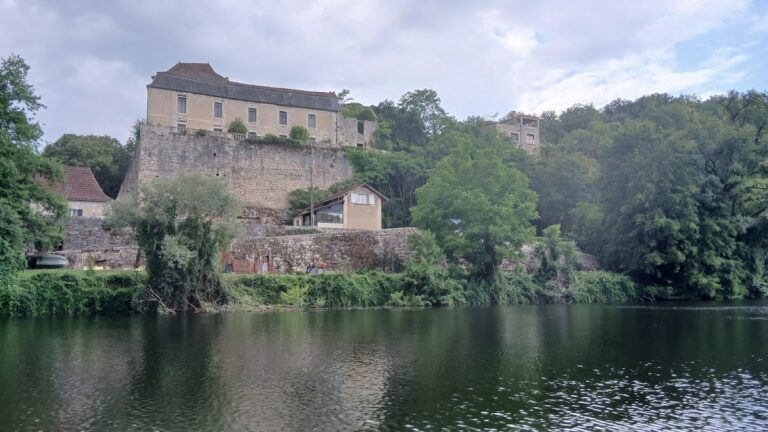
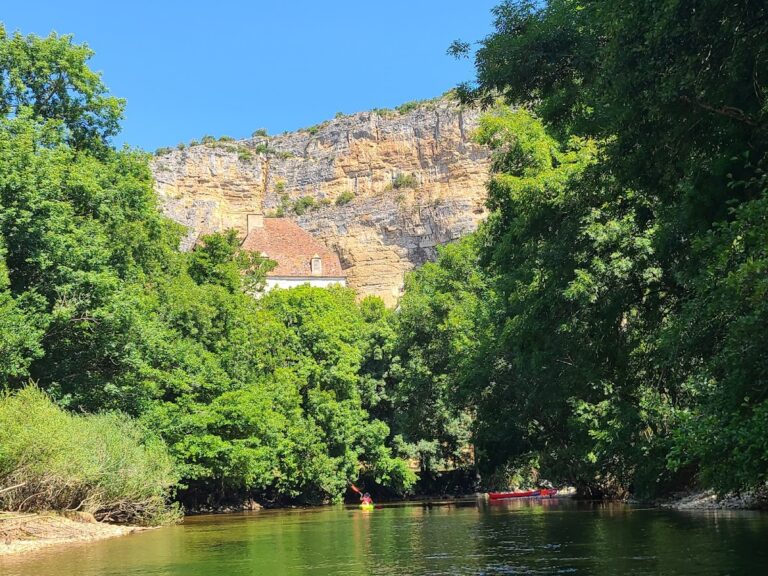
The castle is attached to the side of a high cliff above the village and the Lot valley. Its position shaped the site’s defensive character, and the medieval section retains its defensive system. Behind the castle, terraces occupy the area of the former fortified village.
Seigneurial residence
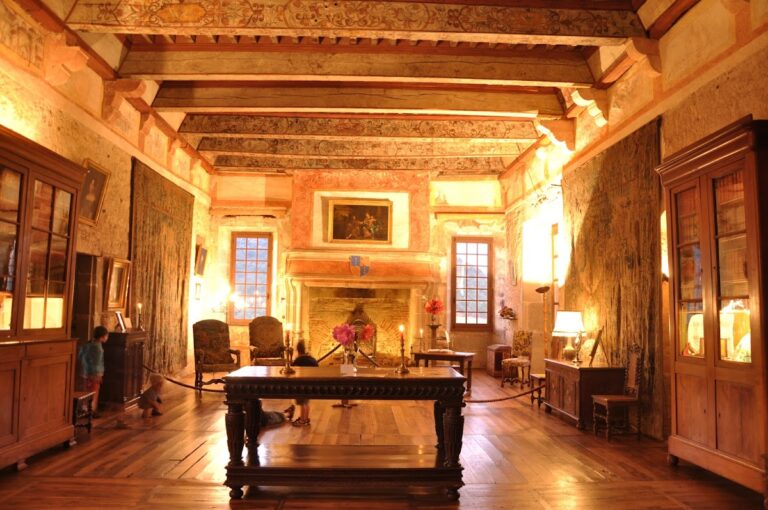
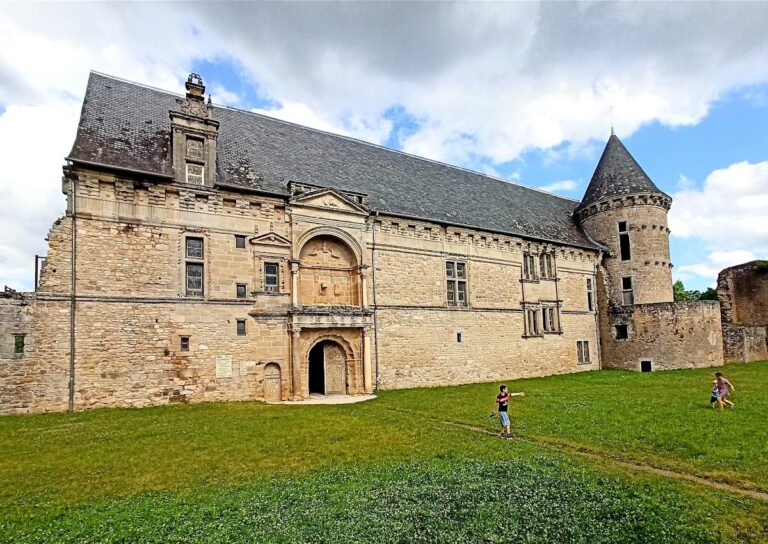
The seigneurial residence, the living quarters of a feudal lord or noble landholder, retains its original kitchen and chimneys dating from the fifteenth century. Its surviving decoration includes frescoes from approximately 1515 to 1531. Alterations were carried out during the seventeenth century, adding later changes to the medieval and early modern fabric.
Cliff caves and terraced park
Caves in the cliff behind the castle were occupied from the Neolithic period and later became troglodytic dwellings, meaning habitations constructed in or directly associated with natural caves.
The private park behind the castle occupies terraces on the site of the former fortified village. It contains a collection of exotic plants, linking the surviving landscape to the earlier settlement area.