Augusta Trayana Forum: A Roman Urban Center in Stara Zagora, Bulgaria


Visitor Information
Google Rating: 4.7
Popularity: Medium
Google Maps: View on Google Maps
Country: Bulgaria
Civilization: Byzantine, Roman
Remains: Civic

History
The Augusta Trayana Forum was established in the ancient city of Augusta Trayana, located in what is now the center of Stara Zagora, Bulgaria. This forum was part of the Roman urban complex, reflecting the city’s integration into the Roman Empire during the 2nd century AD.
The initial phase of construction took place in the mid-2nd century AD, when the city developed other public amenities such as thermal baths. Around the same period, the forum’s southern façade and associated structures were built.
By the end of the 2nd century AD, the city fortified the forum area with a defensive wall. In the late 5th to early 6th century AD, a second fortified wall was constructed, reinforcing the earlier defenses.
Remains
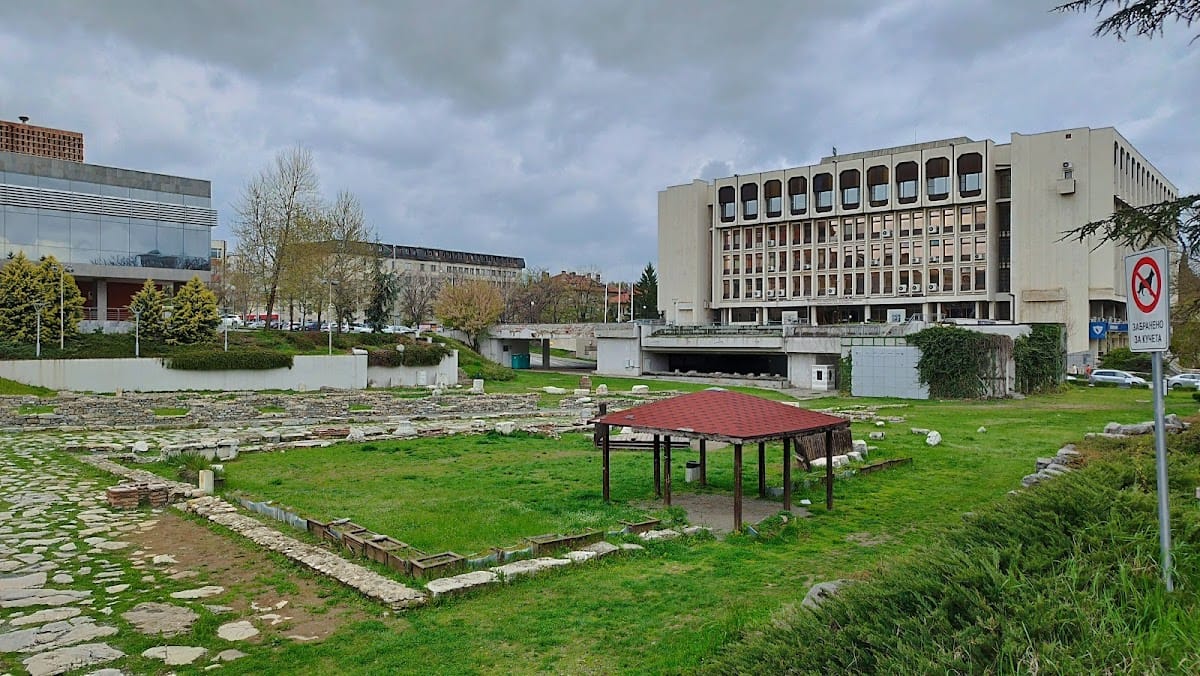
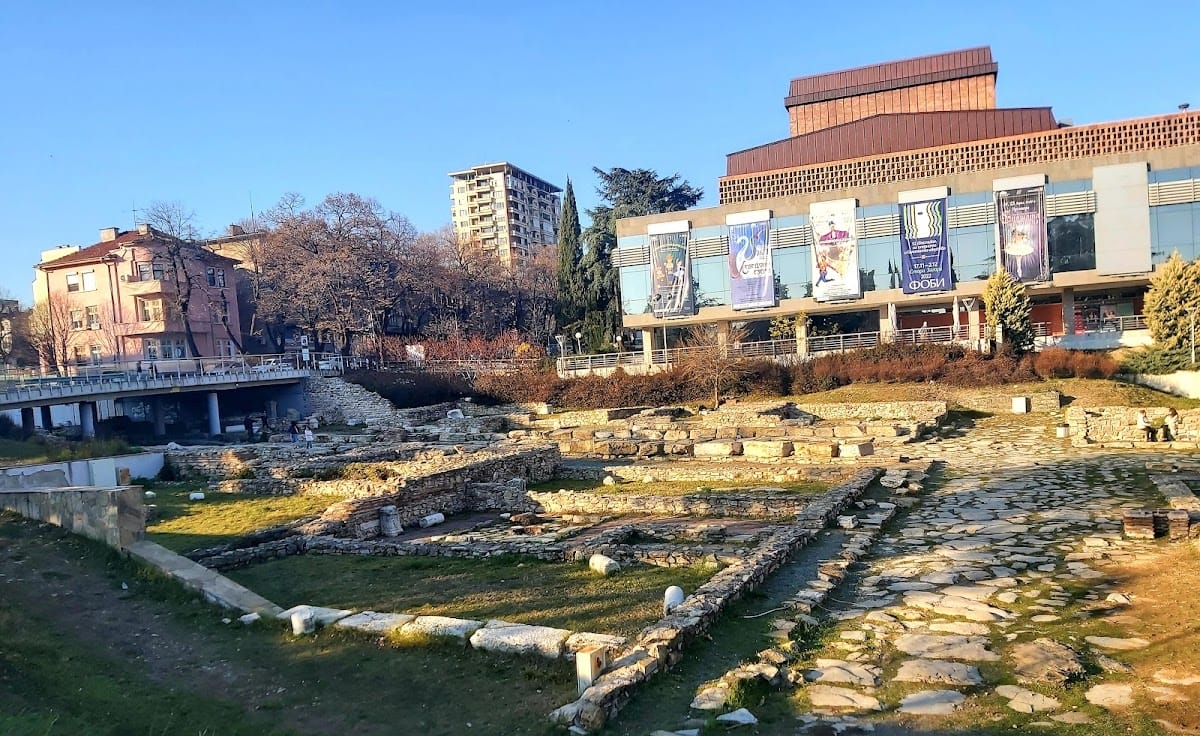
The Augusta Trayana Forum covers approximately seven acres and includes several well-preserved archaeological features.
One prominent feature is the western gate, which served as a main entrance. This gate includes channels designed to carry water. It also has a two-leaved door, a common Roman design for large entrances.
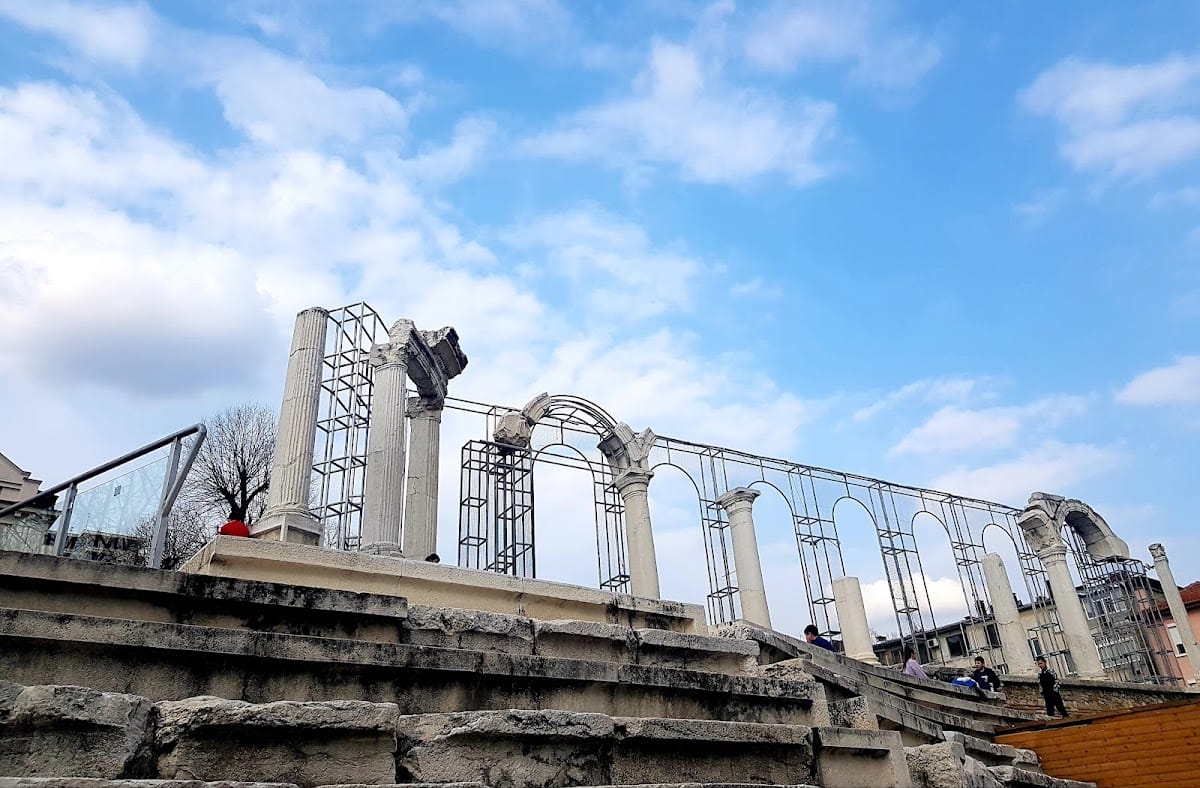
The forum contains an amphitheatre auditorium with nine rows of stone seating arranged around a central stone square. This space was used for public gatherings or performances. The auditorium is decorated with an atrium and arches.
On the southern side of the forum are the ruins of the city’s thermal baths. These baths date to the mid-2nd century AD and include remnants of the hypocaust system, an ancient Roman method of underfloor heating. This system used heated air circulating beneath the floors to warm the rooms above.
Two fortified walls enclose parts of the forum. The first wall, built at the end of the 2nd century AD, and the second, from the late 5th to early 6th century AD, demonstrate phases of construction and reinforcement.
Today, the remains include the baths, a stone square with a pedestal for a statue, the seating, and the western gate. These elements survive in varying conditions.