Castle Directory: Explore Castles, Fortresses and Palaces
This castle directory brings together castles, forts, citadels, defensive walls, towers and fortified towns, alongside fortified monasteries, palaces, manor houses and other elite residences. The collection spans Europe and the Mediterranean, with further sites in western Asia. Its buildings range from Roman city defences and medieval strongholds to artillery fortresses and later residences built around court life or landed estates.
The examples below show that range through surviving structures: a tower house with rooms stacked above a vaulted basement, gun towers with internal ventilation shafts, a fortified settlement crowded onto a rock outcrop, and residences with painted halls and preserved household spaces.
Primary Function: All
Type: All
Civilization: All
Country: All
Era: All
Popularity: All
Rating: All
Killeavy Castle is a nineteenth-century pseudo-Gothic estate in County Armagh, developed for the Foxall family and later known as Bell’s Castle. Now…
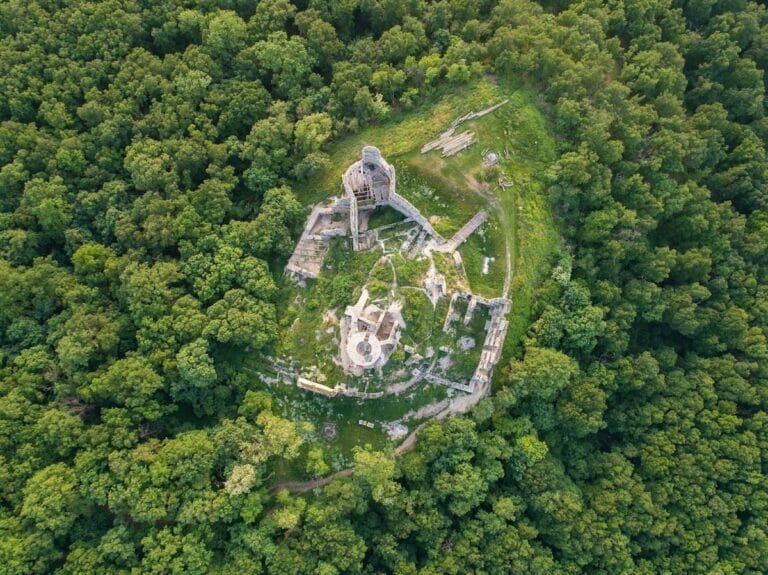
Oponice Castle is a fortified ruin above Oponice in Slovakia, founded at the end of the thirteenth century and expanded with Renaissance defenses and…
Schloss Pottendorf developed from a medieval frontier fortress into a Baroque aristocratic residence before becoming a partially ruined historic…
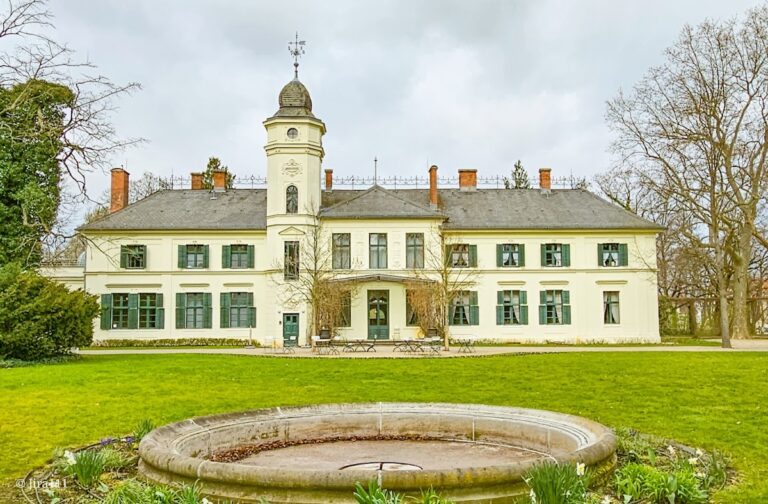
Schloss Britz is a former manor house whose history spans a medieval knightly estate, early modern agricultural reforms, nineteenth-century…
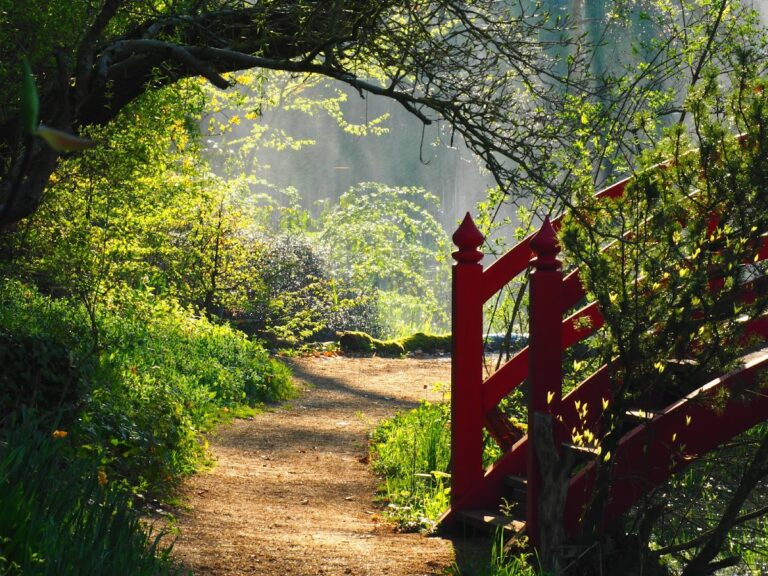
Schloss Dennenlohe is an eighteenth-century palace complex in Bavaria that developed from a medieval water castle. Its Baroque residence, service…
Kajaani Castle was a Swedish fortress founded in the early seventeenth century on an island in the Kajaaninjoki. It served as a military strongpoint,…
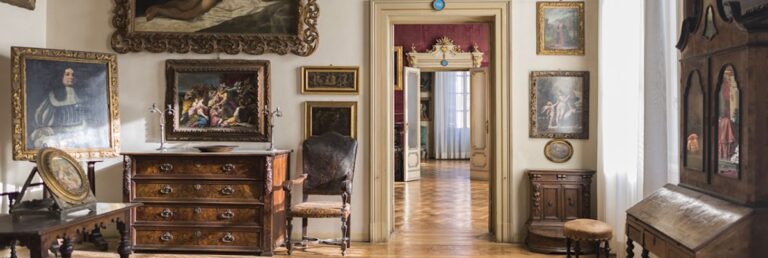
Palazzo d’Arco is an eighteenth-century Neoclassical palace in Mantua, shaped by the D’Arco family and preserved as a museum of art, history,…

Sandsfoot Castle was a Tudor coastal fort built by Henry VIII to defend Weymouth Bay. Its surviving blockhouse, earthworks, and evidence of later…
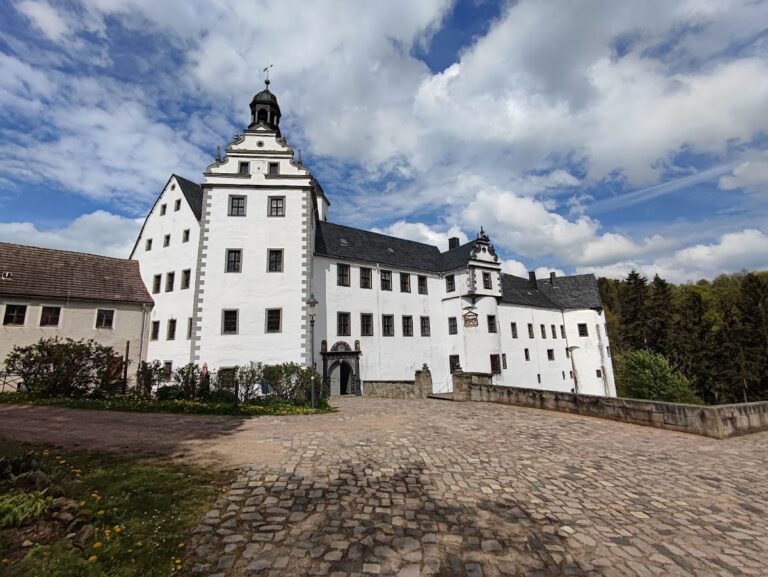
Schloss Lauenstein developed from a thirteenth-century castle into a Renaissance palace and now houses a regional museum covering the history,…

Menkemaborg in Uithuizen is one of the few surviving Groningen borgen, preserving the history, interiors, gardens, and collections associated with…
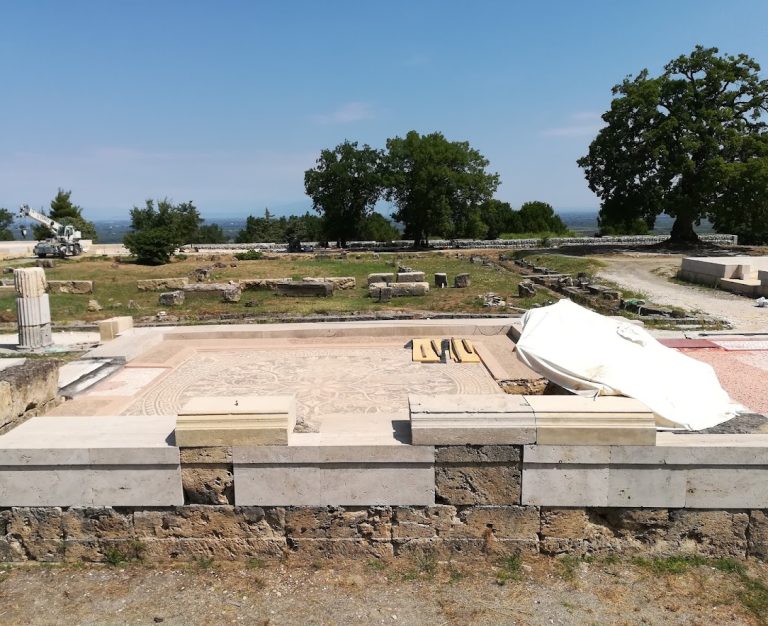
The Palace of Aigai at Vergina was a fourth-century BC Macedonian royal complex whose architecture influenced later Hellenistic palaces and whose…
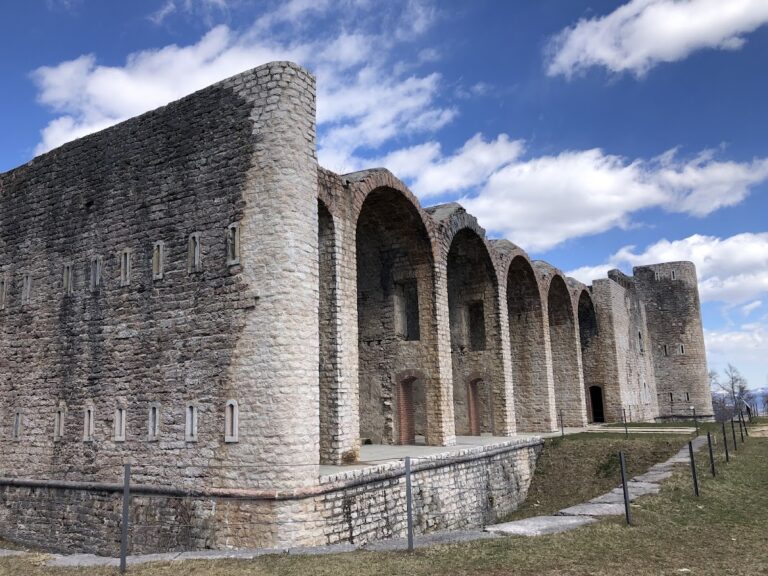
Caserma Interotto was an Italian defensive barracks built on Monte Interrotto near Asiago in 1887. Used during the First World War by both Italian…
For details on how to use the maps, which sites are included, how popularity and ratings are determined, and how sites are classified, see the help page.
On this page7 sections
Castles and fortified tower houses
At Fénis Castle in Italy’s Aosta Valley, two circuits of crenellated walls enclose a residential building organised around a small courtyard. The inner court contains a semicircular staircase beneath a fresco of Saint George, with wooden galleries and further painted figures holding scrolls. Defended entrances and household rooms occupy the same complex. Its present appearance also includes late nineteenth- and twentieth-century restoration, with some conjectural additions to the fortifications.
Smailholm Tower in the Scottish Borders concentrates much of its accommodation within a single rectangular tower. A vaulted basement supports the hall above, while a corner stair connects the upper rooms. A stone enclosure around the tower protected a yard containing kitchens and other buildings. The thick-walled residence and its enclosed working spaces preserve the arrangement of a smaller fortified household.
Artillery forts and urban citadels
The Fort of Salses in France contains round artillery towers whose internal shafts served several purposes. They allowed equipment to be hoisted between levels, carried spoken orders and helped release cannon smoke. Rooms in the adjoining barracks provided access to the tower levels. Across the parade ground, a separately defended inner stronghold could be isolated behind its own ditch and controlled entrance.
Acrocorinth in Greece occupies the rocky heights above Corinth. Its approach passes through successive gates before reaching a large upper enclosure, with towers and walls following the summit’s irregular edges. Cisterns, religious buildings and residential remains survive inside. The defences contain ancient, Byzantine, Frankish, Venetian and Ottoman work, together with modern conservation; the visible fortress developed through repeated occupation and rebuilding.
City walls and fortified settlements
Rome’s Aurelian Walls preserve long stretches of brick-faced defensive masonry interrupted by towers and gateways. Later Roman rebuilding raised the walls and introduced covered galleries beneath the upper walkways. Openings in those galleries allowed defenders to cover the approaches while sheltered within the structure. The principal feature of this record is the wall system enclosing the city, rather than an individual castle or palace.
At Izadkhast in Iran, the fortified settlement occupies an isolated rock outcrop. Its limited surface encouraged closely packed houses, narrow passages and rooms built on several levels. A bridge and gate controlled the accessible approach, while steep sides protected the other edges. The surviving earthen buildings and ruined lanes belong to a settlement with a long sequence of construction, from Sasanian to later periods. A caravanserai in the valley below is a separate building from the enclosed town.
Patmos: a monastery behind defensive walls
The Monastery of Saint John the Theologian on Patmos rises above the surrounding settlement within high fortified walls. Its entrance passage turns before reaching the interior courtyard, restricting a direct approach through the gateway. Inside are the main church, chapels, monastic cells, a refectory and water-storage facilities.
The enclosure protects a religious community with its own accommodation and service buildings. Defensive construction was part of the monastery’s development, while later buttresses strengthened sections of the walls. Its principal church retains a domed Byzantine plan within the much larger fortified complex.
Royal palaces and estate residences
Pena Palace in Portugal combines a nineteenth-century royal residence with the surviving cloister, chapel and other parts of an earlier monastery. Turrets, battlements, tiled façades and elaborately shaped openings form part of its Romantic design. The palace’s castle-like exterior belongs to a royal building programme of the nineteenth century, while the incorporated monastic rooms preserve an earlier phase.
In the Netherlands, Trompenburgh has a residential block connected by a corridor to an octagonal pavilion. The pavilion’s domed hall contains naval scenes and portraits celebrating the family of Admiral Cornelis Tromp. Water surrounds much of the house, and its roof incorporates deck-like platforms and railings. These features belong to an elite country residence whose architecture and decoration refer to its owner’s maritime career.
At Nynäs in Sweden, the manor’s formal rooms retain elaborate seventeenth-century stucco ceilings, while other interiors preserve later furnishings. Service rooms occupied the lower floor, with reception rooms and guest accommodation above. The wider estate includes workers’ housing, a mill, a distillery and agricultural buildings.
How the directory distinguishes site types
Classification follows a site’s documented role and defining structures. Castles generally combine fortification with residential use, sometimes retaining their castle identity after extensive domestic remodelling. Forts primarily served military garrisons; citadels formed strongholds controlling a town or city. A wall record focuses on a defensive circuit, a tower record on the dominant tower, and a fortified-town record on an enclosed settlement with streets and buildings. Fortified monasteries combine monastic use with integral defences.
Palaces are extensive residences associated with royal, sovereign, dynastic or state-level courts. Manor houses belong to landed estates, while other high-status homes may be classified as elite residences. A traditional name such as “castle” or “palace” does not settle the category by itself. Episcopal or princely residences require evidence of their governing or court role, and military-order complexes are classified by their dominant surviving function even when they contain chapels or monastic quarters.
Explore the collection
Explore sites on the map or in the grid. Map icons reflect each site’s primary function, helping you identify different kinds of places at a glance. Filter by country, primary function, civilization or era, and use the Type filter to choose among the castle, fortification and residence categories included here. Popularity and rating provide additional filters. Select a map marker to view the site’s details and open its article, or open the article from its grid entry.