Castles in Denmark: Explore Moated Strongholds, Renaissance Chapels and Royal Palaces
Castles in Denmark include brick strongholds protected by water and earthworks, residences arranged around courtyards, and palaces facing a shared ceremonial square. Some retain substantial defensive entrances and vaulted cellars, while others are distinguished by chapels, reception rooms and the different wings added by successive owners.
This collection includes the wider group of forts, palaces and residences as well as castles. The examples below follow those differences through standing buildings, with attention to the places where restoration or later rebuilding contributes to their appearance.
Primary Function: All
Type: All
Civilization: All
Popularity: All
Rating: All
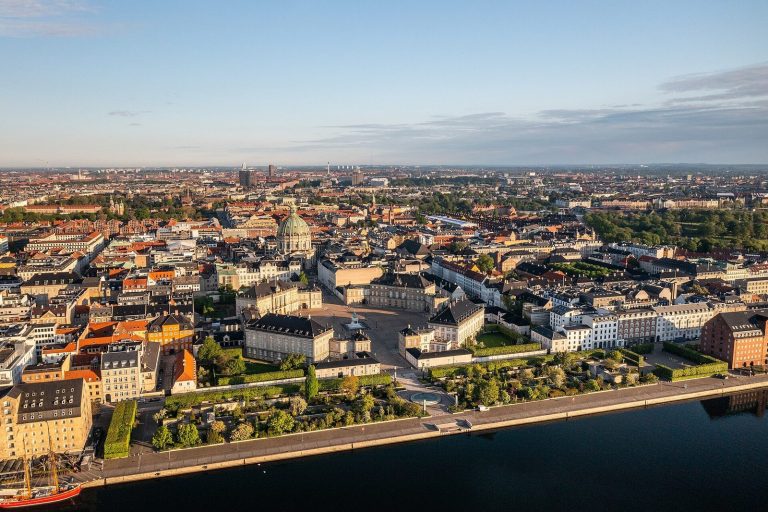
Amalienborg is the official residence of Denmark’s royal family, a four-palace complex developed as the centrepiece of Frederiksstaden in the…
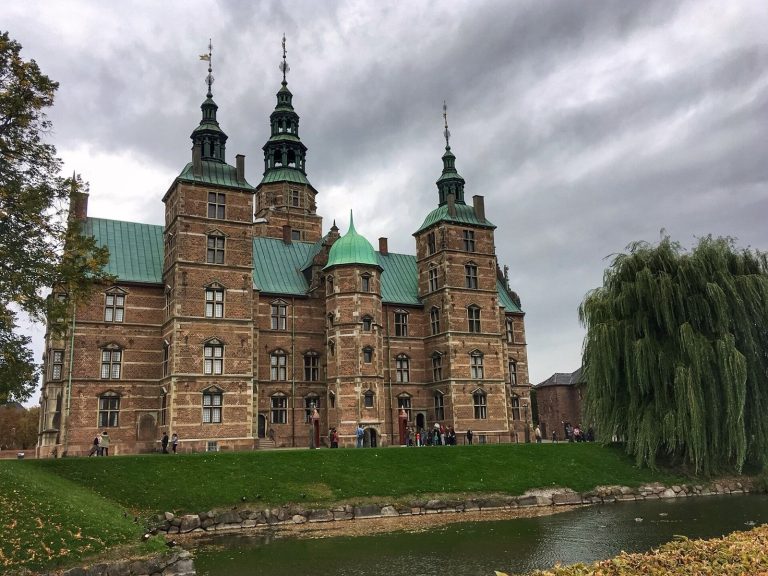
Rosenborg Castle in Copenhagen was built for Christian IV from 1606 and served as a royal residence until about 1710. Its preserved interiors now…
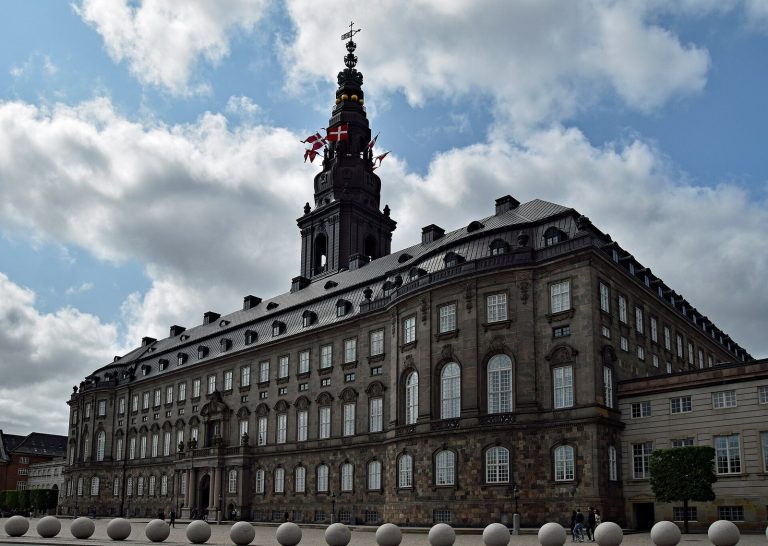
Christiansborg Palace in Copenhagen occupies a site used for castles and palaces since 1167. It now brings together Denmark’s Parliament, Prime…
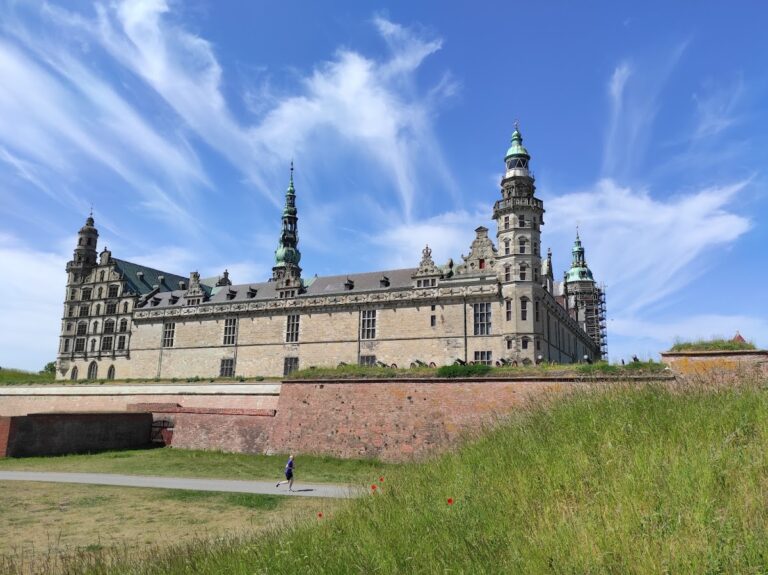
Kronborg Castle guards the narrowest passage of the Øresund and developed from the fifteenth-century fortress of Krogen into a Renaissance royal…
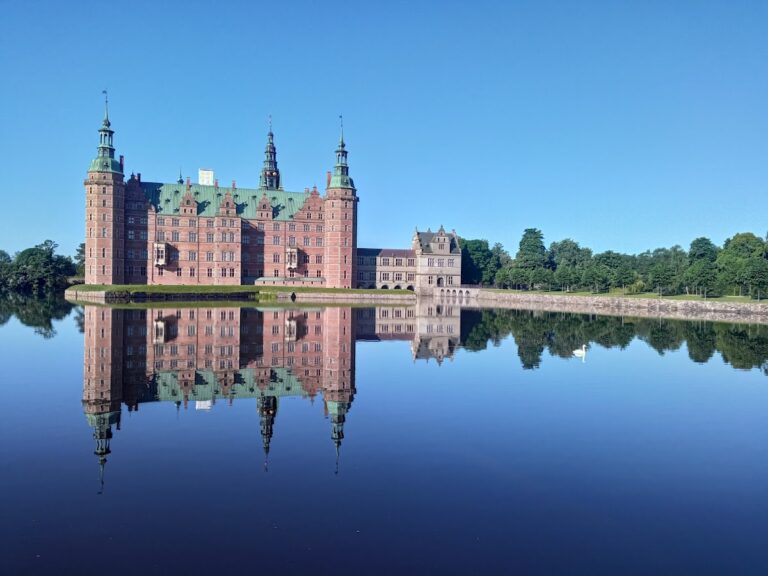
Frederiksborg Palace in Hillerød developed from a sixteenth-century royal hunting lodge into Denmark’s principal Renaissance residence. Destroyed…
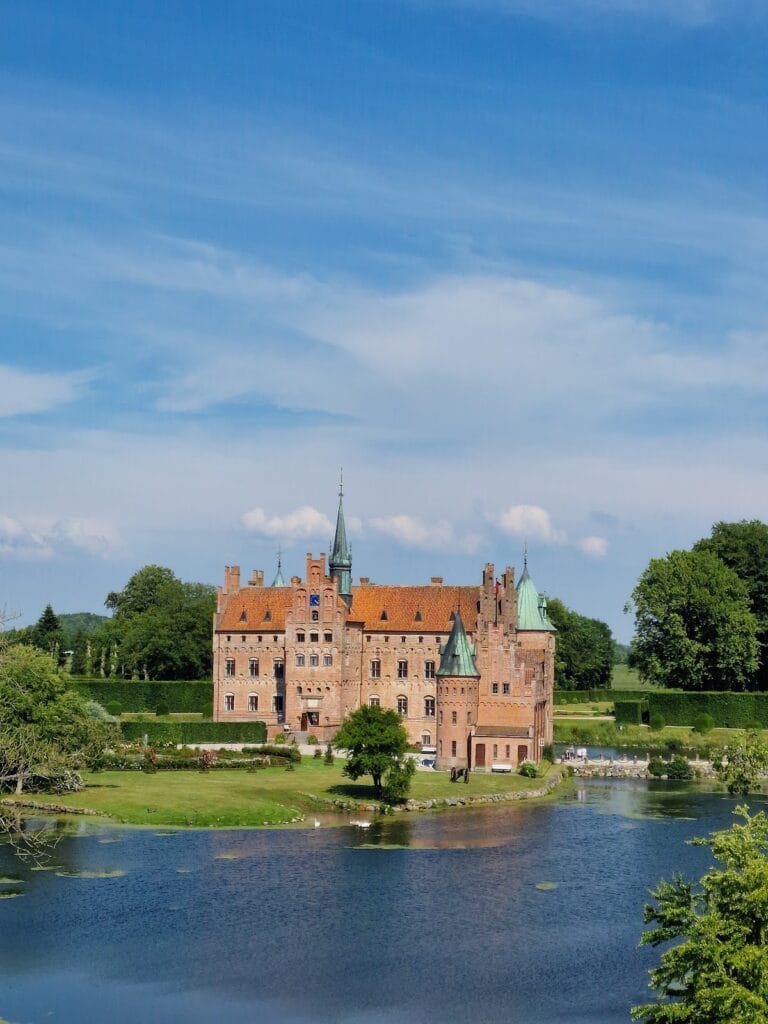
Egeskov Castle on Funen is a sixteenth-century Danish water castle built for residence and defense. Its double-house plan, moat, defensive features,…
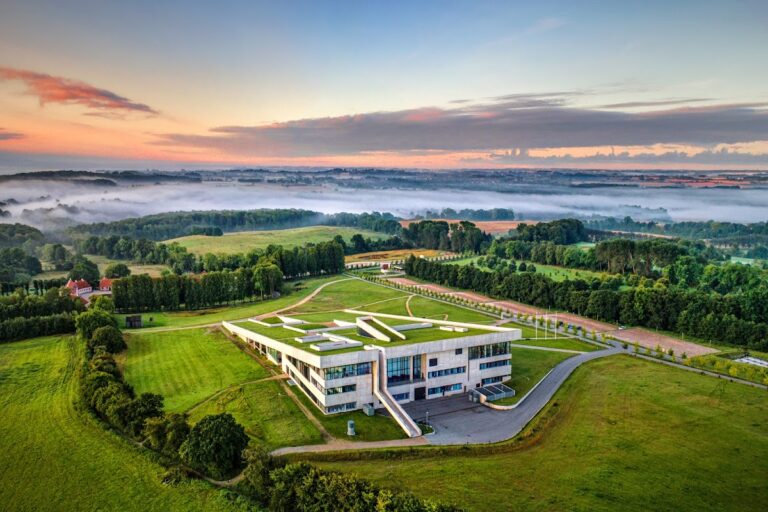
Moesgård is a former manor estate near Aarhus whose history extends from the late fourteenth century through aristocratic ownership, state…
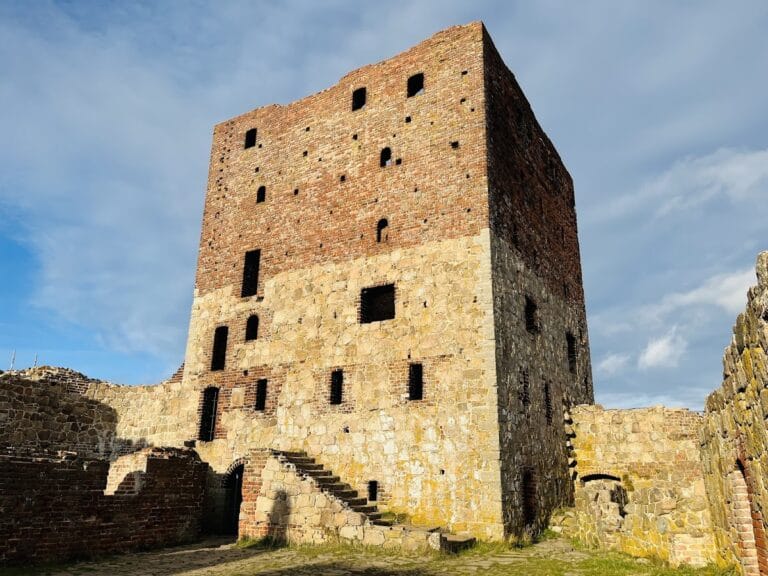
Hammershus is a medieval fortress on Bornholm whose history reflects the long rivalry between the Danish monarchy and the archbishopric of Lund. Its…
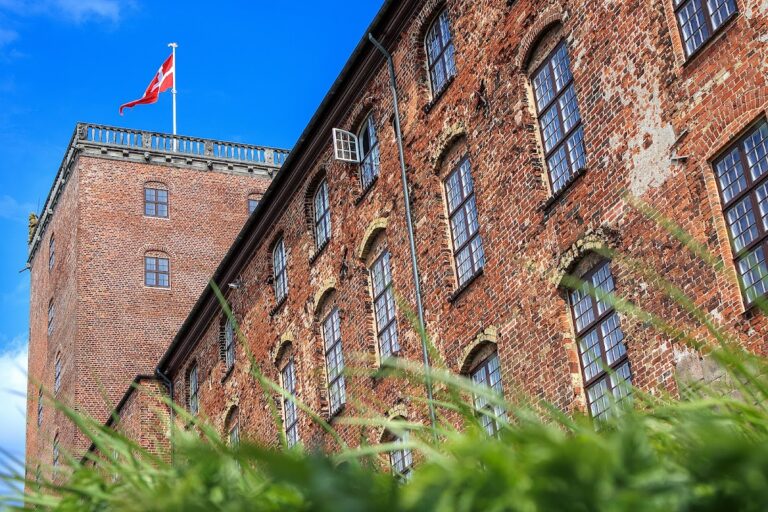
Koldinghus in Kolding developed from a thirteenth-century border fortress into a royal residence, a Baroque palace, and a restored museum complex.…
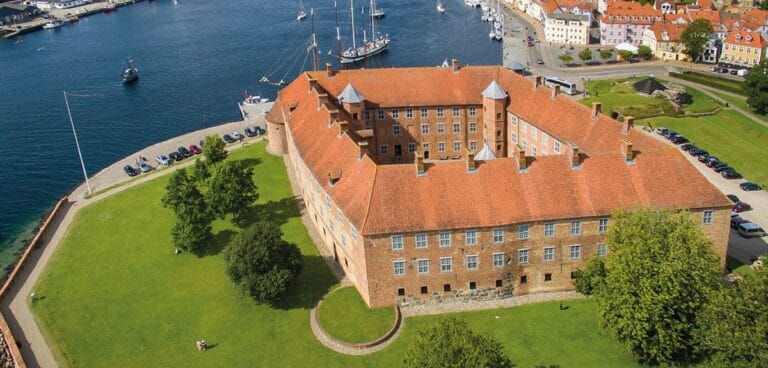
Sønderborg Castle developed from a twelfth-century fortress into a Renaissance ducal residence and now houses a museum covering Southern Jutland and…
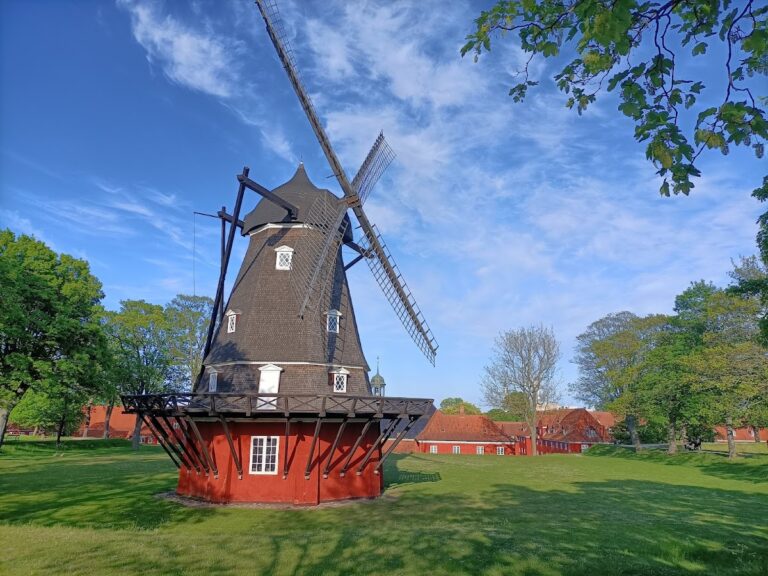
Kastellet is a seventeenth-century citadel in Copenhagen, Denmark, developed from coastal defenses into a pentagonal fortress. It remains an active…
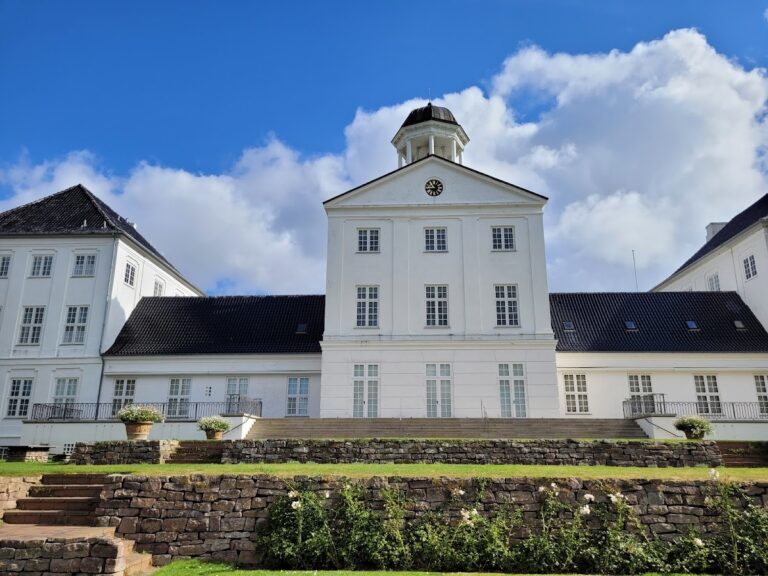
Gråsten Palace in southern Denmark developed from sixteenth- and seventeenth-century manor houses into a Baroque palace, later becoming a Danish…
For details on how to use the maps, which sites are included, how popularity and ratings are determined, and how sites are classified, see the help page.
On this page5 sections
Moated castles and Renaissance residences
Spøttrup Castle stands on an inner island behind a double moat and a high earth rampart. The rampart sheltered much of the brick building from cannon fire, while the western entrance concentrated access through the defences. Gun openings in the vaulted gateway and adjoining curtain wall covered the moat.
Three ranges surround the courtyard. Vaulted cellars survive below the rooms, and later alterations introduced a ballroom and more comfortable accommodation into the south wing. Its original defensive upper floor has been lost, and some windows and wall features were reopened or reconstructed during restoration. The substantial gateway, brick ranges and earthworks nevertheless preserve the castle’s main arrangement.
Rosenholm Castle also occupies an island within excavated moats, but its earliest wing was designed as a luxurious residence. An open colonnaded gallery faces the courtyard, with round towers and Italian-influenced gables shaping the exterior. The wing lacks the firing openings that characterize Spøttrup’s entrance defences.
Later wings gradually enclosed Rosenholm’s courtyard. Separate islands held stables and other estate buildings, while the surviving Pirkentavl pavilion added a small garden structure beside the main residence. Water here organized a larger residential estate as well as surrounding the house.
Gjorslev: a cross-shaped castle and central tower
Gjorslev Castle has four arms extending from a tall central tower. Limestone from the Stevns cliffs and large bricks form the masonry, and moats surround the building. Its compact cross-shaped plan is quite different from the courtyard arrangements at Spøttrup and Rosenholm.
The original approach passed through lower vaulted spaces before reaching the hall above. Later alterations moved the entrance and introduced a Baroque staircase and facade treatment. Added wings extended the residence without removing the older tower and projecting arms that define its outline.
Royal chapels and restored palace rooms
Sønderborg Castle consists of four brick wings around a courtyard, with slender stair towers inside. Most of its large corner defence towers have disappeared, but a lower remnant survives and the blocked medieval entrance remains visible in the north wall.
Queen Dorothea’s Renaissance chapel is a particularly substantial historic interior. Its fittings include an early organ case whose missing pipework was reconstructed in the twentieth century. The long Great Hall provided space for ducal receptions and festivities, adding a secular ceremonial room alongside the chapel.
At Koldinghus, conservation has taken a more visibly modern form. New construction encloses and supports the surviving historic fabric after the castle’s long period as a fire-damaged ruin. The large tower remains a defining feature, while the former great hall survives only in altered form. The building allows its damaged masonry and modern protective work to be understood together.
Amalienborg: four palaces and a ceremonial square
Amalienborg in Copenhagen comprises four separate palaces around an octagonal square. Their closely matching exteriors create a unified composition, while their interiors differ according to ownership and later alterations.
Christian VII’s Palace contains a richly decorated Rococo hall with carved woodwork, paintings and stucco. A raised colonnade connects two of the palaces across a street. Amalienborg represents a different residential scale from the moated houses: several substantial buildings share one formal urban setting.
Explore the collection
Explore sites on the map or in the grid. Map icons reflect each site’s primary function, helping you identify different kinds of places at a glance. Narrow this collection by primary function, by a site type within the castle and residence group, or by civilization and era. Additional filters cover popularity and rating. Select a map marker to view the site’s details and open its article, or open the article from its grid entry.